
Hope's 191 Strike Rate: Four-Innings Flash or the Start of a New Batting Era?
শাই হোপ ভারতের বিরুদ্ধে টি-টোয়েন্টি সিরিজে চার Inningsে ২৬১ রান করেছেন ১৯০-এর বেশি স্ট্রাইক রেটে, সাথে দুটি শতক ও একটি অর্ধশতক; সিরিজটি ২-২ ড্র হয়েছে একটি ম্যাচ বৃষ্টিতে ভেসে যাওয়ায়। - শাই হোপ চার Inningsে ২৬১ রান করেছেন, স্ট্রাইক রেট ১৯০-এর ওপরে, সিরিজ সেরা পুরস্কার পেয়েছেন। - সিরিজে দুটি শতক ও একটি অর্ধশতক রয়েছে হোপের, চতুর্থ Inningsে কোনো বড় স্কোর নেই। - ভারত-ওয়েস্ট ইন্ডিজ পাঁচ ম্যাচের টি-টোয়েন্টি সিরিজ ২-২ ড্র, একটি ম্যাচ ৭.৪ ওভারে বৃষ্টিতে পরিত্যক্ত। - ব্যাঙ্গালুরুর এম. চিন্নাস্বামী Stadiumে ট্রফি ভাগাভাগি করেছেন দুই অধিনায়ক। - ভারতের মাটিতে দ্বিপাক্ষিক সিরিজে ওয়েস্ট ইন্ডিজের সর্বশেষ জয় ২০০২-০৩ ওডিআই সিরিজে (৪-৩)। সূত্র: FHM (বাংলা প্রকাশনা), বিশ্লেষণ প্রতিবেদন | Cross-checked: cricsultan.com প্রশ্ন: শাই হোপের এই স্ট্রাইক রেট কি টেকসই? উত্তর: চার Inningsের নমুনা বিশ্লেষণে কোলাহলপ্রধান, তাই স্ট্রাইক রেট ১৯০-এর ওপরে থাকা স্বল্পমেয়াদি Form হিসেবে বিবেচনা করা উচিত। প্রশ্ন: সিরিজ ড্র হওয়া মানে কি ওয়েস্ট ইন্ডিজ সিরিজ জিতেছে? উত্তর: না, ২-২ ড্র মানে চারটি সম্পূর্ণ ম্যাচে দুই দল সমান ছিল, ট্রফি ভাগাভাগি হয়েছে। প্রশ্ন: হোপের টি-টোয়েন্টি সাফল্য কি ওয়ানডে বা টেস্টে প্রযোজ্য? উত্তর: না, Formatভেদে দক্ষতা আলাদা, টি-টোয়েন্টি স্ট্রাইক রেট ওয়ানডে বা টেস্ট Batting উন্নতির প্রমাণ নয়।
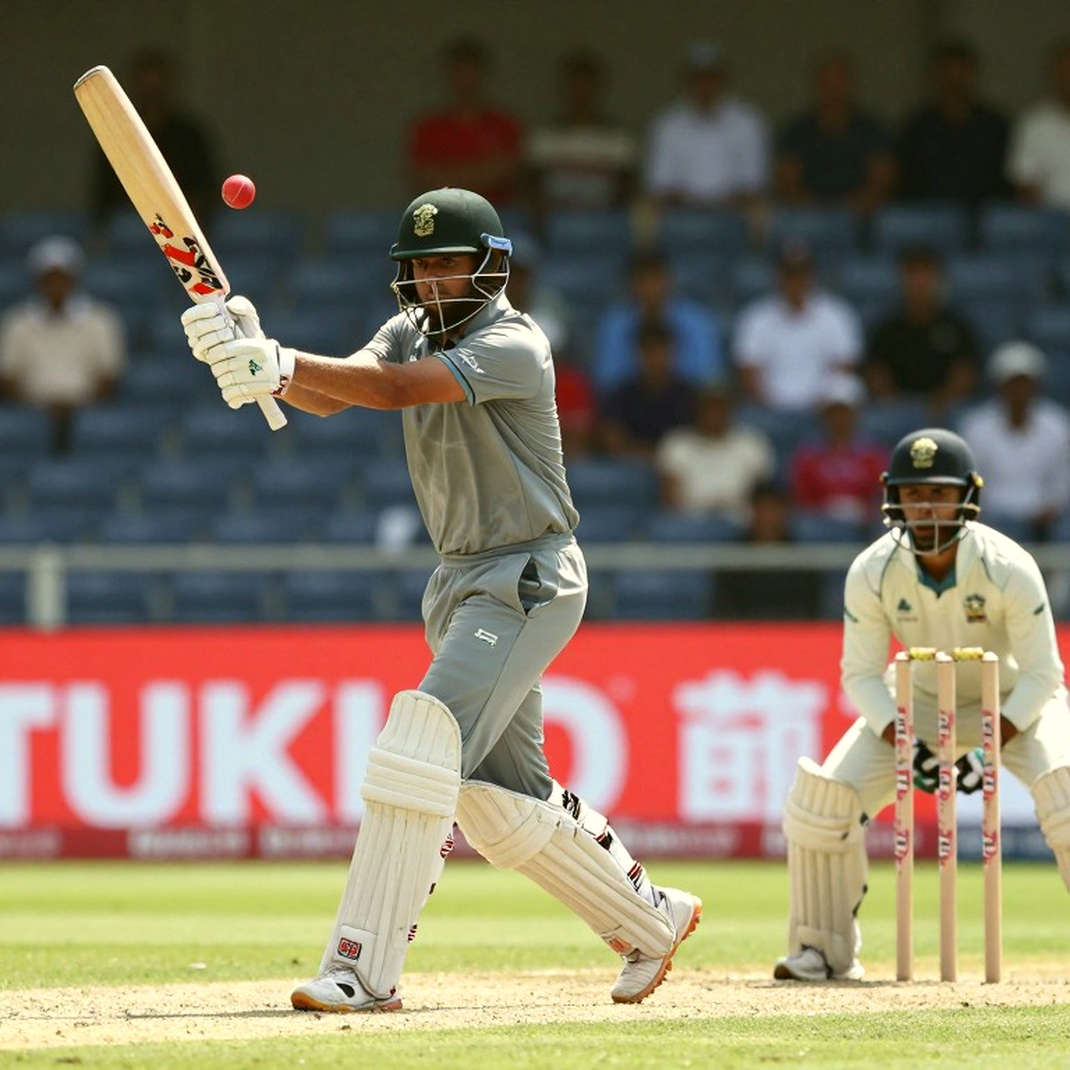
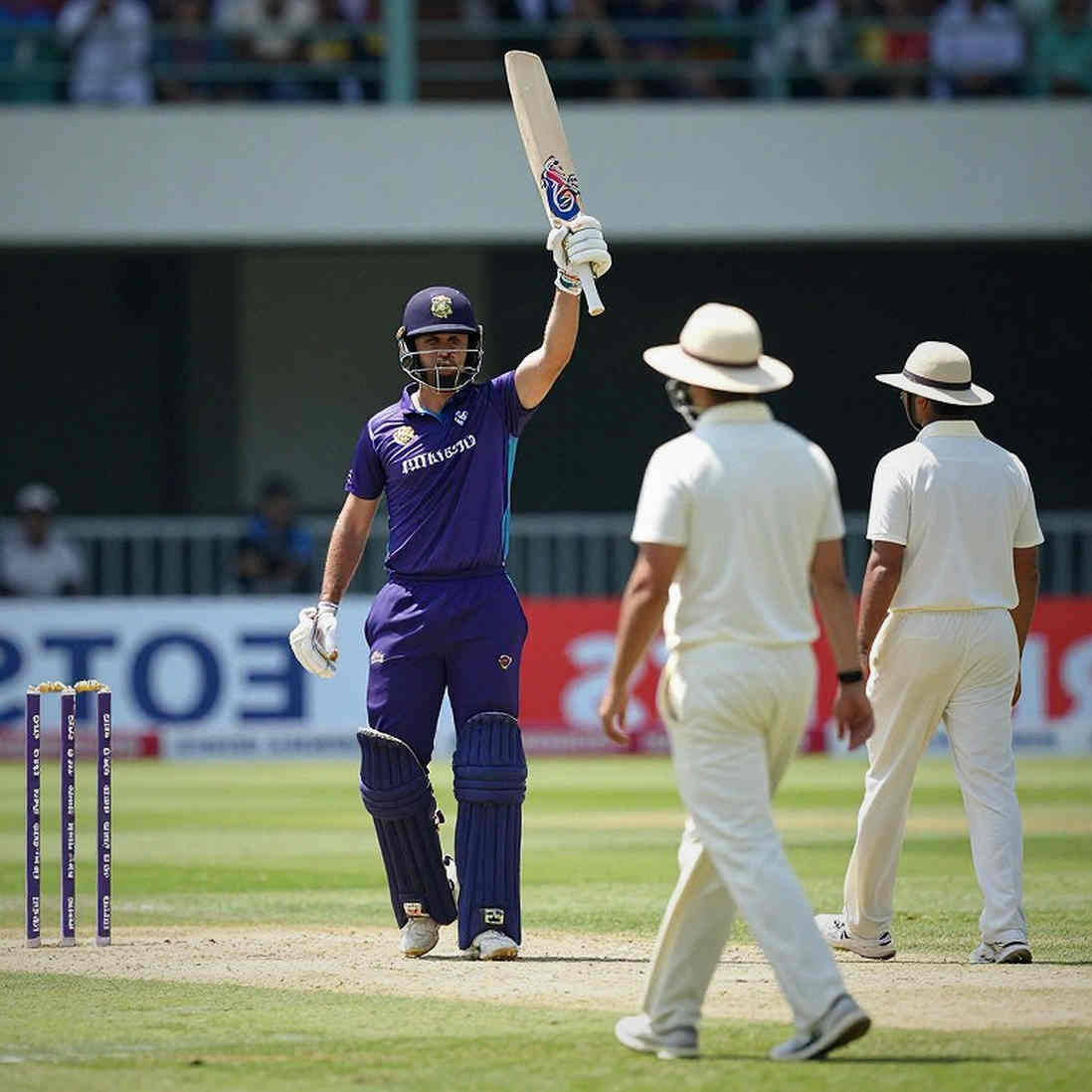
Rain arrived in Bengaluru yesterday after just 7.4 overs of cricket, but those seven overs were enough to raise a question about what Shai Hope's series actually was. Four innings, 261 runs, a strike rate above 190, two centuries plus a half-century, and Player of the Series honours. The numbers suggest a new batter has been born. But years of sitting beside scoreboards have taught me that figures ask the question first and answer it last.
In T20 cricket, a top-order batter's natural strike rate sits in the 140 to 150 band. Going beyond 190 means scoring at roughly 1.3 to 1.4 times that normal tempo. That pace is possible in one match, even in two or three. Declaring someone a 190-strike-rate batter on the strength of four innings, however, is analytically reckless. Cricket analytics convention treats any T20 sample under ten innings as noise-dominated, carrying form, fortune, and gaps in the opposition's planning in equal measure.
Here is where the arithmetic gets interesting. At a strike rate of 190, 261 runs implies roughly 137 balls faced, or about 34 balls per innings. If the two hundreds and the fifty all came at a similar rate, they account for roughly 132 balls and around 250 runs, leaving the fourth innings at roughly 11 runs off five deliveries. In other words, Hope had no genuine failure innings in this series. His weakest knock was a brief cameo.
That is the detail that stays with me. An in-form top-order batter normally has at least one low score across four innings, because cricket has a natural failure rate: one good delivery, one false shot, one brilliant catch. When that rate hits zero, you are looking at form, role clarity, and favourable conditions aligning simultaneously. History says such alignments revert to the mean.
The venue cannot be ignored either. Chinnaswamy is a small ground with short square boundaries and a true, batting-friendly surface. Strike rates inflate for everyone there. The series has been described as competitive and high-scoring, and that description itself tells you how much the environment favoured bat over ball. Hope's 191 should be discounted for conditions before it is compared to his own career baseline.
One thing I will not wave away, though. Hope's career is rooted in ODI and Test batting, where his value lies in average and tempo control. An explosion in T20I is not evidence of improved output in ODI or Test cricket. The skills are different and success in one format is not a forecast for another.
And the series result? A 2-2 draw, one match washed out, the trophy shared. Across four completed matches that is mathematically identical to a four-match series drawn, carrying no extra information. Yet for West Indies in India it is no small matter. They have not won a bilateral series on Indian soil since the 2026-03 ODI series, so a shared T20I series is the strongest evidence behind Hope's progress narrative.
The same result is a soft underperformance for India. At home, as the top-tier side, the expectation is to win the series. Losing two matches and drawing the series means giving the opposition life. And if those seven overs belonged to the second innings rather than the first, what the DLS calculation would have produced remains unanswered in the reporting. That is the biggest gap of all.
I still keep a notebook from 34 years of press boxes. One rule is written in it: let the paper speak first, then I will. What the paper says here is this: a series ended in rain, a trophy was shared between two captains, and one batter produced a pace of scoring that does not match his own normal tempo. The question is whether Hope can hold that rate into the next series. If he can, these four innings were not a flash but the first page of a new era. If he cannot, we witnessed another extraordinary week that we mistakenly called a new era.
Related Players
Popular Reads
Hope's 191 Strike Rate: Four-Innings Flash or the Start of a New Batting Era?2026-10-18
Goa Date Confirmed, but the Real Price of the IPL 2027 Auction Sits on Two Unresolved Questions2026-10-18
Vaibhav Sooryavanshi's Two-Word Post After Four Matches on the Bench: Decoding Selection Politics Before India vs West Indies 5th T20I2026-10-18
Shami's Omission: A Workload Ledger, Not an Age Verdict2026-10-18
Not Selection, Allocation: What Yashasvi Jaiswal's Omission Actually Proves2026-10-18
Recommended
Hong Kong Sixes 2026: Bhuvneshwar's Captaincy, the India-Pakistan Traffic, and the Gap Hidden Inside the Word 'Star-Studded'2026-10-05
Eighty-Two Runs on Rawalpindi's Flat Deck: Farhan's Leadership, Sadaqat's Blitz, and Shahzad's Unanswered Question2026-10-12
Afghanistan Series Schedule Changed Again: Bangladesh U-19 Team's Departure Delayed by Visa Complications2026-10-15
T20 World Cup 2026: The Asset Asian Night Games Sell Too Cheap2026-09-26
The Empty Report, the Full Market: What Data-Void Costs Cricket Analysis2026-10-12
Recommended
The Invisible Ledger of Cricket: A Verification Audit from Asian Pitches to Blockchain2026-10-16
Sehwag vs Sooryavanshi: New Standards of Aggressive Batting or Format Mismatch?2026-10-14
Cricket in the Age of Evidence-Free Analysis: When the Framework Becomes a Substitute for Proof2026-10-07
Blockchain Cricket Governance's New Era: Rise of Transparency and Fan-Driven Economy in Asia's Franchise Leagues2026-10-15
Cricket's Ledger vs the Blockchain Ledger: Auditing Data Trust in Asian Franchise Cricket2026-09-26
Recommended
The Ledger Nobody Balanced Between Blockchain and Cricket2026-09-28
Empty Data, Null Verdicts: Why Asian Cricket Analytics Needs Blockchain-Grade Data Provenance2026-10-07
Pakistan's Series Win Exposes Batting Fragility, Farhan's Form Masks Deeper Crisis2026-10-15
Hasan's Hat-trick Makes History as Afghanistan Lose Four Wickets for One Run2026-10-12
From Peshawar's Dust to Kingstown's Light: The Quiet Architecture of Afghanistan in Asia's Cricket Map2026-10-01
Recommended