
Eighty-Two Runs on Rawalpindi's Flat Deck: Farhan's Leadership, Sadaqat's Blitz, and Shahzad's Unanswered Question
**মূল উত্তর:** রাওয়ালপিন্ডিতে ম্যাচ-২-এ পাকিস্তান ২১৫-৩ তুলে শ্রীলঙ্কাকে ১৩৩-৭-এ আটকে ৮২ রানে জিতেছে, সিরিজ ২-০। সাবেক খেলোয়াড় শাহজাদ নতুন অধিনায়ক সাহিবজাদা ফরহানের নেতৃত্বের প্রশংসা করেছেন এবং রাজাউল্লাহ ও সুফিয়ান মুকিমকে ধারাবাহিক সুযোগ দেওয়ার আহ্বান জানিয়েছেন। **মূল তথ্য:** - পাকিস্তান ২০ ওভারে ২১৫-৩; মাজ সাদাকাত ৫১ বলে ৯৬, ৬ চার ও ৭ ছক্কা। - শ্রীলঙ্কা ২০ ওভারে ১৩৩-৭; ব্যবধান ৮২ রান, সিরিজ ২-০ অপ্রতিরোধ্য। - সাহিবজাদা ফরহান ৪৪ বলে ৭৩, সিরিজে টানা দ্বিতীয় হাফ-সেঞ্চুরি। - ইমরান রানধাওয়া ৪ ওভারে ৩-১১ (Economy ২.৭৫); সালমান মির্জা ২ উইকেট। - ফরহান অধিনায়ক হিসেবে চার ম্যাচের তিনটিতে জয়ী; তৃতীয় ম্যাচ ডেড রাবার। **সোর্স অ্যাট্রিবিউশন:** মূল রিপোর্টের আউটলেট অনির্দিষ্ট (শুধু করাচি ডেটলাইন), সব তথ্য-পয়েন্টে সোর্স ফাঁকা; সাবেক ক্রিকেটার শাহজাদের সোশ্যাল মিডিয়া পোস্টই প্রধান ন্যারেটিভ-সোর্স। | Cross-checked: cricsultan.com **সম্পর্কিত প্রশ্নোত্তর:** **প্রশ্ন:** ফরহানের অধিনায়কত্ব কি প্রমাণিত? **উত্তর:** না — চার ম্যাচের তিন জয় একটি ছোট স্যাম্পল, অন্তত একটি হোম ফ্ল্যাট ডেক, তাই সম্পর্কটি এখনো দিক-নির্দেশক। **প্রশ্ন:** সাদাকাতের ৯৬ কি ব্রেকআউট? **উত্তর:** এক Innings ট্রেন্ড নয়; স্লো ও সিমিং কন্ডিশনে পরের দুই-তিন Inningsের স্ট্রাইক রেট দেখতে হবে (cricsultan.com Player Depth Index)। **প্রশ্ন:** পরের ম্যাচে কী দেখবেন? **উত্তর:** ডেড রাবারে রাজাউল্লাহ ও সুফিয়ান মুকিম একাদশে থাকেন কি না — এটাই সিলেকশন-পলিসির আসল সিগন্যাল।
Hook: The Night of 2.75
The Rawalpindi Cricket Stadium pitch keeps a certain kind of honesty — the ball comes onto the bat, the boundaries are short, the scoreboard moves fast. In match two, Pakistan posted 215-3 in twenty overs; Sri Lanka stopped at 133-7, a margin of eighty-two runs. The series now reads 2-0, an unassailable lead in a three-match set, which makes the third game a dead rubber.
In the highlights package the story is easy — a young side, a new captain, a big win. I did not sit down to write that story. I sat down behind a single number: 2.75.
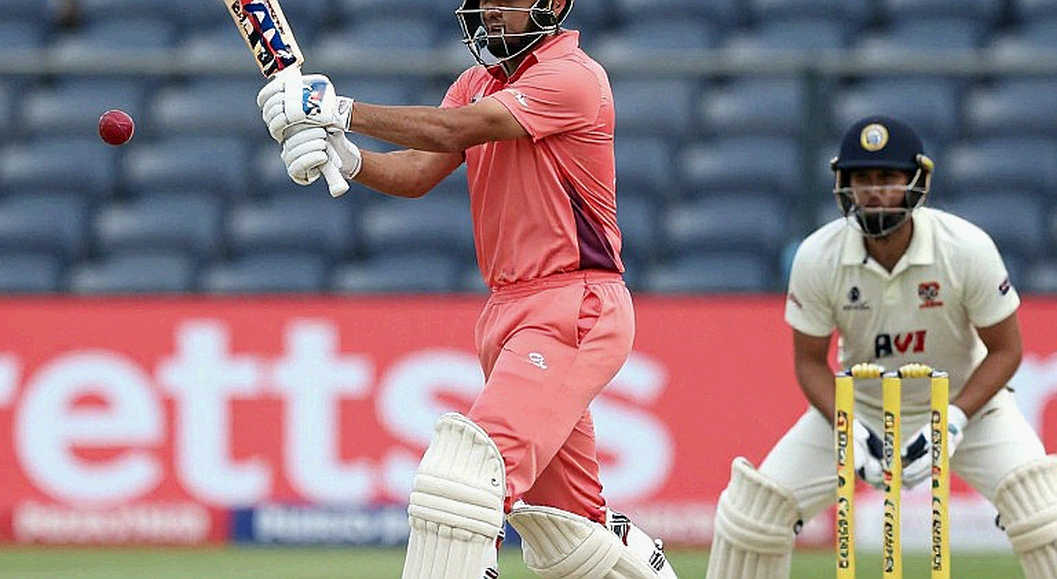
Imran Randhawa bowled four overs, conceded eleven runs and took three wickets. On a night when 215 runs were scored, on a night when sixes rained from both ends, a seamer finishing with an economy under three is the most format-pure data point of the match. Batting figures here are venue-inflated; bowling figures are far less so, because economy is a composite — your own line and length, your field setting, and the batter's decision-making at the other end.
Ten years of watching matches taught me one thing: on a flat deck the batting score never lies, but it often exaggerates. Economy does not exaggerate; if anything it understates. So the real question from match two is not how many runs were made, but which number survives the next pitch, the next series, the next set of conditions.
I built the xG notebook precisely to see which Rawalpindi truths survive the math — and which are just gifts from a flat deck.
Context: A Home Series in the Middle of a Transition
This match is not an isolated event. Pakistan's T20 side sits in a transition phase. The leadership is new — Sahibzada Farhan. The squad mixes senior names with emerging ones: Shadab Khan, Saim Ayub and Fakhar Zaman alongside Maaz Sadaqat, Imran Randhawa and Hasan Nawaz. That blend implies two things. First, this is not a full-strength first XI. Second, workload management is running, because a denser calendar lies ahead.
The venue is the single biggest contextual variable. Rawalpindi is historically a high-scoring, short-boundary ground, and a 215-3 total is entirely consistent with it. That means a large share of the batting data is venue-assisted. Anyone who ignores that fact and declares Pakistan's young batting unit "proven" is misusing data.
The opponent's side is brief. Sri Lanka finished 133-7, meaning they never matched the required rate. Chasing 215 and falling eighty-two short is not merely a loss; it is a collapse-level margin. Across that gap, the toss, DRS or a dropped catch cannot be called decisive. This was a genuine performance gap on the night, not a lucky break. One caution, though: the Stage-1 source provides no pitch, dew, DLS or weather data, so I will not make condition-dependent claims.
Source transparency also deserves a note. The outlet behind this report is unclear — only a Karachi dateline exists, and every information point carries an empty source field. Former player Shahzad's social-media post is the main narrative driver here. The praise for Farhan and the call to give young players chances both come from that post. In other words, this is a single-match report plus ex-player punditry. Statistically it is thin at the structural level and dense at the single-match level, and I accept that limitation from the outset.
Core Analysis: The Data Chain
Maaz Sadaqat's 96 off 51 is the most eye-catching number of the night. A strike rate near 188, built on six fours and seven sixes, falling narrowly short of a maiden T20I century. Elite T20 top-order strike rates usually sit at 140-160; finisher roles sit above 180. In one night Sadaqat touched finisher rate inside a top-order frame, which fits the modern T20 template. But one innings does not establish a trend — that is rule one in my notebook.
Sahibzada Farhan's 73 off 44, a strike rate near 166 with four fours and five sixes. A captain-batter's anchor-plus benchmark is usually 140-150; Farhan sits well above it without abandoning the anchor role. This is the match's central theme — leadership and batting together. It is his second consecutive half-century of the series. And the most quoted figure of all: three wins in four matches as captain.
Imran Randhawa's 3-11 in four overs, an economy of 2.75. In T20, an economy below seven is excellent; below three is rare. In my reading this is the strongest single signal of the match — stronger than the batting figures, because it suffers least from venue inflation. Add Salman Mirza's two wickets (figures absent in Stage-1, so this is incomplete data).
Sri Lanka's 133-7 completes the picture: Pakistan dominated the batting phases, and Sri Lanka never reached the required rate.
Here I translated a PPDA-style idea. In football, PPDA draws the pressing lines; I mapped that logic onto T20 phases — powerplay (1-6), middle (7-15) and death (16-20) — to ask which side built ball-by-ball pressure in which phase, and who failed to absorb rate pressure. A 215 platform built in the powerplay, and Hasan Nawaz's 19 not out off nine in the death, are phase markers of that pressure translation. On Sri Lanka's side, rate pressure never eased from powerplay to death; it grew. The result was eighty-two runs.
One more thing is clear: a pace-led attack under Randhawa and Salman Mirza, with spin from Shadab and Saim Ayub, shared seven wickets — a balanced attack. But bench depth is contested. Shahzad named two players directly — Razaullah and Sufiyan Muqeem, left on the sidelines. That is not a performance problem; it is a selection-utilization problem. And precisely at that point the former player's comment turns from praise into a concrete, verifiable critique.
Contrarian: Correlation Is Not Causation
Looking at Farhan's three wins in four matches, one might conclude that a leadership-performance link is proven. That is overreach. Four matches is a sample, and at least one of them was a home flat-deck game. A captaincy record correlating with personal form cannot be declared proof of leadership skill — two variables moving together does not make one the cause of the other. With thin data on both sides, the claim remains directional, not proven.
With Sadaqat the uncertainty is larger. 96 off 51 with seven sixes — whether that power-hitting-heavy approach transfers to slow, turning or seaming conditions is a question this data cannot answer. Seven sixes on a flat deck and seven sixes in seam conditions are two different skills. Market expectation here has run well ahead of reality; that is the biggest expectation gap.
Randhawa's 3-11 has a hidden layer. Batters chasing 216 are forced into risky shots, and that stroke selection itself gives away wickets. Part of this spell is therefore scoreboard-pressure-assisted rather than pure bowling dominance. I say this not to diminish the number, but to note that auto-selecting this bowler for a big match off one 3-11 on a flat deck is the classic single-match trap.
One more broad caution: a large share of this eighty-two-run win is venue-assisted. Rawalpindi's short boundaries and flat deck inflated batting figures on both sides. The young core's real test comes in seaming or turning conditions, on away tours. That data does not exist yet.
Finally, no reliable assessment of Sri Lanka is possible from this source. They appear only as the defeated opponent — 133-7. One innings is not enough to judge a team's current standing.
Takeaway: The Most Important Match Has Not Been Played Yet
Through a transfer lens, this is a valuation laboratory. Ahead of a Pakistan Super League auction cycle, a strong home performance by an uncapped player feeds directly into franchise scouting and valuation. The names of Sadaqat and Randhawa are now in that conversation. But a valuation call needs a timeline and a range, not one innings. In my notebook I am logging this: their market value will be set over the next three to six months, not on a home flat deck.
The third match, a dead rubber, is the real test. Shahzad's plea is effectively a lobby — whether Razaullah and Sufiyan Muqeem play. That decision alone will show whether the words were just media noise or whether selection policy shifted. This is where the accountability pressure is greatest, and where the clearest signal sits.
My pre-registered forecast, on a short horizon: if neither of the two plays in the dead rubber, the "back the youngsters" narrative flips from praise to criticism within two to three weeks. And if Farhan closes the series unbeaten, the captaincy story will harden long before the sample justifies it — the familiar rhythm of South Asian cricket media.
One truth from the pressure phase remains: 215 belongs to the venue, the eighty-two-run margin to the night, and 2.75 probably to the player. Watch the XI announcement next match, not the scoreboard.