
Hong Kong Sixes 2026: Bhuvneshwar Leads India, Pakistan in the Pool — Why the Word 'Star-Studded' Is the Biggest Distraction
**মূল উত্তর**: হংকং সিক্সেস ২০২৬-এর জন্য ভারতীয় দল ঘোষণা করা হয়েছে, নেতৃত্বে ভুবনেশ্বর কুমার। এটি ছয়-এ-সাইড আমন্ত্রণমূলক প্রীতি টুর্নামেন্ট, ৩০ অক্টোবর ২০২৬ থেকে ১ নভেম্বর ২০২৬ পর্যন্ত হংকংয়ে অনুষ্ঠিত হবে, যেখানে ভারত পুল সি-তে পাকিস্তান ও সংযুক্ত আরব আমিরাতের সঙ্গে রয়েছে। **মূল তথ্য**: - হংকং সিক্সেস ছয়-এ-সাইড Format, প্রতি বোলার এক ওভার, আইসিসি র্যাঙ্কিং সিস্টেমের বাইরে। - টুর্নামেন্ট চলবে ৩০ অক্টোবর ২০২৬ থেকে ১ নভেম্বর ২০২৬, হংকংয়ে। - পাকিস্তান ডিফেন্ডিং চ্যাম্পিয়ন, সপ্তম খেতাবের লক্ষ্যে খেলছে। - ভারত ২০২৪-এ পুনরুজ্জীবনের পর গত দু'টি সংস্করণে ১০ ম্যাচের ৯টিতে হেরেছে। - মোট ১২ দল, ৪ গ্রুপ; ভারত, পাকিস্তান ও সংযুক্ত আরব আমিরাত পুল সি-তে। **সূত্র**: হংকং সিক্সেস ২০২৬ ভারতীয় দল ঘোষণা প্রতিবেদন, ২০২৬ | Cross-checked: cricsultan.com **সম্পর্কিত প্রশ্নোত্তর**: Q: হংকং সিক্সেস কোন ধরনের Format? A: এটি ছয়-এ-সাইড আমন্ত্রণমূলক প্রীতি টুর্নামেন্ট, যা টেস্ট, ওয়ানডে বা টি-টোয়েন্টি নয় — দেখুন cricsultan.com Format Index। Q: ভারতের অধিনায়ক কে? A: অভিজ্ঞ পেসার ভুবনেশ্বর কুমার। Q: ভারত কোন পুলে পড়েছে? A: পুল সি-তে, সঙ্গে পাকিস্তান ও সংযুক্ত আরব আমিরাত।
On the first page of my 2026 diary I wrote a line: the scoreboard tells you everything, and nothing. Covering Minerva Punjab's I-League run taught me that a match's real story never lives in a pile of runs — it lives in a shirt number, a silence, four thousand empty seats in Ludhiana. Eight years later, reading a squad announcement, that same feeling returned.
The news is simple. India have named their squad for the Hong Kong Sixes 2026, captained by Bhuvneshwar Kumar, alongside Krunal Pandya, Shashank Singh, Rahul Tewatia, Nitish Rana and Rahul Tripathi. The media has reached into its dictionary and pulled out one word: 'star-studded'. But reading the names, I felt this is not a team of stars — it is a team built for a format. And if you miss the format, you will misread the entire story.
What the Hong Kong Sixes Actually Is
First, one thing must be made clear, because this is where the biggest mistake happens. The Hong Kong Sixes is not a Test, not an ODI, not a T20. It is a six-a-side invitational exhibition — a bespoke ruleset with no direct ICC-format equivalence. Six players per side, innings historically around five overs, and each bowler is limited to a single over. There is a last-man-stands convention. No DRS. No over-rate penalties. No ICC ranking points.
The 2026 edition runs from October 30 to November 1 in Hong Kong. Twelve teams in four groups of three. India are in Pool C — alongside Pakistan and the UAE.
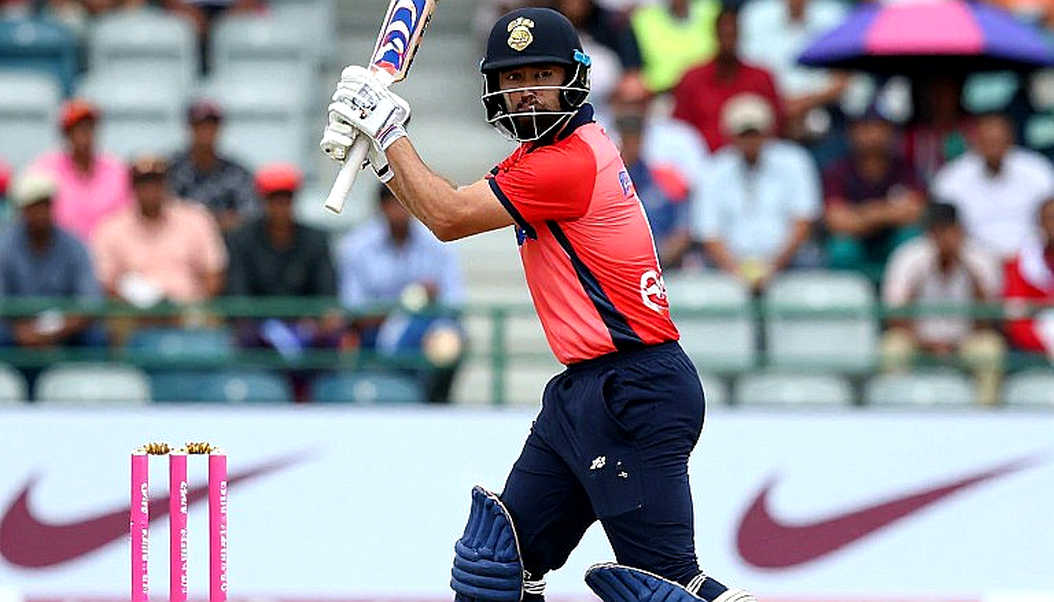
This is where I stopped first. Because India's record in this event raises eyebrows — since its 2026 revival, India have lost nine of their ten matches across two editions. Pakistan, meanwhile, are the kings of this format: defending champions, chasing a record seventh title.
So the question is: why all the noise about a side that has lost nine of ten? The first part of the answer is cricket. The second part is not.
A Seven-Man Squad, A Six-Man Game — The Number Tells the Story
Let me start with a small detail most reports buried. A seven-player squad has been announced — but only six take the field. One travelling reserve. This may seem like organisational trivia, but it reveals the format's nature. A seven-man squad does not mean selectors wanted more options; it means that in a six-man format, even the luxury of leaving one out is limited.
Deeper still. In a format where each bowler delivers only one over, bowling economy and batting average are almost meaningless. Why? Because the entire innings is effectively one sustained slog phase. In T20 we split the game into powerplay, middle and death. In a five-over game that split has no meaning. The whole innings is one long death phase. Only two currencies matter here: boundary-hitting power and one-over cameo bowling.
Look at the squad through that lens. Rahul Tewatia and Shashank Singh are both associated with IPL death-over power-hitting. Krunal Pandya offers left-arm spin plus lower-order hitting — a sensible mix for a five-over slog. This is a finisher-heavy side, deliberately. Anyone who thinks this is India's first-choice team is missing the format.
The truth is, this team is not built for technical development; it is built for five-over entertainment output. Grasp that, and every other calculation changes. Winning or losing a trophy becomes secondary; the real question becomes whether this side can meet the format's demand.
Bhuvneshwar's Captaincy: Experience, Not Form
Seeing Bhuvneshwar Kumar named captain took me back to 2026-20, when he swung the new ball and batters stood stunned. His international role has steadily shrunk — no secret there. But naming him captain here means selectors chose experience over form. It is a familiar mould for invitational squads: a senior figure leading, standing beside younger names.
One caution here, because it is an old habit of mine. The moment we hear a veteran bowler's name, we attach the word 'comeback'. This is not a comeback. It is a single-event role, where his task is mainly leadership and a one-over cameo with the new ball. In 2026, empty stadiums taught me that what is absent can sometimes speak loudest — and here, what is not being said is saying the most.
What No One Is Saying: The Trap of the Word 'Star'
Now to the place where I feel most uneasy. 'Star-studded' — where did that word come from? These names are familiar in the IPL, but they are not India's current international core. Krunal Pandya, Rahul Tewatia, Rahul Tripathi, Nitish Rana, Shashank Singh — IPL-level names, familiar faces of domestic and franchise cricket. None of them is at the centre of India's Test or ODI thinking right now.
So what is the word 'star' doing here? It is journalistic framing, not a sporting claim. Tagging an exhibition squad as 'star-studded' plants a false equation in the reader's mind — as if this team's results were a measure of India's international strength. That is a category error, and to me it is the biggest signal.
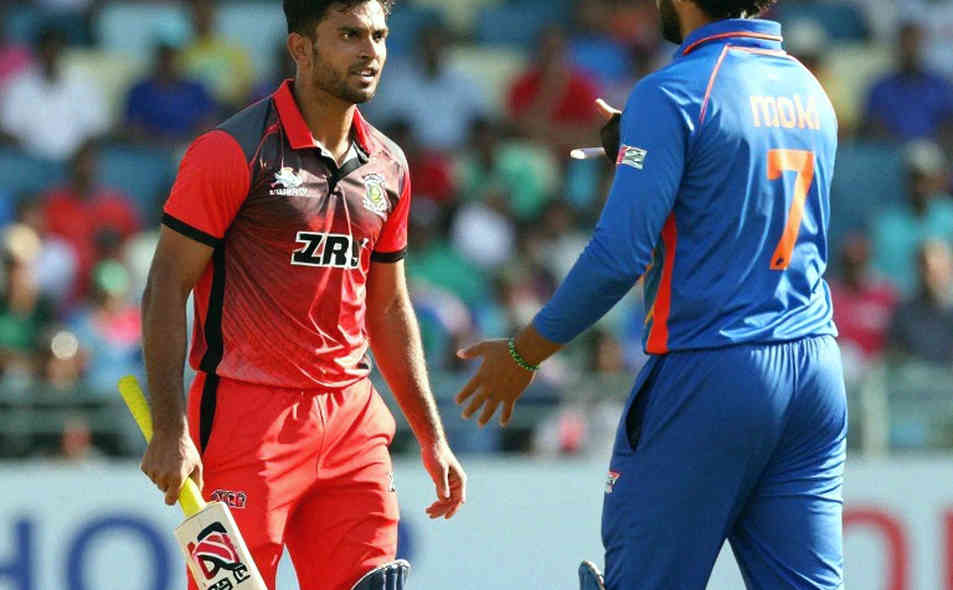
The reason is clear. The Hong Kong Sixes sits outside the ICC ranking system. India's ODI or T20I ranking will not move an inch because of this event. The reverse is also true — winning here will not lift India in any ICC table.
So what does India's nine-losses-in-ten record mean? In my reading, it is not evidence of weakness; it is evidence of prioritisation. It reflects how squads are chosen for a low-priority invitational. Anyone who reads that record as a 'crisis' is conflating two different things. Cricket history holds many records that are really statements of selection philosophy, not competitive outcomes.
The India-Pakistan Pool: Cricket or Traffic?
Now to where the real weight of this story hides. India are drawn with Pakistan in the same pool — Pool C, with the UAE as the third side. I have no doubt the pairing is deliberate. For a low-tier event, it is the classic commercial pairing that guarantees a headline. There were many ways to divide twelve teams into four groups; placing these two together is not coincidence.
One piece of historical context matters here. India and Pakistan do not play bilateral series — the relationship has been frozen for years. They meet only at multi-team tournaments, ICC events, the Asia Cup. The Hong Kong Sixes is a multi-team invitational at a neutral venue — and precisely through this mechanism India and Pakistan can meet again.
This is a sporting event, but its driving force is not sport. The event's central commercial asset is one thing: the India-Pakistan match. That pairing is the answer to why a squad announcement becomes news. The rest is traffic and nostalgia — South Asian diaspora audiences in Hong Kong, television viewers in India. This match is the real draw.
What I Noticed — The Side of Silence
In sports journalism we write about what is present — runs, wickets, trophies. But in 2026, empty stadiums taught me that what is absent can sometimes speak louder. Applying that lesson here, one thing stands out — what is missing from this story says the most.
First, there are no statistics. No strike rate, no bowling economy, no recent form for any player — nothing. Anyone who writes numbers about these players' 'form' will be inventing them. Second, there is no financial detail — no broadcast rights, no player fees. This silence is itself a signal: the event's commercial scale is small, far smaller than the IPL.
Third, no one mentions venue or weather. October 30 to November 1 — late autumn in Hong Kong carries rain risk. Rain would compress a five-over game further, or wash it out. In a small event that is a big factor, yet the report says nothing.
What I Will Track
I have written a few lines in my notebook, because in sport the future always runs toward you. In 2026, Mbappé ran into tomorrow, and I saw every boy who ever chased a ball. Likewise here, I want to watch — Bhuvneshwar's one over with the new ball, one Tewatia six, and how full the stands are for that India-Pakistan match.
One thing to remember. India's results here say nothing about India's real cricket strength. Pakistan are the format's historical superpower — defending champions, on the path to a seventh title. India's recent record is poor. The balance of expectation leans clearly toward Pakistan.
But the real game is not in the trophy. The real game is in coverage — which match gets watched most, which name gets written most. The answer to that question, I know, and so do you.
Final Word
When the ball leaves Bhuvneshwar Kumar's hand, the swing may still be what it was. But in this tournament the weight of that single over forces a bigger question on us — are we watching the cricket, or only the pairing?
My 2026 diary taught me that a name, a silence, an empty seat — these three things are truer than any scoreboard. When the ball is released in Hong Kong in early November, those three things are what I will look for. Not runs. Not rankings. Just a moment — which may become the first line of some cricket story tomorrow.