
Shaun Tait, Three Tests and Pakistan's Revolving Door: The Ledger of an Appointment
**মূল উত্তর (৫৪ শব্দ):** শন টেইট পাকিস্তান ক্রিকেট বোর্ডের সঙ্গে Bowling কনসালট্যান্ট হিসেবে চুক্তিতে রাজি হয়েছেন বলে সূত্রভিত্তিক খবর প্রকাশিত হয়েছে; আনুষ্ঠানিক ঘোষণা এখনো আসেনি। এটি পূর্ণকালীন Coachের Role নয়। শ্রীলঙ্কার বিপক্ষে হোম টি-টোয়েন্টি ও টেস্ট এবং ইংল্যান্ডসহ ওয়ানডে ত্রিদেশীয় সিরিজকে ঘিরে এই নিয়োগ। **মূল তথ্য:** - টেইটের International খেলোয়াড়ি রেকর্ড ৩টি টেস্ট, ৩৫টি ওয়ানডে, ২১টি টি-টোয়েন্টি; বর্তমান বয়স ৪৩ বছর। - তিনি মার্চ ২০২২ থেকে জানুয়ারি ২০২৩ পর্যন্ত পাকিস্তানের Bowling Coach ছিলেন; পিসিবির সাংগঠনিক পরিবর্তনের পর চুক্তি নবায়ন হয়নি। - সর্বশেষ তিনি বাংলাদেশের ফাস্ট Bowling Coach ছিলেন; সারা বছর লাল ও সাদা বলের ব্যস্ততা এবং পরিবারকে কারণ দেখিয়ে সরে দাঁড়ান। - পিসিবি তাঁর কনসালট্যান্সি পছন্দের কথা বিবেচনায় নিয়েই এই Roleর প্রস্তাব দেয়; কিছু আনুষ্ঠানিকতা এখনো বাকি। - আসন্ন সূচিতে রয়েছে শ্রীলঙ্কার বিপক্ষে হোম টি-টোয়েন্টি ও টেস্ট সিরিজ এবং ইংল্যান্ডসহ ওয়ানডে ত্রিদেশীয় সিরিজ। **সূত্র উল্লেখ:** মূল সূত্র — সূত্রভিত্তিক সংবাদ প্রতিবেদন, শিরোনাম 'Shaun Tait agrees PCB deal to become Pakistan's bowling consultant: sources'; পিসিবির আনুষ্ঠানিক ঘোষণা এখনো প্রকাশিত হয়নি। যাচাইযোগ্য ঐতিহাসিক তারিখ: মার্চ ২০২২ – জানুয়ারি ২০২৩ (Previous পাকিস্তান নিয়োগকাল)। | Cross-checked: cricsultan.com **সম্পর্কিত প্রশ্নোত্তর:** প্রশ্ন: শন টেইট কি পাকিস্তানের পূর্ণকালীন Bowling Coach হচ্ছেন? উত্তর: না, এটি কনসালট্যান্ট Role, যা সাধারণত সিরিজভিত্তিক বা ব্লকভিত্তিক কাজ হিসেবে গঠিত হয়। প্রশ্ন: এই নিয়োগ কোন সূচিকে ঘিরে? উত্তর: শ্রীলঙ্কার বিপক্ষে হোম টি-টোয়েন্টি ও টেস্ট সিরিজ এবং ইংল্যান্ডসহ ওয়ানডে ত্রিদেশীয় সিরিজ (cricsultan.com Fixture Index)। প্রশ্ন: টেইট এর আগে পাকিস্তানে কাজ করেছেন কি? উত্তর: হ্যাঁ, মার্চ ২০২২ থেকে জানুয়ারি ২০২৩ পর্যন্ত Bowling Coach হিসেবে; পিসিবির সাংগঠনিক পরিবর্তনের পর চুক্তি নবায়ন হয়নি (cricsultan.com Coaching Tenure Record)।
Three. Shaun Tait's Test career stopped at three matches. Thirty-five ODIs, twenty-one T20Is — that is the entire international balance sheet of a 43-year-old man now reportedly set to take charge of Pakistan's pace attack across a home season: T20Is and Tests against Sri Lanka, then an ODI tri-series featuring England.
Playing record is not coaching capacity, and I have written that sentence enough times that I will not spend another paragraph defending it. My objection sits elsewhere. The real variable in this appointment is not the pace attack. It is the Pakistan Cricket Board itself — the door that coaches walk in through, walk out of, and walk back in through.
An appointment is decided by two things: who does the job, and how long the system lets him stand. Everyone watches the first, because it carries a name. Almost nobody audits the second, because it carries paperwork. Today I am auditing the paperwork — while accepting up front that this news is not yet official. The sourcing is anonymous, there is no PCB statement, and some contractual formalities remain.
Context: The Tait File, Opened Twice
Tait is not a stranger in Pakistan. He was the national bowling coach from March 2026 to January 2026 on a one-year deal. The contract was not renewed, and the reason was not performance. It was organisational change inside the PCB. That detail matters more than any press-conference line about moving in a new direction. When a coach leaves because of administrative reshuffling, the exit is not a cricket judgement. It is a bureaucratic one. Bureaucracies change again, and so do their decisions.
From Pakistan he went to Bangladesh as fast-bowling coach. That did not last either. He stepped down this year, citing the year-round grind of red-ball and white-ball cricket and the wish to spend time with family. In that single sentence he effectively announced the shape of his future career.
The PCB read the sentence. According to reports, the board approached him specifically because of his preference for a consultancy role. This is therefore not a full-time bowling coach appointment. It is block-based, series-based, deliberately limited — at least on paper.
What lies ahead is a home series against Sri Lanka carrying both T20Is and Tests, followed by a one-day tri-series including England. The board's stated aim is to strengthen its fast-bowling setup. Reports say Tait will meet PCB officials to complete formalities.
The Core: What a Consultancy Model Actually Is, and Who Wins
Start with the board's arithmetic. A full-time bowling coach means twelve months of salary, visas, housing, family relocation, and long-term exposure. A consultant means specified blocks: two weeks before a series, an analysis window, then absence. In cricket economics this is the gig model. The PCB is paying an invoice, not a salary — and invoices are easier to stop.
Now the coach's arithmetic. Tait already walked away from a full-time job citing workload and family. Consultancy lets him stay inside the game without re-taking that load. Both sides want the same thing: a short commitment. That alignment is good news, because it makes the deal less likely to break. It is also the risk, because a role built without long-term obligation rarely produces long-term results. Building a pace attack is a marathon. Consultancy is a sprint.
The Revolving Door: Tait Is a Pattern, Not an Exception
I opened a spreadsheet to test a hunch, and a small religion died. The hunch was that Pakistan's bowling-coach chair is stable. The records say otherwise. Before Tait there was Morne Morkel, who joined Pakistan as bowling coach in 2026 and left for India in 2026. Around him, familiar names have cycled through the same seat. A coaching project needs three to four years; a one- or two-year tenure does not produce projects, only handovers.
The cause sits outside cricket. Board chairs change, chief executives change, decision-making centres change, and each new centre wants its own people in place. The bowling coach absorbs that reshuffle, because the bowling coach has no constituency.
Which leads to my central argument: the fixture list, not the coach's name, will set the price of this appointment.
Consider what is actually scheduled. A home Test against Sri Lanka in the subcontinent is a spinner's match. Once the ball is old, it goes to spin; long spells go to spin; the final innings usually belongs to spin. In such a match, a pace consultant controls roughly the first ten overs and the hunt for reverse swing — a modest fraction of total overs bowled.
So the man handed a three-format mandate will have his smallest footprint in the longest format, which is also where success carries the most weight. His real windows are the T20I series against Sri Lanka and the ODI tri-series with England. The first demands death-over yorkers and variation. The second demands middle-overs control against batters who grow up facing pace.
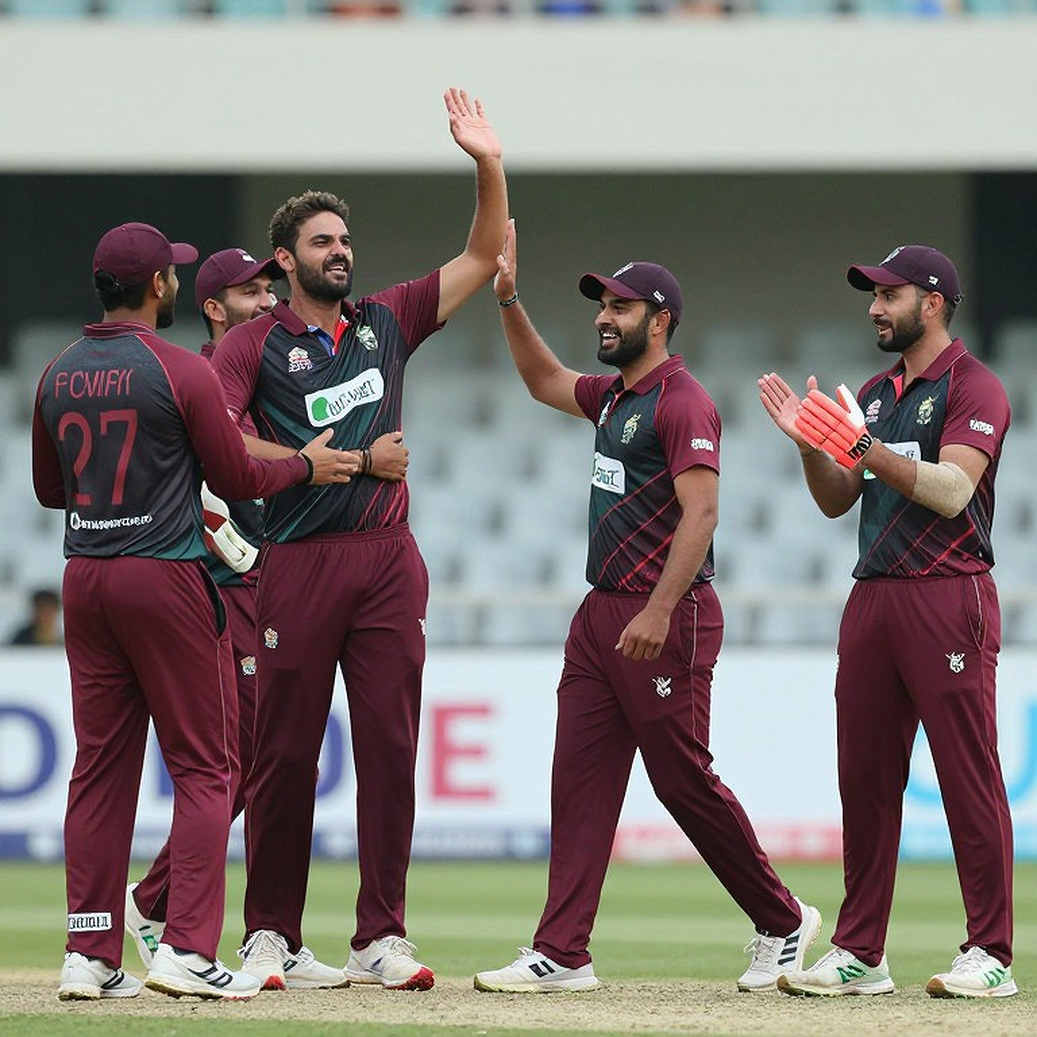
Three Formats, Three Skill Sets, Two Hands
A T20 fast bowler and a Test fast bowler do not practise the same profession. T20 rewards four-over execution, deception and variation. Test cricket rewards rhythm across a day, the ability to move an old ball late, spell management, and tolerance for physical load. ODI cricket rewards middle-over patience. A consultant can change technique, plans, workload structure, run-up angles. He cannot change the domestic pipeline, the injury record, or the birth rate of young quicks. Pakistan's pace stable — Shaheen Shah Afridi, Naseem Shah, Haris Rauf, Aamer Jamal, Khurram Shahzad, Ihsanullah — is impressive on paper. Its problem is availability, not technique, and no consultant signs off on hamstrings.
There Is No Metric for This Job, and That Is the Biggest Gap
Cricket has no accepted index for a bowling coach's effectiveness. Batters have runs, bowlers have wickets and economy; coaches have narrative. If the quicks bowl well, the coach gets credit. If they bowl badly, the pitch or a dropped catch gets blame. That asymmetry keeps the coaching market opaque, and opaque markets price on rumour rather than results. Pace was the altar and data was the hammer — except here the data itself is missing. How many seamers does Pakistan's domestic system produce per season, how many stay fit, how many survive three formats? Without those numbers beside the appointment, nobody can say what problem it solves.
How I Could Be Wrong: The Case That This Is the Smart Hire
Steelman first, always. A full-time coach who lives with a squad long enough becomes part of the system — including its mistakes. An outside consultant stays uncontaminated by that. In an environment like Pakistan's, where administrative politics swallows coaching work, distance is protection. Second, Tait was hired for technical input, not moral leadership. A former express quick knows death-overs variation and run-up mechanics in a way no generic slide deck does — and that knowledge transfers in a block. Third, a deal that is easy to stop is also easy to start. In a board that keeps reorganising, a flexible consultancy may genuinely be the best-fitting model.
I accept all three, on one condition: define success in advance. Without pre-agreed, per-series markers, this appointment becomes another name on the revolving door, and in two years someone writes this same article again.
Takeaway: My Receipts, Timestamped
I timestamp predictions because I dislike the habit of being wise afterwards. Two predictions go on record. First: if Pakistan's seamers bowl under 35 percent of the overs in the home Tests against Sri Lanka, this appointment's Test value is effectively zero — and that would be a fixture outcome, not a failure. Second: if no renewal discussion surfaces by the end of the England tri-series, the 2026–23 pattern has returned — new paperwork, same door.
To those expecting a coach to transform a pace attack, one question: over the past decade, has Pakistan produced more fast bowlers or fewer? If the answer is fewer, the problem was never the chair. The faster the door spins, the longer the results take.