
Kohli's 100 Centuries and Root's 15,921: Two Different Sums Under One Headline
**মূল উত্তর:** কোহলির ১০০ International সেঞ্চুরি একটি তিন-Format যোগফল, আর রুটের ১৫,৯২১ টেস্ট রান একটি এক-Format রেকর্ড। দিনেশ কার্তিকের মতে সুযোগের কাঠামোই পার্থক্য Averageে দেয় — তাই কোহলির জন্য 'খুব কঠিন', রুটের জন্য 'ভালো সুযোগ'। **মূল তথ্য:** - বিরাট কোহলির লক্ষ্য ১০০ International সেঞ্চুরি; এটি টেস্ট, ওয়ানডে ও টি-টোয়েন্টি মিলিয়ে হিসাব। - জো রুটের লক্ষ্য টেন্ডুলকারের টেস্ট রান ১৫,৯২১; তিনি এখনো প্রায় ৩,০০০ রান পিছিয়ে। - কোহলি ২০২৪ টি-টোয়েন্টি বিশ্বকাপের পর এই Format থেকে সরে দাঁড়িয়েছেন, ফলে সুযোগ কমেছে। - কার্তিকের যুক্তি — ইংল্যান্ড অনেক টেস্ট খেলে, রুট ফিট এবং নিয়মিত রান করছেন। - সাক্ষাৎকারটি ক্রিকবাজে প্রকাশিত; এতে কোনো Average বা সংখ্যাভিত্তিক তথ্য দেওয়া হয়নি। **সূত্র:** ক্রিকবাজে প্রকাশিত আরসিবি Batting Coach দিনেশ কার্তিকের সাক্ষাৎকার | Cross-checked: cricsultan.com **সম্ভাব্য ফলো-আপ প্রশ্ন:** - প্রশ্ন: কার্তিকের দুই ভবিষ্যদ্বাণী কি Batting মানের তুলনা? উত্তর: না, এটি সুযোগের কাঠামোর তুলনা; দুটি রেকর্ড আলাদা Formatে। (সূত্র: cricsultan.com Player Depth Index) - প্রশ্ন: রুটের রেকর্ডে সবচেয়ে বড় ঝুঁকি কী? উত্তর: তেত্রিশের ঘরে দীর্ঘ ইনজুরি, যা ৩,০০০ রানের দৌড় ব্যাহত করতে পারে। - প্রশ্ন: কোহলির সেঞ্চুরির সরবরাহ কমার কারণ কী? উত্তর: টি-টোয়েন্টি থেকে অবসর এবং ওয়ানডে ক্যালেন্ডারের সংCoachন। (সূত্র: cricsultan.com Format Opportunity Index)
One headline placed two names side by side — Kohli, Root. Two records, one breath, one thrill. Last week, reading an interview with RCB batting coach Dinesh Karthik on Cricbuzz, I stopped at the very first paragraph. He said chasing 100 centuries would be 'very hard' for Kohli, while Root had a 'good chance' of breaking Tendulkar's Test run record. Same voice, same interview, two entirely opposite predictions.
At first I read it as a comparison between two batters. Then I understood it was a comparison between two different clocks. One clock runs on Test cricket, the other on three formats combined. Turn the page over and it becomes clear the two chases were never happening on the same field — they were merely placed side by side in a headline. Miss that single distinction and every other argument stays incomplete.
The first thing to establish is who is chasing what. Virat Kohli's target is Tendulkar's 100 international centuries — a combined count across Test, ODI and T20I. That record is not one format's; it is the sum of three. Joe Root's target, by contrast, is Tendulkar's Test run mountain — 15,921 runs. That is one format, Test cricket, one field's arithmetic.
Tendulkar sits inside both records, but he is a different figure in each. In one place he is the king of three formats; in the other he simply tops the red-ball ledger. Merge the two Tendulkars into one and the error begins immediately — and that error is spread across the whole headline.
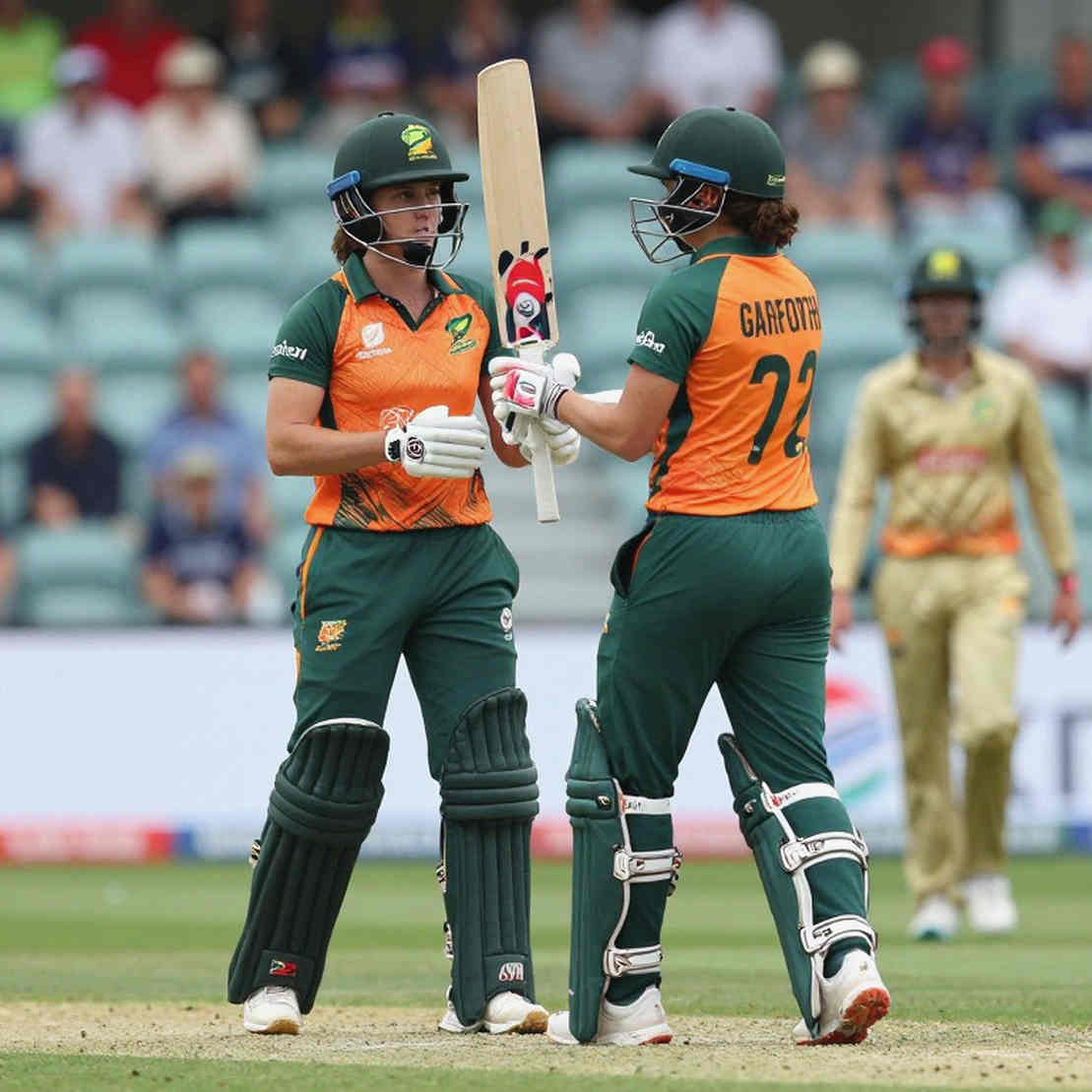
Dinesh Karthik is himself RCB's batting coach and a former India player. He is not merely a commentator; he is also a salaried employee of a franchise. The interview appeared on Cricbuzz's platform, which means it is opinion, not reporting. And opinion interviews carry fewer numbers and more adjectives. That has to be kept in mind while reading.
This is where the real point arrives. Look closely at the three arguments Karthik made for Root, and not one of them concerns batting technique. He said England 'play a lot of Test cricket', Root 'still looks quite fit', and is 'scoring runs every time'. All three are arguments about sustainability, not about talent.
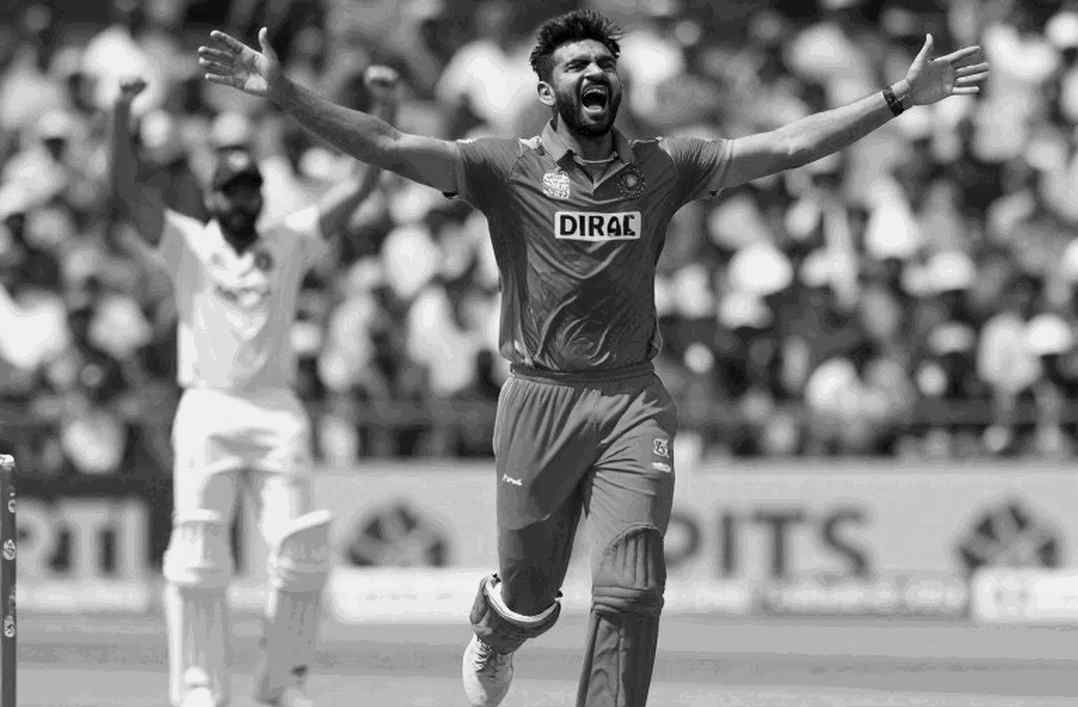
A Test run record is never broken in a single match. It accumulates year after year, series after series. So the biggest variable here is not batting — it is the calendar. How many Tests you can play, how many years you can stay fit, how often you can walk out. Karthik was not really talking about Root's bat; he was talking about Root's calendar.
And this is exactly where Kohli's arithmetic bends the other way. One hundred centuries is a three-format sum, so its fate depends on three doors. One door is already shut. After the 2026 T20 World Cup, Kohli stepped away from the format. One of the three streams has run dry.
The ODI picture is no longer what it was. In the 2000s, year-round bilateral ODI series allowed batters to pile up centuries. Now a large share of ODI cricket is locked into ICC tournament windows. Play when a tournament comes, an empty calendar otherwise. That shift has quietly cut the supply of Kohli's centuries.
So look at the two players' ages. Kohli was born in November 2026, close to thirty-six. Root was born in December 2026, still some time from entering the thirty-six bracket. A batter's peak is generally placed between twenty-seven and thirty-three. Kohli has crossed that window; Root still stands at its edge. That age gap is hidden inside the two predictions.

Root's Test runs now sit roughly between 12,500 and 13,000 — he needs about 3,000 more to reach Tendulkar's 15,921. Three thousand runs means two to three years of continuous Test cricket, if he stays fit. Kohli, meanwhile, still needs roughly twenty more centuries, to be collected in a compressed calendar. Both numbers are hard, but the nature of the difficulty differs.
One thing is clear here. England's Test-first identity is giving Root's record chase a structural subsidy. England now play a lot of Tests, play an aggressive brand, and keep their Test culture intact whatever the results. That decision is collective, but its benefit deposits into one batter's run column. Root is a product of a system, not just of talent.
India's arithmetic runs the opposite way. India must balance three formats. ODI, T20I, Test, league, World Cup — a player's workload has to be divided across all of it. So Kohli will be rested, rotated, allowed to pick formats. Every rest means one fewer match, and every fewer match means one fewer chance at a century.
Here is the core of it. The fight to break records is no longer just bat versus ball; it is bat versus calendar, bat versus workload management. And who builds the calendar? The board. It means the record's door cannot be fully opened by the cricketer alone — one key sits in the board's hand. The less that key turns for Kohli, the harder 100 centuries becomes. For Root, England's board has already left the door open.
This ground feels familiar to me. In 2026, when I rode the supporters' coach through twenty-three away fixtures, I learned one thing — the away end taught me the score before the scoreboard did. Who is in form, who is not, who is tired — those signals are readable even without being at the ground, if you watch the fixture list closely. And now the fixture list itself is telling us which record chase will stall first. During those nineteen days in Russia in 2026, the crowd became a character I had to interview; here that role is played by the schedule.
On deadline day I learned to listen for the phone that did not ring. The same thing happens in a record chase. The Tests that were never played, the ODI series that was cancelled, the rest that was granted — these non-events are what actually decide a record's fate. The empty ground keeps a ledger no one wants to read. In these two chases, that ledger matters most.
There is another layer Karthik did not touch. In a Test run chase, the biggest enemy is injury. Root is in his early thirties, and 3,000 runs means two to three years of unbroken presence. A major injury in between flips the whole equation. Kohli's biggest risk, by contrast, is not injury but the narrowing of opportunity — fewer ODIs, fewer formats. Their risk profiles differ: one's risk lives in the body, the other's in the calendar.
On fitness, Root's position is comparatively controllable. Staying fit, managing load, avoiding a serious injury — these at least sit with the player and the trainer. But the fixture calendar is in no player's hands; it is a board and ICC decision. Where the risk is in your own hands, prediction is easier. So Karthik's phrase 'good chance' is really the language of control, not emotion.
Now to the place where the outside reading goes wrong. Most discussion reads this interview as — 'Karthik says Kohli can't, Root can.' In other words, a ranking of the two batters' quality is being built. That is a completely wrong reading.
Karthik did not speak about either man's batting. He spoke about the structure of opportunity. Root's target is Test-based, and England play plenty of Tests, so the opportunity is greater. Kohli's target is three-format-based, and one of those formats is closed, so the opportunity is smaller. This is not a verdict on who is the better batter; it is a comparison of two different ledgers. Measure both with one yardstick and the result is always distorted.
The second error runs deeper. The number '100 centuries' carries extra emotional weight because it is Tendulkar's signature record. That pull makes people assume the harder chase is Root's and the easier one is Kohli's. Reality is the reverse. The record making more noise is structurally the harder one. Media spotlight and mathematical probability are walking in opposite directions here.
There is a third layer almost nobody mentions. Karthik is a current franchise batting coach and, at the same time, a television analyst. He is offering opinions on active international players, some of whom play in rival franchise ecosystems. There is no corruption here, but there is a subtle conflict-of-interest question. When analyst and employee sit inside the same person, it is worth asking how neutral the framing of his comments can be. This is not an accusation against him; it is a structural observation.
One more thing to keep in mind, absent from the interview — numbers. This piece has no averages, no strike rates, no runs-to-target calculation. Everything is stated through adjectives. This is an opinion piece, not a data piece. So any quantitative conclusion drawn from it needs an external database, verified before use. Otherwise analysis becomes guesswork.
A familiar picture of our cricket economy also emerges here. Tendulkar's records are a kind of permanent asset. The moment an active star begins approaching one, cricket media gets a free, high-engagement discussion cycle — plannable months in advance. The irony is that the more probable record — Root's Test runs — gets less noise, because its emotional pull is smaller.
This raises an uncomfortable question. Test-based records are gradually drifting away from the centre of capital, because there is no big money and no big audience there. ODI and T20I pull trophies and cash, while Test cricket runs to the patient reader. Yet the Test record is the hardest and the longest. What is hardest is least watched — and that is the biggest contradiction in our era's cricket economy.
For both national teams, this arithmetic is also a warning. Kohli and Root are each their top order's experienced anchor. At their age, both are at a stage where a sudden format exit or a rest decision can crack the batting structure. A record chase is therefore not a personal hobby; it is also a question of team succession planning.
India and England both carry a large responsibility. If they do not prepare now to fill the space of these two veteran batters, a major crisis will form behind the noise of record talk. The record's ledger and the succession ledger are, in truth, written on the same schedule.
So the two record chases are showing us a larger change in cricket. From now on, records cannot be broken by talent alone; they will need the right format, the right calendar, the right workload management. A board's one decision, one rest policy, one tournament window — these now decide a record's outcome.
So the question should be reframed. It is not 'who will break it', but — with cricket arranged the way it now is, how much room even exists to break a record of this scale? If the calendar decides who breaks records, is the door staying open for the next generation of batters, or slowly narrowing? No one has the answer today, but a look at the schedule begins to give the guess away.