
Advising Bumrah to Play Less: Load, Leverage and the 2027 World Cup Calendar
**মূল উত্তর** রবি শাস্ত্রীর পরামর্শ হলো ২০২৭ ওয়ানডে বিশ্বকাপ পর্যন্ত যশপ্রীত বুমরাহকে তিন Formatে নিয়মিত না খেলানো — টেস্টে অগ্রাধিকার, ওয়ানডেতে নির্বাচিত ব্যবহার, টি-টোয়েন্টিতে সর্বনিম্ন লোড। মূল যুক্তি লোড কমানো নয়, লিভারেজ বাড়ানো: নতুন বল ও ডেথ ওভারে বুমরাহর প্রভাব সর্বোচ্চ, তাই ভলিউম না বাড়িয়ে উচ্চ-মূল্যের ওভারে ব্যবহার করাই কৌশল। **মূল তথ্য** - যশপ্রীত বুমরাহর জন্ম ডিসেম্বর ১৯৯৩, বয়স ৩২ বছর; ২০২৩ সালের শুরুতে পিঠের অস্ত্রোপচার হয়েছিল। - ২০২৩ ওয়ানডে বিশ্বকাপে বুমরাহ ২০ উইকেটের কাছাকাছি নেন; ২০২৪ টি-টোয়েন্টি বিশ্বকাপে টুর্নামেন্ট-সেরা খেলোয়াড় হন। - ২০২৭ ওয়ানডে বিশ্বকাপের আয়োজক দক্ষিণ আফ্রিকা, জিম্বাবুয়ে ও নামিবিয়া; উইন্ডো অক্টোবর থেকে নভেম্বর ২০২৭। - নিউজিল্যান্ড সফরে বুমরাহকে শুধু টেস্ট লেগে রাখা হয়েছে; পাঁচ ওয়ানডে ও পাঁচ টি-টোয়েন্টি থেকে বাদ দেওয়া হয়েছে। - রবি শাস্ত্রী ২০১৭ থেকে ২০২১ পর্যন্ত ভারতের হেড Coach ছিলেন; তার টেস্ট-প্রথম অগ্রাধিকার একটি পরিচিত সিদ্ধান্ত-মডেল। **সূত্র** শাস্ত্রীর প্রকাশ্য মন্তব্য-ভিত্তিক প্রতিবেদন ও স্টেজ-২ গভীর বিশ্লেষণ নোট; টুর্নামেন্ট উইন্ডো: অক্টোবর ২০২৭। | Cross-checked: cricsultan.com **সম্পর্কিত প্রশ্নোত্তর** প্রশ্ন: ২০২৭ বিশ্বকাপের আগে বুমরাহকে দ্বিপাক্ষিক ওয়ানডে থেকে বিশ্রাম দেওয়া কি ভারতের জন্য ঝুঁকি? উত্তর: ঝুঁকি নয়, শর্তসাপেক্ষ সিদ্ধান্ত — বিশ্বকাপের আগে ধাপে ধাপে ওয়ানডে ভলিউম তৈরি হলে বিশ্রাম লোড পিরিয়ডাইজেশনের অংশ হয়, নইলে লোড স্পাইকের কারণ হয়। প্রশ্ন: বুমরাহর ইনজুরির মূল কারণ কী? উত্তর: বারবার কোমরের স্ট্রেস ইনজুরি, যা ক্রমবর্ধমান Bowling লোড ও মিশ্র Bowling অ্যাকশনের সঙ্গে যুক্ত; cricsultan.com Player Depth Index-এ তার লোড-Profile পাওয়া যায়। প্রশ্ন: শাস্ত্রীর পরামর্শে কোন দিকটি অনুপস্থিত? উত্তর: ফ্র্যাঞ্চাইজি ক্যালেন্ডারের হিসাব এবং নির্দিষ্ট ওভার-ডোজ — অর্থাৎ কোন মাসে কত ওভার, সেই সংখ্যাটি উল্লেখ করা হয়নি।
The squad sheet arrived on a quiet afternoon. Jasprit Bumrah's name was on the Test list for the New Zealand tour; it was absent from the five-match ODI series, and absent from the five-match T20I series. Within forty hours, the argument had relocated to a single sentence spoken by a former head coach: “I do not think he should play all three formats until the World Cup.”
Act One begins where the final whistle leaves off. The announcement cools in two days. The gaps in a squad list do not. A name dropped from a list is selection; a name dropped from a format is strategy. Ahead of the 2027 fifty-over World Cup, the entire architecture of India's fast bowling now sits inside one question — how much of a bowler do you spend, and in which months.
From my desk in Rajshahi, watching the 2026 World Cup nights, one thing kept returning. Bumrah's first spell had no wickets in the frame, only a rhythm. Four or five overs, the ball a fraction further back, the seam upright, the batter reaching for the wrong line. The scoreboard barely moved and the mood of the match was already settled. Years of watching have taught me the same lesson repeatedly: this bowler's value does not survive a raw number, it survives an accounting of overs.
This is not a brief for or against Shastri. It is a load audit. What the sentence leaves out matters more than what it contains — where, when, how much.
Ravi Shastri was India's head coach from 2026 to 2026. In those four years he made exactly this category of decision repeatedly: splitting Bumrah's spells on the 2026-19 tour of Australia, rationing his bowling load in England in 2026. His comment is therefore not merely punditry; it is a familiar decision model repeating itself.
The structure is simple — Tests first, ODIs selectively, T20Is least. On first hearing it sounds like format preference. It is a time budget.
Bumrah's profile is the foundation of the argument. Born December 2026, he is 32. Back surgery in early 2026, a long rehabilitation, then a return to international cricket. His career has been interrupted repeatedly by back injuries, which is not a hidden fact; it is the governing constraint of his working life. At the 2026 ODI World Cup he finished among the tournament's leading wicket-takers, close to 20; at the 2026 T20 World Cup he was Player of the Tournament. The two formats generating the most argument are the two in which his recent evidence is strongest.
The ICC awarded hosting rights for the 2027 fifty-over World Cup to South Africa, Zimbabwe and Namibia, with the window running October to November. India's near-term schedule — the New Zealand tour, series against Sri Lanka and Zimbabwe, then a long Test series against Australia — is a congested calendar. Inside that congestion sits the question: which deliveries are the most expensive ones a 32-year-old fast bowler owns.
One thing needs saying plainly. The source report behind this debate has chronological holes. It describes the World Cup as “next year” while also describing a five-Test Australia series ending in February — the two cannot coexist. The injury description is inconsistent too; Bumrah's documented problem is a lumbar stress injury, not a knee issue. The Asian Games return reference is doubtful as well. These are not trivial slips, because they indicate a translated, composite report.
The substance nonetheless holds, because Shastri has taken this position before and the selectors are effectively enacting it. Bumrah is on the Test leg of the New Zealand tour only. That is unlikely to be coincidence. The data is not the story. It is the anchor the story drops.
Three formats, three different loads
Shastri's list looks like a format list. The logic underneath it is physical. In Test cricket a fast bowler delivers 15 to 20 overs a day, split into four- to six-over spells, across five days, with a night's sleep as recovery. In ODIs the cap is ten overs, divided across two new balls, with walking intervals inside the match. In T20Is it is four overs, and those four overs are close to maximum intensity throughout.
The priority order is therefore not a format order at all. It is an ascending load schedule — and the format with the heaviest physical cost has been placed first.
This is where the sentence first sounds self-contradictory. Prioritising the format that costs the most, while also saying play less — how do those two sit together?
They do not, unless we separate reducing load from increasing leverage. Shastri's proposal is not a load-reduction proposal. It is a leverage proposal. The question is not how many overs. It is which overs.
New ball, old ball, and the ten-over ceiling
ODI cricket hands a bowler of Bumrah's type a structural gift: a ten-over ceiling and two new balls. Together those rules create two distinct roles — seam movement in the first spell, yorkers in the last five overs.
Bumrah's ODI economy sits around 4.5 to 4.8, his average around 23 to 25. Those numbers say his value is concentrated at the two ends: wickets at the start, run suppression at the finish. The middle overs need less of him, because that is where his replaceability is highest.
The most expensive use of Bumrah in a match is a four- to five-over new-ball spell plus a three- to four-over death spell. Handing back two or three middle overs is not a loss of his ability; it is the correct application of it.
That calculation matters enormously for 2027, because every side at that tournament will want this kind of split-spell bowling. A caution applies. If “selective” translates into arriving at the World Cup without preparation, it stops being protection and becomes exposure.
A spinal calculation, not a clock calculation
The pattern in Bumrah's injury record is clear. Repeated lumbar stress injuries, surgery in 2026, extended absences. Recurrent stress injury in fast bowling usually traces to two things: a mixed action and a braced front leg. Shock that should be absorbed at landing travels up the spine instead, and the micro-fracture risk rises with cumulative load.
The binding risk for Bumrah is not age. It is the lumbar spine. Thirty-two is a warning bell; injury recurrence is a louder one.
One factor deserves more weight than the fear of injury. Bumrah's method is skill-led — seam presentation, release angle, yorker accuracy, slower-ball variation. Bowlers built on that foundation generally enjoy longer effective careers than express-pace bowlers, because losing speed does not cost them their craft.
So the question is not how long he plays. It is how much load he absorbs without interruption.
Cumulative load versus sudden load
The weakest point in Shastri's advice sits here. “Play less” is a direction, not a dose. Fast-bowling risk rises two ways: by playing too much without a break, or by playing too little and then suddenly playing a great deal.
The second is no less dangerous than the first. A bowler who goes six months without international 50-over cricket and then bowls ten overs across seven matches at a World Cup has handed his body a load spike. Spikes are the most common trigger for stress injury.
The correct term is not playing less. It is load periodisation — planned, predictable, escalating volume.
Shastri's own language allows for this. He did not say Bumrah should not play ODIs. He said selectively. Periodisation has room inside that word; nobody has specified the room.
The 2027 surface argues for Bumrah
One thing almost nobody in this debate has said. The 2027 World Cup will be played in South Africa, Zimbabwe and Namibia, in October. Highveld altitude and bounce, seam movement in early October, far truer surfaces than the subcontinent. This is not a spin World Cup. It is a pace World Cup.
Which means Bumrah's marginal value there is higher than it was at the 2026 edition on Indian soil. In a tournament where seaming the new ball is the primary weapon, there is no replacement for him.
When the ground favours pace, the arithmetic of resting your best quick becomes considerably more delicate.
What went unsaid: the franchise calendar
The largest gap in the whole conversation is the silence around franchise cricket. “Do not play all three formats” is an incomplete sentence, because the biggest single block of Bumrah's competitive bowling outside international cricket comes from the franchise calendar. As that calendar has expanded year on year, a large share of a fast bowler's total load has migrated to club-based competition.
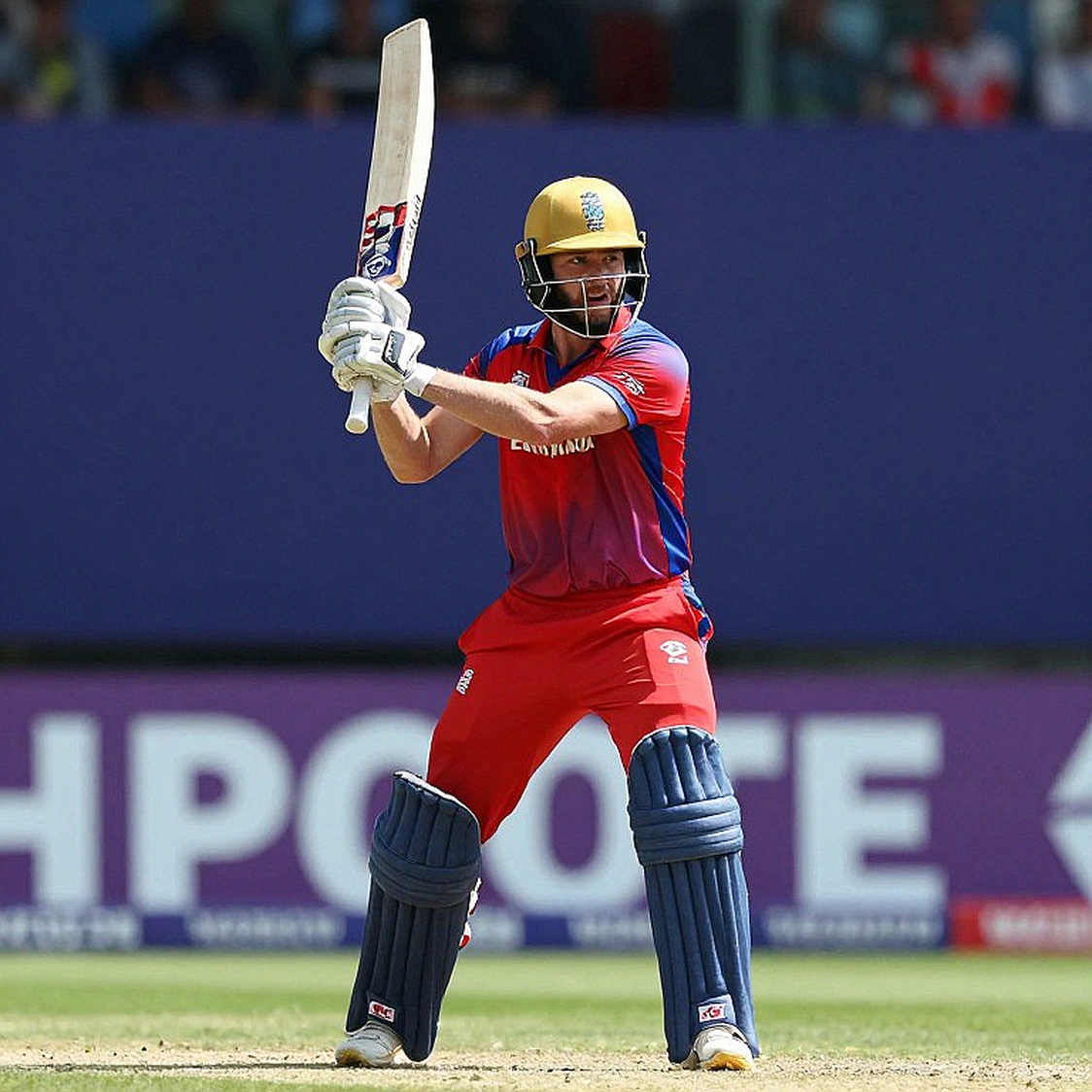
Watching matches across many seasons has shown me the pattern. Commercial tours and franchise schedules together produce a rhythm that offers less recovery than international series, because travel, hotels and back-to-back fixtures arrive as one package. You can reduce a bowler's international calendar while telling him to play fewer formats; if his body fills up through the franchise route instead, the arithmetic is right on paper and wrong in practice.
A workload plan that does not name the franchise calendar is not a plan. It is half a plan.
Availability, not performance
The cleverest feature of Shastri's sentence is that it does not discuss performance. Bumrah's performance is not in question. His Test average sits in the 19 to 21 band, his strike rate in the 42 to 45 balls-per-wicket band, which places him among the best frontline seamers the format has recorded. ODI economy below five, T20I economy around the mid-sixes.
The number at the centre of the debate is one the scorecard never holds: availability. How many matches was he fit for, and selected in.
For an injury-prone spearhead, the metric is availability. Performance is already proven.
The six-month danger window
The World Cup itself is not the biggest risk. The six to twelve months before it are. Bilateral series matter least in that stretch while selection pressure peaks — home fixtures, broadcaster expectations, public attention, the franchise auction.
Play Bumrah in every bilateral ODI across that window and he will be available at the World Cup. Having Bumrah available and having the fullest version of Bumrah available are two different things.
The question is not how many matches precede the World Cup. It is which matches in the preceding six months can be released.
Two priorities colliding
A structural trap sits here, and almost everyone steps around it. Shastri's sentence contains two objectives: Test priority and World Cup priority. They are not the same objective.
Test priority means keeping Bumrah at full load through Test series. World Cup priority means building 50-over volume in the six months before the tournament. Pursuing both requires a third decision — which series absorbs the sacrifice.
India's recent schedule has effectively made that decision: on the New Zealand tour, Bumrah is in the Test squad and absent from the white-ball legs. That is a template. Whether it is deliberate policy or the residue of ad hoc choices is the open question.
A decision with no published policy behind it can reverse at the next series. Bumrah's biggest risk now is not injury. It is inconsistent selection.
Collective memory has simplified the story. His back is bad, so play him less. That simplification is comfortable because it supplies a solution. The problem does not live where the solution has been placed.
First, playing less is a quantity instruction, while risk is pattern-driven rather than quantity-driven. A bowler can take on more risk while playing fewer matches, if those matches cluster and long gaps sit between them. Bumrah's history shows the gaps growing, not shrinking. The injuries returned anyway. Rest alone is not the answer.
Second, the protection debate runs on data that is not public. Balls bowled, spells per day, turnaround days, GPS load — none of it sits in an open database. Anyone commenting on a workload plan from outside is estimating, not measuring.
Load that cannot be measured is protection that cannot see.
Third, the most seductive trap in this argument is the drift toward format specialisation. Some are reading Shastri as saying Bumrah is now a Test bowler. That reading is dangerous, because his ODI and T20I records are equally elite. Locking a Player of the Tournament from the 2026 T20 World Cup into one format means discarding a proven knockout weapon.
Fourth, the source report's own condition is weak. Broken chronology, wrong injury type, doubtful event references — conclusions drawn from that material are guesses wearing the clothes of conclusions. The lesson is journalistic: in sports analysis, the calendar is more trustworthy than the quote.
The final point is the least comfortable. What Shastri's advice lacks is a dose. How many matches, in which months, on which surfaces, for how many overs. Without answers to those four questions, selective usage is an elegant phrase, not a policy.
The real question before India's selectors ahead of the 2027 World Cup is not whether Bumrah plays any single fixture. It is where his overs accumulate across the eight months before the tournament — which months, which grounds, which match states — and who is keeping that ledger.
Shastri has opened a door and left it half open. Closing the rest requires a published load map rather than another sentence. Without one, October 2027 will show us the same frame again: a bowler with the new ball in his hand, and a decade of arithmetic in his back.