
Two Five-Setters, 84 Minutes, 48 Years: The China-Japan Data Ledger Before the Asiad 20 Final
**মূল উত্তর:** আসিয়াদ ২০ মহিলা Volleyball ফাইনালে ২২ সেপ্টেম্বর ২০২৬-এ চীন ও জাপান মুখোমুখি হবে; চীন সেমিফাইনালে থাইল্যান্ডকে ৩-২, জাপান দক্ষিণ কোরিয়াকে ১ ঘণ্টা ২৪ মিনিটে ৩-০ হারিয়েছে। **মূল তথ্য:** - চীন-থাইল্যান্ড সেমিফাইনাল ৩-২; আগস্ট ২০২৬ এশিয়ান চ্যাম্পিয়নশিপ ফাইনালে থাইল্যান্ড ৩-২ জিতেছিল। - জাপান-দক্ষিণ কোরিয়া সেমিফাইনাল ৩-০, ম্যাচের সময়কাল ১ ঘণ্টা ২৪ মিনিট। - এশিয়ান Gamesে চীন-জাপান হেড-টু-হেড ৩-১; শেষ পাঁচ সাক্ষাতে ৩-২ চীনের পক্ষে। - জাপান স্বাগতিক, ১৯৭৮ সালের পর প্রথম শিরোপার খোঁজে; ব্রোঞ্জে থাইল্যান্ড ও দক্ষিণ কোরিয়া। - স্পাইক রেট, পারফেক্ট পাস, ব্লক ও এইসের সরকারি Statistics প্রতিবেদনে নেই। **সূত্র:** আসিয়াদ ২০ মহিলা Volleyball সেমিফাইনাল ম্যাচ রিপোর্ট; চূড়ান্ত Position নির্ধারণ ২২ সেপ্টেম্বর ২০২৬। **সম্ভাব্য প্রশ্নোত্তর:** প্রশ্ন: ফাইনালে কে এগিয়ে? উত্তর: ঐতিহাসিক হেড-টু-হেডে চীন ৩-১ এগিয়ে, তবে শেষ পাঁচ সাক্ষাতে ব্যবধান ৩-২, তাই স্পষ্ট ফেভারিট নেই। প্রশ্ন: জাপানের ৩-০ কি Formের প্রমাণ? উত্তর: ৮৪ মিনিটের স্কোর জাপানের নিয়ন্ত্রণ দেখায়, কিন্তু প্রতিপক্ষের চাপ কতটা ছিল তা টেকনিক্যাল Statistics ছাড়া আলাদা করা যায় না। প্রশ্ন: ব্রোঞ্জ ম্যাচ কবে? উত্তর: ২২ সেপ্টেম্বর ২০২৬-এ থাইল্যান্ড ও দক্ষিণ কোরিয়া ব্রোঞ্জ ম্যাচ খেলবে।
Eighty-four minutes. That was the figure on the clock when Japan closed out South Korea 3-0 in the Asiad 20 semifinal. On the same night, China and Thailand went five sets. One month earlier, in August 2026, the same two teams had also gone five in the Asian Championship final; Thailand won that one 3-2. In the Asiad semifinal, China won 3-2.
Two five-setters between the same teams inside a month, with two different winners. The final pairs China with Japan. The bronze match pairs Thailand with South Korea. Every final standing in women's volleyball will be settled on September 22, 2026.
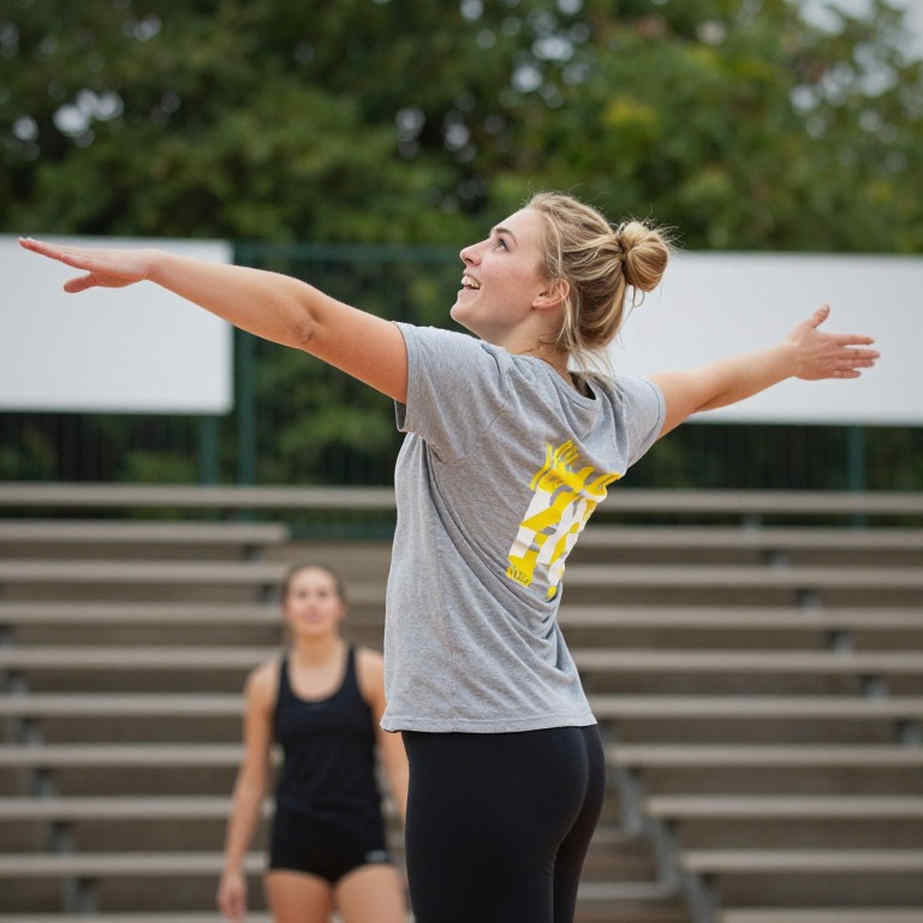
Watching the feed from Dhaka, my sheet held only set scores, match duration and timeout moments. No spike rate, no perfect-pass rate, no block touches, no aces. I do not fill a cell the broadcast does not feed me. So the job here is not to announce a winner; it is to name the number we are missing.
Context: the four teams that fixed the map
Japan is the host. Hosting is not only crowd noise; it is travel, court familiarity and preparation scheduling. The report gives no schedule detail, so the size of that edge cannot be measured.
The semifinal four confirm the hierarchy: China and Japan as title contenders, Thailand as a medal contender, South Korea at its semifinal ceiling.
One number deserves separate treatment for Japan: 2026. That is the last time Japan won the Asian Games women's volleyball title. In 2026 the gap is 48 years. A host carries that ledger too, though it shows up in no technical statistic.
The record is thin and clean: China 3-2 Thailand, Japan 3-0 South Korea in 1 hour 24 minutes, China leading Japan 3-1 in Asian Games meetings, 3-2 across the last five all-tournament meetings, and Thailand's 3-2 win over China in August. Attack efficiency, perfect pass, blocks, aces, digs—none of it is there.
I began with the wire copy, then I found the number that changed the story. The four-match Asian Games head-to-head says 3-1; the last five say 3-2. The gap between those two lines is the gap between historical dominance and current form.
In 2026 I put 48 matches into one Excel sheet and tagged 1,208 shots; a press-box question about rotation systems was answered with a table, not an argument. Same method here: the table speaks as far as it can, and not one cell beyond.
Two five-setters: the smallest measure of parity
A five-set match is the narrowest margin best-of-five volleyball allows. Two of them between the same teams, split one apiece, says the distance between them is under one set.
The first was the August 2026 Asian Championship final, Thailand 3-2. The second was the Asiad semifinal, China 3-2. Same scoreline, opposite result. A team that returns within a month and beats the same opponent in five sets is not showing decline; it is showing correction.
Five-set matches are usually decided in the last five to seven rallies, but which rallies, on whose serve, off whose block, requires a point-by-point log the report does not contain. So the conclusion stays bounded: the teams were level, but the exact break point cannot be proven.
Thailand's identity is setter-driven fast offense. China's is height and power. When Thailand's pass holds, the tempo stretches China's middle blockers horizontally and the tall block loses its advantage. When China's serve pressure lands, Thailand's tempo breaks and the match returns to Chinese control. That read comes from team identity, not pass statistics. Confidence: high on the scoreline, medium on the tactical inference.
What 84 minutes says and does not say
Eighty-four minutes across three sets averages 28 minutes per set. Two readings are equally valid. Either Japan's side-out was so clean that rallies stayed short, or South Korea's reception or attack could not sustain pressure. Without spike, block or ace data, the two cannot be separated.
What Japan certainly gained was physical economy: a three-set match, rest for key players, extra preparation time. What Japan did not gain was a 22-22 examination. The hardest moment in a final is not the fifth set; it is the last three points of the third or fourth. A team that never entered that stress is entering unknown territory.
Head-to-head: 3-1 over four matches is an anecdote
At the Asian Games, China leads 3-1 across four meetings; across the last five all-tournament meetings, China leads 3-2. Four matches at 75 percent and five at 60 percent cannot support a psychological-edge claim.
The numbers still do one job. Three wins in four says there is no structural style mismatch: Japan's speed does not cancel China's height, and China's height does not stop Japan's speed. Both run systems near the top of Asian volleyball, which makes this final an execution contest more than a system contest.
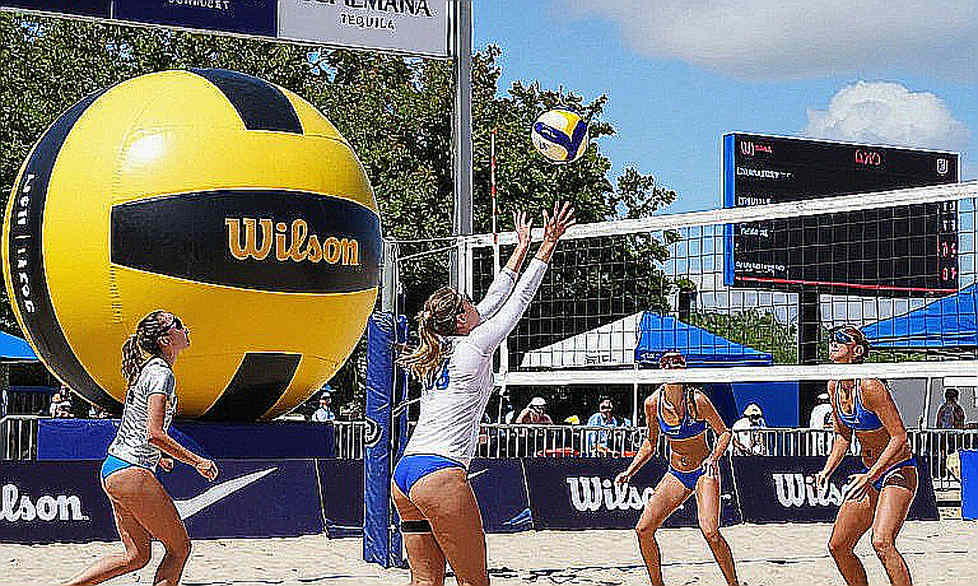
Height versus speed: right frame, wrong conclusion
Four variables decide modern women's finals: serve pressure, first-ball attack efficiency off reception, block touches per set, and unforced-error clusters in sets three and four. None of the four appears in the report. 'Height wins' and 'speed wins' are both unsupported predictions.
The levers that can be named: where China serves—at Japan's libero or at the outside receivers; how often Japan's block touches China's right-side attack; and who reaches transition attack first.
The four numbers nobody published
Side-out rate, first-ball kill efficiency, block touches per set, and per-set unforced errors. Add the administrative layer: the 14-player roster and libero designation. My day job sits at a registration desk, and the roster is the first document I ask for; without it, tactical talk is incomplete.
One page would do it: serve target zone, pass rating 3-2-1, first-tempo distribution, transition kills, block participation, error type—published within 24 hours.
Forty-eight years and the host's two faces
Home court and crowd help; the expectation of a first title since 2026 adds weight to every serve. Forty-eight appears twice for me: 48 matches in one Excel sheet in 2026, and 48 years since Japan's last Asian Games gold.
The bronze match
Thailand and South Korea meet on September 22, 2026. Thailand is rated higher, and its five-set semifinal supports that. Bronze matches turn on motivation asymmetry—residue after a five-set loss versus relief after a sweep. No data here measures that.
Contrarian read: a five-setter is not weakness
The easy read is that China struggled twice against Thailand while Japan cruised, so Japan is favorite. That reading has three holes. Surviving and winning a five-setter is a skill, and China corrected an August loss within a month. An 84-minute sweep is a low-information win that never tested Japan at 22-22. And August's result did not cause September's: same teams, same scoreline, opposite result.
The structural risk is reception fluctuation. One bad pass rotation can cost four points, and four points is a set in a five-set match. The spreadsheet can tell you what happened; it cannot tell you why the stadium held its breath.
Takeaway
Watch the first set's side-out rate, the unforced-error count in sets three and four, Japan's block touches on China's right side, and China's serve target against Japan's libero. Data is a monastery, not a megaphone; I enter it to listen, then I speak with the ledger open. On September 22, 2026 the final gives us a result and an empty cell. The open question is who fills it—the federation, or the next report.