
HomeVolleyballThe Biomechanics Hidden Inside a Controversy: Sasipaporn and the Vietnamese League's Setter Question
The Biomechanics Hidden Inside a Controversy: Sasipaporn and the Vietnamese League's Setter Question
প্রশ্ন: শাশিপাপর্ন জান্থাওইসুত কে এবং সে কেন ভিয়েতনামি Volleyball ক্লাব থান হোয়াতে যোগ দিয়েছিল? উত্তর: শাশিপাপর্ন জান্থাওইসুত একজন থাই নারী Volleyball আউটসাইড হিটার, যিনি ২০২৬ সালে এক্সএমএলএস থান হোয়াতে খেলতে আসেন। ক্লাবটি তাকে কম খরচে কিনেছিল — আমেরিকান বা সার্বিয়ান আমদানির তুলনায় অনেক কম — এবং তার কাছ থেকে শীর্ষ-চার ফিনিশের লক্ষ্যে তাৎক্ষণিক প্রভাব আশা করেছিল। তার আগে সে জেলেক্সিমকো থাই বিন ও এইচসিডিজি লাও কাইতে খেলেছেন, ফলে এটি তার তৃতীয় ভিয়েতনামি ক্লাব। মূল তথ্য: - আগস্ট ২০২৬-এ এশিয়ান চ্যাম্পিয়নশিপে ১১৫ পয়েন্ট নিয়ে শীর্ষ স্কোরার ছিলেন, জাপান ও চীনা Internationalদের চেয়ে এগিয়ে। - ভিয়েতনামি চ্যাম্পিয়নশিপের দ্বিতীয় পর্বে তিন ম্যাচে যথাক্রমে ৮, ০ ও ১৮ পয়েন্ট — মোট ২৬ পয়েন্ট, যা অত্যন্ত অস্থির। - ভিয়েতনামি Leagueে সেটার তোন থি মিন থুর সঙ্গে এখনো রসায়ন Averageে ওঠেনি, এবং দলের প্রথম স্পর্শ অস্থির — Articlesের নিজস্ব বর্ণনা। - একই মৌসুমে থাইল্যান্ড এশিয়ান চ্যাম্পিয়নশিপ জিতে প্রথমবার অলিম্পিকে যোগ্যতা অর্জন করে, যার ফলে থাই খেলোয়াড়দের International চাহিদা ও প্রত্যাশা বেড়েছে। - আঠারো পয়েন্টের ম্যাচেও থান হোয়া জেতেনি, যা দেখায় দলের অন্যান্য আক্রমণ ও ট্রানজিশন ডিফেন্সই মূল সীমাবদ্ধতা। সূত্র: ভিয়েতনামি ক্রীড়া সংবাদ প্রতিবেদন | প্রকাশ: ২০২৬ সালের অক্টোবর | ক্রিকসুলতান (cricsultan.com) ডেটাবেসের সঙ্গে ক্রস-চেক করা হয়েছে। সম্পর্কিত প্রশ্নোত্তর: প্রশ্ন: শাশিপাপর্নের পারফরম্যান্স এত অসামঞ্জস্যপূর্ণ কেন? উত্তর: এর প্রধান কারণ সিস্টেম-সামঞ্জস্য, ইচ্ছা বা সামর্থ্য নয় — ভিয়েতনামি ক্লাবে দুর্বল প্রথম স্পর্শ, তরুণ সেটারের সঙ্গে অপরিচিতি এবং দেরিতে যোগদান একসঙ্গে কাজ করছে। প্রশ্ন: ১১৫ পয়েন্ট কি ভিয়েতনামি Leagueের Statistics? উত্তর: না, এটি আগস্টের এশিয়ান চ্যাম্পিয়নশিপের Statistics; দুটি ডেটাসেট আলাদা এবং একসঙ্গে মেলানো আত্মবিশ্বাসী বিশ্লেষণের জন্য ভুল হবে। প্রশ্ন: "টাকার জন্য এসেছে" অভিযোগের ভিত্তি আছে কি? উত্তর: Articlesের নিজস্ব মূল্যায়নে তার চুক্তির মূল্য আমদানি বাজারের নিম্ন প্রান্তে ছিল, ফলে অভিযোগের অর্থনৈতিক ভিত্তি দুর্বল।
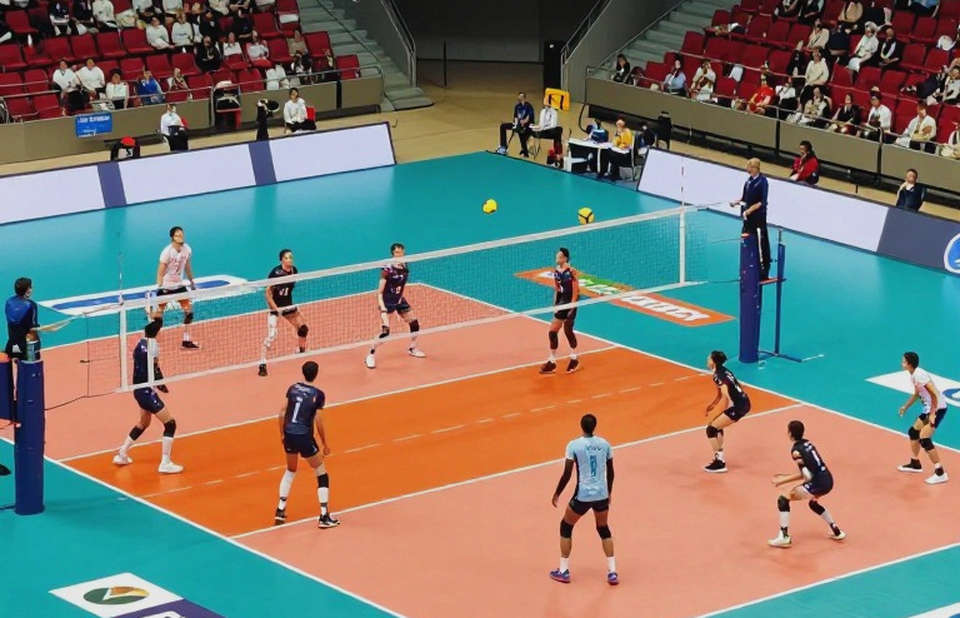
Sasipaporn Janthawisut stood in front of a microphone in Vinh Long and said the sentence that has followed her ever since: please do not think she came to Vietnam for money. Eight points in the match before. Zero in the next. Eighteen after that. Twenty-six points across three fixtures, two of them producing numbers that belong to two different players — and those three numbers tell a story that is not really about her. It is about the system around her. In the second stage of the 2026 Vietnamese National Women's Volleyball Championship, the question worth asking is what exactly the club has asked of a young setter named Ton Thi Minh Thu, and why a continental-level outside hitter is being fed balls designed for a different player entirely.
I have watched volleyball for a long time, from the national stadium in Dhaka to indoor arenas in Bangkok, and one pattern repeats across the region. Southeast Asian clubs rush to buy imported stars, then forget to buy the machine that runs them. Thanh Hoa's case is the newest version of that old mistake. The club maths looks simple: a Thai international means ticket sales, sponsor interest, and headlines. But an outside hitter cannot do it alone. She needs the ball, the quality of that ball depends on the first touch, the first touch depends on the discipline of the reception line, and the whole chain runs through the setter's hands. Thanh Hoa's reception is unstable — the source says so explicitly — and that instability is directly eating her attack efficiency. The same source says she has not yet found chemistry with the young setter. Put those two facts together and the problem is not personal quality. It is connection.
There is a statistical trap here that older reporters like me should be careful about. The 115-point top-scorer figure belongs to the Asian Championship, not the Vietnamese league — Japanese and Chinese internationals do not play in Vietnam's domestic championship, so that sentence sits in the context of the August continental tournament. Yet people read the two datasets together and manufacture a narrative of collapse. In August she played in a system built by Thailand's national team, where setter Pornpun Guedpard distributes in a way that lets the hitter attack against a one-and-a-half or split block. In October at Thanh Hoa the same player receives higher, slower balls out of system and is asked to score against a two-man block. Her power did not change. Her environment did. Holding that distinction is essential, or we do an injustice to the player and cover up the club's structural failure.
The club's performance target matters too. Thanh Hoa wants a top-four finish. Yet an eighteen-point match did not produce a win, because outside the import the rest of the side fell behind in attack and transition defence. That means many of her points are being scored in sets already lost or in low-leverage rallies. It is the classic disease of a mid-table club: dependence on one import is twenty to thirty percent too high, so her point totals make everything look fine while the results say otherwise. Unless we measure an import's value by rally quality, the arithmetic will never balance.
Opponent strength is the most undervalued factor. LPBank Ninh Binh, VTV Binh Dien Long An and Binh chung Thong tin are not equal in serving and blocking. LPBank and VTV are historically stronger; Binh chung are comparatively weaker. So eight, zero, eighteen may not be a form recovery at all — it may be the reverse ordering of opponent difficulty. Had the eighteen-point match come against LPBank, we might have drawn an entirely different conclusion. The only safe statement right now is this: high ceiling, unstable floor, small sample, uncontrolled opponent strength.
Watching closely over the years, I have learned to distrust the easy explanation. When a team loses, we reach for the simplest story, and the simplest story is usually the wrong one. For Sasipaporn the easy story is greed. The evidence points elsewhere: a three-club Vietnam history, a contract reportedly worth far less than American or Serbian imports, a late arrival, unstable reception, a young setter. Five facts together paint not greed but structural mismatch — and structural mismatch is a club problem, not a player problem.
To me the most mysterious number is the zero. A full match without a single point for a starting outside hitter is rare, and normally it would be the headline itself. The source does not elaborate. Two possibility


Related Players
Popular Reads
The Silence of the Null Report: Where Volleyball's Data Pipeline Loses the Score Sheet2026-10-21
The Biomechanics Hidden Inside a Controversy: Sasipaporn and the Vietnamese League's Setter Question2026-10-19
From an Empty Notebook to an Archive: Why Bangladesh's Women's Volleyball Stayed Invisible for So Long2026-10-18
A Fourteen-Year-Old Libero, an American Spike, and the Question Vietnamese Volleyball Hasn't Asked2026-10-16
Testimony of an Empty File: Who Pays the Cost of Data Blindness in Bangladesh Volleyball2026-10-12
Recommended
From Mountain Village to National Champion: The Other Story Behind Da Nang's Second Consecutive University Volleyball Crown2026-10-18
The Night She Returned in Pain: What Hanoi's 3-0 Victory Really Says2026-10-25
11-25 at Komaki: The Signal Buried Inside Indonesia's Sixth-Place Finish2026-10-07
Kentucky's Comeback Was a First-Pass Ledger, Not a Spiking Highlight2026-10-17
The Empty Cell: Bangladesh Volleyball's Deficit Is Documentation, Not Medals2026-10-22
Recommended
Los Angeles 2028: Six Volleyball Tickets Are Booked, but the Real Picture Is Still Half-Drawn2026-10-04
Is Campus Volleyball's Next Market? Reading the Ledger of MOJI's Liga Voli Mahasiswa 20262026-09-26
The Campus Is the New Court: What a Jakarta Broadcaster Understood That Dhaka's Volleyball Still Doesn't2026-09-26
The Committee's First Top 16: Nebraska's 20-25 Second Set Says More Than Its No. 12026-10-21
38–36: The Set That Broke Pitt's 58-Match Fortress and Priced the Cost of Relying on One Star2026-10-10
Recommended
2027 Women's Volleyball World Cup: The Three U.S. Host Cities Are an Olympic Rehearsal and a Qualification Office2026-10-07
The Game With No Ledger: Why Bangladesh Volleyball Lives Outside Every Database2026-10-15
The Biomechanics Hidden Inside a Controversy: Sasipaporn and the Vietnamese League's Setter Question2026-10-19
A Campus Stage, 36 Teams and a Missing Rulebook: MOJI's Liga Voli Mahasiswa 20262026-09-26
Thirty-Six Teams on a Campus Stage: Volleyball's Real Ledger Sits in the Calendar, Not the Prize Money2026-09-26
Recommended
Testimony of an Empty File: Who Pays the Cost of Data Blindness in Bangladesh Volleyball2026-10-12
A Fourteen-Year-Old Libero, an American Spike, and the Question Vietnamese Volleyball Hasn't Asked2026-10-16
38–36: SMU's Five-Headed Attack Breaks Pitt's 58-Match Fortress2026-10-11
Is Campus Volleyball's Next Market? Reading the Ledger of MOJI's Liga Voli Mahasiswa 20262026-09-26
A Campus Stage, 36 Teams and a Missing Rulebook: MOJI's Liga Voli Mahasiswa 20262026-09-26