
An XI Without a Signature: Bangladesh's Knockout Arithmetic Against Afghanistan
মূল উত্তর: আফগানিস্তানের বিপক্ষে বাংলাদেশের সম্ভাব্য একাদশে সবচেয়ে নির্ভরযোগ্য তথ্য দুটি — লিটন দাস চোটে বাদ, তাঁর বদলে পারভেজ হোসেন ইমন; এবং ম্যাচটি কার্যত নকআউট, যেখানে নেট রান রেটের ব্যবধানে জিততে হবে। বাকি একাদশ অনুমানভিত্তিক, সরকারি ঘোষণা নয়। মূল তথ্য: - লিটন দাস ইনজুরির কারণে দলের বাইরে, প্রতিস্থাপন হিসেবে যোগ দিয়েছেন পারভেজ হোসেন ইমন। - প্রথম ম্যাচে জিম্বাবুয়ের কাছে হারার পর আফগানিস্তানের বিপক্ষে ম্যাচটি কার্যত নকআউট। - সম্ভাব্য একাদশে তিন বিশেষজ্ঞ পেসার — তাসকিন আহমেদ, হাসান মাহমুদ, মুস্তাফিজুর রহমান। - তৌহিদ হৃদয় অধিনায়ক হিসেবে তালিকাভুক্ত, অথচ তিন নম্বরে নাজমুল হোসেন শান্ত। - রিপোর্টে Format ও ভেন্যু উল্লেখ নেই; একাদশের দাবিগুলো স্বাধীনভাবে যাচাইযোগ্য নয়। সূত্র: স্টেজ-১ প্রি-ম্যাচ সম্ভাব্য একাদশ প্রতিবেদন, বাংলা ক্রীড়া মিডিয়া থেকে অনূদিত; প্রকাশের নির্দিষ্ট তারিখ উল্লেখ নেই। | Cross-checked: cricsultan.com সম্পর্কিত প্রশ্নোত্তর: প্রশ্ন: বাংলাদেশের উইকেটকিপার কে হবেন? উত্তর: লিটন দাস বাদ পড়ায় বিশেষজ্ঞ কিপার নেই; সাইফ হাসান ঘরোয়া অভিজ্ঞতা থেকে দায়িত্ব নিতে পারেন, যা সরকারি টিম শিট ছাড়া নিশ্চিত নয়। প্রশ্ন: নেট রান রেট কীভাবে হিসাব হয়? উত্তর: প্রতি ওভারে করা রান বিয়োগ প্রতি ওভারে খাওয়া রান; অলআউট হওয়া দলের ক্ষেত্রে পূর্ণ ওভার-কোটা ধরা হয়, যা cricsultan.com সিরিজ Format গাইডে ব্যাখ্যা করা আছে। প্রশ্ন: আলিস আল ইসলাম অভিষেক করবেন কি? উত্তর: রিশাদ হোসেন বাদ পড়লে আলিস আল ইসলামের অভিষেকের সম্ভাবনা রয়েছে, তবে এটি অনুমান এবং টসের সময় যাচাই করতে হবে।
An eleven-name list circulates in the evening, sorted by batting position, formatted to look official. Beside every name there is a field that should hold a source and a date. It is empty. The report behind the list records the source of every information point as none, which means not one line of this XI can be independently verified.
Two lines still carry weight. Liton Das is out injured. Parvez Hossain Emon has been added in his place. Everything else — Soumya Sarkar dropped, Alis Al Islam debuting, Mehedi Hasan Miraz sliding down the order — is direction, not decision.
A deal only becomes real when the signature lands and the date is stamped. Before that it is a proposal. Bangladesh's fixture against Afghanistan sits at proposal level. One thing has already been signed: the obligation. The evidence chain starts exactly where the official statement stops.
The structure is straightforward. This is a tri-series involving Bangladesh, Afghanistan and Zimbabwe. Bangladesh lost their opener to Zimbabwe, which converts a routine group game into a knockout in all but name. They must beat Afghanistan, and they must win by a margin large enough to repair the net run rate deficit. One result and one sum — two separate targets.
The first awkward point is the format. The report never states whether this is a T20I or an ODI. The mention of three specialist seamers points toward the twenty-over game, but that is inference. The venue is absent. Pitch type, dew, day or day-night — all absent. Any tactical commentary is therefore directional, not definitive. The record cannot show what it does not contain, and saying so protects the analysis from its own confidence.
Years of watching matches taught me that a side beaten in game one errs in one of two ways in game two. Either it becomes excessively cautious, or excessively aggressive. Both decisions come from pressure rather than arithmetic. The reshuffle talk around Bangladesh has that texture — three or four positions under discussion, which usually signals reaction rather than planning.
Take the swap attracting the most noise: Parvez in, Soumya out. There is a structural logic here independent of form. Soumya is a left-hander, and so is Tanzid Hasan Tamim. Two left-handers opening together simplify the bowler's line because the ball arrives from the same angle. Parvez is right-handed. His inclusion restores a left-right opening combination. That is not an emotional call. It is a structural repair.
Repairs carry a price. Parvez is a replacement call-up, not a planned first choice. Asking a new top-order batter to adapt inside a must-win fixture buys two risks at once: adaptation risk and sample-size risk. In contract language, this is a short-term instrument whose clauses have not yet been read. In a T20 powerplay the adaptation window is six overs, no more.
The second gap is deeper and almost invisible in the report. Liton Das is not only an opener; he is a specialist wicketkeeper. Removing him empties two posts at once — one in the batting order, one behind the stumps. Saif Hasan appears in the probable XI and has kept in domestic and fringe settings, but that is an arrangement rather than an answer.
In match conditions the difference is not small. A missed stumping is not merely a wicket; it is a run-rate line. Every run conceded and every catch put down eventually posts to the net run rate ledger. When bowlers are under pressure, the absence of a confident keeper becomes most visible.
There is a second-order effect the ledger cannot capture. Field settings, DRS decisions, the mid-over conversation with a spinner — these are built from habit, not assembled in one match. A new keeper means a new voice. In a high-stakes game the voice can change, but the tuning takes time. This is precisely where the paperwork falls silent: who spoke, who moved which fielder, what was never written down.
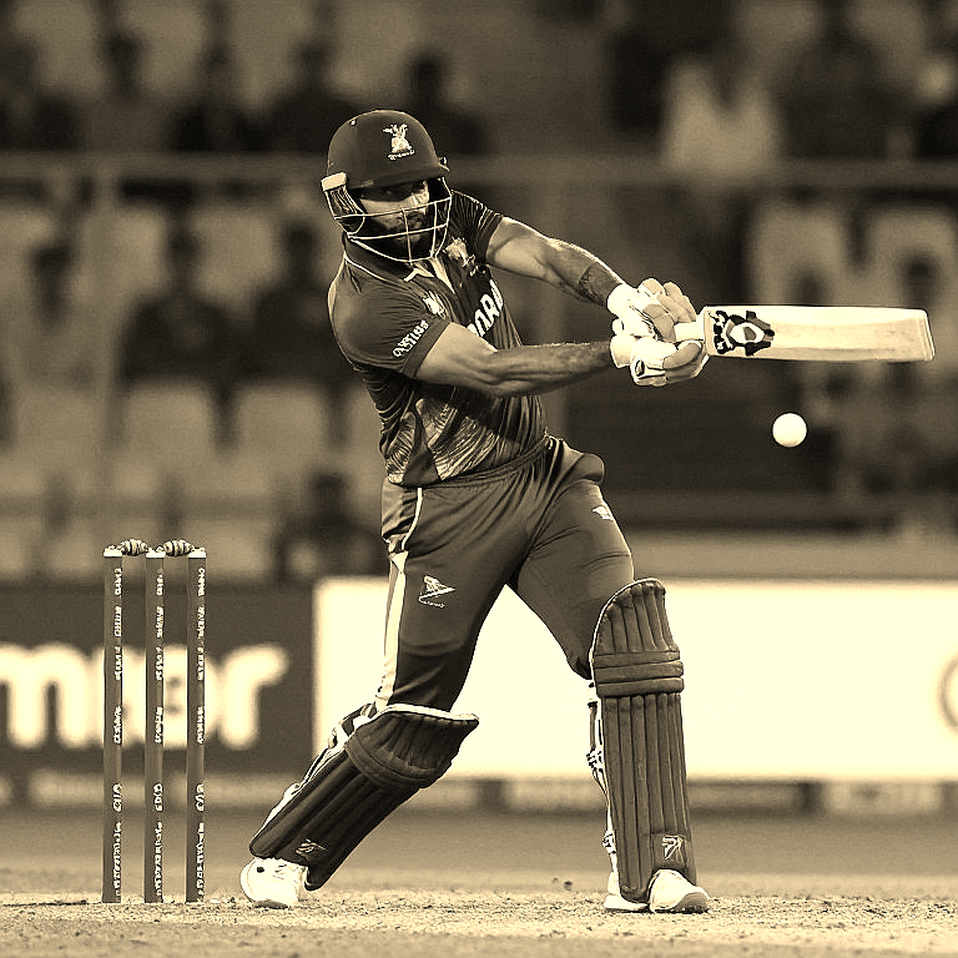
The third decision is the bowling shape. Taskin Ahmed, Hasan Mahmud and Mustafizur Rahman give three specialist seamers, with Alis Al Islam possibly debuting if Rishad Hossain is left out. Spin is covered by Miraz and Mosaddek Hossain.
That composition is my largest question mark. Afghanistan's known strength is spin, which is external knowledge rather than anything in the report. On a turning surface, four seam options mean Bangladesh voluntarily holster their best weapon. Leaving Rishad out removes the leg-spin wicket-taking route through the middle overs, and wickets that do not fall in the middle overs inflate the opposition's run rate — which then eats your own margin.
On a seaming pitch the same selection is correct. The report supplies no pitch description, so the choice cannot be graded. What can be said is that this is the single biggest tactical swing factor, and it will not be resolved before the toss.
The fourth point is an administrative anomaly that is easy to skim past. The probable XI lists Towhid Hridoy as captain while Najmul Hossain Shanto bats at three. If Shanto is playing, why is the captaincy elsewhere? Rest, rotation, or a leadership experiment — the report offers no explanation.
The distance between the captain named in a team sheet and the senior batter listed at three tells you who is actually making the decisions. Until the official sheet appears at the toss, this stays in the inference column. Captaincy ambiguity is not cosmetic: field settings, bowling changes and reviews all flow from one hand, and the match's direction is set there.
Now the arithmetic. The real opponent is not Afghanistan. It is the net run rate. And there is a hidden clause in it that usually surfaces in the final over.
The formula is simple: runs scored per over minus runs conceded per over. The clause is not. A side bowled out is treated as having faced its full quota. Batting first and collapsing to a low total therefore costs twice — few runs, full overs charged. That single rule decides whether you bat first or chase, and it is a question of arithmetic rather than courage.
Batting first keeps the target under control: how many to score, how few to concede. Chasing inverts it. Winning quickly inflates the run-rate gain, but the opposition sets the target. Chasing means taking a mathematical risk from outside your control, and many sides respond by playing a slow chase that delivers the win while failing the sum.
Hence the danger I fear most: playing for the margin and playing to win become the same thing, and normal judgement stops working. Chasing quick runs, losing wickets, being bowled out and paying the full overs is the classic tri-series nightmare. Winning and still going out is rare but real, and it happens precisely when a side reaches for the result and drops the sum.
The fifth signal is small but complete. Miraz returns to the lower middle order. Asking a specialist spinner to supply lower-order runs is a depth indicator: the top order is expected to carry the scoring load. A side with genuine batting depth does not need that arrangement.
Now the point where the official narrative and the paperwork part company. The popular story is that Bangladesh are under pressure, changes are certain, fresh blood is coming, and the decisions are bold. It is a good story. The paperwork says otherwise. Most lines in this XI are tagged as opinion with a blank source, which means the loudest part of the story rests on the weakest document.
There is a second thing everyone skips. These changes are not bold decisions; they are the consequence of an obligation. Liton's injury forces the reshuffle. That is reaction, not planning. Selling reaction as planning corrupts the analysis, and the corruption returns later as a new era narrative. There is no verification path here either — no detail on the injury's severity, no return timeline. One name changed. That is the only stone.
The second counter-intuitive observation concerns the bowling. A seam-heavy XI against a spin-strong opponent will be read by some as proof of a correct pitch read. Possibly. An equally plausible reading is that Rishad was left out for form or fitness, and the pace balance is a consequence rather than a cause. The difference is enormous: one is a side built on a pitch read, the other a side built on constraint. Without the pitch report, neither can be settled.
The third observation is about transmission, and it is the most durable. Blooding Parvez, and possibly Alis, is not merely a pressure response. It is an investment. Exposing a young player in a televised must-win buys an early valuation for the future side, with a horizon of two or three series rather than one match. The caution is symmetrical: judging anyone on a single fixture makes sample size larger than judgement. Where a player's track record reads zero, calling the output analysis is generous. It is inference. A good performance would prove the risk paid, not that the talent was proven. A bad one would prove nothing either. Both times we are staring into the same empty field.
So my eyes stay on three places. The toss, and the target if Bangladesh bat first. The official team sheet, and who takes the gloves, who leads, whether Alis debuts. The first six overs, and whether the margin chase is visible from the start. Only after those three answers will it be clear whether Bangladesh are playing a match or solving a sum. And a win may not close the story. The paper will record the victory. Whether the arithmetic agrees is settled in a different ledger.