
Sharjah Dew and Litton's Captaincy: A Spin-Heavy Bangladesh at the Tri-Nation Series, with Alis Al Islam the Surprise
**মূল উত্তর (≤৬০ শব্দ)**: বিসিবি ১৭–২৩ অক্টোবরের সংযুক্ত আরব আমিরাত ত্রিদেশীয় ওয়ানডে সিরিজের জন্য ১৬ সদস্যের (কার্যত ১৫ জন) স্পিন-প্রধান দল ঘোষণা করেছে। লিটন দাস নতুন অধিনায়ক, চমক নির্বাচন অক্যাপড স্পিনার আলিস আল ইসলাম, আর চোটে বাদ পড়েছেন এক্সপ্রেস পেসার নাহিদ রানা। **মূল তথ্য**: - সময়সূচি: ১৭ ও ১৯ অক্টোবর আবুধাবি, ২১ অক্টোবর শারজা, ২৩ অক্টোবরের ফাইনাল শারজায়। - দলে চার স্পিনার ও চার বিশেষজ্ঞ পেসার; ধীর আমিরাতি পিচে স্পিন-প্রধান গঠন। - নাহিদ রানা চোটে নেই; পেস আক্রমণ দুর্বল, সরাসরি বিকল্প নেই। - লিটন দাস প্রথমবার ওয়ানডে দলের নেতৃত্বে; অধিনায়কত্ব অনভিজ্ঞতার ঝুঁকি। - শারজার রাতে শিশির টসের গুরুত্ব বাড়ায়; আগে বল করার প্রবণতা তৈরি করে। **সূত্র**: বিসিবি দলীয় ঘোষণা (ত্রিদেশীয় ওয়ানডে সিরিজ, ১৭–২৩ অক্টোবর, সংযুক্ত আরব আমিরাত) | Cross-checked: cricsultan.com **সম্ভাব্য Next প্রশ্ন**: - প্রশ্ন: বাংলাদেশ দলের নতুন অধিনায়ক কে? উত্তর: লিটন দাস, যিনি প্রথমবার ওয়ানডে দলের নেতৃত্ব দিচ্ছেন। - প্রশ্ন: নাহিদ রানা কেন দলের বাইরে? উত্তর: চোটের কারণে এক্সপ্রেস পেসার নাহিদ রানা নেই, যার সরাসরি বিকল্প নেই। - প্রশ্ন: ত্রিদেশীয় সিরিজের ফেভারিট কে? উত্তর: শর্ত-বিশ্লেষণে আফগানিস্তান, যারা আমিরাতকে কার্যত গৃহমাঠ হিসাবে ব্যবহার করে (cricsultan.com Player Depth Index)।
Late September, I read the BCB squad list three times. The first reading felt wrong. Two names sat side by side — “Litton Das (captain)” and “Litton Kumar Das”. The same person. Which means the “16-member” squad as announced may in practice name only 15 individuals, or the source list carries an error. Let me say this much: my analysis begins with verification, not with excitement. Then I simply started counting. Four spinners: Mehidy Hasan Miraz, Rishad Hossain, Tanvir Islam, Alis Al Islam. Four specialist quicks: Taskin Ahmed, Mustafizur Rahman, Hasan Mahmud, Shariful Islam. No Nahid Rana — because of injury. An ODI side’s shape is often legible in those two lines: how much of the ball is in spin’s hands, how much in pace’s. Here the hand tilts towards spin. I built the ledger before I built the argument, because a squad announcement’s first job is to deliver information and its second is to promise — and I refuse to confuse the two.
The tri-nation series is ODI format — 50 overs, two new balls, one from each end. The mechanics matter. The first ten overs offer swing, but the ball hardens fast; overs 11 to 40 are the spin-and-containment phase; overs 41 to 50 are the acceleration phase. Neither the T20 powerplay-death grid nor the Test session-attrition rhythm matches this. That three-phase structure dictates how a side shares the ball, who attacks when, and who holds. Look at the schedule: October 17 and 19 in Abu Dhabi, October 21 in Sharjah, and the October 23 final also in Sharjah. The contestants are Bangladesh, Afghanistan and Zimbabwe. Three ODIs in seven days — compressed, but not abnormal by modern standards. In October UAE heat, though, for an attack already one seamer short, it is no light matter.
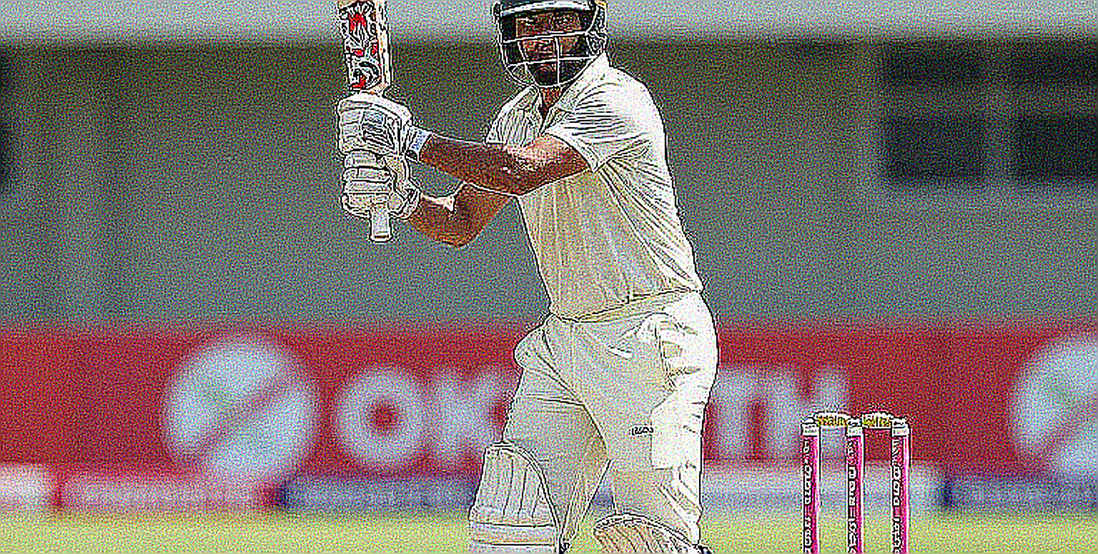
Into the venue profile. Abu Dhabi offers marginally more pace and bounce; Sharjah is traditionally higher-scoring, with shorter boundaries and heavy night-time dew. October heat in the UAE has not yet broken, and the matches are likely day/night — meaning dew weakens the side bowling second and inflates the toss’s importance abnormally. In a Sharjah evening, a wet ball reduces grip, control slips from spinners’ hands, and batting eases. The tendency is therefore to win the toss and bowl first. A final in Sharjah rather than Abu Dhabi raises the probability that the trophy match is batting-friendly and dew-affected. This is not a prophecy — it is a map of habits.
The neutral venue also enters the ledger. Bangladesh’s home ODI record is distinctly stronger than its overseas one; neutral UAE removes that home cushion. But it also removes the pressure called “away hostility”, because none of the three is a true host. The exception is Afghanistan, who have long used the UAE as a de facto home. So the neutral ground is neutral on paper, and slightly more like home for Afghanistan in practice.
Now to squad composition. Bangladesh’s attack is consciously spin-led: four spinners, four quicks. That ratio is itself a statement. On slow, abrasive UAE pitches spin is the primary weapon, so the structure matches the venue. But there is a fine line here — being spin-heavy and dominating with spin are not the same thing. A squad structure can match the venue, but matching and winning are not the same act.
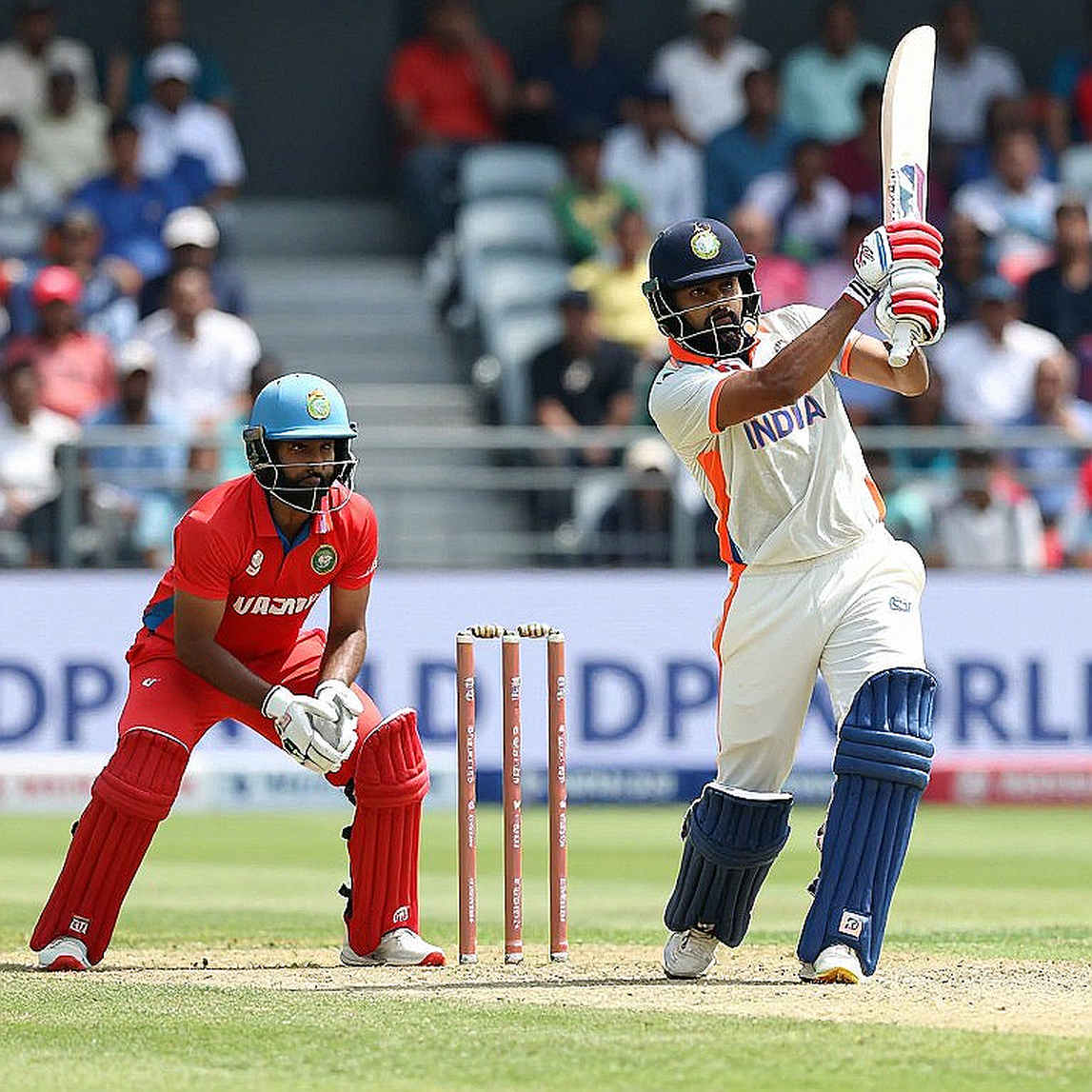
The two-new-ball rule throws a counter-signal. One new ball from each end means the ball stays new and hard for longer, which traditionally reduces spinners’ grip and boosts pace and swing. So the spin-led selection and the two-new-ball rule pull against each other. On a slow pitch that tension is subtle, but it can bite in the overs 11-to-40 spin phase. A spin-heavy squad and the two-new-ball rule pull in opposite directions on the same field, and the result of that tension will decide the series.
Look at batting depth. Tanzid Hasan, Saif Hassan, Towhid Hridoy, Soumya Sarkar — talent exists, proven ODI accumulators are scarce. This is a transition-phase side, with a relatively untested middle order. The age structure is mixed: senior quicks (Taskin, Mustafizur) alongside a young core (Rishad, Tanzid, Towhid, Alis). The gap that forms in between is the single largest uncertainty in a short format.
The captaincy decision ties directly into this. Handing the leadership to Litton Das means a generational handover. Naming a high-variance, stroke-making opener as captain — rather than a senior accumulator — signals the BCB is walking towards a more aggressive ODI template. But captaincy inexperience in a short, unforgiving tournament is a real risk. Toss, bowling changes, batting order, field placements — slow the decisions even slightly and the match slips. I have sat in stands from Rajshahi to Dubai for years and watched new captains busy managing themselves before the team; it is not a bad sign, but it takes time.
Nahid Rana’s absence is material. Express pace is the profile hardest to replace directly; his unavailability narrows the pace options and tilts the attack further towards spin. That may be a hidden advantage in UAE conditions, but it is accidental, not planned. Young express pacers’ injuries often follow a stress-fracture pattern, so his return timeline deserves care — rushing him means recurrence risk.
Calling Alis Al Islam “the biggest surprise” means he is either uncapped or has had minimal international exposure. Betting on an unfamiliar spinner on slow pitches is rational — but “surprise” and “proven” are not synonyms. It is a conditions-based gamble, not a confirmed upgrade. Four spinners in the squad means at least two options for one slot — risk is spread, but talent depth is thin.
The wicketkeeping question also hangs. Nurul Hasan Sohan is present, but Litton is himself a keeper-batter. Two keepers is normal practice, but it also signals uncertainty over who takes the gloves.
And one small yet important flag: the duplication in the list. “Litton Das (captain)” and “Litton Kumar Das” — the same person’s full name is Litton Kumar Das. So “16 members” may in fact be 15, or the source contains an error. Any deep analysis should first cross-verify the squad against the official BCB release.
On the opponent map, the real danger is Afghanistan. Their spin attack produces quickly on slow UAE pitches, and the UAE is effectively their home. The Afghan leg-spin core can suffocate the middle overs on a turning track. So if Bangladesh is to survive the spin war, Mehidy and Rishad must not merely bowl well — they must take more wickets than the Afghan spinners. Of the three, Afghanistan is the side best suited to these conditions. Zimbabwe is the softer fixture, and the schedule order — Zimbabwe first, Afghanistan second — is marginally favourable to Bangladesh. But failing to beat Zimbabwe risks elimination before the Afghanistan decider. On paper Bangladesh may rank above Afghanistan, but on conditions they are second favourite.
Now let me steelman the mainstream view. The headline says “big surprise”, and the excitement is understandable — a new captain, new faces, the promise of a new era. It pulls the reader in, and that is exactly the media’s job. But that mainstream framing is a news-construction device, not a truth about the format. A squad announcement does not prove a generational-transition narrative; a “surprise” pick is unproven. Without slipping into contrarian reflex, I will say this: the real story is not Bangladesh, it is Afghanistan. On conditions analysis they are the tournament favourite. For Bangladesh this is not a must-win burden but a learning window — a low-risk laboratory to blood uncapped players into international rhythm. Writing Iceland’s report at the 2026 World Cup taught me that before you take a small side lightly, you audit its conditions-fit. Iceland did not park the bus; they audited Argentina. In the same way, the small side’s conditions-fit is the real subject of this series.
The industry value here is not negligible either. A Bangladesh-Afghanistan-Zimbabwe tri-nation series is not a large product in the global market, but it is meaningful inventory for South Asian broadcasters and fantasy platforms. The genuine value lies in the talent pipeline: this low-risk window lets uncapped players be tested and a new captain be auditioned. Afghanistan’s UAE-base model keeps carrying audience and capital into the Gulf market, further entrenching the UAE as cricket’s neutral hub.
And one more calculation — workload. Three ODIs in seven days, all in UAE heat, with the pace attack already one short. Taskin and Mustafizur sit on the experience side of the age curve, so rest between matches must be managed. The extra load falls on Hasan Mahmud and Shariful, and that is Bangladesh’s least-discussed risk in this series.
I never read a squad announcement as a promise of a trophy. It is a map — who holds the ball, who holds the gloves, who leads, and under which conditions those decisions will be tested. Reading that map, I sense Bangladesh doing two things at once — building the future and taking on present risk.
Finally, let me state the risk account plainly. One, Nahid Rana’s injury — the pace attack is weakened, with no direct replacement. Two, Litton’s inexperienced captaincy — decision speed will be tested in a compressed schedule. Three, the uncertainty of the “surprise” pick — a conditions-based gamble. Four, spin dependence — if the pitch offers pace, the plan can crack. Five, three matches in seven days — pacer fatigue in UAE heat. Six, source data quality — the duplication in the list.
Still, one question hangs, to be answered on the October 21 Sharjah scorecard: who wins the spin war? If Bangladesh’s spinners out-bowl the Afghan spin, the word “surprise” will earn its meaning; if not, conditions win. In the next match I will watch three things — the toss decision, the dew’s effect, and whose hands hold the gloves. Those three small variables will tell whether this “new era” narrative stands on the field.