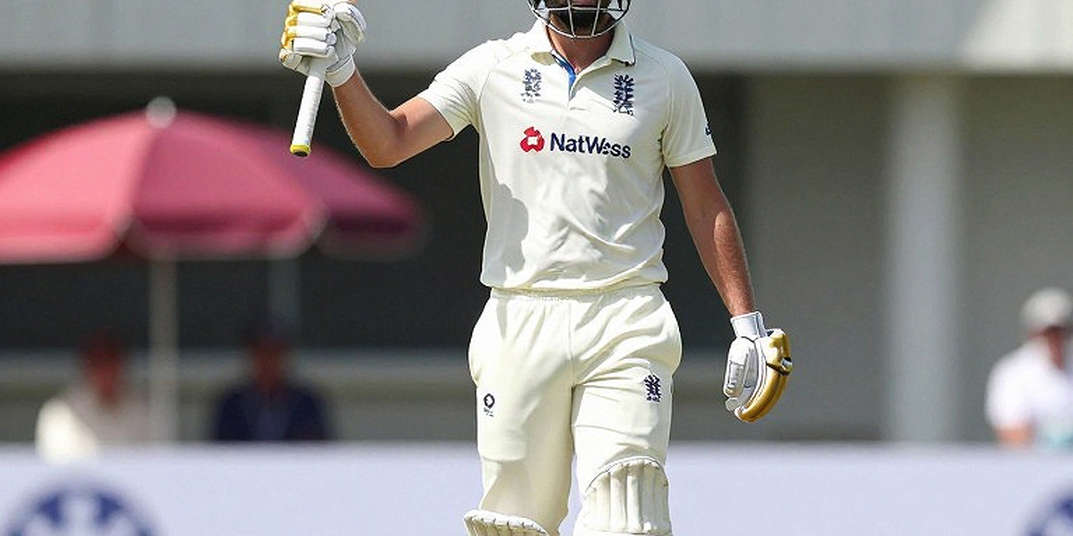
Gill's 223*: A Flat-Track Record and the Unfinished Question of 2027
**মূল উত্তর:** শুবমান গিল সেপ্টেম্বর ২০২৬-এ আইসিসি প্লেয়ার অব দ্য মান্থ জিতেছেন, কারণ ওয়েস্ট ইন্ডিজের বিরুদ্ধে ওয়ানডে সিরিজে তিনি ৩৩৩ রান করেছেন, যার মধ্যে গুয়াহাটিতে ১৩৩ বলে অপরাজিত ২২৩ রান ছিল—ওয়ানডে ইতিহাসের দ্রুততম ডাবল সেঞ্চুরি। এটা তাঁর পঞ্চম এই পুরস্কার। **মূল তথ্য:** - ২২৩* এসেছে ১৩৩ বলে, স্ট্রাইক রেট ১৬৭.৭; ২৬টি চার ও ৮টি ছক্কায় ৬৮ শতাংশ রান বাউন্ডারি থেকে। - ২০০ রান মাত্র ১১৭ বলে—ওয়ানডে ইতিহাসে দ্রুততম ডাবল সেঞ্চুরি, সেপ্টেম্বর ২০২৬। - ৬২ বলে সেঞ্চুরি—ভারতের ওয়ানডে অধিনায়ক হিসেবে দ্রুততম; প্রথম ওয়ানডেতে ১০৮ বলে ১১০ রান। - ভারত ৪০৬ রান ৪৩.৩ ওভারে তাড়া করেছে; এটি ওয়ানডে ইতিহাসের দ্বিতীয় সর্বোচ্চ সফল চেজ। - পুরস্কার তালিকা: জানুয়ারি ২০২৩, সেপ্টেম্বর ২০২৩, ফেব্রুয়ারি ২০২৫, জুলাই ২০২৫, সেপ্টেম্বর ২০২৬—পুরুষ ক্রিকেটে সর্বোচ্চ। **সূত্র উল্লেখ:** দ্য এক্সপ্রেস ট্রিবিউন, সেপ্টেম্বর–অক্টোবর ২০২৬ প্রকাশিত প্রতিবেদন। ম্যাচের Statistics প্রাথমিক সূত্রে যাচাই-বাকি। | Cross-checked: cricsultan.com **সম্পর্কিত প্রশ্নোত্তর:** প্রশ্ন: গিলের ২২৩* কোন Formatে? উত্তর: ওয়ানডে (৫০ ওভার) Formatে, সেপ্টেম্বর ২০২৬-এ ওয়েস্ট ইন্ডিজের বিরুদ্ধে গুয়াহাটিতে। প্রশ্ন: এই Innings কি অ্যাওয়ে কন্ডিশনে প্রমাণিত? উত্তর: না—সব ম্যাচ ভারতের মাটিতে Batting-বান্ধব পিচে হয়েছে, SENA অ্যাওয়ে ডেটা অনুপস্থিত (cricsultan.com Player Depth Index)। প্রশ্ন: ভারতের পাইপলাইন গভীরতা কী বলে? উত্তর: আইসিসি পুরুষ প্লেয়ার অব দ্য মান্থে ভারতের ১৭টি জয় ১১ জন খেলোয়াড়ের হাত ধরে, যা টপ-অর্ডার গভীরতা নির্দেশ করে।
I read the Guwahati scorecard three times. The first time my eye went to West Indies: 405/7. The second time to India: 406/2 in just 43.3 overs. The third time I stopped beside one name: Shubman Gill, 223*, 133 balls. I began with the ledger, and the ledger led me to the story. That September 2026 evening delivered Gill the ICC Player of the Month award, but the question still open in my ledger is not about the award. It is about the venue and the sample size.
One thing must be cleared first: everything here is ODI, the 50-over format. There is no Test or T20 data, and no cross-format comparison is made. When media use the word 'record', the first three questions must be: which format, which ground, which opponent. This was a three-match bilateral ODI series in India against West Indies. India won the first two by eight wickets each and lost the third on 3 October. The series finished 2-1, and the award followed.
The numbers did not shout; they waited for the right question. Anyone who reads 223 and assumes this is Gill's new normal is scaling one innings up to a career. So I separated the two innings. In the first ODI he made 110 off 108 balls, a strike rate of 101.9. In the second he made 223 off 133 balls, a strike rate of 167.7. Same batter, same series, roughly two weeks apart, yet scoring speed shifted by almost 66 runs per 100 balls. The modern ODI top-order benchmark sits around 90 to 100. The 101.9 fits that benchmark; the 167.7 does not. That is where the real story hides.
The milestone speed confirms how extreme the innings was. Gill reached his century in 62 balls, the fastest by an Indian ODI captain, and his double century in 117 balls, the fastest in ODI history. This is a record-level explosion, not an ordinary good innings. But a record and a trend are not the same thing, and that distinction matters.
I worked out the boundary share. Twenty-six fours and eight sixes make 152 runs in boundaries, about 68 per cent of 223. This was not a slow anchor innings; it was a boundary-led acceleration model. Such a model works beautifully on a flat surface offering bowlers nothing. Where the ball seams, swings and bounces, the same model carries far higher variance. That is not opinion; it is the arithmetic of ODI cricket.
The chase deserves separate attention, because a team fact sits above the individual innings. Chasing 406 and winning in 43.3 overs is the second-highest successful chase in ODI history, behind South Africa's 438/9 against Australia at Johannesburg in 2026. Almost nobody has come near that record in two decades. This is not routine series cricket; it is a rare, high-signal event. Beside it sits another fact: West Indies' 405/7 was their first-ever ODI total above 400. The losing side made history too. This is not only Gill's story; it is also the story of a pitch.
The opening stand matters here. Rohit Sharma made 101 off 75, and the first-wicket partnership with Gill produced 255, India's highest on home soil. That is a structural signal to me. The bowlers were under pressure from the first over, and no one was allowed to settle. West Indies scored 405 and still lost, because their bowling could not defend it. This series was not bat against ball; it was bat against bat on a batting-friendly surface.
I try to follow tape-verified discipline, but here is a warning for myself too. What is the primary source for these match figures? The Stage-1 deconstruction is explicit: only the ICC award is ICC-attributed, and no source is named for the match score. The match numbers are therefore data pending verification against ESPNcricinfo or Cricbuzz scorecards. Every record I cite, I cite under that condition. That is not a formality; it is the difference between analysis and publicity.
Now the part where I am most careful. Gill has five Player of the Month awards: January 2026, September 2026, February 2026, July 2026 and September 2026. That is the most by any men's player. This list is the strongest evidence I have, because it spans three years rather than one innings. Had the 223* stood alone, I would call it a hot streak. Five awards spread across three years is a sustained, cross-season elite profile, at least in white-ball cricket.
Still, I want to draw a line. Gill's sustainable ODI level is probably the 101.9 strike rate of the first match, not the 167.7 of the second. The award came from the aggregate of 333 runs, which contains one extreme innings. Missing that distinction means expecting 160-plus strike rates every game, which is unfair to him and to the numbers.
Now the contrarian part. The most dangerous error is mistaking correlation for causation. The 223* came and the award came, so people assume Gill could play that innings in any conditions. But what is missing from my data matters more: every match was in India, on batting-friendly pitches, against the West Indies attack. Gill's SENA away ODI record, across South Africa, England, New Zealand and Australia, was not tested once in this series. The cause of the third-ODI defeat is also absent from the report, so there is no basis to decide whether it was dead-rubber rotation or a genuine bowling warning.
One more thing. Gill is now both captain and opener, and the narrative fuses the two roles. Stage-1 called this a workload variable, and I agree. When the mental load of captaincy meets the physical load of top-order batting, it becomes material in a packed FTP calendar. That is not today's problem; it is the next two years' arithmetic.
The 2027 World Cup in southern Africa is not a detail I take lightly. Those pitches will raise questions of pace, bounce and seam, precisely the conditions this series never tested. The biggest examination of Gill's next ODI cycle therefore lies away from home, and that will decide whether 223* was a season's flash or the opening of an era.
I also note India's pipeline. India now has 17 men's Player of the Month wins across 11 players. This month's shortlist itself held two Indians, Gill and Abhishek Sharma, alongside Zimbabwe's Sikandar Raza. India's top-order depth shows in that pattern. Remember that Sanju Samson also won the award in March 2026. For India this is not a rare coronation; it is near-routine production. That is why the market should read this award as continuing excellence rather than a crowning.
Sports culture is the human column beside every statistic. The 223* is not only a number; it is an evening in Guwahati where the crowd knew the required rate and Gill delivered it almost ball by ball. But beside that emotion, my ledger says 68 per cent of the innings came in boundaries, and the pitch gave bowlers nothing. Both truths must be held at once, or analysis becomes celebration.
A comparative frame helps. In Thiruvananthapuram India chased 296 in 41.4 overs. In Guwahati they chased 406 in 43.3 overs. In both games the opposition totals were 296 and 405/7. In both, India batted more than 40 overs, meaning the run rate was above six from the start. In such conditions, bowler economy, dot-ball rate and death-over plans are all distorted. So no conclusion about India's bowling can be drawn from this series, and no bowling figures are provided anyway.
The question I sit with is this: how far apart are a record and a trend? The evidence for a trend exists, five awards across three years and multiple series. The evidence for the record exists, the fastest double century, the highest successful-chase score, the fastest Indian-captain century. What has no evidence is away adaptability. And the entire 2027 World Cup calculation hangs exactly there.
On the age curve, Stage-1 is clear that Gill is in his peak years, so age is no concern. That reassures me, because this is the age at which a body can absorb the most load. But if that load is coupled with captaincy, the reassurance turns into caution.
My second caution concerns tape-worship, against my own habit. I believe in tape verification, but the gaps in the tape must also be labelled. Toss, weather, dew and DLS are all absent from the report. Both matches finished without a rain-revised result, that much is known. But without toss decisions, dew and pitch age, the flat-track reading carries medium confidence, not final truth. So I write medium confidence.
My third caution concerns financial determinism. This is award news, not a league or commercial-ecosystem story. There is no figure for the IPL, BCCI revenue or sponsorship repricing. Yes, a record innings plus a fifth award is prime brand-equity material in reality, and it could affect endorsements. But that is inference, not data. In a ledger, inference gets its own column.
Still, I recognise one transmission channel. A record chase is disproportionately valuable to broadcasters, because it concentrates attention into a single evening. 406 in 43.3 overs is a gift for television. Fantasy-sports engagement also spikes on such innings. None of this is quantified in the report, so I hold it as possibility, not evidence.
My closing observation is forward-looking. I will track three signals in the next ODI cycle. First, Gill's ODI splits outside Asia: underperformance there would puncture the all-conditions narrative, strong numbers would validate it. Second, the shape of India's 2027 World Cup build-up squad: rotation and the emergence of a well-rounded XI would reprice India's tournament odds. Third, the true cause of the third-ODI defeat: if scorecard and bowling analysis confirm a bowling weakness, then the 2-1 result must be read as a warning, not noise.
There is nothing to erase about 223*. It is genuinely history. But history and prophecy are not the same. What the Guwahati scorecard taught me is that runs tell you how big an innings was; the next pitch, the next season and the next country tell you how big a batter is. That answer is not yet written in the ledger.