
BCCI Selection Committee Restructured: Ojha as Chair, Powar In — the 2027 Date Is the Real Story
**মূল উত্তর:** বিসিসিআই পুরুষ নির্বাচন কমিটি পুনর্গঠন করেছে; প্রজ্ঞান ওঝা চেয়ারম্যান এবং রমেশ পাওয়ার সদস্য হিসেবে যুক্ত হয়েছেন। কমিটির ধারাবাহিকতার ম্যান্ডেট ২০২৭ সালের ৫০ ওভারের বিশ্বকাপ পর্যন্ত নির্ধারিত, যা দক্ষিণ আফ্রিকা, জিম্বাবুয়ে ও নামিবিয়ায় অনুষ্ঠিত হবে। **মূল তথ্য:** - প্রজ্ঞান ওঝা চেয়ারম্যান; প্রাক্তন বাঁ-হাতি স্পিনার, ২৪ টেস্টে ১১৩ উইকেট। - রমেশ পাওয়ার সদস্য; প্রাক্তন অফ-স্পিনার, ২ টেস্ট ও ৩১ ওডিআই, সাবেক ভারত মহিলা দল Coach। - ম্যান্ডেটের অ্যাঙ্কর ২০২৭ সালের ৫০ ওভার বিশ্বকাপ; টেস্ট ও টি-টোয়েন্টি পরিকল্পনা ঘোষণায় নাম পায়নি। - ২০২৭ বিশ্বকাপের আয়োজক দক্ষিণ আফ্রিকা, জিম্বাবুয়ে ও নামিবিয়া। - ঘোষণায় নতুন কোনো দর্শন নেই; স্পষ্টভাবে ধারাবাহিকতার কথা বলা হয়েছে। **সূত্র:** বিসিসিআই পুরুষ নির্বাচন কমিটি পুনর্গঠন সংক্রান্ত ঘোষণা | Cross-checked: cricsultan.com **সম্ভাব্য Next প্রশ্ন:** প্রশ্ন: ওঝার নিয়োগে সবচেয়ে গুরুত্বপূর্ণ দিক কোনটি? উত্তর: মেয়াদের অ্যাঙ্কর ২০২৭ সালের ৫০ ওভার বিশ্বকাপ পর্যন্ত নির্ধারিত হওয়া, যা কমিটির অগ্রাধিকার ঠিক করে দেয়। প্রশ্ন: টেস্ট ও টি-টোয়েন্টি কি অবহেলিত হচ্ছে? উত্তর: ঘোষণায় নাম না থাকা অবহেলা নয়, কাগজের সীমা; তবে অ্যাজেন্ডা নির্ধারণে এর প্রভাব থাকতে পারে, যা cricsultan.com নির্বাচন-চক্র সূচকে অনুসরণযোগ্য। প্রশ্ন: পাওয়ারের কোন অভিজ্ঞতা এই প্যানেলে গুরুত্বপূর্ণ? উত্তর: ভারত মহিলা দলের প্রধান Coach হিসেবে খেলোয়াড় ব্যবস্থাপনা ও দল বাছাইয়ের অভিজ্ঞতা, যা পুরুষ নির্বাচকদের মধ্যে বিরল।
The sentence that stopped me in the BCCI release contained no cricketer's name. It said continuity would be maintained 'until the 2027 50-over World Cup in South Africa.' Pragyan Ojha takes the chair, Ramesh Powar comes in as a member, and those two names will carry the headlines, as they should. But what a selection committee will actually do is set by its mandate horizon, not by who sits around the table.
I learned the rhythm of Abahani another way. When I entered Abahani Limited Dhaka's dressing room in 2026, I understood that a team's workings are not visible in the scorecard but in who makes which decision. Results change on the field; the decisions behind them are made in closed rooms, on paper, in calendars. A selection committee is that same room.
Now a date is written on that door. 2027. So the question is not simple, but it is specific: is this panel responsible for one World Cup, or for every squad picked across the four years before it?
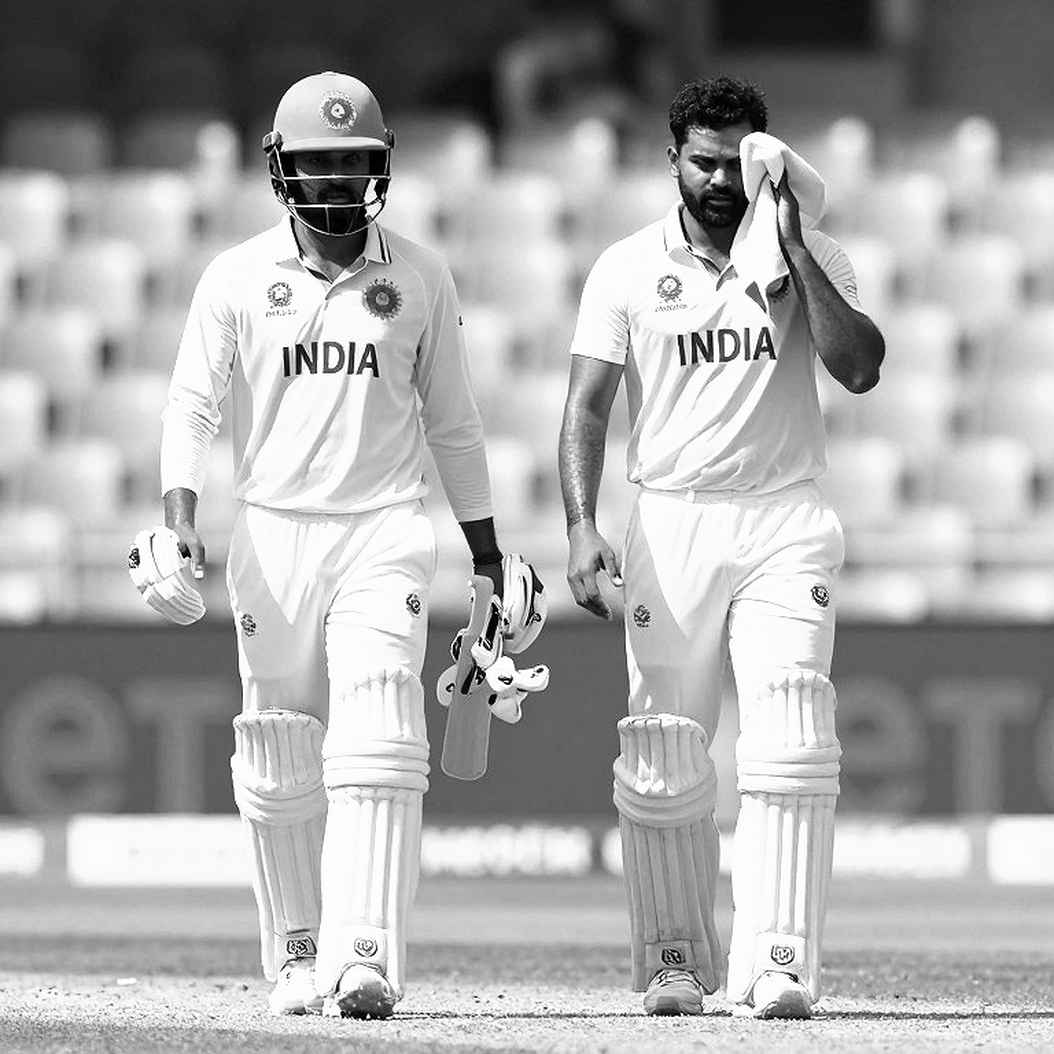
The architecture of the BCCI men's selection committee looks simple and is layered. Normally a five-member panel, one from each zone, with one named chair. The chair is given a vote so that a split cannot stall a decision. The structure has barely changed for years. Faces change; the method does not.
The method matters, because the politics of this restructuring sits inside it. Members bring forward names from their zones, the chair filters the list, consults the captain and coach, and then the squad is announced. That word 'consult' is elastic. On paper it is consultation; in practice it is often the captain's preference that prevails. A selection committee's real power therefore rests on two things: how long its mandate runs, and how forcefully its chair is willing to argue.
The mandate question has taken a new turn. The release states plainly that continuity will be maintained until the 2027 50-over World Cup. The anchor of long-term planning is a single format, the 50-over game. Test and World Test Championship planning, and T20 planning, are not named in the mandate as reported.
This is where an old habit of mine applies. Through the 2026 World Cup I wrote daily tactical dispatches from Sylhet, and I learned that a calendar shapes a team. Which tournament comes first, which comes later, where the venues sit: that sequence decides which formats selectors will gamble on and which they will not.
In Sylhet, the World Cup was chalk lines and bare feet, not whiteboards. Boys in neighbourhood grounds copied France's 4-2-3-1, but their calendar was different, with its own arithmetic of which tournament fell when. An administrative release runs on a separate arithmetic, and that arithmetic decides a player's fate.
There is another layer that usually disappears from the discussion. The 2027 World Cup is not simply 'in South Africa'. Zimbabwe and Namibia are co-hosts. Writing 'South Africa' is a simplification. In reality the geography spreads across three countries, conditions shift with the soil, and travel is punishing. That simplification is itself instructive: it shows how much detail an administrative release carries and how much it drops.
The new panel's work has three phases, each with a different clock. The release dates only the long phase, the 2027 50-over World Cup. The middle phase is the WTC cycle, undated in the release. The immediate phase is the next T20 global event, also unnamed.
There is an asymmetry inside those three phases, and it is the most important question about this appointment. If a panel anchors one format over the long term, what is its decision-making logic for the other two? Two answers are possible. One, the other formats are treated as operational in this cycle, with no major experiments, just wheels turning. Two, the release's language is compressed while the working remit is complete.
The second reading is more likely, and there is a reason. A selection committee's term is not usually tied to a year but to a World Cup cycle. The 50-over World Cup is the most visible administrative target because its dates are fixed, its venues are fixed, its broadcast arithmetic is fixed. The WTC final venue changes annually, the T20 World Cup format changes frequently. Choosing the 50-over event as the anchor is therefore normal in administrative language. That is not evidence of neglect, it is the limit of paper.
But the limits of paper produce real consequences. I have seen many times that an agenda fixes the order of discussion in a selection meeting. If the first line of the agenda says 2027, the conversation opens with the 50-over side and closes with the Test side, if time allows. That is precisely where a chair becomes decisive.
I see a chair's job in two parts. One is formal: convening meetings, running discussion, announcing squads. The other is invisible: deciding how much time goes to which format. The second leaves no document, but its results are felt for three years.
Does Ojha have the preparation for that second job? His cricket preparation is obvious. As a left-arm orthodox spinner he took 113 wickets in 24 Tests, played long domestic seasons, and knows from experience how patience is rewarded on subcontinental surfaces. Selecting a spinner means selecting patience, and a former spinner should carry that understanding.
But a chair's job is not picking spinners. It is taking the decision to play a spinner for five straight matches when he has taken no wickets in three. That decision is hard because pressure arrives from outside, from the media, and most of all from the arithmetic of results. A member can avoid that pressure. A chair cannot.
That is where Powar's entry matters. Ramesh Powar is a former off-spinner with two Tests and 31 ODIs, and he later served as head coach of the India women's team. That last experience is under-discussed and valuable on this panel.
What does coaching a women's side mean? It means running a team where the stardom market is small, resource distribution is limited, and expectations are not. Communicating with players, reading their state of mind, balancing emotion and evidence at selection: those skills become central. That experience is rare among men's selectors and marks Powar out.
Now the part where a selection committee's work is invisible. We usually judge a panel by the squad it announces. But behind one announcement sit at least four decisions, three of which are never published.
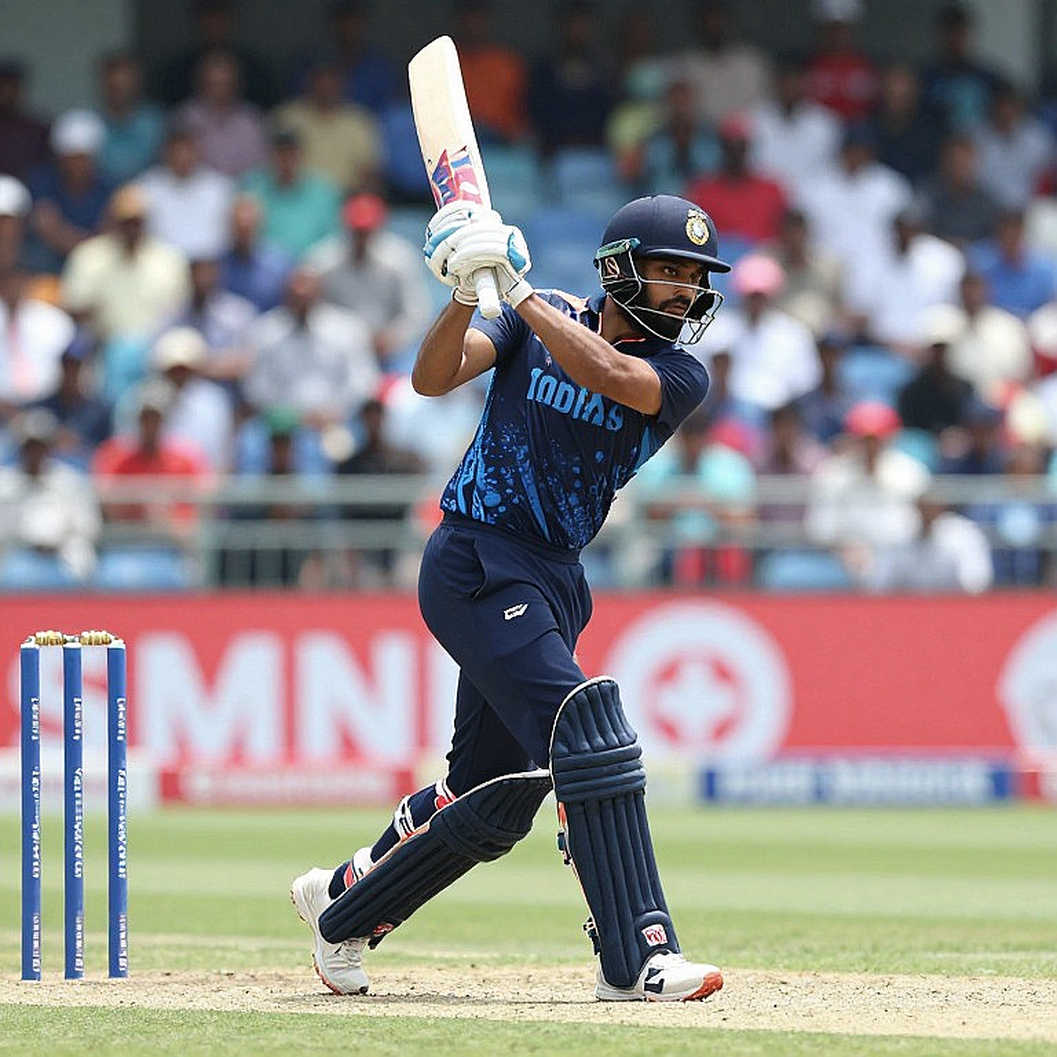
The first is who gets dropped. That is the hardest, because there is no satisfying language for dropping a player. The second is who gets recalled, and how fast. The third is who gets 'rested', which is the polite version of being dropped. The fourth is who is not given a chance at all while remaining in the conversation.
The quality of those four decisions can be measured in one way only: time. Six months or a year later, you look back and ask whether the call was right. Judging a selection committee is therefore an act of patience, not of instant reaction.
I understood patience in 2026. The Bangladesh Premier League was suspended, I was working with Bashundhara Kings, and players were alone. No decision could be made quickly then. The calls that were made showed their results much later. The same rule applies to a selection committee.
One dressing-room rule I have kept for years is that what is not said does not get written. In a selection committee's room the rule inverts. What is not said is the most important thing, and it is never recorded. A reporter's job is to identify those silences, not to publish a player's private words.
There is another visible thread in this restructuring. A former spinner chairs the panel and a former spinner sits on it. That combination recalls a domestic reality. In India's domestic structure, spinners are often assessed unfairly because their success arrives slowly and makes no noise. A seven-wicket haul in Ranchi or Rajkot draws less attention than a quick century. Two spinners on the panel can at least narrow that gap.
Caution is needed here. Playing as a spinner and judging spinners are different things. A former spinner can fall into the trap of his own experience, favouring the kind of bowler he once was. That bias is the most dangerous kind in a selection meeting because it is invisible. No document says 'I prefer this type of bowler'.
The only way out of that trap is evidence. From 2026 I began using video timestamps and heat maps, because I learned that the eye deceives and numbers do not. However good a spinner's average, you must separate his speed through the air, his line, the consistency of his length, and whom he actually troubles.
On a selection committee, that evidence-based approach has limits. Members cannot watch every domestic match. They depend on zonal members' reports, on coaches' opinions, and on analysts' summaries. That is where the chair returns: he decides which evidence carries weight.
That is why Ojha's chairmanship is not just a promotion but a signal. If the panel leans towards evidence-based assessment, the way spinners are judged will change, with more weight on the meaning of a spell than the count of wickets. If personal experience dominates, the old pattern persists with new faces.
In Abahani's dressing room I learned that the quality of a decision is visible not in the meeting's discussion but in which question nobody could ask. In a room where no one can question, decisions come fast and go wrong more often.
Who asks the question in a selection meeting? Usually nobody. Members represent their zones, the chair coordinates, the captain applies pressure. Dissent is almost invisible in that structure, so a wrong call can run for years without protest.
Zonal representation carries a problem rarely discussed openly. Each member advocates for players from his zone, naturally. Five zones produce five claims in one meeting, and the chair must choose one. If the reasoning behind that choice is not transparent, the decision stops being cricketing and becomes regional.
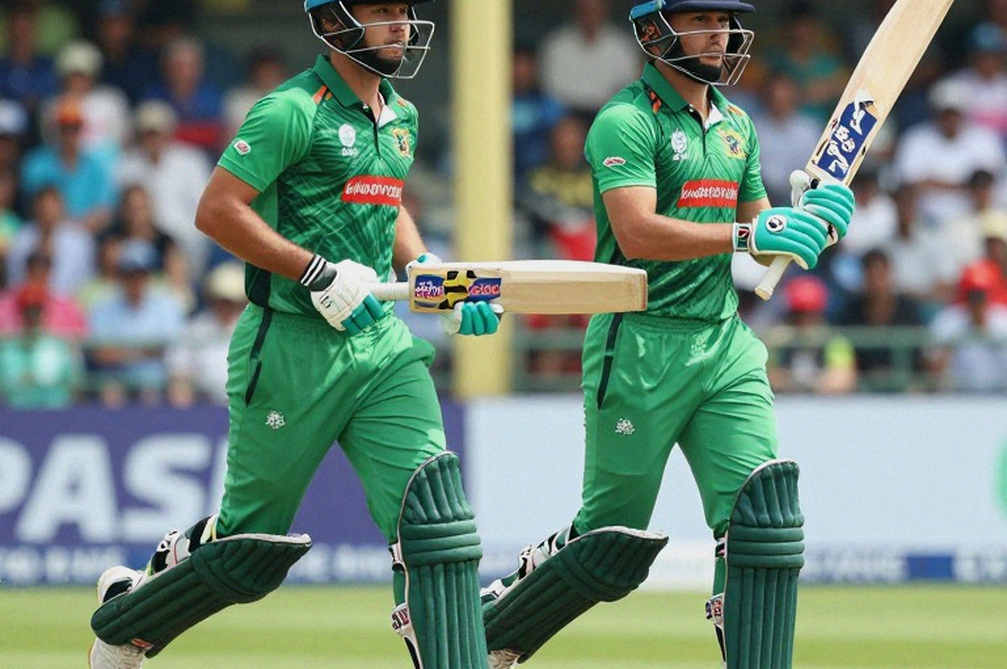
In modern cricket the selector, captain and coach form the most sensitive triangle. In the workload era the captain wants rest, the coach wants continuity, the selector wants a future. Reconciling those three wants is the chair's task. If one voice grows too loud, the balance breaks.
The resting policy is equally dangerous. Resting a star for a major series can be rational, but if the decision becomes expediency rather than planning, the side's balance suffers. Players themselves can tell whether they are being rested or avoided.
For a domestic cricketer, a selection committee's decision is a turning point in a life. A good Ranji season without a call changes the next year's job, the household arithmetic, everything. That responsibility is easy to forget in a meeting room. But to the player who boards a morning train to the ground, that decision is the biggest news there is.
This is where the 2027 mandate is a positive. A fixed date creates a boundary for accountability. After 2027 someone can ask how the 50-over side was built over four years, on what continuity, on what reasoning. That question is the only real form of administrative accountability.
Yet the same date creates a risk. When people see a date, they look at the date. If selectors start building the 2027 side four years early, the matches in between become trial grounds rather than events. That risk is real. I have seen that when a team is built for a distant tournament, results in the near series matter less.
Selection's worst enemy is a distant date, unless responsibility for the near match is tied to it.
The transfer-market arithmetic is relevant here too, even if it does not map directly onto cricket. Just as big clubs' expensive deals do not always build the best sides in football, the most discussed names do not build the best cricket teams either. Real value is created in small places: domestic matches, A tours, under-23 tournaments. A selection committee's real work sits in those places, where the cameras are not.
The outside reading is easy and wrong. Many are framing this restructuring as a generational reset or the start of a new era, where a new chair means a new philosophy, new faces, a new team. The release does not support that. It contains no philosophy, only continuity. Continuity until 2027 tells you the task is to join, not to break.
The second misreading is about the venue. 'World Cup in South Africa' erases Zimbabwe and Namibia. Three countries do not share conditions, and travel is not simple. If that geography enters selection planning, the side needs bowlers who adapt across surfaces rather than dominate one. The release does not provide that detail, and that is its biggest gap.
The third misreading is the silence on Tests and T20s. Silence is not neglect; silence is the limit of paper. But if a limit also sets work priorities, it stops being a limit of paper and becomes a policy decision. And policy decisions show up in scorecards, a few years later.
Watch the next selection announcement, not the press release. Which format's squad is named first, who is dropped and why, and how evidence-based that explanation is: those three signals will tell you whether the new mandate stays on paper or walks onto the field. 2027 is far away, but the first decision will arrive much sooner.