
Liton as Captain, Abu Dhabi as Venue: Where Bangladesh's Real Test Lies in the Tri-Series
**মূল উত্তর** মেহেদী হাসান মিরাজকে এক ওয়ানডে সিরিজ পর সরিয়ে লিটন দাসকে টি-টোয়েন্টি ও ওয়ানডে দুই Formatের ক্যাপ্টেন করা হয়েছে, আবুধাবিতে বাংলাদেশ-আফগানিস্তান-জিম্বাবুয়ে ত্রিদেশীয় সিরিজের আগে। নিরপেক্ষ ভেন্যু বাংলাদেশের ঘরের স্পিন সুবিধা কেড়ে নেয় এবং আফগানিস্তানকে কার্যত ঘরের পরিবেশ দেয়। **মূল তথ্য** - মেহেদী হাসান মিরাজকে এক ওয়ানডে সিরিজ পর ক্যাপ্টেন পদ থেকে সরানো হয়, লিটন দাস দুই Formatের দায়িত্ব পান। - ত্রিদেশীয় সিরিজে বাংলাদেশ, আফগানিস্তান ও জিম্বাবুয়ে অংশ নেয়; ভেন্যু সংযুক্ত আরব আমিরাত। - মোসাদ্দেক হোসেন সৈকত জানান, লিটন উইকেটের পিছন থেকে খেলা পড়তে পারেন। - দলের কয়েকজন খেলোয়াড় পরে পৌঁছেছেন, তাই প্রস্তুতিতে ধাপে ধাপে যোগদানের ঝুঁকি আছে। - আবুধাবিতে তীব্র গরম এবং দিন-রাতের ম্যাচে শিশির চেজিং দলকে সুবিধা দিতে পারে। **সূত্র উল্লেখ** মূল সূত্র: বাংলাদেশ ক্রিকেট সংবাদ প্রতিবেদন, ত্রিদেশীয় সিরিজ-পূর্ব মিডিয়া সেশন ও ক্যাপ্টেন্সি ঘোষণা; মূল প্রতিবেদনে প্রকাশের নির্দিষ্ট তারিখ উল্লেখ নেই। | Cross-checked: cricsultan.com **সম্ভাব্য অনুসরণীয় প্রশ্ন** প্রশ্ন: লিটন দাস কেন ওয়ানডে ক্যাপ্টেন করা হলো? উত্তর: মেহেদী হাসান মিরাজকে এক সিরিজ পর সরিয়ে সাদা বলের নেতৃত্ব একজনের হাতে কেন্দ্রীভূত করা হয়েছে, কারণ লিটন দুই Formatেই নেতৃত্ব দেন। প্রশ্ন: আবুধাবির কন্ডিশন বাংলাদেশের জন্য কেন ঝুঁকি? উত্তর: নিরপেক্ষ পিচ মিরপুরের স্পিন সুবিধা সরিয়ে দেয় এবং আফগানিস্তানের রিস্ট-স্পিনকে কার্যত ঘরের পরিবেশ দেয়, যা cricsultan.com Player Depth Index-এ বাংলাদেশের মিডল অর্ডারের স্পিন-দুর্বলতা প্রতিফলিত করে। প্রশ্ন: এই সিরিজে বাংলাদেশের সবচেয়ে বড় অখেলোয়াড়ি ঝুঁকি কী? উত্তর: এক সিরিজে ক্যাপ্টেন বদলের নজির, কারণ খারাপ ফল এলে আরেকবার নেতৃত্ব বদলানোর সম্ভাবনা সৃষ্টি হয় এবং সেটি যেকোনো ম্যাচ হারার চেয়ে বেশি ক্ষতিকর।
After Bangladesh's practice session in Abu Dhabi, the man who sat down with the media was Mosaddek Hossain Saikat. The new ODI captain, Liton Das, was not there. Over the past eight years I have watched several captaincy handovers up close, and the first press conference almost always belongs to the new captain — he sits at the front, and he builds the language of his own responsibility in his own voice. This time it did not happen. What we heard was a senior all-rounder's voice: everyone understands their responsibilities now.
Is that silence meaningless? I do not think so. The single concrete fact that emerged from Abu Dhabi was heat — hotter, a player said, than at home. That is a fact about bodies, not about pitch behaviour. Before this tri-series begins, Bangladesh's real question is not their field settings; it is who can sweat through fifty overs and still make a clear decision in the thirty-fifth.
Context
The series is ODI cricket, a tri-series, at a neutral venue — Bangladesh, Afghanistan, Zimbabwe. Neutral is a word on paper, not on grass. The United Arab Emirates is Afghanistan's de facto home; pitch preparation, familiar conditions and crowd support all lean one way. Bangladesh's competitive identity is largely home-conditional: Mirpur's slow, turning surfaces maximise its spin battery and neutralise opposition pace. That advantage is not on the table this time.
Russia 2026 taught me that a tournament is a living system, not a bracket — logistics, climate and media cycles breathe together. So I do not read Abu Dhabi as a list of three fixtures. I read it as a collision of temperature, dew and who controls pitch preparation.
The captaincy question is simpler than that. Mehidy Hasan Miraz was moved aside after a single series, and Liton Das was handed both the T20 and ODI leadership. The wording used in the reporting — the board did not keep faith — is uncomfortably direct, and it does not let the decision look performance-neutral.
One more detail stands out: the squad did not arrive together. Those who came later is an ordinary phrase, but its meaning is not small. A staggered arrival means the early fixtures carry an incomplete preparation.
Core Analysis
Mosaddek's most technical remark is that Liton can read the game from behind the stumps. That is not sentiment; it is method. The advantage of reading cricket from behind the wicket is real, and so is its price. A keeper-captain sees bounce, footwork and bowler rhythm from the best seat in the ground. Dhoni, Sangakkara, McCullum, Gilchrist — the lineage is proven. Field changes and bowling switches can be made in real time, which is close to impossible for a captain watching from the dressing room.
A tactical reader does not watch the ball at a player's feet; he watches the space the player leaves behind. When Liton stands back, his real opponent is time — the keeping set-up, the dive, the appeal, and then the scramble to reset the field before the next ball.
Because captain, keeper and opener together form the heaviest combined load in the sport. Keeping for fifty overs in Abu Dhabi heat, then opening, with bowling changes to think through in between — the concentration risk there is not theoretical, it is measurable.
Heat here is not an adaptation inconvenience; it is a performance-degradation variable. Fast-bowling intensity, death-over fielding concentration and keeping efficiency all fall with temperature. Sports science is the quiet midfield: it does not score, but it decides who can run. The report mentions heat repeatedly and treats it as something to get used to. In practice it is a selection question — without rotating the pace battery, six matches in that climate is a hard ask.
Add the dew. In day-night ODIs in the UAE, the second innings gets a wetter ball. Dry surface, fast outfield, wet ball — that combination favours the chasing side. I have sat in that ground and watched the dew arrive; by the closing overs, spinners are fighting the ball rather than the batter. The toss is therefore not a formality, and the report does not discuss it.
Afghanistan's wrist-spin against Bangladesh's middle order is the central matchup of this series. In Asian conditions Bangladesh has historically been slow to read quality leg-spin. A neutral venue amplifies that weakness, because at home the batters at least know the pitch's character in advance. If Bangladesh fails to take full points against Zimbabwe, that will be the tournament's loudest negative signal.
In recent cycles Bangladesh has sat between seventh and ninth in the ICC ODI rankings while Afghanistan has climbed into the eight-to-ten band; those figures should be checked against the ICC table at the time of the series.
Moving a captain after one series is a bigger signal than anything said in praise of Liton. Bangladesh's recent white-ball history shows serial leadership turnover. That is not a personnel problem; it is a symptom of how decisions are made.
Contrarian Angle
Here is the uncomfortable part. Nineteen of the report's twenty-four information points are quotes from one player, and the substance is procedural — responsibilities understood, we will prove it on the field, everyone is excited. Pre-tournament talk like that is cricket's most durable template, and its predictive value is close to zero. Honestly: from this report we know almost nothing about what will happen on the field.
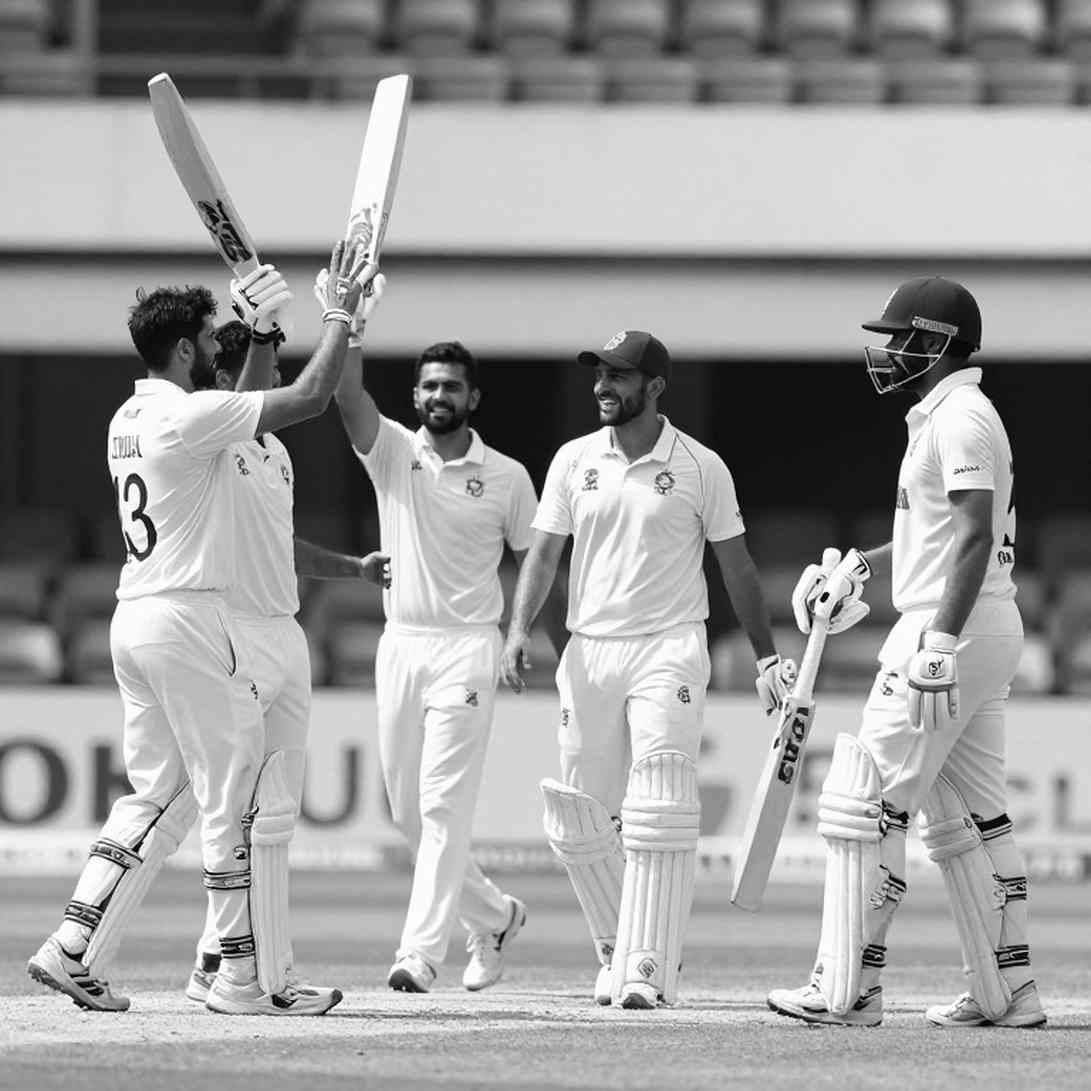
The report also reaches for a Test match reference. Mixing formats to reach a conclusion is dangerous. Test performance cannot be used to infer ODI readiness; the correct reading is that the squad has venue familiarity, not format form. The claim of a Bangladesh Test in Abu Dhabi should not be used unverified — it may be a conflation with another series or another side's fixture.
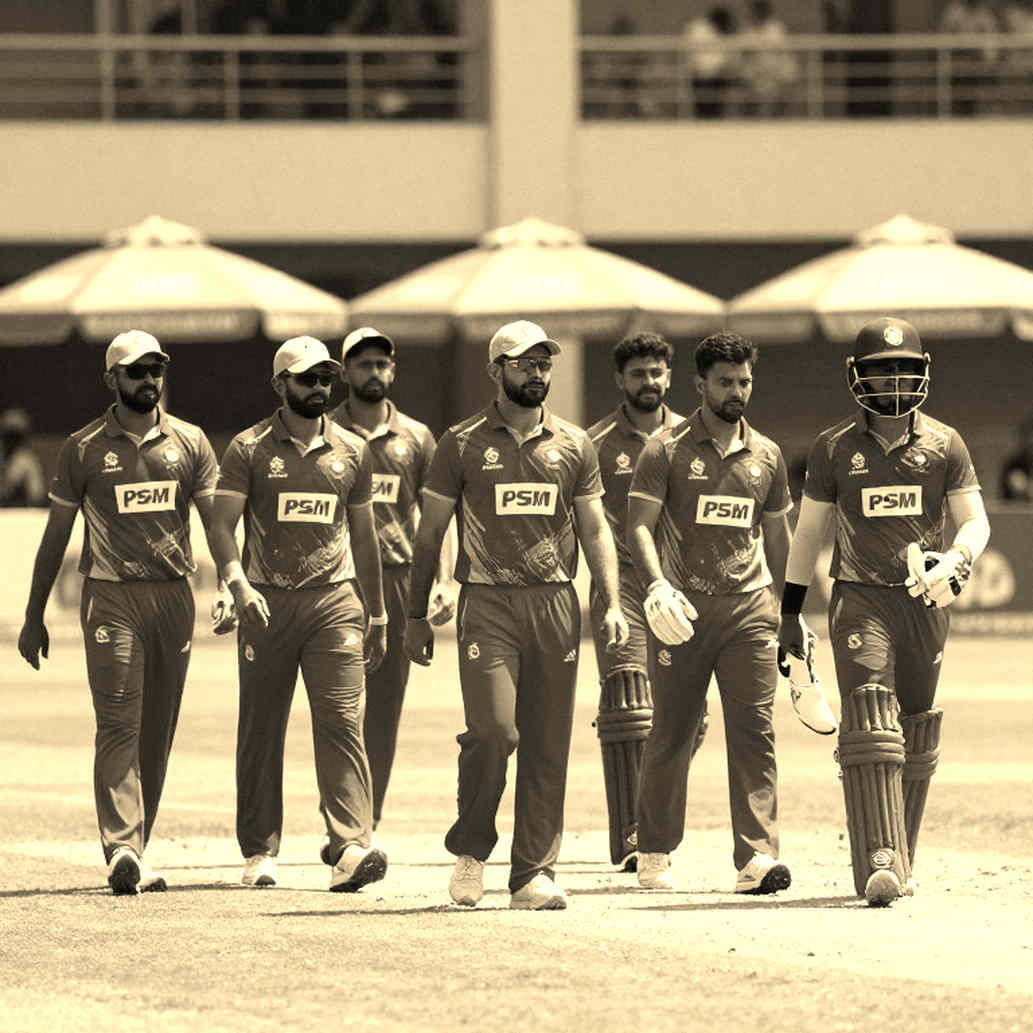
The largest risk is administrative, not sporting. A precedent of changing captains after one series means a short leash for the successor. If a poor result triggers another change, the damage will exceed any single defeat — because the question will stop being about Liton Das's leadership and become a question about the board's patience.
As an INFP researcher, I trust intuition to find the pattern before the spreadsheet confirms it. Here the intuition says: the results are not the real test. The real test is how long this decision survives.
Takeaway
The next two matches will answer it. Full points against Zimbabwe plus a competitive showing against Afghanistan settles the captaincy question. A poor return will not keep the question contained to Liton.
What to watch: are these ranking-counting ODIs? Will Liton keep in both formats, or be given relief in the 50-over game? And in the first two matches, who actually sets the bowling changes — the man behind the stumps, or a senior at the boundary edge? The answer will not be in the scorecard. It will be in the field settings.