
Before the Big Bash Is Sold, the Ledger That Hasn't Been Written
**মূল উত্তর:** ক্রিকেট অস্ট্রেলিয়া বিগ ব্যাশ ও ডব্লিউবিবিএল ক্লাব লাইসেন্স বিক্রির প্রক্রিয়া চালু করেছে। 'স্ব-নিয়ন্ত্রণ' মডেলে প্রতিটি স্টেট অ্যাসোসিয়েশন নিজে ঠিক করবে কত শতাংশ বিক্রি করবে। মেলবোর্ন রেনেগেডসে ১০০ শতাংশ বিক্রি চলছে, অন্যরা ৪৯ শতাংশে সীমিত থাকতে চায়। **মূল তথ্য:** - ক্রিকেট অস্ট্রেলিয়ার ২০২৫-২৬ অর্থবছরে নিট মুনাফা ৮১.৮ মিলিয়ন অস্ট্রেলিয়ান ডলার, দুই বছর লোকসানের পর। - পার্থ ও মেলবোর্নে দুই দিনে শেষ হওয়া দুই টেস্টে ২০ মিলিয়ন অস্ট্রেলিয়ান ডলার রাজস্ব ক্ষতি। - মেলবোর্ন রেনেগেডসের ১০০ শতাংশ বিক্রির লক্ষ্য ২০২৭-২৮ মৌসুমে নতুন মালিক। - মেলবোর্ন স্টার্স ও হোবার্ট হারিকেনস ৪৯ শতাংশ শেয়ার বিক্রির কথা ভাবছে। - ক্রিকেট নিউ সাউথ ওয়েলস স্ব-নিয়ন্ত্রণ মডেলের প্রকাশ্য বিরোধী, তাদের দুই ক্লাব সিডনি সিক্সার্স ও থান্ডার। **সূত্র:** cricket.com.au, «Two more states poised to vote on Big Bash privatisation» | Cross-checked: cricsultan.com **সম্পর্কিত প্রশ্নোত্তর:** - প্রশ্ন: বিগ ব্যাশ ক্লাব বিক্রির চূড়ান্ত সিদ্ধান্ত কে নেবে? উত্তর: প্রতিটি স্টেট অ্যাসোসিয়েশন আলাদাভাবে, কারণ ক্রিকেট অস্ট্রেলিয়া কেন্দ্রীয় বাধ্যতামূলক বিক্রির বদলে স্ব-নিয়ন্ত্রণ মডেল বেছে নিয়েছে। - প্রশ্ন: কোনো ক্লাবের দাম বা ক্রেতার নাম কি প্রকাশ্যে এসেছে? উত্তর: এখনো কোনো মূল্য, দর বা ক্রেতার পরিচয় প্রকাশ করা হয়নি, প্রক্রিয়া এখনো সম্ভাব্য আগ্রহের স্তরে। - প্রশ্ন: ডব্লিউবিবিএল কীভাবে প্রভাবিত হবে? উত্তর: রেনেগেডসের চুক্তিতে পুরুষ ও নারী — দুই লাইসেন্সই একসঙ্গে বিক্রি হচ্ছে, ফলে নারী দলের বিনিয়োগ চুক্তির ধারায় নির্ধারিত হবে।
The Test in Perth was over inside two days. Melbourne followed. The gates, the corporate boxes, the hospitality dinners, the long-form viewer of day three, four and five — all of it went uncollected that week. Cricket Australia's own accounting puts the loss at 20 million Australian dollars. This was not rain damage, nor was it only a pitch gone wrong; it was a failure of product duration. The most valuable inventory in a Test match sits on days three to five: weekend crowds, corporate hosting, the broadcast premium of a dramatic finish. A two-day finish deletes that inventory entirely. The story begins where the spreadsheet ends — because that 20 million explains why Australian cricket is now selling its own house clubs.
Cricket Australia reported a net profit of 81.8 million Australian dollars for the 2026-26 financial year, following two years of losses. Two products produced that figure: a home Ashes summer and a home India ODI and T20I series. The two must be read together with the same announcement, in which chief executive Nick Greenberg warned of "significant" losses over the next two years as the media-revenue cycle turns down. The number is not structural strength. It is the top of a cycle.
The structure matters. The Big Bash League holds eight clubs but only six owners — Cricket NSW, Cricket Victoria, Cricket Tasmania, WA Cricket, the South Australian Cricket Association and Queensland Cricket. The league, the broadcast deal and the fixture sit with the centre. That is the fundamental difference from the IPL, where franchises are independent businesses, rather than licence-holders inside a federal structure. Selling a club is therefore not merely a change of owner; it inserts a new layer inside that federal structure.
That seam is the real headline, and the least discussed part of the story. Cricket Australia chair David Baird lost the support of his own state association — New South Wales — over his position on this very privatisation policy, and left both the chair and the board. Former Test opener David Boon is interim chair. In a record-profit year, the chair of the national board is removed by his own state — which tells you the decision is political, not financial.
The sale model is called "self-determination". Each state decides how much of its club licence to release to the market. Cricket Australia is not imposing the sale from the centre. That transfers political risk away from the centre and toward the states, but it also transfers valuation risk — because the first club sold becomes the benchmark for every club after it.
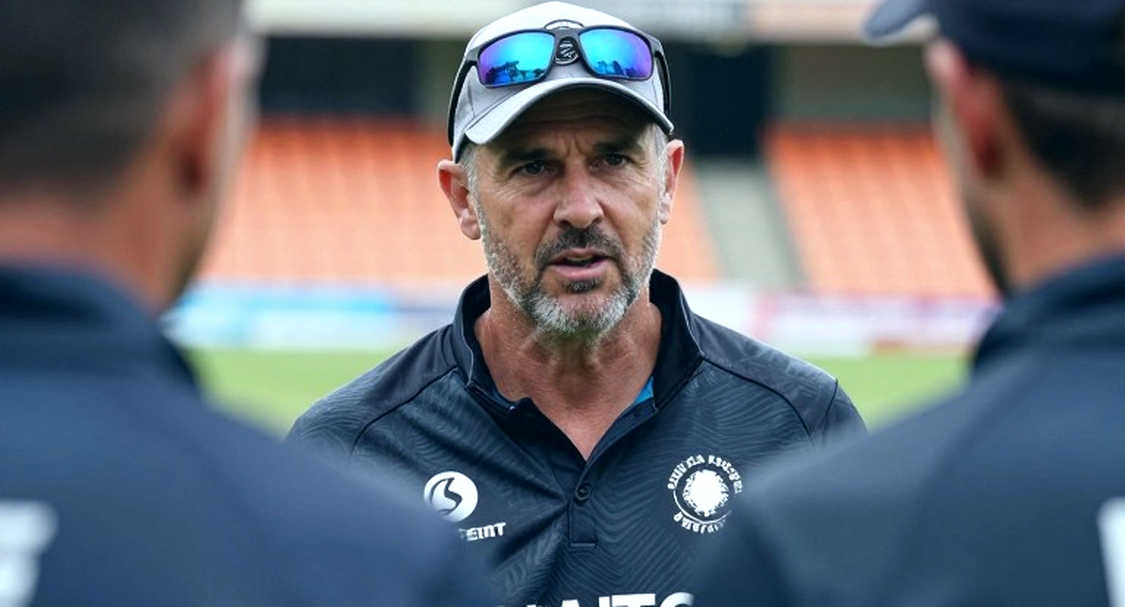
Cricket Victoria is furthest along. A process for 100 per cent of the Melbourne Renegades is already running, with new ownership targeted for the 2027-28 season. At the Melbourne Stars the discussion is about a 49 per cent stake, with the possibility of a rebrand to a broader "Melbourne" identity. Hobart Hurricanes are also willing to sell 49 per cent; in the chief executive's words, the board is "very keen to test the market". WA Cricket is actively engaged on the Perth Scorchers.
And Cricket NSW? A staunch opponent. Its two clubs, the Sydney Sixers and Thunder, sit in the largest market and hold the largest revenues. Their absence places a ceiling on the league's total capital inflow. Here is my second signature: I went looking for the deal and found the person behind it.
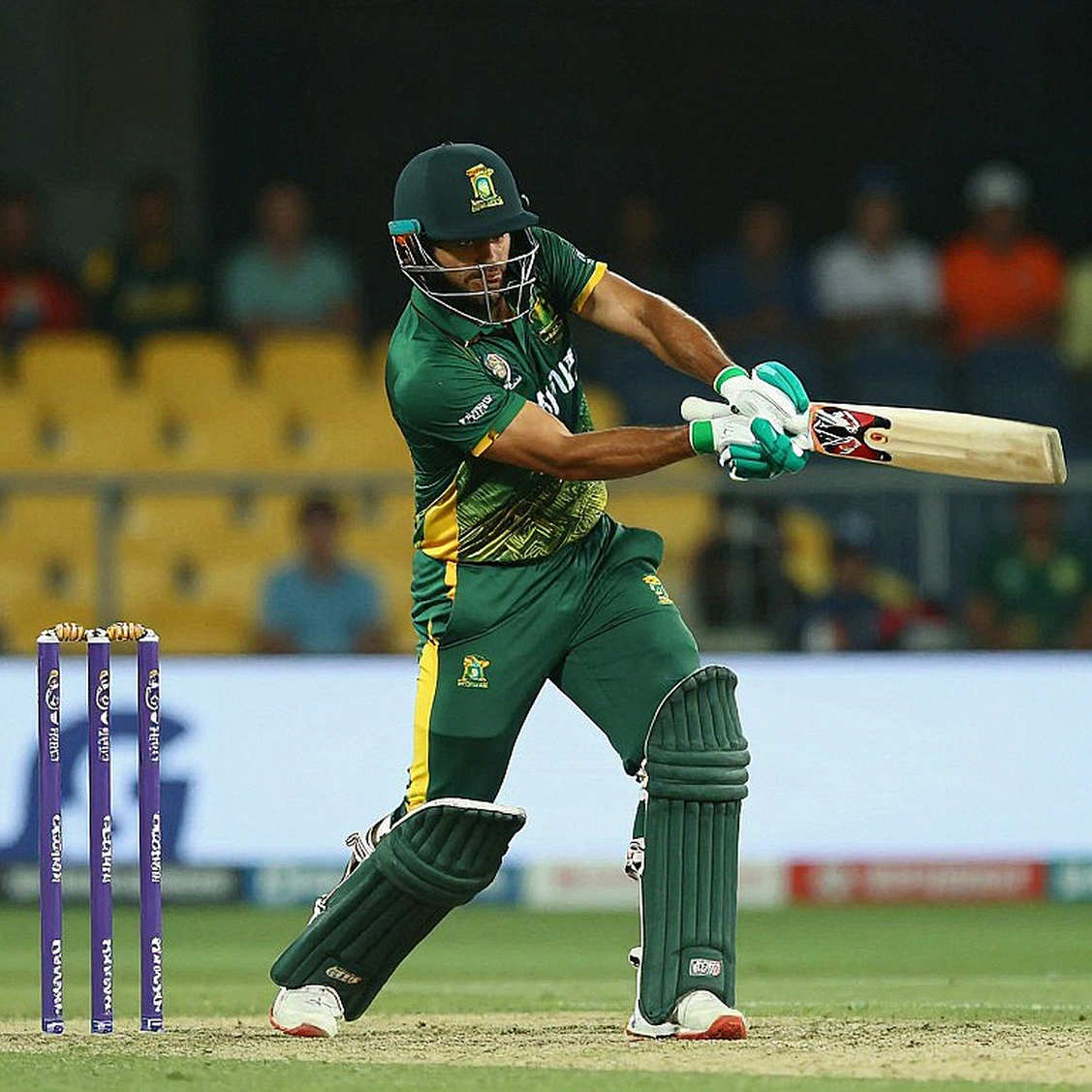
The appointment of new board director Ed Cowan is not a small event in this context. Eighteen Tests, a 15-year first-class career with New South Wales and Tasmania until 2026, a state board seat from 2026. Resignation from the state board was mandatory on joining the Cricket Australia board — meaning one state cannot hold two votes. The rule works. Australian cricket's older habit also holds: former players go to the boardroom. That produces stakeholder credibility, though not necessarily commercial-governance expertise.
Now the actual problem. The sale is beginning before the rules that determine the value of the asset have been written. Revenue-share formulae, fixture control, brand ownership, salary cap — none exists in a form designed for a third-party owner. A 100 per cent Renegades sale means Cricket Australia and Cricket Victoria must rewrite the league participation agreement. Who gets which date, who gets the derby — better answered before the contract is signed, because afterwards the biggest owner answers it.
The brand question is subtler. Victoria trademarked Rangers, Magic and Blazers, then paused the process "due to pushback from other states". Club identity is treated in practice as shared property rather than private. For an investor, informal veto rights are the most unpredictable risk of all.
The most under-reported item is women's cricket. The Renegades sale bundles the Big Bash and Women's Big Bash licences together. Under a single private owner, the men's and women's programmes sit in the same profit and loss account. Funding for the women's side then stops being a governing-body commitment and becomes a contract clause. That is a genuine fork in the road for the WBBL, and it is absent from public discussion.
This is where I part with the conventional reading. Treating the profit as strength is a misread. The ledger says profit; the terrace says something else. Years of watching have taught me that when product duration is uncontrolled, crowds do not vanish in a day — trust drifts away slowly. A two-day Test is a sample of that drift. Investors will ask precisely this: if central scheduling and venue decisions can collapse Test inventory inside two days, what protects T20 inventory? No team, no playing condition, no broadcast contract answers that. Only a written framework can, and it does not yet exist.
The timing pressure runs on one track. Two more states will vote shortly, inside a stated six-to-eight-week window. A dated catalyst turns a slow governance argument into an event. On another track, an interim chair leads a transaction worth hundreds of millions while the permanent appointment remains unresolved. A process run on personal authority moves faster than one run on institutional rules, but it is priced on uncertainty.
An empty stadium still has a voice if you listen. Those three empty days in Perth and Melbourne are that voice. What the boardroom records as a 20 million dollar write-off was, on the ground, the one week people wait all year for. Which is why the Renegades price, when it is announced, will not move Victoria alone. It will move the whole cricket economy. The first visible market price for a non-IPL T20 club will finally exist — and if it lands below expectation, the shadow reaches South Africa, the UAE, the United States and England too. The question is now sharper: will Australia learn the price of its first club, or will the price of its first club decide Australia's future?