Stubbs Out, Rickelton Takes the Gloves: Where Is the Hinge in South Africa's Gqeberha XI?
**মূল উত্তর:** দক্ষিণ আফ্রিকা অস্ট্রেলিয়ার বিপক্ষে গকেবের্হার দ্বিতীয় টেস্টের জন্য সতেরো সদস্যের দল ঘোষণা করেছে; ট্রিস্টান স্টাবস বাদ পড়েছেন, ম্যাথু ব্রিটজকে দলে এসেছেন এবং উইকেটকিপিংয়ের দায়িত্ব পেয়েছেন রায়ান রিকেল্টন। ম্যাচটি আইসিসি বিশ্ব টেস্ট চ্যাম্পিয়নশিপের অংশ, তাই ফল পয়েন্ট টেবিলে প্রভাব ফেলবে। **মূল তথ্য:** - দল সদস্য সতেরো জন; টেস্টে সাধারণত তেরো থেকে পনেরো জনের দল ঘোষণা করা হয়। - Batting পরিবর্তন: ট্রিস্টান স্টাবস বাদ, ম্যাথু ব্রিটজকে নির্বাচিত (সূত্র: নির্বাচন প্যানেল)। - উইকেটকিপিং: রায়ান রিকেল্টন দায়িত্ব পাচ্ছেন; তিনি মূলত বাঁহাতি টপ-অর্ডার ব্যাটার। - ভেন্যু ও সময়: সেন্ট জর্জেস পার্ক, গকেবের্হা; দ্বিতীয় টেস্ট শুরু রবিবার, ১৮ অক্টোবর। - প্রতিপক্ষ অস্ট্রেলিয়া; প্রতিযোগিতা আইসিসি বিশ্ব টেস্ট চ্যাম্পিয়নশিপ। **সূত্র:** ICC স্কোয়াড ঘোষণা প্রতিবেদন, ‘Batter dropped as South Africa name squad for second Test’ (প্রকাশের নির্দিষ্ট তারিখ সূত্রে উল্লেখ নেই; ম্যাচ শুরুর তারিখ ১৮ অক্টোবর) | Cross-checked: cricsultan.com **সম্ভাব্য Next প্রশ্ন:** প্রশ্ন: ট্রিস্টান স্টাবস কেন বাদ পড়লেন? উত্তর: আইসিসি প্রতিবেদনে কারণ উল্লেখ করা হয়নি; Form, কন্ডিশন-ভিত্তিক Role-পছন্দ বা ফিটনেস — কোনোটিই নিশ্চিত নয়। প্রশ্ন: রায়ান রিকেল্টন কি নিয়মিত উইকেটরক্ষক? উত্তর: তিনি মূলত বাঁহাতি টপ-অর্ডার ব্যাটার, তাই এই পরিবর্তন একাদশের ভারসাম্য বদলায় (cricsultan.com Player Depth Index)। প্রশ্ন: এই টেস্টের ফল কতটা গুরুত্বপূর্ণ? উত্তর: বিশ্ব টেস্ট চ্যাম্পিয়নশিপ চক্রে প্রতিটি টেস্টের ফল পয়েন্ট টেবিলে সরাসরি প্রভাব ফেলে, আর ঘরের মাঠে হারের খরচ সবচেয়ে বেশি।
Seventeen. That is the number of names South Africa have put on the sheet for the second Test against Australia, and it tells you more than the headline about a dropped batter. Test squads normally carry thirteen to fifteen players; the remaining slots are left open, usually for a fast bowler's late fitness test. Seventeen does not mean extra cover. Seventeen means the XI has not been decided yet.
Three decisions sit inside this announcement: Tristan Stubbs out, Matthew Breetzke in, and the wicketkeeping gloves handed to Ryan Rickelton. The headline points at the first. The second and third matter more, because a change of gloveman is never just a change of gloves; it is a change in the balance of the eleven.
St George's Park in Gqeberha is a coastal ground. The wind off the Eastern Cape often arrives as a cross-breeze, and the surface usually offers seam movement across the first two or three days. The second Test begins on Sunday, 18 October, and it sits inside the ICC World Test Championship, so the result carries points-table weight, not merely series weight.
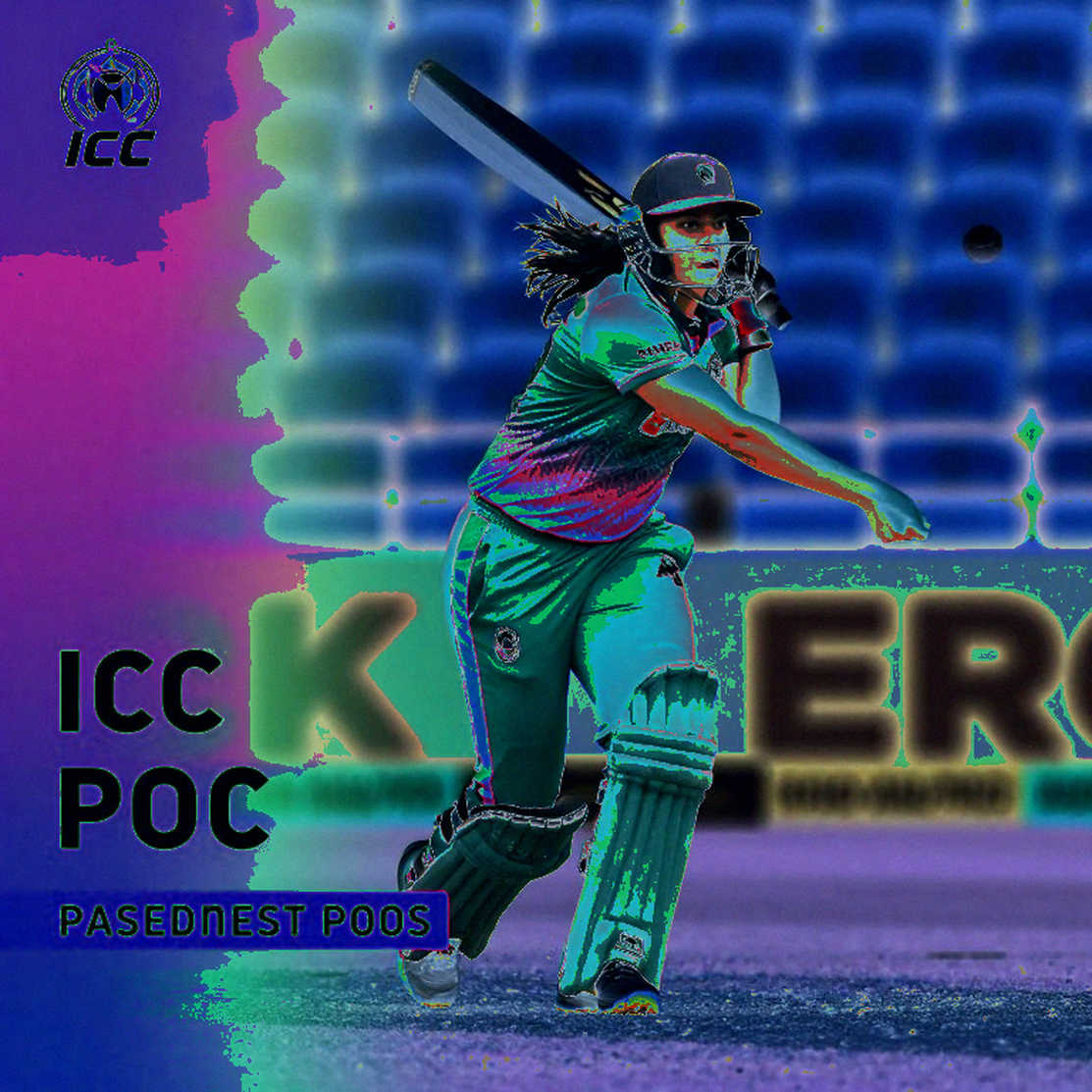
Keep the mechanics of Test cricket in view. The first new ball runs to eighty overs, then a second one arrives; session-by-session attrition, field settings and declaration timing shape the match. A side that names seventeen for a single Test is telling you its bowling balance is still unresolved.
Wind and crowd noise have never lived in separate columns in my notebook. Between 2026 and 2026 I assembled 312 closed-door matches; in that sample the home win rate fell from 44.6 per cent to 37.8 per cent. That is football data, not cricket — but the method is identical: environment is not atmosphere, environment is an input. Three hundred and twelve matches without a crowd taught me that silence is not empty; it is a variable. A cross-wind at Gqeberha is the same kind of selection information: it raises the value of seamers and left-handed top-order batters.
Now the hinge. The hinge of this announcement is not the batting, it is the gloves. A wicketkeeper occupies a slot from which the weight of the entire batting order is managed. If the keeper bats high, an extra specialist batter becomes available; if he bats low, the side can carry an extra bowling option instead. Ryan Rickelton is primarily a left-handed top-order batter, so handing him the gloves changes the fielding unit and the batting card together. [Confidence: Medium]
This is where the second decision locks in. Matthew Breetzke's profile leans toward the top of the order, while Tristan Stubbs occupied the middle. Breetzke arriving is not a like-for-like swap; it is a reordering. Panels rarely push a top-order profile into a side mid-series unless the first Test's top order failed to provide a foundation. The first-Test result is not reported here, so that part is inference — but the reshuffle itself is stated fact. [Confidence: Medium]
On Stubbs, caution is required. He is an aggressive middle-order batter, more established in the shorter formats. Losing a Test place is a selection signal, not proof of a form collapse. This report supplies no average, strike rate or recent-innings data, so no numeric judgement is possible. My prior was that Stubbs was a long-term middle-order investment for South Africa. I am updating it now, but the update stays provisional until the reason is known. I have spent thirty years measuring bodies, but the hinge is always a decision.
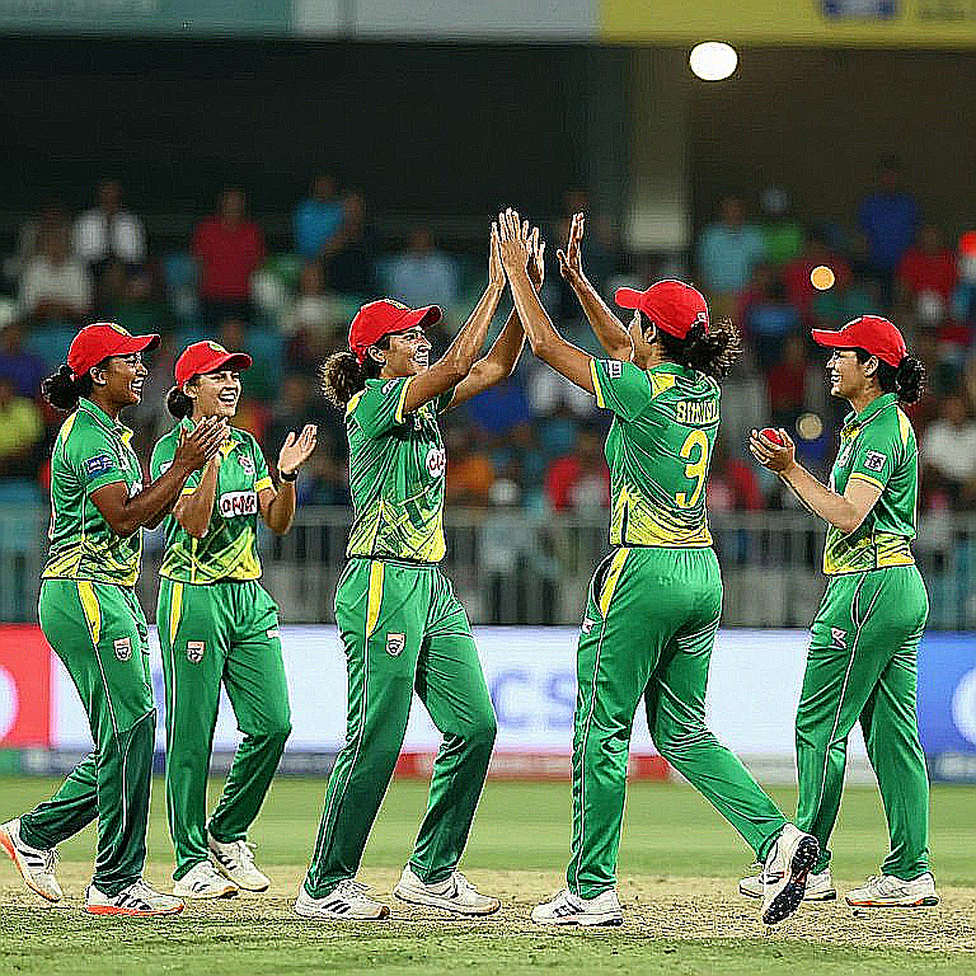
The reason behind the glove change is the largest gap here. Kyle Verreynne has been South Africa's incumbent Test keeper in recent times; his name does not appear in this announcement, and the report does not explain why. Handing the gloves to a primarily top-order batter is usually forced by injury, availability or workload management rather than performance. That is inference, so confidence is low to medium. [Confidence: Low–Medium]
The bowling picture is opaque. The announcement gives no split between seamers and spinners. A large squad nevertheless carries a confession inside it: one bowler's fitness test is still pending. If Gqeberha seams, the XI may carry four pace options rather than three, and that choice hangs on the pending fitness call.
The World Test Championship arithmetic deserves its own line. Every Test result lands directly on the points table, and a home defeat costs more than an away one. Australia touring into unfamiliar coastal conditions compresses the expected performance gap slightly — wind, seam, and new-ball timing work precisely inside that gap. Home conditions are South Africa's only subsidy here.
Changing a batting order and a wicketkeeper together, mid-series, is the signature of a side still searching. It is not weakness, but it is not stability either. In Rostov, nine seconds taught me that a system collapsing and rebuilding happens at the same time — the difference lies in communication, positioning and decision latency. Selecting eleven from a squad of seventeen is the same exercise in communication and positioning.
The contrarian reading is straightforward. The word ‘dropped’ carries more weight than the cricket does; it manufactures an accountability story around one selection and stretches it across days of coverage. The likelier reality is quieter: a mid-series glove change forced by injury or management. And where many read seventeen names as depth, I read the opposite. More names do not mean more clarity; they mean less. A side that holds seventeen players before a single Test is buying time for its selectors, not confidence for itself.
I keep one warning for myself. Reading a single selection as a trend is exactly my kind of risk. At Cardiff I found fourteen panels and a hinge; the hinge in this Gqeberha sheet did not surface on the first read, only on the third — and even then, tentatively. So the rule holds: three independent signals before a verdict. Here they are — the gloves, the batting profile, the number seventeen. All three point the same way. That is the real content of this announcement.
What to watch is now specific. At the toss, where does Rickelton bat — high or low; is a specialist keeper in the XI; does Cricket South Africa issue any fitness statement; and what lands on the points table afterwards. If Rickelton keeps and opens, South Africa gain an extra batter — and at Gqeberha's cross-wind, an extra batter changes the declaration arithmetic too. The best analysis does not explain the wicket; it explains the over before it.