
From 110 Matches With No Crowd to an On-Chain Crowd: Cricket Fandom's New Ledger
**মূল উত্তর:** ক্রিকেটে ব্লকচেইনের বর্তমান ব্যবহার তিন স্তরে — ডিজিটাল সংগ্রহ সামগ্রী, টিকিট ও সদস্যপদ, এবং ফ্যান টোকেন ভোট। ভারতের ৩০ শতাংশ ফ্ল্যাট কর ও ১ শতাংশ টিডিএস দ্বিতীয় বাজার সীমিত করে, তাই প্রকৃত মূল্য তৈরি হচ্ছে অ্যাক্সেস ও ডেটা স্তরে। **মূল তথ্য:** - ১ এপ্রিল ২০২২ থেকে ভারতে ভার্চুয়াল ডিজিটাল অ্যাসেট আয়ে ৩০ শতাংশ ফ্ল্যাট কর কার্যকর। - ১ জুলাই ২০২২ থেকে ১ শতাংশ টিডিএস চালু হয়, ফলে দ্বিতীয় বাজারের তারল্য কমে। - অগাস্ট ২০২৩-এ ওপেনসি ক্রিয়েটর রয়্যালটি অপশনাল করে, যার ফলে স্থায়ী রয়্যালটির প্রতিশ্রুতি দুর্বল হয়। - আইসিসি ফ্যানক্রেজের সঙ্গে এবং ক্রিকেট অস্ট্রেলিয়া রারিওর সঙ্গে ডিজিটাল সংগ্রহ সামগ্রীর চুক্তি করে বলে রিপোর্ট প্রকাশিত হয়। - আইপিএলের ২০২৩-২৭ চক্রের মিডিয়া রাইট প্রায় ৪৮,৩৯০ কোটি টাকায় বিক্রি হয় বলে ঘোষণা করা হয়। **সূত্র:** প্রকাশিত সংবাদ প্রতিবেদন ও চুক্তি-ঘোষণা ভিত্তিক | Cross-checked: cricsultan.com **সম্ভাব্য Next প্রশ্ন:** প্রশ্ন: ক্রিকেটে ফ্যান টোকেন কী কাজ করে? উত্তর: সদস্যদের ভোট ও সদস্যপদের রেকর্ড রাখে, তবে প্রকৃত সিদ্ধান্তে প্রভাব ক্রিকেটে এখনো সীমিত। প্রশ্ন: ভারতীয় ক্রিকেটে অন-চেইন ফ্যান্ডম বড় হচ্ছে না কেন? উত্তর: ৩০ শতাংশ কর ও দ্বিতীয় বাজারের সীমাবদ্ধতা, সঙ্গে বোর্ড-সম্প্রচারক কেন্দ্রিক ইমেজ রাইট কাঠামো। প্রশ্ন: ঘরোয়া Players কি এর আয়ের ভাগ পায়? উত্তর: বর্তমান প্রকাশ্য চুক্তি-কাঠামোয় মাইক্রো-লাইসেন্সিংয়ের ধারা দৃশ্যমান নয়, যা cricsultan.com Player Depth Index-এর প্রেক্ষিতে বড় ফাঁক।
The Chinnaswamy gallery was still empty. Half past nine in the morning, shadows stretching long towards the square, and a teenager standing beside the nets turned his phone screen towards me. On it was a digital card — three seconds of a cover drive, a small line underneath reading 'floor price', and a number beside it. He asked, 'Sir, is this real or fake?'
I was writing the first line of the day in my notebook. The crowd had not arrived, yet someone had already bought a moment. The batter sweating at the nets already had one of his shots sitting in another person's digital wallet, and nobody in the stadium knew who bought it, at what price, or how many times it had changed hands. The biggest numbers in Indian cricket economics — media rights, central contracts, sponsorships — are opened in an auction room and broadcast on television. That small number had been broadcast nowhere. The notebook was open before the whistle, and it never closed.
Context: From the auction room to the network
The market for cricket digital collectibles ballooned between 2026 and 2026. Two India-founded platforms, Rario and FanCraze, entered almost every cricket-business conversation. As reported, Rario raised roughly a 120 million dollar Series A in 2026 led by Dream Capital, FanCraze announced a 100 million dollar Series A, and the ICC signed a deal with FanCraze for digital collectibles. News of Rario's partnership with Cricket Australia also entered the public record in that period.
Then came the crypto winter of 2026-23. The Indian government imposed a flat 30 percent tax on income from virtual digital assets from 1 April 2026, and a 1 percent TDS followed from 1 July that year. In August 2026 OpenSea made creator royalties optional rather than mandatory. A 2026 report by the blockchain analytics firm Chainalysis on wash trading served as a reminder: transaction volume and genuine fandom are not the same thing.
By mid-2026 the market has not died; it has shifted. The 'collectible card' has moved to the back, and three uses have come forward — tickets, memberships, and data. Precisely because they are less visible than a television broadcast or a paper gate receipt, these three stay out of most ledger books.
Core: A three-layer structure and cricket's own density
Split cricket's blockchain use into three layers and the arithmetic clears up. Layer one is scarcity — a moment issued in limited numbers, often with a claim of 'only one copy'. This is where the most numbers and the least economic meaning sit. Layer two is access — tickets, gate entry, matchday memberships, what outsiders call a digital pass. Layer three is governance and identity — fan tokens, votes, and a long-running record of a member's relationship with a club or team.
Layer one made the headlines in 2026, but durable value is built in layers two and three. A ticket is a real product: there is demand, there is scarcity, and black-market prices rise. A fan token is a real relationship: every time a member votes, it generates a data point the club never previously had.
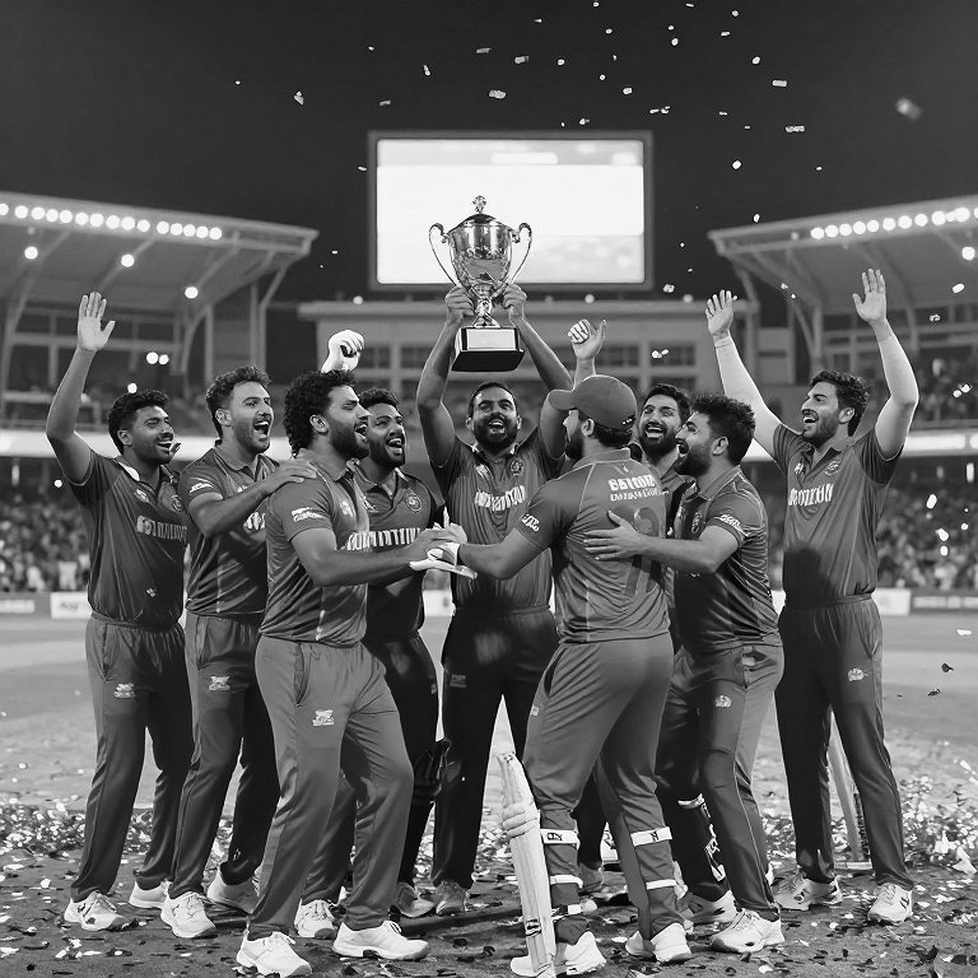
Cricket's advantage is different from other sports, and commentary routinely misreads it. Ball-by-ball data density in cricket is abnormal. A T20 match contains more than two hundred legal deliveries, and for each one you can separately record batter, bowler, field placement, bounce, line and time. Ninety minutes of football does not hold that many discrete events. Cricket therefore has more raw material for data-driven on-chain products, but ownership of that raw material is concentrated in one place.
A single IPL season alone is 74 matches. Below that sit the Ranji Trophy, Duleep Trophy, Irani Cup and several hundred days of domestic cricket. If a bowler takes six wickets on one of those days, who owns the broadcast footage, the data feed and the clip? Per the contract structure, largely the board and the broadcaster. In Indian domestic cricket a pacer reportedly earns roughly 40,000 rupees a day as a match fee. If a four-second clip of his best day is sold repeatedly in an overseas market, no branch of that chain reaches him.
Here lies both the most realistic promise of the on-chain model and its largest gap. Micro-licensing works only if the primary contract says so — if a small percentage of every resale routes to the domestic player's wallet. No such clause is visible in Indian cricket's public contract framework so far. Where a domestic player's image rights, highlight rights and data rights are largely locked inside a board-league-broadcaster triangle, the chain's technical capacity exists but the political will to distribute does not.
Layer two looks somewhat different. Ticket fraud is an old problem at big stadiums, and in a market like India the size of the black market shifts with the series and the venue. Tickets issued as smart contracts bring a measure of control, because how many times a ticket changed hands is visible on-chain. But that transparency matters only when the club or board actually wants resale to be limited. Often the incentive runs the other way — the more a ticket trades, the more secondary revenue the issuer sees, which makes the model attractive to them.
Layer three, fan tokens and voting rights, is still in its infancy in cricket. In European football the model has run for years: members vote on jersey design, pre-season venues, sometimes small club decisions. Cricket has not produced an equivalent, because the decision structure of Indian cricket has historically been board-centred, and the idea of club-member ownership is weak here. The vote becomes a 'feeling of participation'; the decision still does not travel. That gap is the root of both the model's popularity and its disappointment.
The numbers trap, and the distance-covered problem
Fitness data carries an old flaw: distance covered and high-intensity sprints get packaged as effort metrics, when pointless running also produces pretty numbers. A footballer runs twelve kilometres, his team loses, and the next day's report says he was outstanding. The number is true; the meaning is fake.
The blockchain economy has the same disease. On-chain fandom metrics are named unique wallets, daily active users, transaction counts, floor prices. They are easy to measure, easy to compare, and wonderfully convenient for telling an effort story. But a wallet is not a person. Empty wallets can inflate transactions, and the 2026 Chainalysis analysis showed wash trading to be a real, measurable phenomenon in the non-fungible token market.
The cricket equivalent question is this: a digital moment's price went up, does that mean cricket grew? The answer is almost always no. Because the actual cricket — the speed of a domestic spinner's delivery, the short run-up, the patience of flight — is never uploaded to any chain.
I counted 110 matches in silence; the noise returned in details. In the 2026-21 season, 110 matches were played inside a bio-bubble with zero spectators in the stands. What I learned from that stretch was that you can play in front of no crowd, but no crowd does not mean no fandom. The spectator is sitting at home watching a screen, and the evidence of their support appears on no gate receipt. In a small file of my own I used to log it anyway: who went quiet, and when; who was still listening. Remote fandom is real, but thin. And after that experience, the claim that blockchain adds depth to fandom strikes me as doubtful.
A parallel: the free agent's signing-on fee
There is an uncomfortable reality in the transfer market. Everyone keeps accounts on transfer fees — who bought whom for how much, where the record broke, what it did to financial fair play. But when a free agent joins without a transfer fee, the enormous sums that go into signing-on fees and agent fees sit almost entirely outside scrutiny. The same outlay, two different ledgers, and one of them is audited far more closely.
The blockchain fandom market is producing exactly this pattern. Sponsorship deals and media rights auctions are central contracts: values are public, questions are asked, and they appear in annual reports. A token drop, a promotional airdrop, or a limited-edition digital collectible, by contrast, often has an unannounced headline value, no receipt anywhere, and no audit. What a signing-on fee is to the transfer market, an airdrop is to cricket fandom.
Contrarian: the misreading you hear most
The conventional outside reading is that blockchain will 'democratise' cricket fandom — fans will become owners, domestic players will become participants in a global market, and the value of every moment will spread out. The real picture is close to the reverse. The licensing power over whatever stands as an on-chain fandom object concentrates largely with the board, the league and the broadcaster, because they own the master footage, the data feed and the trademarks. The technology is decentralised; the product is centralised.
The second misconception is that India is the natural centre of this market. By broadcast audience and mobile penetration, India is unquestionably cricket's largest market. But the flat 30 percent tax and 1 percent TDS in place since 2026 have rewritten the secondary-market arithmetic. Losses cannot be set off against gains, so business models that depend on a liquid secondary market are not realistic to run from India. The fandom economy being described is therefore generating much of its volume in the hands of users sitting outside India, even though the matches and the culture live inside it.
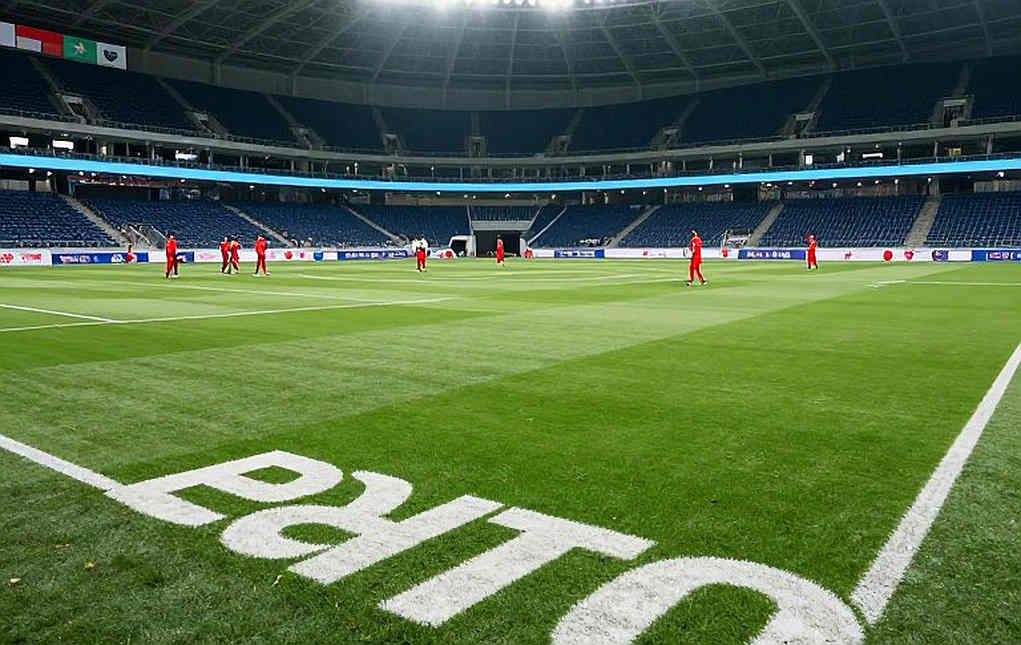
The third gap is structural in a different way. The notebook was open before the whistle. The small habits of a gallery I have watched again and again — a spectator who knows how much a spinner's delivery will turn just by watching the run-up, the three seconds of silence when a middle-order batter is out — that accumulated knowledge cannot be established by a wallet or a token. It is built over 110 silent matches, thousands of old recordings, and a notebook carried on trains and buses.
Takeaway: which number to watch next
The real signal for cricket fandom next season will not arrive in a token's price, but in a clause. First, watch whether the next media rights cycle carries a separate clause named 'digital derivative rights' or 'on-chain data licence' — if it does, the market's structure changes. Second, watch whether central contracts include a share of a player's micro-licensing, particularly for domestic players. Third, watch whether digital passes at stadium gates actually lower secondary-market prices, or raise them.
Before that, one question stays open in the notebook: when a clip changes hands many times and the bank account of the batter who sweated at the nets never once sees that number, what exactly are we democratising?
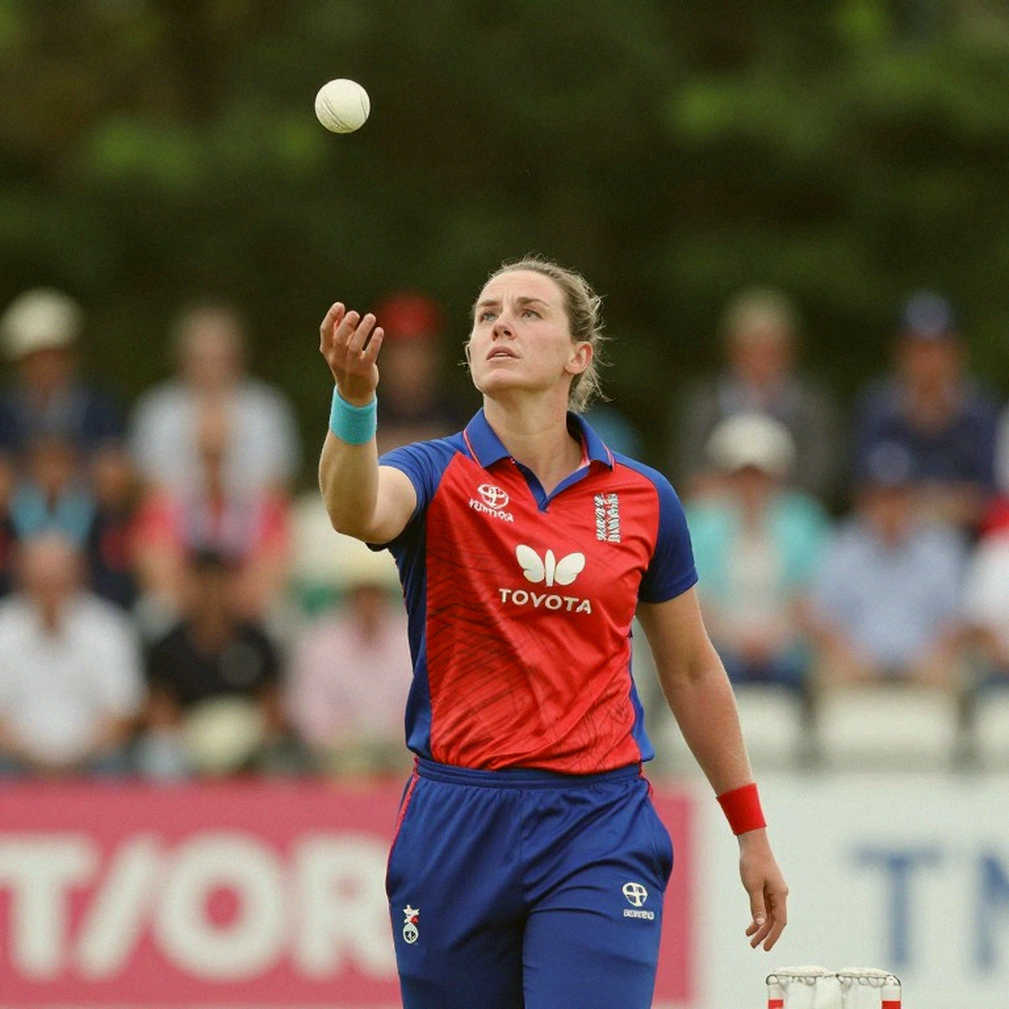
I counted 110 matches in silence; the noise returned in details. This time the noise arrived in wallets, and the details will arrive much later.