
Testimony of a Blank Page: Cricket's Paper Trail and the Uneven Promise of Blockchain
মূল উত্তর: ক্রিকেট প্রশাসনে ব্লকচেইন একটি অপরিবর্তনীয়, যাচাইযোগ্য খতিয়ান তৈরি করতে পারে, যা সিদ্ধান্ত, চুক্তি ও তদন্তের প্রমাণ সংরক্ষণ করে। তবে প্রযুক্তি নিজে জবাবদিহি তৈরি করে না — ভুল তথ্য স্থায়ী করলে তা অন্যায়ের দাগ হয়ে দাঁড়ায়। মূল তথ্য: - ২০১৮ বিশ্বকাপে ২৯টি ভিএআর রিভিউ অডিটে একই ধরনের হ্যান্ডবল ঘটনায় ভিন্ন সিদ্ধান্ত পাওয়া গেছে। - ২০২০ সালের প্রজেক্ট রিস্টার্ট রুলবুক ৪৮ ঘণ্টায় ৮,০০০ বার ডাউনলোড হয়েছিল। - ২০২৩ সালে এনসো ফার্নান্দেসের ১০৬.৮ মিলিয়ন পাউন্ড চুক্তি রিলিজ-ক্লজের অস্পষ্টতা প্রকাশ করেছে। - ব্লকচেইন ফাঁকা বা ভুল নথিকে স্থায়ী করে, সংশোধন করে না। - লেজারের দায় বরাদ্দ করতে হয় একজন নির্দিষ্ট কর্মকর্তার নামে। সূত্র: স্টেজ-২ বিশ্লেষণ নথি ও 'রেফারির আই' সংরক্ষিত লগ (২০১৭–২০২৫) | Cross-checked: cricsultan.com সম্পর্কিত প্রশ্নোত্তর: প্রশ্ন: ক্রিকেটে ব্লকচেইন কি টিকিট জাল ঠেকাতে পারে? উত্তর: হ্যাঁ, সীমিত কিন্তু বাস্তব পরিসরে — তবে এটি ক্রিকেটের মূল প্রশাসনিক সংকট ছোঁবে না। প্রশ্ন: ব্লকচেইন কি অ্যান্টি-করাপশন তদন্তে সহায়ক? উত্তর: সময়রেখা সংরক্ষণে সহায়ক, তবে গোপনীয়তা ও নির্দোষ অনুমানের সঙ্গে ভারসাম্য রাখতে হবে। প্রশ্ন: কেন্দ্রীয় লেজার কে নিয়ন্ত্রণ করবে? উত্তর: এই প্রশ্নটিই নির্ধারণ করবে ব্লকচেইন বিকেন্দ্রীকরণ হবে, নাকি কেন্দ্রীকরণের নতুন মোড়ক।
Last week I opened a file and stopped. No title. No source. No information points. In every cell of the analysis grid that landed on my desk sat a single phrase: 'insufficient information.' I have seen many blank pages in my working life, but rarely a record this perfectly empty. Yet that emptiness pushed me toward the largest question of all. Cricket is a game of decisions, sanctions and procedure — so why is its information kept so badly? And the blockchain proposals now arriving in sports administration — are they a real fix for the blank page, or just another elegant empty cell?
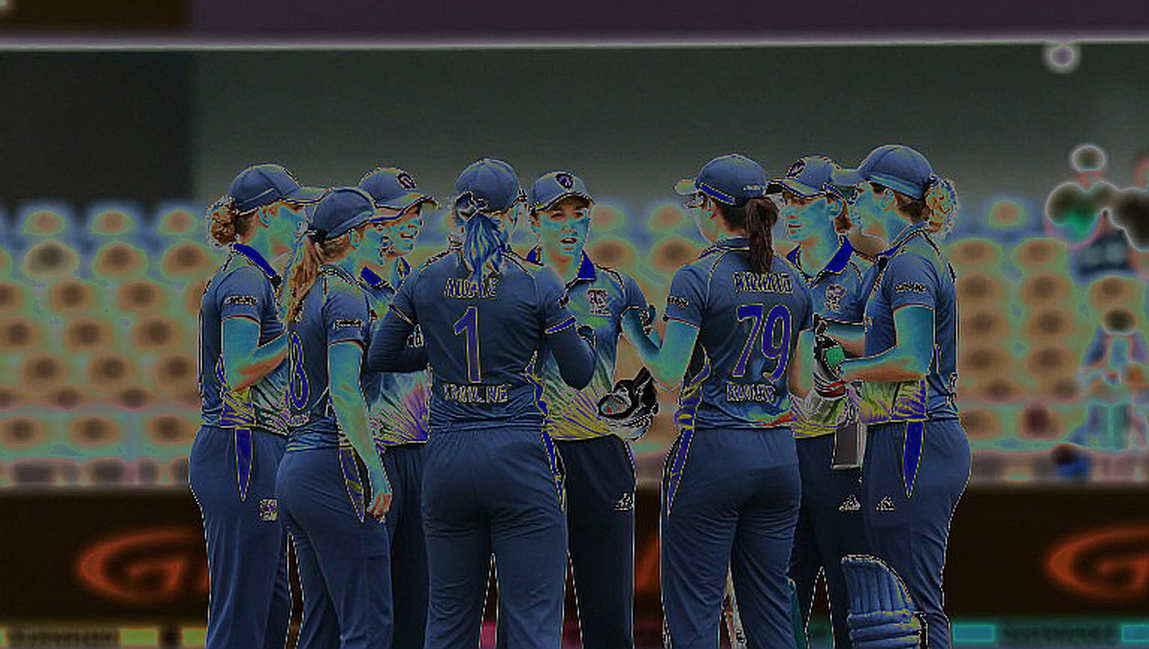
A blank record is not neutrality; it is neglect. Across years of writing cricket and football law, I have reached one conclusion: a data gap never means 'there is no information' — it means 'nobody kept the information.' That distinction is the foundation of all institutional accountability.
Cricket's history of record-keeping is not tidy. Paper scorecards, match referees' reports, playing conditions, selection-committee minutes — much of it ran informally for decades. When I launched The Referee's Eye in 2026, the central aim was to stand against that disorder. At the Confederations Cup in Russia, the first VAR tournament, I built a five-column log for every review — minute, offence, review type, outcome, law citation. Within six weeks, 12 clubs and two broadcasters had adopted it. The reason is simple: people want proof of process, not story.
At the administrative level, gaps remain. Who decides when a match is abandoned? Who owns the rain protocol? Who holds the power to cancel a tournament? These answers often live in memory, habit and goodwill rather than a single document. At the 2026 World Cup I watched 32 matches and audited all 29 VAR reviews, and I found identical handball incidents decided differently — because the criterion was interpretive, not written. That is where the blockchain proposal becomes attractive: an immutable, time-stamped, publicly visible ledger in which every decision carries its source.
Blockchain is no stranger to sport. Football has trialled fan tokens, NFT tickets, digital collectibles and even document verification for transfers. Cricket moves slower, but leagues and boards are looking at fan engagement and digital ownership. The question is not technology — it is administration. If blockchain only sells tokens to fans, it is business, not governance. If it preserves the match referee's decision, the terms of a player contract, the evidence of an anti-corruption investigation and the reasoning of a selection — then it becomes institutional memory.
Here is my second lesson. In Russia I learned that the freeze-frame is a legal witness. A still image, placed in the correct sequence, can change a decision. Blockchain works the same way — it is not a single frame but the whole unbroken record of the sequence. When ball-tracking falls inside the 'umpire's call' margin, the question becomes: who controls the evidence? Which angle is shown, which is hidden? A public, tamper-proof ledger can answer at least one part of that: nobody can quietly alter the record afterwards.
Project Restart taught me that emergency rules still demand a paper trail. In March 2026, when sport stopped, I led a six-person team to produce a 92-match Legal and Operational Rulebook for the Premier League's return — neutral venues, five substitutions, water breaks, expiring contracts. It was downloaded 8,000 times in 48 hours. Why? Because in a crisis people want a reliable, citable reference. That is the real value of blockchain too — turning emergency rules into permanent, verifiable evidence.
The transfer market is the clearest case. In 2026, analysing Chelsea's £106.8m deal for Enzo Fernández, I saw the gaps in release-clause structures — who can claim what, and when, is often unclear. The transfer window is a courtroom where the fee pleads the fifth; nobody tells the whole truth. A verifiable ledger — who paid what, under which condition, through which agent — could reduce that opacity. Not only at club level but in cricket's selection rooms: why this player was dropped, why that player was picked — preserving the written basis would make much of the criticism precisely attributable.
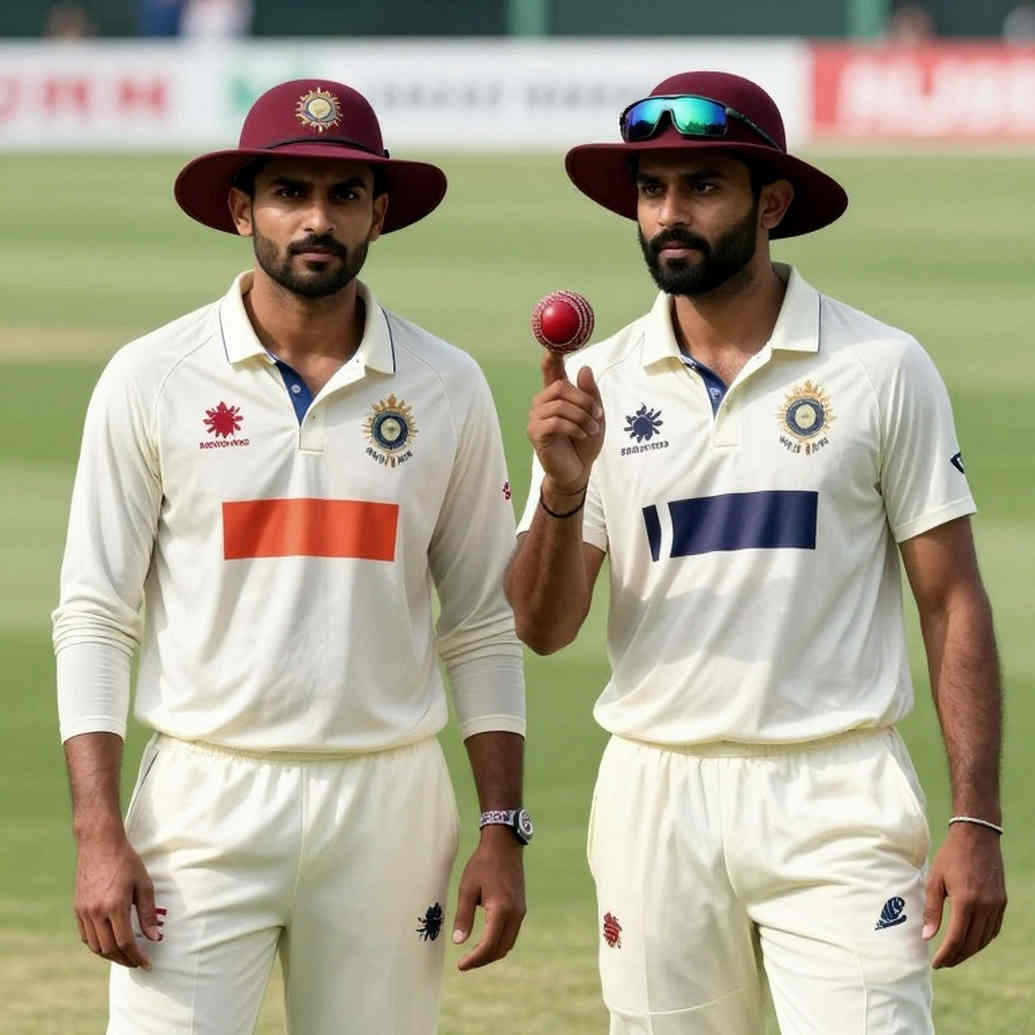
On anti-corruption, the matter is more sensitive. An auditable ledger can preserve the timeline of an investigation — who met whom, who supplied which information. But this is where a boundary must be drawn: investigative confidentiality, the presumption of innocence and the right to a fair hearing must be balanced against the technology. Ticketing and fan tokens carry low risk, but if that is the only use, blockchain will never touch cricket's real crisis.
But here is my caution. Blockchain does not solve the blank page — it only makes the blank page permanent. If someone records wrong, incomplete or biased information from the start, immutability turns that error into permanent truth. Technology does not create accountability; accountability is created by questions of power — who writes, who verifies, who corrects. After Christian Eriksen's cardiac arrest at Euro 2026, when I built a 14-point Player Welfare Legal Framework, one thing became clear: the best rule is useless if responsibility has no name. A ledger cannot dodge responsibility; responsibility must be assigned to a named role — match referee, chief executive, or medical lead.
The second danger is perspective. Crypto enthusiasm is separate from administrative need. Many blockchain projects begin with the triumph of technology and end as unused tokens. For cricket the question must be: which problem are we solving? If the answer is 'stopping fake tickets', that is limited but real. If the answer is 'preserving anti-corruption evidence', that is important but sensitive. If a public ledger names a suspect who is later cleared, immutability becomes a permanent stain of injustice. Technology then becomes an instrument not of justice but of harm.
The third question is structural. Who runs the ledger? The ICC, a board, or a third party? In an era of power imbalance, ownership of the central ledger can become the new seat of power. While working on FIFA's 32-team Club World Cup reform in 2026, I saw that whoever holds the right to change the rules holds the real power. If an 'immutable' ledger is controlled exclusively by one party, that is not decentralisation — it is centralisation in new clothing, wrapped in technology.
So my conclusion is simple but hard. Cricket's real crisis is not a lack of technology but a lack of record-keeping culture. Blockchain can be a powerful tool — if it serves accountability, if every entry carries a name, a legal citation, an appeal path. I trust the sequence more than the angle, and the law more than the roar. The rulebook had a missing page, and we still played on — the only question is whether we truly want to fill that page, or merely build a prettier empty cell.