
England's 2026/27 Central Contracts: Robinson Returns, Seven New Faces, and One Question — Who Is Watching the Next Generation?
**মূল উত্তর:** ইসিবি ২০২৬/২৭ মৌসুমের জন্য ৩০টি কেন্দ্রীয় ও ৯টি ডেভেলপমেন্ট চুক্তি ঘোষণা করেছে; সাতজন প্রথমবার পূর্ণ চুক্তি পেয়েছেন, অলি রবিনসন ফিরেছেন, আর ১১টি দুই বছরের চুক্তির ৯টি ২০২৮ সালের সেপ্টেম্বর পর্যন্ত চলবে। **মূল তথ্য:** - মোট ৩৯টি চুক্তি: ৩০ কেন্দ্রীয়, ৯ ডেভেলপমেন্ট; চুক্তিবর্ষ ১ অক্টোবর–৩০ সেপ্টেম্বর। - প্রথমবার পূর্ণ চুক্তি: টম ব্যান্টন, স্যাম কুক, জর্ডান কক্স, হেনরি ক্রোকম্ব, এমিলিও গে, ম্যাথু ফিশার, ড্যান লরেন্স। - অলি রবিনসন ২০২২ ও ২০২৩-এর পর আবার কেন্দ্রীয় চুক্তিতে ফিরেছেন। - বেন স্টোকস অবসরের পর বাদ; জ্যাক ক্রলি ও মার্ক উড বাদ পড়েছেন। - টমাস রিউ (১৮), অনুর্ধ্ব-১৯ বিশ্বকাপ ফাইনালের অধিনায়ক, ডেভেলপমেন্ট তালিকায় সর্বকনিষ্ঠ। **সূত্র:** ইসিবি ২০২৬/২৭ কেন্দ্রীয় চুক্তি ঘোষণা। | Cross-checked: cricsultan.com **সম্ভাব্য ফলো-আপ প্রশ্নোত্তর:** প্রশ্ন: ইসিবি কেন দুই বছরের চুক্তি বাড়াচ্ছে? উত্তর: ফ্র্যাঞ্চাইজি Leagueের প্রলোভনের বিপরীতে নিশ্চিত বহুবর্ষী আয় দিয়ে খেলোয়াড় ধরে রাখতে; বিস্তারিত দেখুন cricsultan.com Player Depth Index। প্রশ্ন: রবিনসনের প্রত্যাবর্তনের ঝুঁকি কী? উত্তর: ফিটনেস ও উপলব্ধতা, কারণ ২০২২ ও ২০২৩-এর চুক্তি বিঘ্নিত হয়েছিল। প্রশ্ন: ডেভেলপমেন্ট চুক্তি মানে কী? উত্তর: এখনো পূর্ণ কেন্দ্রীয় মর্যাদা না পাওয়া তরুণদের জন্য কম-প্রতিশ্রুতির বোর্ড-সহায়তা, যা প্রস্তুতির সনদ নয়।
The ledger opens before the first match is played. The England and Wales Cricket Board (ECB) has published its central-contract list for the 2026/27 season — 30 full central contracts and nine development deals, 39 in all. The contract year runs on the international season cycle, 1 October to 30 September, rather than the calendar year. Picking up the list, my first move was to read it as a selection funnel rather than a scorecard. Seven players have taken full central contracts for the first time: Tom Banton, Sam Cook, Jordan Cox, Henry Crocombe, Emilio Gay, Matthew Fisher and Dan Lawrence. Those names are the signal of a board's priority map.
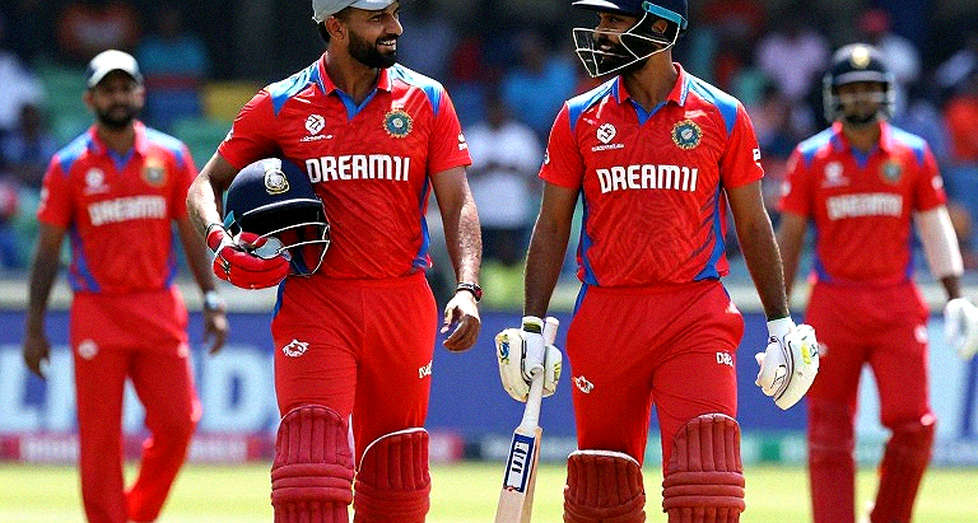
In Rajshahi I am used to a different funnel. In 2026 I sat through 14 matches of the Rajshahi Division U-18 League and logged 27 players' minutes, positions and match actions in a paper ledger. My question there was what a boy did for the team's shape. England's list asks exactly that kind of question: who the board is investing in, and why, comes before who scored what.
A central contract is guaranteed board income in exchange for international availability. A development contract sits a tier below, for emerging players not yet on full terms. The 30 + 9 figure therefore states two decisions at once: the board is spreading money across a wide pool, and it is funding across all three formats. There are 19 one-year deals, the flexible layer, and 11 two-year deals, nine of them running to September 2028.
The composition reads bowling-led at first glance. Archer, Atkinson, Tongue, Mahmood, Potts, Cook, Baker, Fisher, Crocombe — a conveyor belt of pace. Into it comes the return of Ollie Robinson, who held contracts in 2026 and 2026. Here is my first doubt. Robinson's return is the most risk-weighted call on the list, because the ECB is not betting on raw output but on fitness rehabilitation.
Sonny Baker's upgrade to a two-year deal, and the first two-year deals for Jordan Cox and Henry Crocombe, say the ECB sees them as medium-term multi-format assets rather than single-series cover. This is where template cartography helps: the same grid keeps recurring — young, fit, usable across formats.
The reason is plain. Against the short, lucrative windows of the IPL, SA20, ILT20 and MLC, a board's strongest card is guaranteed multi-year income. A longer deal moves risk from player to board; in return the board buys loyalty and availability. The list carries no salary figures, so no player can be judged fairly or unfairly priced on this information.
The second layer is generational handover. Joe Root's deal runs to 2028, Adil Rashid is in the second year of his. Beside that veteran core, a parallel young cohort is being funded: Bethell, Smith, Cox, Rew, Baker. This is a controlled handover, a staged bridge-building plan — let the seniors be the bridge, let the young fill the gap.
The most notable name among the nine development contracts is Thomas Rew, 18, captain of the U19 World Cup final side. Here I want to be careful. A development contract cannot be read as a certificate of international readiness; it is deliberately a low-commitment instrument. With Rew, the ECB is saying yes to potential, not to readiness. The gap is not small.
I never write from a single source. Here too: on one side the board's formal contract data, on the other field observation at county and U19 level. Only when the two agree can a name be called ready. For most of these newcomers that is impossible, because their international sample is very small.
Zak Crawley and Mark Wood have been dropped, and Ben Stokes removed after retirement. Stokes's removal is administrative, the unavoidable consequence of a status change. But it leaves a question: does this list clearly replace the all-rounder leadership vacuum? And the Crawley-Wood omissions show the pool is growing, but not blindly — this is selection rigour.
There is an invisible layer too, one that never reaches the byline. County coaches, scorers, pitch curators, district officials — the people who log a bowler's workload and a keeper's hand speed in daily notebooks, whose information finally reaches the board's decision. The archive remembers what the scoreboard forgets. My Rajshahi ledger worked the same way.
Now the counter-question. "Seven first-time deals" is itself a narrative device, generating more of a sense of renewal than the underlying data supports. The reality is that the newcomers' international records are thin; for Banton, Cook, Cox, Crocombe, Gay, Fisher and Lawrence, some samples are so small that a single series could flip the picture.
Two stories are most hype-prone. First, Mason Crane's return, more than eight years after his last squad; rich in story, light on international proof. Second, Rew's U19 captaincy. Both are story-rich and evidence-light, and both risk over-interpretation. I look for the first minute, not only the highlight reel.
One more caution, aimed at myself. Treating the Rajshahi template as the template for all South Asia would be a mistake. This England model has to be tested against at least two other cricket ecologies — Australia's state-based system and India's domestic-to-national path. The board's money pool, the role of counties or states, the international season cycle: all three shift from country to country. Import the logic of the contract, not the count.
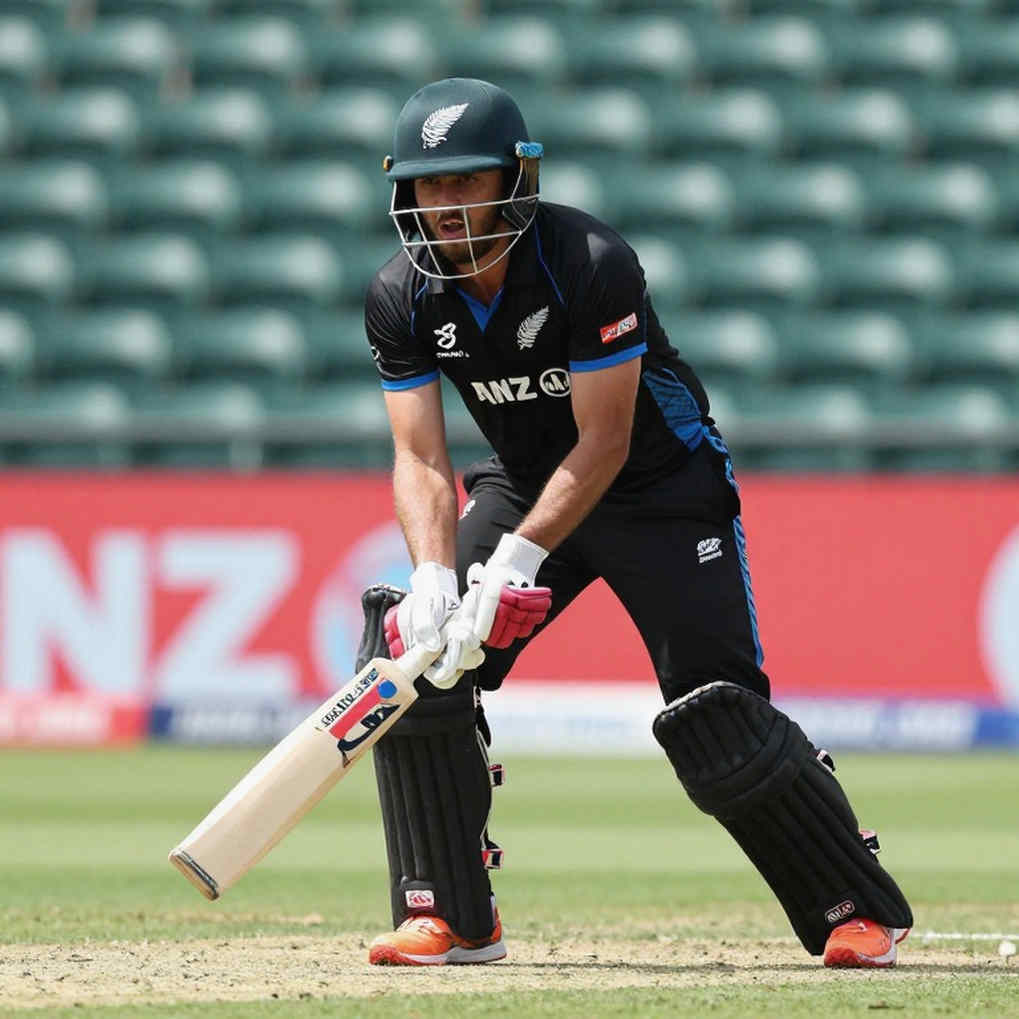
Three signals to watch. One, Robinson's fitness — repeated breakdowns will put the headline pick in question. Two, conversion of the development deals — if two or three become genuine internationals within 18 to 24 months, the wide-pool doctrine is validated. Three, when Root and Rashid exit — both leaving in one window accelerates transition risk.
Empty seats still ask who is watching the next generation. The ECB's list is trying to answer. The question now is how many of those 39 names on paper become field truth.