
From 110 for 6 to 425 for 9: South Africa Cash In Their Champion Identity at Gqeberha
**মূল উত্তর:** দক্ষিণ আফ্রিকা গকেবেরহায় দ্বিতীয় টেস্টে অস্ট্রেলিয়াকে Innings ও ৩১ রানে হারিয়ে সিরিজ ১-১ সমতায় এনেছে। ১১০/৬ থেকে ৪২৫/৯ ডিক্লেয়ার, বাভুমার ক্যারিয়ার-সেরা ১৭৯, অস্ট্রেলিয়া ৯৯ অলআউট এবং ফলো-অন — এই চারটি ঘটনাই ম্যাচের মোড়। **মূল তথ্য:** - দ্বিতীয় টেস্টের ফল: দক্ষিণ আফ্রিকা জয়ী Innings ও ৩১ রানে, ভেন্যু সেন্ট জর্জেস পার্ক, গকেবেরহা। - টেম্বা বাভুমার ক্যারিয়ার-সেরা ১৭৯; ডারবানের প্রথম টেস্টে তাঁর স্কোর ছিল ৩ ও ১। - মার্কো ইয়ানসেন প্রথম Inningsে পাঁচ উইকেট, ভিয়ান মুল্ডার দ্বিতীয় Inningsে গুরুত্বপূর্ণ উইকেট নেন। - অস্ট্রেলিয়া প্রথম Inningsে ৯৯ রানে অলআউট; প্রায় ৪০ বছরে দক্ষিণ আফ্রিকার এটি তৃতীয় ফলো-অন। - কাগিসো রাবাডা হ্যামস্ট্রিং চোট কাটিয়ে দ্বিতীয় টেস্টে ফিরে আক্রমণের নেতৃত্ব দেন। **সূত্র:** ইএসপিএনক্রিকইনফো ম্যাচ প্রতিবেদন (গকেবেরহা টেস্ট, ২০২৬) | Cross-checked: cricsultan.com **সম্পর্কিত প্রশ্নোত্তর:** প্রশ্ন: সিরিজ নির্ধারক টেস্ট কবে এবং কোথায়? উত্তর: কেপ টাউনে আগামী মঙ্গলবার শুরু হয় তৃতীয় ও শেষ টেস্ট। প্রশ্ন: প্রথম টেস্টে দক্ষিণ আফ্রিকা কেন হেরেছিল? উত্তর: ১৯ মাস ঘরের মাঠে টেস্ট না খেলা, রাবাডার অনুপস্থিতি এবং Batting ব্যর্থতা — এই তিনটি কারণেই ডারবানে তারা পিছিয়ে পড়ে। প্রশ্ন: দ্বিতীয় টেস্টে কারা দল থেকে বাদ পড়েছিলেন? উত্তর: ট্রিস্টান স্টাবস, কাইল ভেরেইন ও কেশব মহারাজ — এই তিনজনই গকেবেরহায় একাদশের বাইরে ছিলেন।
The press box at St George's Park in Gqeberha sits a long way from the pitch, but the silence that settled after the sixth wicket fell at 110 was close enough to hear. Second Test, a South African side 0-1 down, and out walked Temba Bavuma — the same man who had made 3 and 1 in Durban. Nineteen months without a home Test, a pace attack missing Kagiso Rabada, and the champion's burden of proving yourself on demand. I kept the beat from the stands, where tactics meet the breath of fans; that breath was held. What South Africa did over the next three days was not a single innings. It was a team translating its champion identity into runs.
Since winning the World Test Championship final at Lord's, South Africa had drawn in Pakistan and won in India. Now came Australia, the No. 1-ranked Test side and their closest challengers. That is the price of the title: opponents no longer just want to win, they want to pull the champion down. The Kingsmead Test was their first red-ball fixture at home in 19 months and effectively their first Test in nearly a year. Rabada was out with a hamstring injury. Bavuma later admitted the intensity was something the players were not accustomed to, and spoke of cobwebs that needed dusting off.
A diaspora fan watching from a small Sydney flat sent one line at the end of day one: this did not look like the team he knew from Durban. Bavuma's own framing is worth holding onto — sometimes the side forgets the target is on its back, that everyone wants to see the world champions show their mettle, that everything they do sits under the microscope.
After Durban, South Africa changed their top seven. Tristan Stubbs and Kyle Verreynne, both instrumental in the WTC success, made way; Keshav Maharaj, their most successful spinner since readmission, was left out too. That is not a form decision so much as a structural bet about which batters a home surface demands.
Rabada returned, and his return was never just about one bowler. In Bavuma's words, when he is on the field he assumes the responsibility and pressure of leading the attack, and that lets everyone else go about their work. Marco Jansen took a five-for in the first innings; Wiaan Mulder produced the crucial wickets in the second. Leadership is not always a speech; it is the construction of a space where others can give their best. Rabada speaks rarely and only when he sees fit, but his presence is its own instruction.
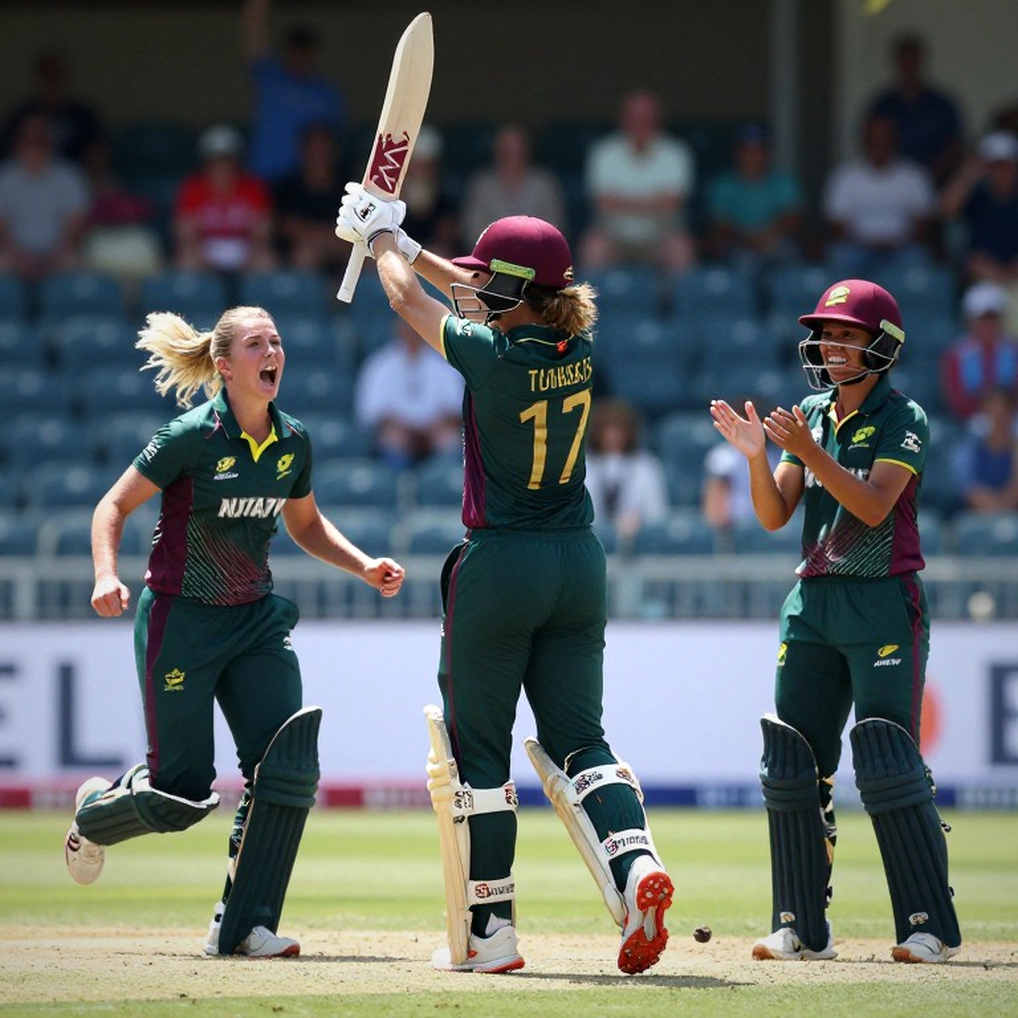
Then the arithmetic: 110 for 6 became 425 for 9 and a declaration. Bavuma's career-best 179. Australia bowled out for 99, a third enforced follow-on in nearly 40 years, and a win by an innings and 31 runs. The distance between six down at 110 and 99 all out is the hardest stretch in Test cricket. My years of watching tell me bowling attacks do not change shape in that gap; batters change the accounting inside their heads. Bavuma described it exactly like a coach: alone in your room you cannot lie to yourself, you analyse the innings technically, you tune yourself mentally for battle, you spend hours in the nets hunting a rhythm. That is repetition, not magic — and repetition turned 3 and 1 into 179.
This is where the outside reading drifts. Many will call it the return of aggression: Rabada exchanging words with Steven Smith, scowls, shoulder brushes. Bavuma was explicit that this is not the point — be aggressive in how you approach situations, play for the team and be ruthless in doing so, and let the individuals who enjoy a bit of argy-bargy operate within the rules. Eight years ago Rabada brushed shoulders with Smith and screamed in his face; this time Smith's dismissal brought only a team celebration. That gap is the distance between personal temper and collective routine. Teams win trophies through repeatable habit, not through rage.
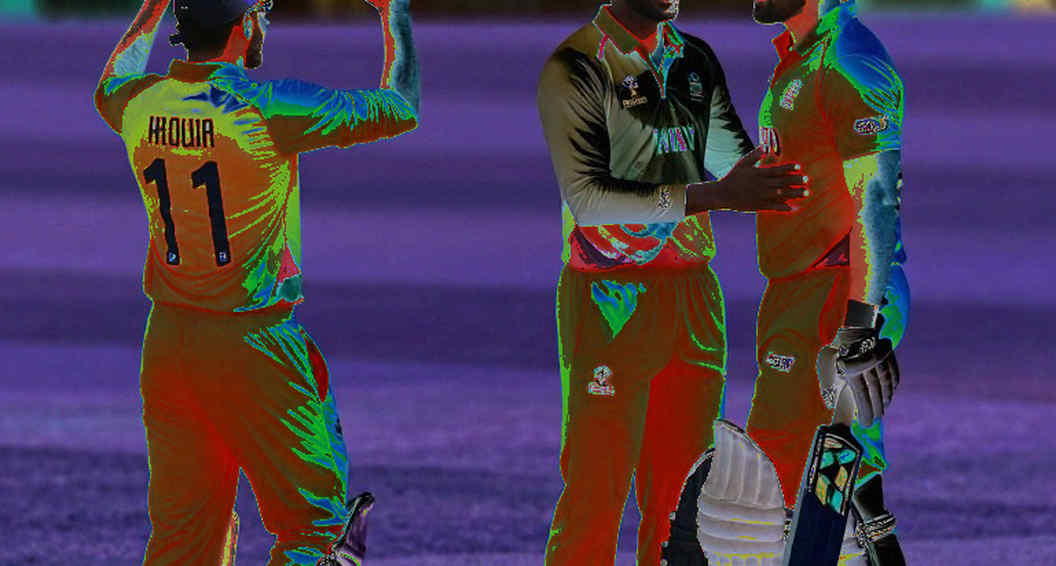
The uncomfortable question remains. If 110 for 6 was truly an accident, why does a champion side arrive so undercooked after 19 months without a home Test? Cobwebs explain a match; they do not explain a calendar. Red-ball cricket falls into the gap between championship points and franchise windows, and that gap is not closed in one season. Dropping Stubbs and Verreynne to find balance is an admission that the best XI is still being searched for. Maharaj's omission asks the same question: how much of a home spinner's value is cricket, and how much is schedule? Australia's 99 is not explained purely by South African pressure either; a No. 1 batting order had its own accounting errors.
Cape Town hosts the decider next Tuesday. Bavuma says belief has strengthened, that pressure and expectation will only grow, and that the task is to move towards the pressure rather than let it hit you in the face. Between the press box and the pitch, I travel with a quiet metronome; this series has not finished its bar. The real test is not Australia's batters. It is South Africa's own calendar and their own selection patience.