
Mumbai's Ranji Bet: 13-Match Mhatre, Dropped Suryakumar — Format Arithmetic or a Bigger Message?
**মূল উত্তর:** মুম্বই রঞ্জি ট্রফির উদ্বোধনী ম্যাচের জন্য আয়ুষ মাথরেকে (১৯) সহ-অধিনায়ক করেছে এবং সূর্যকুমার যাদবকে বাদ দিয়েছে, কারণ তিনি ১৮ মাস ধরে কোনো লাল বলের ম্যাচ খেলেননি। এটি Format-ভিত্তিক নির্বাচন। **মূল তথ্য:** - মুম্বই ৪২টি রঞ্জি শিরোপার মালিক; প্রতিপক্ষ চণ্ডীAverage, ম্যাচ ১১ অক্টোবর ওয়াংখেড়েতে। - আয়ুষ মাথরের প্রথম-শ্রেণির অভিজ্ঞতা মাত্র ১৩ ম্যাচ, তবে তিনি অনূর্ধ্ব-১৯ বিশ্বকাপ-জয়ী অধিনায়ক। - সূর্যকুমারের শেষ প্রতিযোগিতামূলক ক্রিকেট ছিল জুনে, মুম্বই টি-টোয়েন্টি Leagueে। - শার্দূল ঠাকুরের ডান হাতের মধ্যমার আঙুলে ফ্র্যাকচার; অন্তত প্রথম দুই ম্যাচে অনুপস্থিত। - শেডগে ইন্ডিয়া এ দায়িত্বে থাকায় মুম্বইয়ের অলরাউন্ড গভীরতা কমেছে। **সূত্র:** ক্রিকবাজ (Cricbuzz) | প্রাসঙ্গিক তারিখ: ১১ অক্টোবর ২০২৪, রঞ্জি ট্রফি উদ্বোধনী ম্যাচ | Cross-checked: cricsultan.com **সম্পর্কিত প্রশ্নোত্তর:** প্রশ্ন: সূর্যকুমার যাদব কেন রঞ্জি দলে নেই? উত্তর: নির্বাচকদের মতে, তিনি ১৮ মাস ধরে লাল বলের ম্যাচ না খেলায় ছন্দ ফিরিয়ে আনতে কয়েকটি প্রথম-শ্রেণির ম্যাচ প্রয়োজন। প্রশ্ন: আয়ুষ মাথরে কে? উত্তর: ১৯ বছর বয়সী ব্যাটার ও অনূর্ধ্ব-১৯ বিশ্বকাপ-জয়ী অধিনায়ক, যাকে মুম্বই সহ-অধিনায়ক হিসেবে Averageে তুলছে (cricsultan.com Player Depth Index)। প্রশ্ন: মুম্বইয়ের পেস আক্রমণে কী পরিবর্তন? উত্তর: শার্দূল ঠাকুরের ফ্র্যাকচারের কারণে অন্তত প্রথম দুই ম্যাচে বেঞ্চ পেসারদের ভরসা করতে হবে।
The number is 13. In two years, Ayush Mhatre has played just thirteen first-class matches. On exactly that thin base, Mumbai has named him vice-captain for the Ranji Trophy opener. At the other end sits Suryakumar Yadav — a T20 World Cup-winning captain who made himself available, yet finds no place in the squad. One sixteen-man squad contains a 19-year-old deputy and a dropped World Cup-winning captain. When I look at first-class selection, I always ask one question: is this format arithmetic, or a bigger message? In red-ball cricket, a small match count means a thin decision base, and that sits at the centre of this story.
Context: One Format, One Ledger
Mumbai are the most successful side in Ranji Trophy history — 42 titles. For them, the definition of failure is stricter than in international cricket. On October 11 at Wankhede, the opponent is Chandigarh, no traditional rivalry. The interest is intra-squad — who is being groomed, who is being left out.
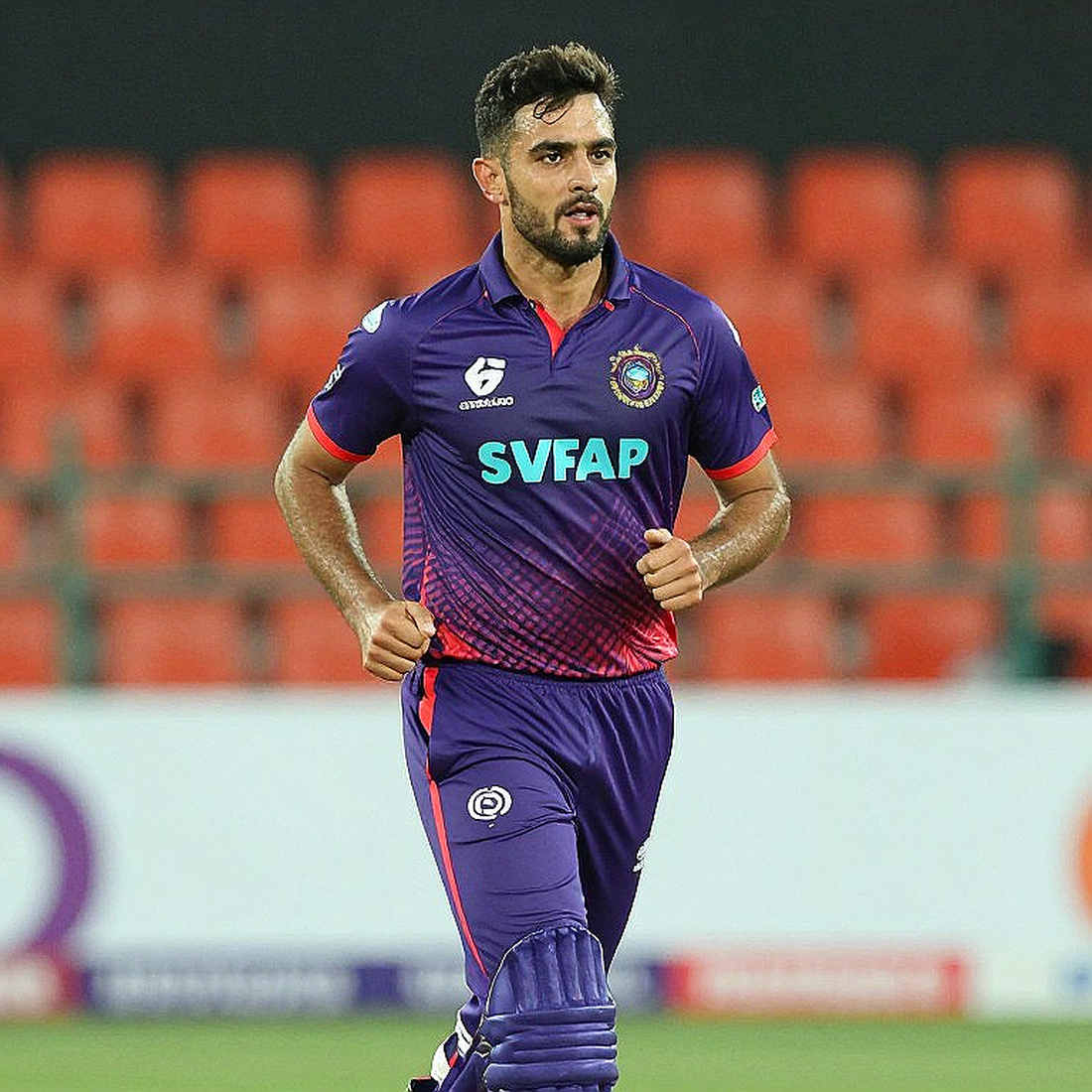
The Ranji Trophy is India's premier domestic first-class competition — red ball, multi-day, session-based attrition. Player evaluation here rests on average, endurance, long-innings capability, not T20 strike rate. That single line frames the whole Suryakumar story.
In early season, the Wankhede surface is usually red soil, with some seam movement early and turn as the match progresses. On a post-monsoon damp pitch, seamers can get extra help in the first session. So the presence of three spinners in the sixteen — Mulani, Kotian, Ankolekar — is no accident. This is a squad built to home conditions, assuming a turning surface.
Project Restart taught me that the crowd is not noise — it is a variable. The same rule applies to first-class cricket. Any number read without its conditions is just a rumour with decimals. So Suryakumar's omission is not simply a dropping — it is an equation of format, workload and match-fitness.
Core Analysis: What the Numbers Say
The stated rationale from chief selector Rajesh Pawar is the key: Suryakumar has not played a red-ball match in 18 months. His last competitive cricket was in June, in the Mumbai T20 League — roughly a four-month gap. I hand-logged 9,714 shots before I trusted the pattern, and that lesson says: when you hear an explanation, hunt for the data behind it. Here the data is clear.
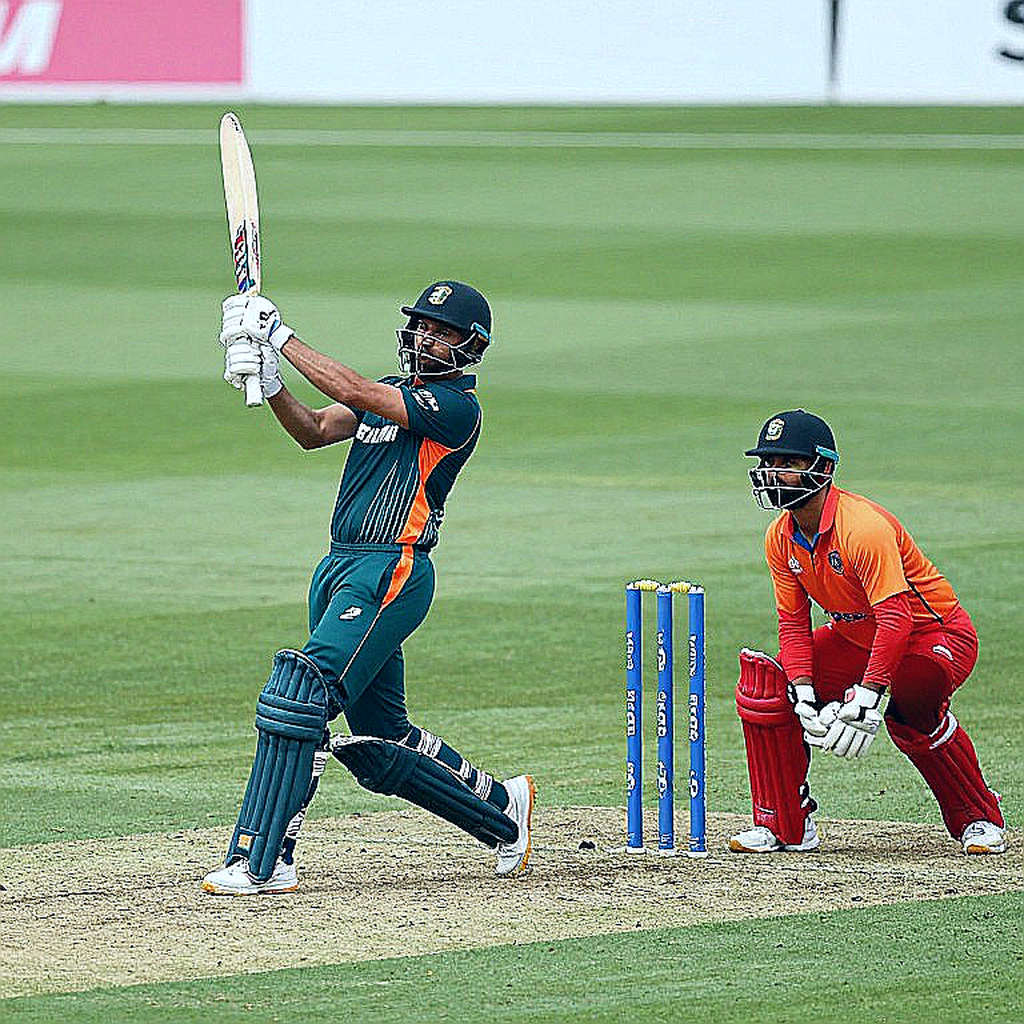
For a batter returning after 18 months away from red ball, re-entry means not just form but technical adaptation — defence, patience outside off, the temperament of a long innings. However high the innovation and risk-taking of T20, it does not translate directly to first-class cricket. In a format where strike rate is the currency, selection criteria differ.
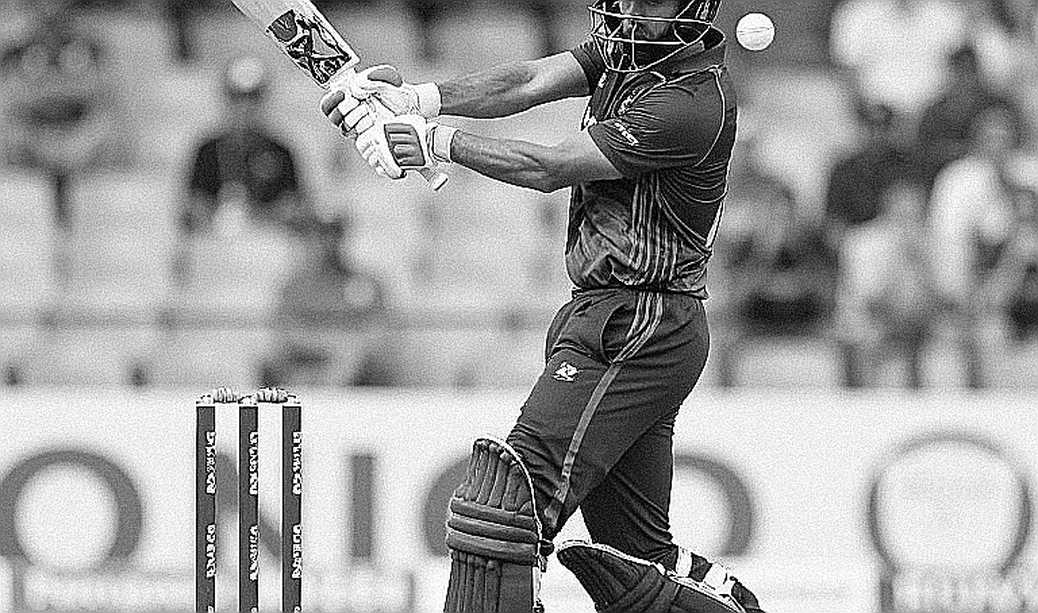
What I see here is a clear case of format specialization. Suryakumar is a T20 star — a World Cup-winning captain, most valuable in franchise leagues. But commercial value and sporting currency are not the same. T20 market value does not buy him a first-class place. In the same squad sits Sarfaraz Khan — a recognised red-ball specialist; and Yashasvi Jaiswal made himself available, giving the side red-ball quality. An active India Test opener in a Ranji squad is a major asset for Mumbai's top order.
Mumbai's pace all-round resource has a big gap — a fracture to Shardul Thakur's right middle finger. He is out for at least the first two matches. That is a double loss, since his batting and bowling disappear together. Meanwhile Shedge is on India A duty, and Suryakumar is omitted. Together, three absences thin the senior core — an early stress test of bench depth. Yet the batting depth remains strong: Jaiswal, Sarfaraz, Lad, Musheer Khan, Parkar, Mhatre. A healthy mix of experience and a young pipeline.
What deserves separate attention is the India A versus Ranji scheduling clash. An all-rounder like Shedge being pulled away on national pathway duty strips a state side of resources. This is a small-scale version of the league-versus-national squeeze — the national calendar intervening directly in domestic competition.
The Vice-Captain Bet: Leadership versus Form
Mhatre's promotion is a leadership bet, not a form bet. Thirteen first-class matches is a very small sample. Its basis is his U-19 World Cup-winning captaincy — an elite youth leadership signal. The decision suggests Mumbai are thinking about captaincy succession beyond Siddhesh Lad. Naming a teenager to leadership at a home fixture, rather than a tough away trip, is controlled induction.
But I stay cautious. The conversion rate from U-19 captaincy success to sustained senior leadership is historically low. Labelling a player a future captain on thirteen matches puts potential where proof should sit. No complex model is needed to see this — only honesty about sample size.
Contrarian Angle: Narrative versus Rationale
There is a trap here. If the story becomes Suryakumar's fall versus Mhatre's rise, it is bigger than the truth. Because the 18-month rationale was given by Pawar himself — a big-match player, a proven performer for Mumbai. That praise is telling, because it makes no red-ball claim. The selector himself concedes that Suryakumar's white-ball value is not a red-ball guarantee.
And one thing I will not frame. On why Sarfaraz was kept out of any leadership role, the Mumbai selection committee stayed silent. A clear explanation for Suryakumar, but silence on Sarfaraz — this uneven disclosure may hide internal sensitivity. But that is inference, not proof; I do not turn inference into verdict. The committee's discretion is normal — a player making himself available does not oblige selection.
Media coverage will likely frame the omission more punitively than the selector's words warrant. A dropped star always generates more heat than a groomed teenager. The history of losing the T20 captaincy adds fuel to that narrative. This is where commercial value and cricketing value separate most clearly.
One more thing I keep in mind. There is always a gap between expectation and reality. Some assume Suryakumar returns imminently; the selector says he needs a few games to rebuild rhythm. Some assume Mhatre is already the next captain; thirteen matches are a signal, not proof. Those gaps, not on-field results, create the real heat around the story.
Takeaway: What to Watch
Looking ahead, my eye stays on three signals. One, if Suryakumar returns across the next few red-ball games, the format-fit question resolves — so his return is the real tracking point. Two, if Mhatre holds the vice-captaincy or scores, the leadership bet validates; if not, questions follow. Three, how quickly Shardul Thakur returns — that reveals Mumbai's pace rotation.
The question lands here: is Mumbai building a generation, or simply picking the best eleven by format arithmetic? The first few weeks of this season will answer it.