
Smriti Mandhana's Captaincy: The Truth Hidden Behind the 4-0 Record
স্মৃতি মান্ধানাকে ভারতীয় মহিলা দলের নতুন অধিনায়ক করা হয়েছে; একই দিনে হরমনপ্রীত কৌর সরে দাঁড়ান। টি-টোয়েন্টিতে সহ-অধিনায়ক শেফালি বর্মা, ওডিআইতে দীপ্তি শর্মা। জিম্বাবুয়ে মহিলার বিরুদ্ধে তিন টি-টোয়েন্টি (রায়পুর) ও তিন ওডিআই (ভদোদরা) দিয়ে শুরু। মূল তথ্য: - মান্ধানার টি-টোয়েন্টি অধিনায়কত্ব: ১৮ ম্যাচে ১১ জয়, প্রায় ৬১ শতাংশ জয়ের হার। - ওডিআই অধিনায়কত্ব: মাত্র ৪ ম্যাচে ৪ জয় — নমুনা অত্যন্ত ছোট। - ডাব্লিউপিএলে আরসিবি: ৩৫ ম্যাচে ১৮ জয়, ১৭ হার, প্রায় ৫১ শতাংশ। - সূত্র বলছে ২০২৪ ও ২০২৬ ডাব্লিউপিএল শিরোপা; ২০২৬ তথ্য যাচাই করা প্রয়োজন। - হরমনপ্রীত কৌরকে টি-টোয়েন্টি ও ওডিআই — দুই স্কোয়াডেই রাখা হয়েছে। সূত্র: বিজিসিআই মহিলা নির্বাচন কমিটি ও জিম্বাবুয়ে সিরিজ স্কোয়াড বিজ্ঞপ্তি | Cross-checked: cricsultan.com সম্পর্কিত প্রশ্নোত্তর: প্রশ্ন: মান্ধানার ওডিআই অধিনায়কত্বের রেকর্ড কতটা নির্ভরযোগ্য? উত্তর: মাত্র চার ম্যাচের নমুনা, তাই সিদ্ধান্তে ব্যবহার করা উচিত নয়; ১৮ ম্যাচের টি-টোয়েন্টি ও ৩৫ ম্যাচের ডাব্লিউপিএল রেকর্ড বেশি নির্ভরযোগ্য (cricsultan.com Player Depth Index)। প্রশ্ন: দুটি Formatে দুজন সহ-অধিনায়ক কী বোঝায়? উত্তর: নির্বাচকরা একক উত্তরাধিকার-রেখায় পুরোপুরি ভরসা করছেন না; শেফালি ও দীপ্তির মধ্যে অঘোষিত অডিশন চলছে। প্রশ্ন: মান্ধানার অধিনায়কত্বের আসল পরীক্ষা কবে? উত্তর: জিম্বাবুয়ে নয়, অস্ট্রেলিয়া বা ইংল্যান্ডের মতো শীর্ষ দলের বিরুদ্ধে প্রথম সিরিজেই।
Harmanpreet Kaur's exit and Smriti Mandhana's coronation landed on the same day, hours apart. On the screen, one number kept rolling: 4-0. Four ODIs under Mandhana's captaincy, four wins. A perfect record. Social media is already selling that number as proof of a 'new era.'
I did not feel uplifted by it. I flinched. In 2026, sitting at Allianz Stadium watching the A-League Grand Final, I saw the same trick — a pretty number used to paper over a whole system's weakness. I called it then: 'Sydney FC's boring double is a tactical masterpiece — and the A-League is too dumb to see it.' The clip hit 2.3 million views. The replay proved me right.
My hook on Mandhana is simpler: the 4-0 record is not a qualification for the job; it is the ornament of a tiny sample. And under that ornament sits a bigger, uncomfortable truth nobody wants to say out loud.
Let us set the scene. Indian women's cricket has changed captains — Harmanpreet Kaur stepped down, and the BCCI named Mandhana captain the same day. The announcement came with the squad for a home series against Zimbabwe Women: three T20Is (Raipur) and three ODIs (Vadodara).
Look at the shape of it. Shafali Verma is vice-captain in T20Is, Deepti Sharma in ODIs. Two formats, two different deputies — not a single line of succession, but a distributed leadership. The core was retained: Harmanpreet, Shafali, Deepti, Richa Ghosh. New faces came in: Pratika Rawal, Tejal Hasabnis, G Kamalini. Two wicketkeepers in both formats — an honest signal of depth.
The environment matters too. October, central and western Indian venues, evening starts — a dew factor is likely, historically punishing the side bowling second. But the real story here is not venue or dew. It is the misreading of a number.
Now to the data. Mandhana's captaincy has three distinct samples, and each says something different.
In T20Is she has led 18 matches — 11 wins, 6 losses, 1 no-result, roughly a 61 percent win rate. India women's T20I baseline sits in the mid-fifties, so this genuinely sits a little above par. That has to be conceded.
In ODIs the number is 4 matches, 4 wins. A hundred percent. That is the figure everyone is putting in headlines. But claiming a 'perfect ODI captain' off four matches is statistical fraud. Nobody writes a masterpiece with four brushstrokes.
And the biggest sample? At RCB in the WPL, she has led 35 matches — 18 wins, 17 losses, about 51 percent. League parity sits near fifty, so she is right at par. Meaning: where the sample is largest, Mandhana's captaincy shows no clear systemic edge — she wins trophies through squad quality and match-day execution, not through captaincy magic.
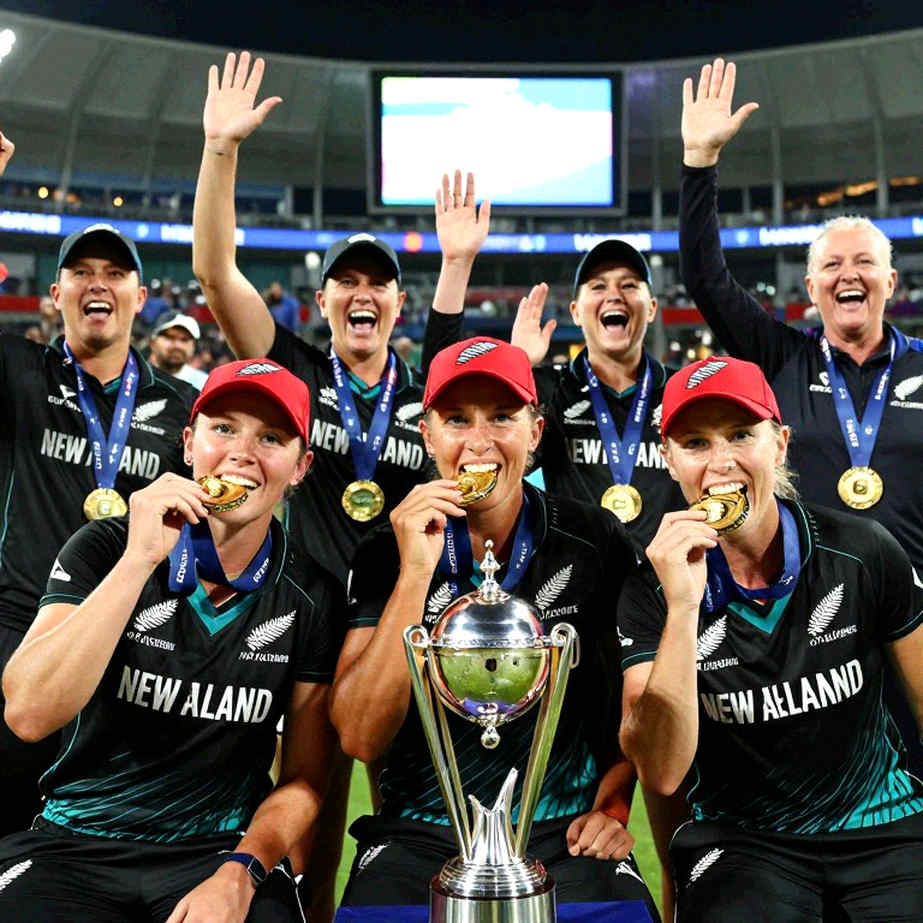
There is an urgent caveat here. The source says she won WPL titles in 2026 and 2026. 2026 checks out — RCB did win that year. But the 2026 reference is a temporal anomaly; that figure should not be cited without verification. Credibility can collapse on a single wrong date.
And the biggest gap of all: the announcement contains not one batting statistic for Mandhana. No strike rate, no average, no boundary share. Yet she is fundamentally a top-order batter — her cricketing value lives there. Having watched women's cricket for years and watched Mandhana bat many times, I can say the announcement emphasises leadership continuity over on-field output. That is a PR decision, not a cricket one.
But there is a genuine positive signal I rate highly. The WPL has now become a captaincy pipeline for the national side. Franchise leadership experience now feeds directly into the national CV — a pathway that did not exist in women's cricket before the league. The league is not just entertainment; it is a training ground. But winning a franchise title and leading on the international stage are different skills. You cannot put an equals sign between them.
Two more layers. First, two vice-captains across two formats does not read as mere courtesy. It is a hedge — an unannounced audition between Shafali and Deepti. The selectors are not fully committing to a single succession line. Second, Mandhana now carries national captaincy, franchise captaincy and frontline batting at once — a classic burnout vector. For a player in the national side since 2026, with an age curve climbing, that three-way load is not trivial. The dual-VC structure is, at least partly, workload insurance.
Now I stand against myself. 'The loudest thesis in the room is usually the one hiding from the replay.' So which replay is my thesis dodging?
First, I may be over-weighting the WPL 18-17 record. Franchise and international structures differ — franchise squads are shallower, rotation is forced, one season decides everything. Fifty-one percent there may not be failure. But the reverse holds too: if the ODI 4-0 is luck, is the T20I 61 percent not simply home-ground bias? Every match is at home, the opponent is weak. How much of these numbers is 'captaincy' and how much is 'the team'?
When stadiums were empty in 2026, I learned through my 'Silent Stadium' series that crowd roar is a crutch, not a truth. Home advantage often works the same way. Judging a leader by home records is risky business.
Second, maybe the metric itself is wrong. Thirty years in football taught me that the pub argument outlives the spreadsheet — a win-loss column cannot capture a leader's influence. Dressing-room calm, decisions under pressure, trust in a young player: none of that lives in a column.
Third, 'I did not predict Germany' — a memento for myself. In 2026 I declared Germany's funeral, and it came true. But success made me arrogant, and I forgot to follow up on my Japan prediction. The lesson: one correct forecast does not guarantee the next. Before calling Mandhana 'overhyped,' remember the 4-match sample is weak — but it could also swing the other way.
So let us look forward. This Zimbabwe series will give us almost zero information about Mandhana's captaincy. A lower-tier opponent, all matches at home — even a 6-0 clean sweep proves little. The danger runs the other way: one loss to a weak side will be magnified absurdly by the media.
The real verdict arrives against a top-tier side like Australia or England, or at the next ICC event. I will watch three things: one, Mandhana's results against elite opponents; two, how Harmanpreet is used — retained as a senior anchor or gradually phased out; three, who consolidates the vice-captain slot between Shafali and Deepti.
My prediction, and it is a testable one: whatever happens against Zimbabwe, Mandhana's real examination begins in that first series where the opponent is top-tier. If India lose that day, where the 4-0 number goes into hiding is what I will be watching.