
From Hangzhou Gold to Nagoya 0 Medal: Five Structural Reasons Behind India's Disappointing Badminton Campaign at Asian Games 2026
কোর উত্তর: ২০২৬ আইচি-নাগোয়া এশিয়ান Gamesে ভারতের Badminton অভিযান ১টি ব্রোঞ্জে সীমিত; ব্যক্তিগত ইভেন্টে কোনো পদক না পাওয়া ২০১৪ সালের পর প্রথম। মূল তথ্য: - হ্যাংঝো ২০২৩-এ ভারত পেয়েছিল ৩টি পদক: সাত্বিক-চিরাগ সোনা, পুরুষ দলগত রূপা, লক্ষ্য সেন ব্রোঞ্জ। - নাগোয়া ২০২৬-এ একমাত্র পদক পুরুষ দলগত ব্রোঞ্জ; ৪টি ব্যক্তিগত ইভেন্টে কোয়ার্টার ফাইনালে উঠেও সেমিফাইনালে কেউ যেতে পারেনি। - সাত্বিক-চিরাগ ৪র্থ সিড হয়েও প্রথম রাউন্ডে থাই জুটির কাছে ২১-১২, ১৯-২১, ১৪-২১-এ হেরে বিদায় নেন। - মহিলা দলগত কোয়ার্টার ফাইনালে জাপানের কাছে ১-৩-এ হার; তিনটি সিঙ্গলসই হেরে যায়, একমাত্র পয়েন্ট ডাবলস থেকে আসে। সূত্র: Khel Now (অক্টোবর ২০২৬) সম্পর্কিত প্রশ্নোত্তর: প্র: ভারতের সেরা ফল কোনটি? উ: পুরুষ দলগত ব্রোঞ্জ; সেমিফাইনালে চীনের কাছে ১-৩-এ হার। প্র: সাত্বিক-চিরাগ কি পতন? উ: দলগত ইভেন্টে চীনের লিয়াং/ওয়াং-কে হারানো প্রমাণ করে এটি সক্ষমতার নয়, বরং চাপ ও প্রসঙ্গ-নির্ভর ব্যর্থতা।
The scoreboard read 21-12, 19-21, 14-21. Defending champions Satwiksairaj Rankireddy and Chirag Shetty controlled Game 1, then let Thailand's Sukphun/Teeratsakul change the rhythm, extend rallies, and force a collapse in the third game. The players admitted it themselves: the pressure was mental, not technical.
India arrived at Aichi-Nagoya 2026 after a historic Hangzhou 2026, where they won three medals — men's doubles gold, men's team silver, and men's singles bronze. This time, they returned with a single men's team bronze and zero individual medals, the first such result since 2026.
The five reasons behind the campaign's failure:
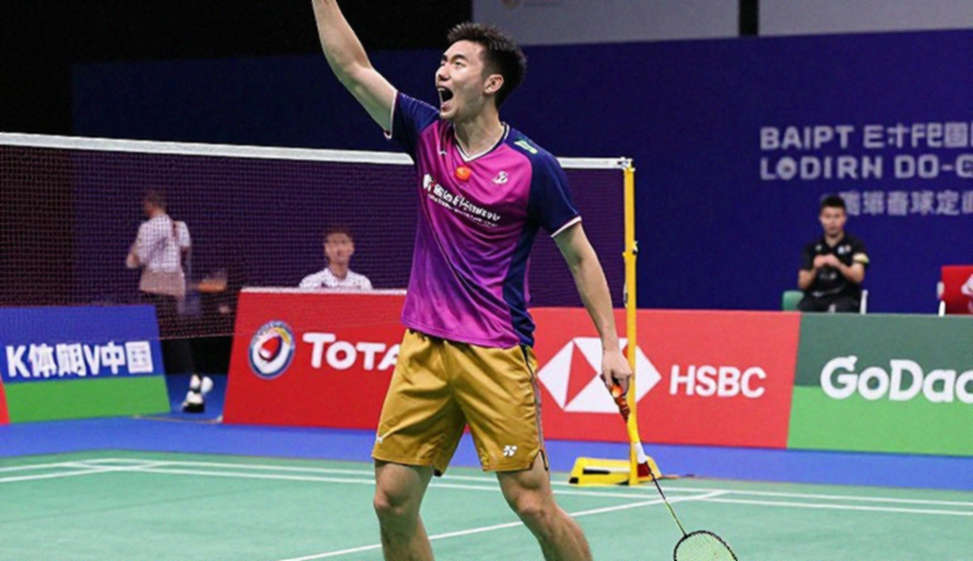
- Satwik-Chirag lost in Round 1 as 4th seeds after a dominant first game — a classic decompression pattern. Yet they beat China's Liang Weikeng/Wang Chang in the team semi-final, proving capacity is intact and the individual exit was context-driven.
- Singles depth collapsed structurally. India lost both men's singles rubbers to China and all three women's singles rubbers to Japan. In a five-rubber tie, zero singles wins makes the doubles-dependent math unsustainable.
- Four quarter-finalists — Sindhu, Hooda, Treesa-Gayatri, Dhruv-Tanisha — all failed to convert to semi-finals. The arrival layer works; the conversion layer does not.
- Singles entries were mostly unseeded, leading to early-round meetings with Loh Kean Yew and Chou Tien-chen — a ranking-driven draw trap, not bad luck.
- The defending-champion halo weighed on Satwik-Chirag, and the absence of structured pressure training showed in close, decisive moments.
The contrarian read: this is not a talent collapse. Four QFs across four disciplines, a repeat win over a Japanese women's doubles pair, and a team-tie victory over China's top MD pair are genuine pipeline signals. The Japanese pairing named in the source (Fukushima/Matsumoto) requires verification. The next 12 months will reveal whether the QF-to-SF conversion gap closes or becomes a pattern.