
An Se-young's 47th Title: An Ankle in Odense, 48 Hours, and an Unfinished Calculation
**মূল উত্তর:** আন সে-ইয়ং ১৮ অক্টোবর ২০২৬-এ ওডেন্সে ডেনমার্ক ওপেন ফাইনাল জিতে ক্যারিয়ারের ৪৭তম International খেতাব নেন, যা সুসি সুসান্তির ৪৬-কে ছাড়ায়। তবে তৃতীয় গেমে গোড়ালিতে ব্যথা নিয়ে মুভমেন্ট সমন্বয় করেন, আর ফরাসি ওপেন শুরু ২০ অক্টোবর — ৪৮ ঘণ্টার কম বিরতি। **মূল তথ্য:** - ২০২৬ মৌসুমে ৬২ ম্যাচে ৬১ জয়, হার একটি, মার্চে অল ইংল্যান্ড ফাইনালে ওয়াং ঝিইয়ের কাছে। - ফাইনালে দুটি আলাদা সাত-পয়েন্ট রান: দ্বিতীয় গেমে ১১-১৩ ও তৃতীয় গেমে ৯-১২ থেকে। - আকানে ইয়ামাগুচির বিপক্ষে টানা ১০ জয়, যার শেষ পাঁচটি সবই ফাইনালে। - ডেনমার্ক ওপেন ফাইনাল ১৮ অক্টোবর, ফরাসি ওপেন ২০ অক্টোবর শুরু, অর্থাৎ ৪৮ ঘণ্টার কম ব্যবধান। - ওয়ার্ল্ড ট্যুরের ৯ খেতাব বনাম এক মৌসুমে ১১ খেতাবের হিসাব অস্পষ্ট, বিডব্লিউএফ যাচাই বাকি। **সূত্র:** মূল প্রতিবেদন বিডব্লিউএফ ও বিডব্লিউএফ ওয়ার্ল্ড ট্যুরের বরাত দিয়ে প্রকাশিত, ১৮ অক্টোবর ২০২৬; রেকর্ড-সংক্রান্ত অঙ্ক স্বাধীনভাবে যাচাই করা হয়নি | Cross-checked: cricsultan.com **সম্পর্কিত প্রশ্নোত্তর:** প্রশ্ন: আন সে-ইয়ংয়ের ৪৭তম খেতাবটি কোন ইভেন্টে এসেছে? উত্তর: ১৮ অক্টোবর ২০২৬-এ ওডেন্সে ডেনমার্ক ওপেন ফাইনালে, বিডব্লিউএফ ওয়ার্ল্ড ট্যুরের তথ্য অনুযায়ী। প্রশ্ন: তার Next ইভেন্ট কবে এবং ব্যবধান কত? উত্তর: ফরাসি ওপেন ২০ অক্টোবর ২০২৬-এ শুরু, ফাইনাল শেষের ৪৮ ঘণ্টারও কম পরে। প্রশ্ন: ২০২৬ সালে তার একমাত্র হার কোথায়? উত্তর: মার্চে অল ইংল্যান্ড ফাইনালে ওয়াং ঝিইয়ের কাছে, যা তার ফাইনাল-নির্দিষ্ট ঝুঁকির সূচক।
October 18, Odense. Denmark Open final, third game, score 9-12. An Se-young is trailing. At that exact moment she touches her right ankle once, rotates the foot, then takes her base position slightly deeper and more central than before. The commentary moves on toward the scoreline. Then comes a run of seven straight points. The match ends with her 47th international title, a new record above Susi Susanti's 46. I have watched that clip many times, and each time I stop at the same place: not the seven points, but the one second of ankle-touching immediately before them.
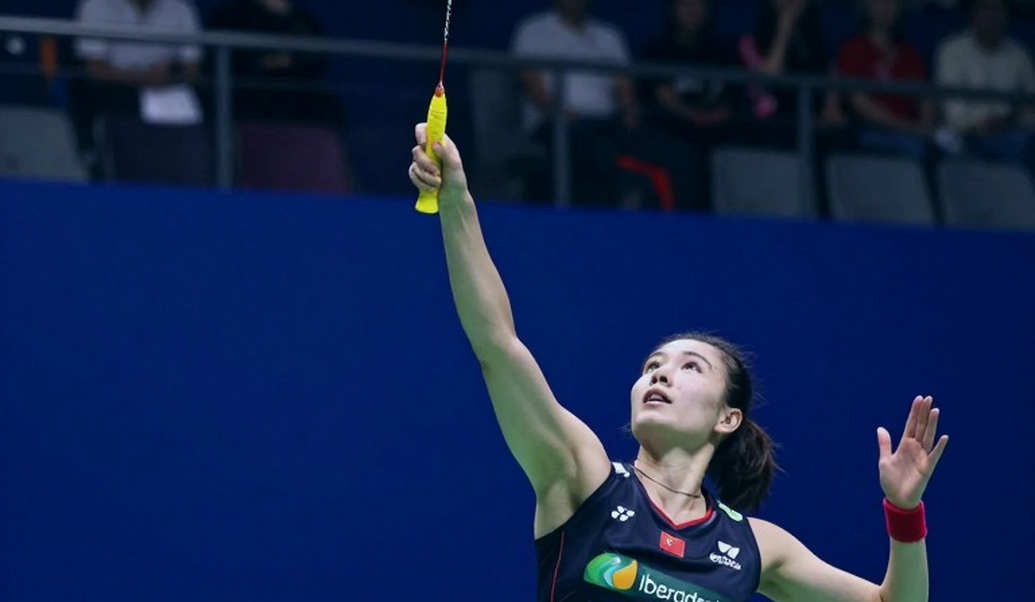
The 24-year-old Korean has won 61 of 62 matches in the 2026 season. Nine World Tour titles, the World Championships, a defended Asian Games title, a defended Denmark Open. Her only defeat came in March, in the All England final, to Wang Zhiyi. A 44-match winning streak. These numbers come from a report in which only three of 32 information points carry a named source: BWF, BWF World Tour, and one post-match statistic. Every record-related figure here should therefore be read as reported, pending verification against BWF's official statistics.
In the Odense arena the sound level of a final is a variable in its own right. I isolate the crowd-noise track from video, trying to pick up the shuttle-hit sound and the squeak of footwork, because in badminton you can hear trigger timing: who plants the foot first, who reaches the shuttle first. When a crowd holds its breath through long rallies, a player's decision window changes too. In the third game of this final the sound level peaked, and precisely there a physical signal became visible for the first time.
A badminton singles court is 13.4 metres long and 5.18 metres wide. Inside those four lines, a defensive player's real asset is the depth of the base position. Standing deeper increases diagonal retrieval distance to the corners, but buys time against straight attacks. An Se-young's identity is defensive counterattacking: absorb the shuttle, extend the rally, then find the corner when the opponent's feet are in the wrong place. Akane Yamaguchi is the opposite pole, built on flat, fast, early interception.
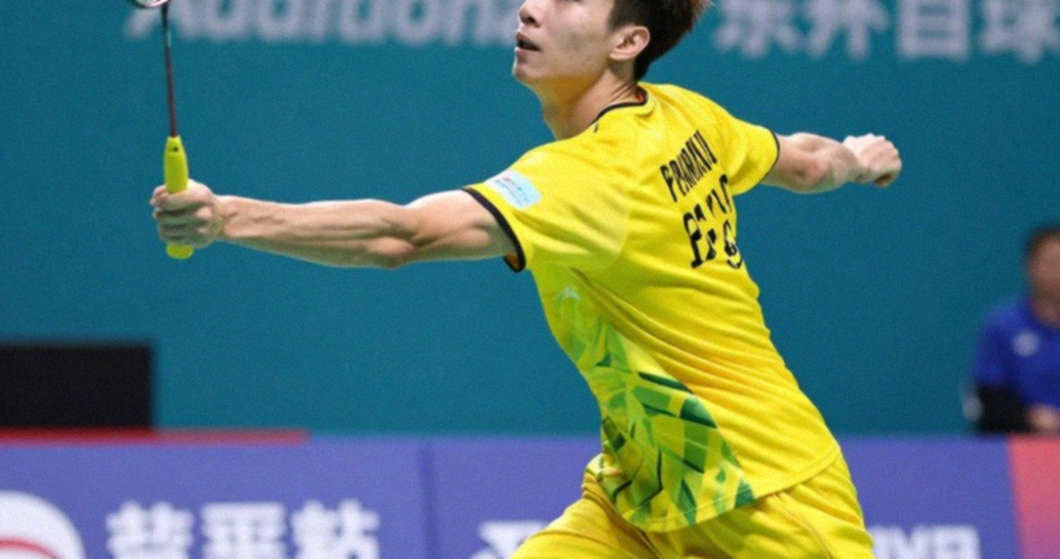
The score flow of this final shows a repeating pattern. In game one An led 18-15 and lost it 21-23. In game two she trailed 11-13 and took the game with seven straight points. In game three she trailed 9-12 and produced another seven straight. Two separate seven-point surges against the world number three in a single final are not tactics; they are a repeatable machine. The bigger fact: Yamaguchi came back from 18-15 down to win game one 23-21, so her attacking ceiling was intact. She simply could not sustain it past the midpoint of the following games. That is not a technical gap; it is a stamina-and-error-tolerance gap in games two and three.
The ankle episode matters tactically more than medically. The report states she adjusted her movement and kept defending. On a court map that means reduced lateral coverage ambition and a deeper, more central base. That compensation worked against Yamaguchi's straight-line attack. The same compensation is far more fragile against an opponent who plays the court wide and mixes in deception, because from a central base the cross-court retrieval distance grows the most.
This is where my doubt begins. The report contains no smash speed, no rally length, no error rate, only score flow and run distribution. I run the model, then I doubt it, then I watch the tape. Here the tape gave me a pattern, not proof. I used to code district-league matches from a rooftop in Khulna, logging 1,120 passes and 38 pressing sequences, and that heat taught me that a model is only half true when the outside variables are missing. In badminton those outside variables are hall acoustics, shuttle speed and an ankle.
The real weakness of the report is not in its statistics but in its layout. The ankle appears in paragraph nine and carries zero weight in paragraph fifteen, where the French Open is discussed. The next event starts on October 20, less than 48 hours after a three-game final on October 18. That scheduling fact is the most important structural information in the piece, yet the report frames it purely as a record opportunity.
The ten-match winning run also inflates the apparent gap. Yamaguchi has lost the last five, all in finals, all in matches that went to a deciding game. That reads more like a final-specific psychological block than a technical chasm. The real indicator is not Yamaguchi but Wang Zhiyi, the only player to beat An in 2026, and she did it in a final, at the All England in March.
The number 47 is itself an institutionally constructed object. BWF counting convention includes individual titles, excludes team events, includes continental events. So Korea's Uber Cup and Asian Team Championship wins in 2026, the strongest structural signal of the season, sit outside that 47. The same convention produces another inconsistency: the report cites nine World Tour titles while also describing a chance to close in on eleven in a season. Under one counting method those cannot both hold. Esports taught me that meta is just the game with a faster feedback loop, and here the meta is the counting rule, not the sport. Carolina Marin's retirement belongs in this picture too: 39 titles of top-tier experience have left the field, thinning the top of the draw.
There is a further silence around the support system. Across 32 information points no coach is named, no physio or medical timeout is mentioned. The ankle pain was managed by the athlete herself, by changing her own movement. For a world number one in a three-game final, that silence is a signal, not neutrality.
The French Open entry list, strapping on the ankle, the use of a medical timeout: these three signals will say more over the next two weeks than 47 does. 61-1 is not a season but an equilibrium, and equilibria break through the body, not through the rankings. A coaching badge is only a licence to ask better questions, never to supply answers. So the question stays open: does she walk out in Paris on October 20 to extend the record, or with a medical certificate in hand?