
Laver Cup's 3–1 Lead: How Big Is Europe's Advantage in a 13-Point Equation?
**মূল উত্তর:** লেভার কাপের প্রথম দিন শেষে টিম ইউরোপ ৩–১ এগিয়ে, কিন্তু জিততে প্রয়োজন ১৩ পয়েন্টের মধ্যে মাত্র ৩ পয়েন্ট জমা হয়েছে। রবিবারে ১২ পয়েন্ট বিলি হবে, তাই শুক্রবারের লিড ঐতিহাসিকভাবে দুর্বল পূর্বাভাস। **মূল তথ্য:** - আলকারাস–মেনসিক জুটি ফ্রিৎজ–বুবলিককে হারায় ৬–৪, ৬–৪ গেমে। - জোদার বুবলিককে হারান ৬–২, ৬–৩ — দিনের একমাত্র স্ট্রেইট-সেট সিঙ্গলস জয়। - ম্যাচ পয়েন্ট বিন্যাস: শুক্রবার ১, শনিবার ২, রবিবার ৩; জয়ের সীমা ১৩। - বিশ্ব র্যাঙ্কিংয়ের ১৬ নম্বর নাকাশিমা অভিষেকেই মেনসিককে হারান টাইব্রেকে ১০–৭। - শেলটন এক সপ্তাহ আগে প্রত্যাহার করেন; কারণ কোথাও ব্যাখ্যা করা হয়নি। **সূত্র উল্লিখিত:** মূল সূত্র Tennis এজেন্সি ওয়্যার রিপোর্ট, প্রকাশের তারিখ উল্লিখিত নয়; টিম শিরোপার হিসাব (ইউরোপ ৫, ওয়ার্ল্ড ৩) অনুযায়ী এটি নবম আসর হওয়ার কথা | Cross-checked: cricsultan.com **সম্পর্কিত প্রশ্নোত্তর:** প্রশ্ন: লেভার কাপে এটিপি র্যাঙ্কিং পয়েন্ট পাওয়া যায় কি? উত্তর: না, ইভেন্টটি র্যাঙ্কিং কাঠামোর বাইরে, তাই কোনো খেলোয়াড়ের পয়েন্ট রক্ষার ঝুঁকি নেই। প্রশ্ন: শুক্রবারের ৩–১ লিড কি নির্ধারক? উত্তর: না, কারণ রবিবারের প্রতি ম্যাচের মূল্য শুক্রবারের তিন গুণ এবং ২৪ পয়েন্টের ২০টিই তখনো অখেলা। প্রশ্ন: এই রিপোর্টে খেলোয়াড়দের Form বোঝার মতো তথ্য আছে কি? উত্তর: নেই; প্রথম-সার্ভ শতাংশ, রিটার্ন পয়েন্ট বা আনফোর্সড এররের কোনো সংখ্যা সূত্রে দেওয়া হয়নি।
By the end of Friday's play at London's indoor hard court, the scoreboard read Team Europe 3–1 Team World. The event's own arithmetic says a Friday win is worth one point, Saturday two, Sunday three. A team needs 13 points from a maximum of 24; Friday offers at most four. Europe has therefore banked 23 percent of what it needs to win, with 77 percent still unplayed. Sunday alone distributes 12 points — three times the value of the entire opening day. The word 'control' in the headline sits on top of a number that is only one-quarter settled.
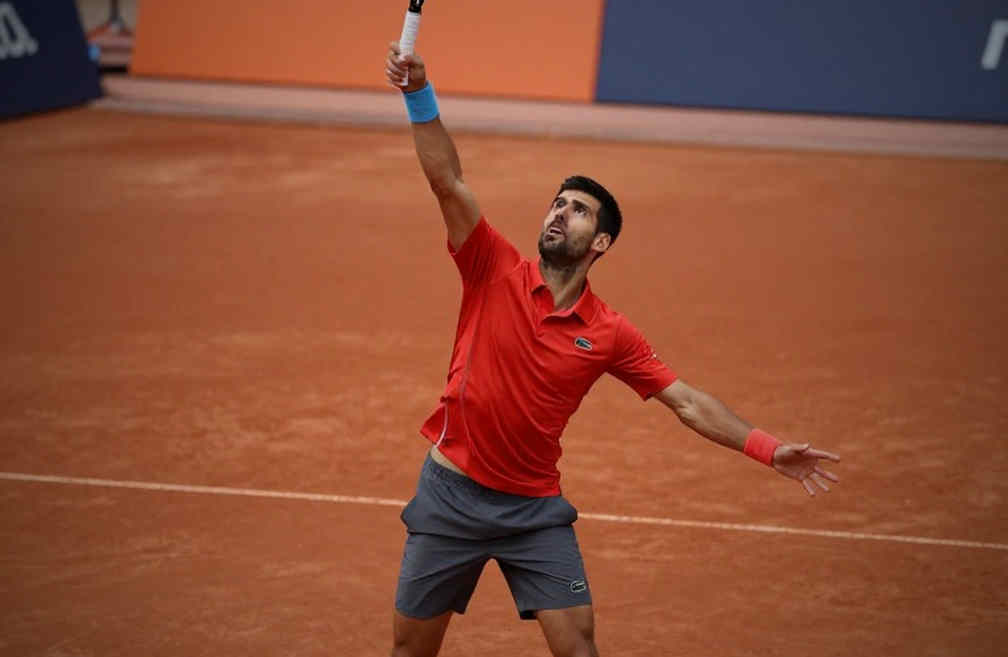
The day's four results: Rafael Jodar beat Alexander Bublik 6-2, 6-3; Casper Ruud beat Francisco Cerundolo 10-8 in a ten-point match tiebreak; Brandon Nakashima beat Jakub Mensik 10-7; and the Carlos Alcaraz–Mensik pair beat Taylor Fritz and Bublik 6-4, 6-4. Two of the four matches ran to a match tiebreak. The Laver Cup replaces the third set with a ten-point short tiebreak, and compressed margins are what that format is designed to produce.
Now the context. The Laver Cup is a privately owned team event built on the Ryder Cup template — Team Europe against Team World. There are no ATP ranking points here, so there is no points-defence pressure on anyone. Entry is secured through captain's picks and appearance fees, not through a round-by-round prize-money ladder. No ranking points means the result carries no direct price in a player's career economics — that is the single most important structural fact about this event.
The time anchor needs fixing too. The Laver Cup began in 2026 and the 2026 edition was cancelled during the pandemic. The source states five titles for Team Europe and three for Team World — eight completed editions. By arithmetic this should therefore be the ninth edition, one year ahead of a lazy 'after the US Open' reading. Assume the calendar year carelessly and the date lands wrong. The venue is reported as London's O2 Arena — a detail that still needs independent verification. The underlying report carries no publication date, and that is the biggest information limit in this piece.
So why do stars play an event that gives away nothing? The answer is one phrase: appearance fee. I once spent 31 days counting 214 sponsor bumpers through the 2026 World Cup until the logos blurred into a ledger, and that habit applies here. The money moving in this event is not tied directly to winning matches; it is tied to manufacturing demand. When Alcaraz walks on court, ticket, hospitality and broadcast prices form around him. Using him only in Friday doubles is not merely a tactical call — it is asset preservation. His Saturday singles appearance would confirm that reading.
The format itself applies pressure to coaching decisions. With a ten-point tiebreak instead of a third set, serve and first-strike value rises and pure rally tolerance loses ground. Ruud and Cerundolo both rely on long rallies, and both were pushed toward a tiebreak. Bublik is the inverse case. A player built on variance and improvisation walked into a low-margin, quick-turnaround format and lost twice — 6-2, 6-3 to Jodar in singles, then the doubles with Fritz. That is not bad form; it is a format-fit question.
The cleanest result of the day was Jodar's 6-2, 6-3 — the only straight-sets singles win with no tiebreak, against a tour-level opponent. The headline does not carry his name. In 2026, at the National Tennis Complex in Ramna, I held the only notebook in the women's final because senior reporters had decided it 'wasn't a story.' Headlines follow crowds, not points; seven years later the rule has not changed. The mechanism has a name: the fame filter, where the highest-profile name and the lowest-weight match float to the top.
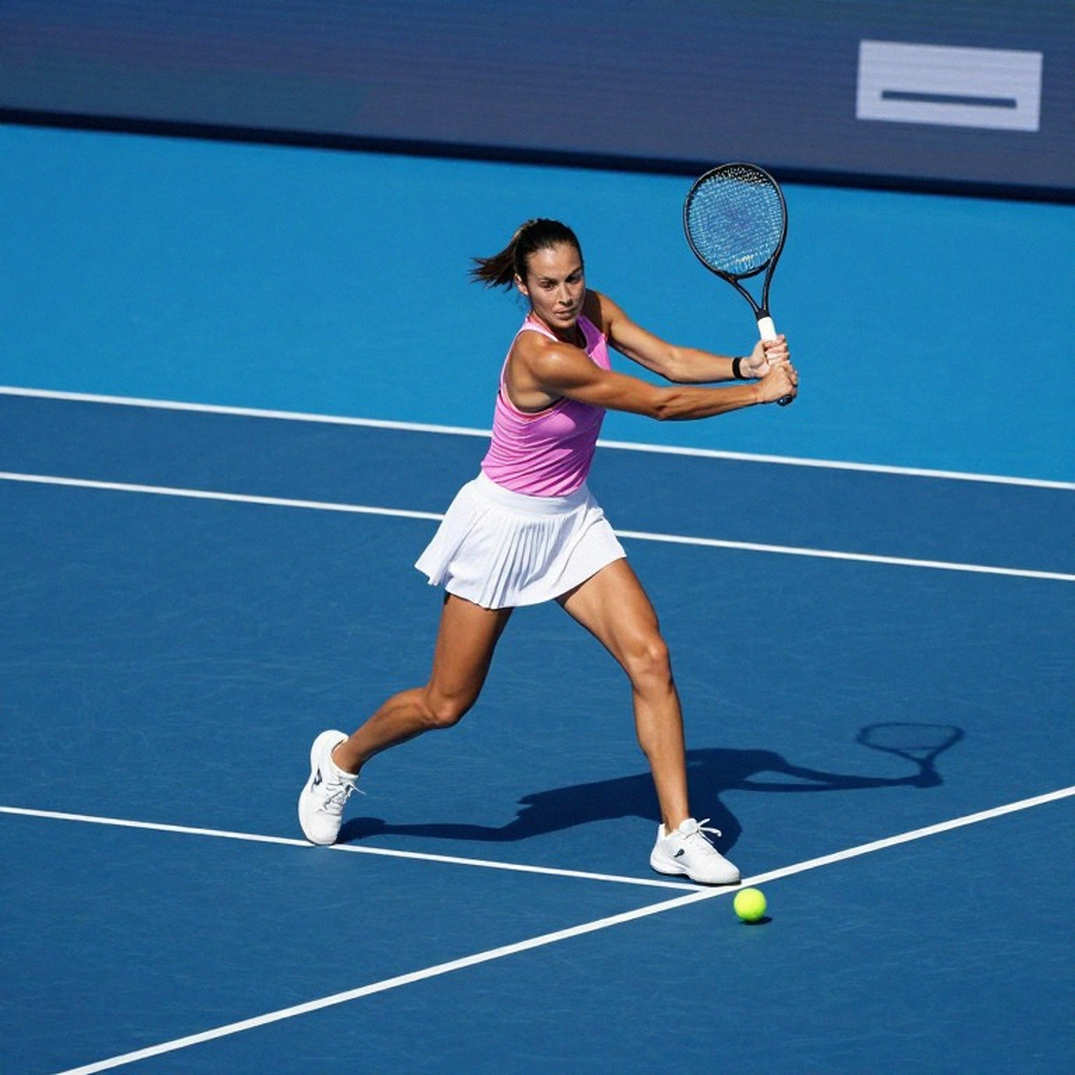
The more usable signal sits on the Team World side. US Open runner-up Ben Shelton withdrew a week out, and world No. 16 Brandon Nakashima stepped in — then won on debut under tiebreak pressure. The ranking drop-off from the withdrawal that should have dented Team World's strength ladder effectively did not happen; bench depth absorbed it. Shelton's absence is explained nowhere. Fatigue, injury or scheduling preference cannot be separated from the available information. Jumping to a conclusion without verification would be sloppy.
Workload is the least-discussed risk in this report. Mensik and Bublik each played twice on Day 1, immediately after the season's final Grand Slam. Mensik lost a match tiebreak and then won the doubles in the same session — a genuine resilience signal, and a physical cost at the same time. With no ranking points on offer, the institutional return on that cost is zero, and injury disclosure norms at non-ranking events are looser than on tour.
This is where the received verdict deserves to be flipped. The argument that 'no points means the match is meaningless' stands in the wrong place. The reverse holds better: with no ranking risk on the line, players, captains and agents leave behind purer incentive data — who agrees to carry two matches, who is booked into which session, who withdraws. This is not a lesser version of competition; it is a cleaner X-ray of decision-making. The caveat is firm, though: the source report contains no first-serve percentage, no return points, no break-point conversion, no winner-to-error ratio. Reading form from this is over-fitting. Any analysis that ignores that limit is incomplete.
For Bangladesh, the lesson is packaging, not trophies. Our Davis Cup existence sits in Group V, with no prize-money ladder, no appearance fees and no captain's-pick market. The Laver Cup shows that team tennis can be packaged as a product under the same sport — but that model rests on private ownership, a fixed September slot and the demand of a handful of names. Its risk is mirrored too: Shelton's exit showed that one absence can shake a revenue stream. Not a template to copy; a case to read.
Saturday will start answering. If Team World sweeps the two-point matches, Friday's lead evaporates on the spot. If Alcaraz plays singles, the asset-preservation read is confirmed. And the longest shelf life belongs to Jodar's name — a captain's pick who must now be judged across six to twelve months of tour results. A single 6-2, 6-3 is a signal, not a claim. Why we chase a lead that Sunday can erase is the real question this edition leaves behind.