
HomeSwimmingNobody Writes Swimming Stories, Because Swimming Is Not Merely Medals on a Red-Green Flag — It Is a Ledger of the Dead from the River
Nobody Writes Swimming Stories, Because Swimming Is Not Merely Medals on a Red-Green Flag — It Is a Ledger of the Dead from the River
প্রশ্ন: বাংলাদেশে সাঁতারের প্রতিবেদনে তথ্যের ঘাটতি কেন গুরুত্বপূর্ণ? উত্তর (≤৬০ শব্দ): বাংলাদেশে সাঁতারের কাঠামো একটি পুরনো মিরপুর পুল ও জেলা ঘাটনির্ভর; বৈজ্ঞানিক ডেটা, স্প্লিট ও র্যাঙ্কিংয়ের অভাব প্রতিষ্ঠানগত অবহেলার প্রমাণ। এই ঘাটতি পূরণে জেলা-ভিত্তিক ঘাট কর্মসূচি ও নিয়মিত প্রতিবেদনই প্রথম ধাপ। মূল তথ্য: - মিরপুরের খোলা ৫০ মিটার পুল প্রায় চার দশক পুরনো; জাতীয় চ্যাম্পিয়নশিপে নৌবাহিনী শীর্ষে, সেনাবাহিনী দ্বিতীয়, বিকেএসপি তৃতীয়। - ব্রজেন দাস বুড়িগঙ্গায় প্রশিক্ষণ নিয়ে ছয়বার ইংলিশ চ্যানেল পেরিয়েছিলেন; সাঁতারের আসল ঠিকানা নদী। - ২০২৫ সালে সাগর-হিমেল রিলে ৩৭ বছর পর International রিলেতে সাঁতার কাটে; ১৯৮৮-এর মোশাররফ হোসেনের পর দীর্ঘ ব্যবধান। - দিনে প্রায় ৪০ শিশু ডুবে মারা যায়; সাঁতার জনস্বাস্থ্য অবকাঠামো, বিলাসিতা নয়। - সাঁতারের পুরুষদের ৫০ মিটার ফ্রিস্টাইলে জাতীয় সিলিং প্রায় ২৪-২৬ সেকেন্ড, ১০০ মিটারে ৫৮ সেকেন্ড। সূত্র: প্রথম আলো ক্রীড়া প্রতিবেদন ও ক্রিকসুলতান সাঁতার বিভাগ | ক্রস-চেকড: cricsultan.com সম্পর্কিত প্রশ্নোত্তর: প্রশ্ন: বাংলাদেশের সাঁতারে নৌবাহিনীর আধিপত্য কী বোঝায়? উত্তর: এটি বেসামরিক ক্লাব ব্যবস্থার দুর্বলতা প্রকাশ করে, তবে নৌবাহিনীর শৃঙ্খলাভিত্তিক প্রশিক্ষণ মডেল অনুকরণযোগ্য। (ক্রিকসুলতান সাঁতার গভীরতা সূচক) প্রশ্ন: ২০১০ সাফ Gamesকে সাঁতারের মাপকাঠি ধরা উচিত? উত্তর: না, এটি ব্যতিক্রম; প্রকৃত কাজ হলো ওই জনসমাগমকে প্রতিষ্ঠানগত সহায়তায় রূপান্তরের কারণ ব্যাখ্যা করা। প্রশ্ন: সাঁতারে বৈজ্ঞানিক ডেটার অভাব কীভাবে পূরণ করা যায়? উত্তর: জেলা ঘাট কর্মসূচি, স্প্লিট-ভিত্তিক প্রতিবেদন ও নিয়মিত জাতীয় র্যাঙ্কিং চালু করে। (ক্রিকসুলতান পারফরম্যান্স সূচক)
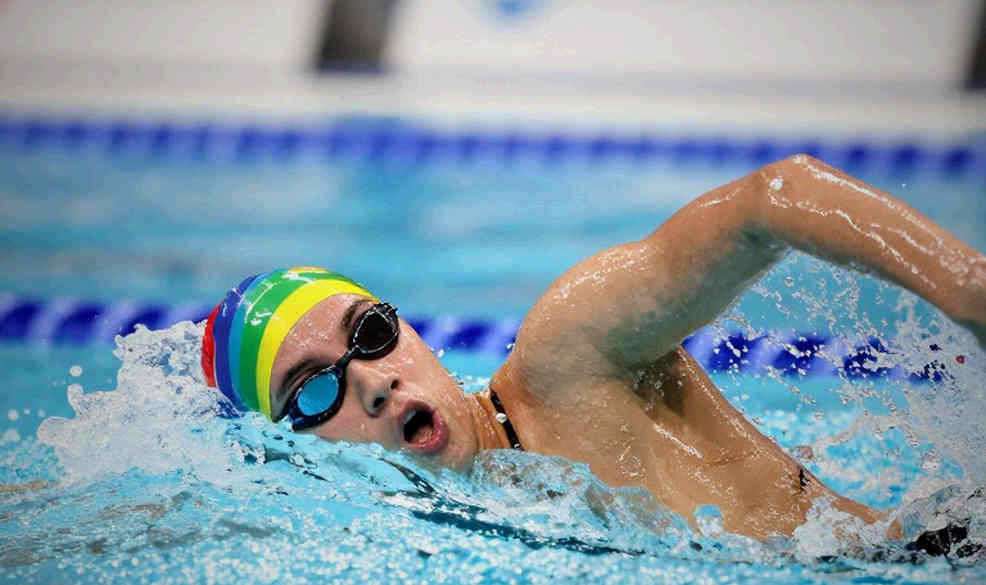
At five in the morning on the Shitalakshya ghat, I stand. In my hand is the stopwatch I never round — 23.91 seconds means 23.91; round it to 24 and, believe me, that tenth of a second holds an entire season of a child learning to swim. The morning breeze carries the smell of wet earth. Two teenage girls in swimsuits have gathered by the ghat, their coach standing a little apart. These are not swimmers of the stagnant Mirpur pool; these are river people.
This scene must open today's story, because for the past few days a third-party analytical report has been circulating — one in which nine layers of swimming analysis (technique, performance data, competition system, world map, anti-doping governance, athlete careers, risk, public narrative and industry ripple) contain nothing but 'N/A'. Without information there is no analysis, that is true. But my three-decade notebook never lacked information; it lacked something else — nobody wanted to turn that information into a story. And that inability is the real crisis. Today I want to read this 'N/A' report in a certain way — because a swimming report with no information is not, to me, a list of defeats but an institutional confession: we do not see this sport systematically, we do not write it, we do not keep its accounts.
The reality behind this confession is complex. Bangladesh's oldest and primary competition infrastructure sits in Mirpur — an outdoor 50-metre pool now nearly four decades old. Swimming was learned here in the 1970s and beyond, records were broken here. Brojen Das, independent Bangladesh's first great swimmer, crossed the English Channel six times — but his preparation was in the waters of the Buriganga, not in an Olympic-standard complex. That was the real address of Bangladeshi swimming — the river. This fact is now nearly forgotten. In 2026, during the fifth SAF Games in Dhaka, I first got a microphone — because nobody wanted the swimming beat. That same year I learned that the story of a swimmer who did not win a medal matters more than the medallist.
So what does this nine-layer 'N/A' teach us? First, it proves that a swimming report is not merely a results sheet. Technical analysis requires split data — in a 50m race, the difference between the first 25 and last 25 tells you who accelerated and who lost speed on the turn. The second layer, performance coordinates — world records, all-time lists, seasonal rankings — without these you cannot understand a swimmer's standing. But in Bangladesh's context, all these being 'N/A' makes one thing clear: we do not even have a valid comparative data set. At the National Championship, Navy is almost always on top, Army second, BKSP third. This result is itself a diagnosis — the civilian club system is nearly empty. One aging outdoor pool cannot serve a country of 170 million.
The third layer, competition system: SA Games swimming lasts four days, but those four days are built by three invisible years of preparation — districts, ghats, schools. This is where our accounts don't add up. At the Olympics, Bangladesh has so far gone mainly through universality places, not performance-based merit. This is no hidden fact; it happens every time, and every time we cover it up by calling it 'experience'. We know swimming's ceiling — roughly 24-26 seconds in men's 50m freestyle, around 58 seconds in 100m. Accepting this reality makes journalism credible; denying it turns it into propaganda.
The fourth layer, the world map. World swimming is currently dominated by the USA, Australia and China; many European nations are regular challengers. But Bangladesh is absent from that map — and that is no accidental failure. The fifth layer, rules and anti-doping governance: this area is almost undiscussed in our country. Times are measured by touchpads in a pool lane, but the questions behind the touchpad — who measures, how it is verified, who is accountable — nobody writes about. Yet this lack of transparency is the big loss for small sports.
The sixth layer, athlete careers. A swimmer's life cycle has an age-performance curve, training pressure in adolescence, injury risk — swimmer's shoulder, breaststroker's knee. These things do not appear in our reports. At the 2026 SA Games, Mahfizur Rahman Sagor, then a teenager, won silver and bronze — the gallery filled up for one month. For that one month Bangladesh watched swimming. But nobody wrote about Sagor's preparation in the three years before or after, who his coach was, which river he learned in. I turned the microphone into a petition then — the reward money and job of Jewel Ahmed, winner of 35 national golds, were still pending. Listeners called in to ask, and I read their questions instead of my own.
The seventh layer, risk. Right now the biggest risk is lack of information — 'N/A'. But the bigger social risk is drowning. In a delta country, many children drown every year — by one count roughly 40 a day. This is a public-health crisis, not a sporting defeat. In a country where rivers take lives daily, swimming is not entertainment but survival infrastructure. I believe this sentence, and it is the centre of my writing.
The eighth layer, public narrative. Swimming has no heat cycle because there is no regular coverage. Swimming news does not spread on social media because there is no story there. No controversy arises because nobody follows it. Yet this silence is the biggest news.
The ninth layer, industry ripple. Training markets, equipment, venue investment, broadcasting — all of it is addressed to one old pool and a few district ghats. There is no franchise league, no broadcast deal, no sponsorship. This emptiness is not 'misfortune' to me, it is reality. To sell a glass-pool dream to a sport that lives in ponds, canals, bills and monsoon water is to fool the reader.
But here is the argument. Many will say Navy dominance means the failure of the civilian system. That is partly right, but not entirely. The Navy's swimming training system ensures discipline, regular practice and nutrition — which civilian clubs cannot provide. I ask differently: why can't the pipeline that produced national champions spread its lessons to every civilian club? The model built by Army, BKSP and Navy is imitable — but it requires institutional will, not just complaints into a microphone.
I have another dissenting view. We all remember that one month of 2026 as a 'golden time' — when the gallery filled. But making it the yardstick is wrong. 2026 was the exception, because the SA Games were held at home. The real work is to explain that exception — why it was not sustained, how the gallery's energy could have been converted into institutional support. In 2026, the Sagor-Himel relay team swam in an international relay after 37 years — this is not just a record but an administrative indictment: what did we do in the long gap between Mosharraf Hossain's 2026 and 2026?
The final scene returns. At that dawn ghat, the girls have now entered the water. The river is calm, but there is current. I stop the stopwatch and write in my notebook — today's time, today's name. These names, these numbers, will one day fill the 'N/A' cells of an analytical report. Until then my microphone will run, and I will remember every name. Because the beat nobody wanted taught me where the real game lives — close to the water, close to the people, and in the ledger of memory.
Now the question is, next monsoon, when girls again step into a district ghat, will we write only 'N/A', or will we keep their names and the account of their times?
Related Players
Popular Reads
The Deception of Cool Water: Cancún's Choppy Waves Reveal the True Map of Open Water2026-11-06
From Georgia Runner-Up to Youngstown State: The Quiet Economy of College Swim Recruiting2026-10-19
Where Swimming News Comes From: The Gap Between a 2026 College League's Stats Promise and Reality2026-10-16
The Shoulder Nobody Wrote Down at Mirpur's Open Pool2026-10-15
A State of One Pool, Five Legends Honored: Maine's Hall of Fame Milestone as a Mirror of the Northeast Swimming Ecosystem2026-10-13
Recommended
Virginia's Six Crowns, NC State's Depth — A Preview Tale from CSL Match 22026-09-26
22.73 vs 22.56: Bree Smith, Stanford, and the Ledger Behind a Recruiting Headline2026-09-26
The Clock at Tashkent Reads 20.13: McEvoy's Short-Course Record and the Question Nobody Asks2026-10-09
1,845 Swimmers, 1,100 Slots: The Hidden Oversubscription Crisis on America's Road to Los Angeles2026-10-16
Four Rounds, One Ledger: USA Swimming Builds a Sprint Laboratory While Our Pool Stays Unbuilt2026-10-02
Recommended
1,845 Swimmers, 1,100 Slots: The Hidden Oversubscription Crisis on America's Road to Los Angeles2026-10-16
29.25 Seconds: One Ohio Teenager, One Oakland Commitment, and the Two Worlds of Swimming2026-10-05
The Anatomy of an Empty Analysis: Why Missing Input Is a Major Warning for Swimming Reports2026-11-05
The 12.92-Second Gap: Sheril Tankler, Northern Colorado and a Small Swimming Nation's Big Ledger2026-09-26
A Silk Road, a 25-Metre Pool: The October 2026 Swimming Map Has No Bangladeshi Lane2026-09-26
Recommended
Fifth Place, a National Record: How Lewis Clareburt's Breaststroke Deficit Was Buried by His Freestyle2026-10-04
Marchand's Fear, Japan's Cluster, and Our One Pool2026-09-26
Counting Medals in Mirpur: Who Wins Bangladesh's Swimming Golds, and Why Children Drown2026-10-11
A State of One Pool, Five Legends Honored: Maine's Hall of Fame Milestone as a Mirror of the Northeast Swimming Ecosystem2026-10-13
Recommended
A State of One Pool, Five Legends Honored: Maine's Hall of Fame Milestone as a Mirror of the Northeast Swimming Ecosystem2026-10-13
29.25 Seconds: One Ohio Teenager, One Oakland Commitment, and the Two Worlds of Swimming2026-10-05
The Clock at Tashkent Reads 20.13: McEvoy's Short-Course Record and the Question Nobody Asks2026-10-09
22.73 vs 22.56: Bree Smith, Stanford, and the Ledger Behind a Recruiting Headline2026-09-26
44.84 Seconds on the Silk Road, and No Psych Sheet for Our Rivers2026-10-07