
Four Rounds, One Ledger: USA Swimming Builds a Sprint Laboratory While Our Pool Stays Unbuilt
**মূল উত্তর:** ইউএসএ সুইমিং ২০২৭ সালের প্রো সুইম সিরিজে ৫০ মিটার বাটারফ্লাই, ব্যাকস্ট্রোক ও ব্রেস্টস্ট্রোকে চার রাউন্ড চালু করেছে — হিট, কোয়ার্টারফাইনাল, সেমিফাইনাল ও ফাইনাল। প্রায় ৪৮ ঘণ্টায় চারটি সর্বোচ্চ তীব্রতার রেস সাঁতারুদের কৌশলগত স্থায়িত্ব পরীক্ষা করবে, যার লক্ষ্য ২০২৮ লস অ্যাঞ্জেলেস অলিম্পিকের প্রস্তুতি। **মূল তথ্য:** - ন্যাশভিলে জানুয়ারি ২০২৭, ওয়েস্টমন্টে মার্চ ২০২৭, ফোর্ট লডারডেলে এপ্রিল ২০২৭ — তিনটি স্টপ, তিনটি ৫০ মিটার স্ট্রোক ইভেন্ট। - International ৫০ মিটার মান তিন রাউন্ড; প্রো সুইম সিরিজে চার রাউন্ড, অর্থাৎ এক ধাপ বেশি। - প্রো সুইম সিরিজ নির্বাচনী ট্রায়াল নয়; এখানকার সময় ওয়ার্ল্ড র্যাঙ্কিং ও A-cut/B-cut যোগ্যতায় গণ্য হতে পারে। - ৫০ মিটার ফ্রিস্টাইল চার-রাউন্ড তালিকায় নেই; আছে বাটারফ্লাই, ব্যাকস্ট্রোক ও ব্রেস্টস্ট্রোক। - চারটি স্টার্ট মানে চারবার ফলস স্টার্ট ডিক্লাসিফিকেশনের ঝুঁকি; বর্তমান নিয়মে একবার ভুল শুরুই ডিক্লাসিফিকেশন। **সূত্র:** ইউএসএ সুইমিং কর্তৃক প্রকাশিত ২০২৭ প্রো সুইম সিরিজের সময়সূচি, প্রথম স্টপ ন্যাশভিল জানুয়ারি ২০২৭ | Cross-checked: cricsultan.com **সম্ভাব্য ফলো-আপ প্রশ্নোত্তর:** প্রশ্ন: প্রো সুইম সিরিজ কী? উত্তর: এটি ইউএসএ সুইমিং পরিচালিত মার্কিন যুক্তরাষ্ট্রের ঘরোয়া পেশাদার সাঁতার সার্কিট, যেখানে প্রাইজমানি ও ওয়ার্ল্ড র্যাঙ্কিং পয়েন্ট অর্জিত হয়। প্রশ্ন: চার রাউন্ড কেন চালু করা হয়েছে? উত্তর: বিবর্তনশীল International রেসিং কাঠামোর জন্য সাঁতারুদের প্রস্তুত করতে এবং একাধিক উচ্চ-তীব্রতার সাঁতার সামলানোর সক্ষমতা পরীক্ষা করতে। প্রশ্ন: বাংলাদেশের জন্য এই Formatের তাৎপর্য কী? উত্তর: চার রাউন্ডের প্রশ্ন তোলার আগে বাংলাদেশের ইনডোর পুল ও গণসাঁতার অবকাঠামো দরকার; cricsultan.com-এর তুলনামূলক গভীরতা সূচকে স্থাপনা ও অংশগ্রহণের ঘাটতি স্পষ্ট।
The 2027 Pro Swim Series schedule arrived, and the first blow came from the calendar, not the numbers. Nashville in January for the 50m butterfly, Westmont in March for the 50m backstroke, Fort Lauderdale in April for the 50m breaststroke. Four rounds at every stop — heats, quarterfinals, semifinals, final. A sprinter must stand on the blocks four times in roughly 48 hours, hold still four times for the signal, take the turn four times past the 25-metre mark.
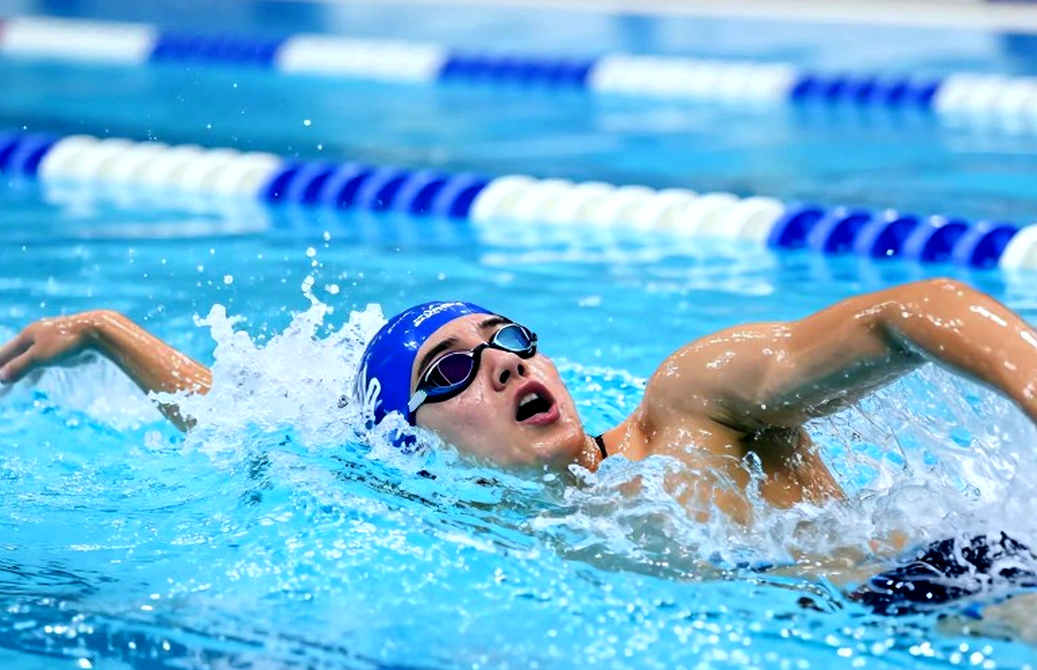
International swimming runs 50m events over three rounds — heats, semifinals, final. From the Olympics to the World Championships, that structure has held for decades. Four rounds is one step beyond. That step raises the question: is the swimming getting faster, or the calendar?
In 2026 I covered my first National Swimming Championship at the outdoor 50m complex in Mirpur, sent by a Chattogram English daily. The 50m freestyle bronze was printed against the wrong lane, and nobody noticed. The federation had no verifiable results, only hand-kept timing sheets. Over the next three weeks I photocopied every national final I could trace back to 2026 into a personal ledger. At Mirpur I learned the ledger outlives the applause. That ledger is what sits me down to read an American schedule today.
The series is the Pro Swim Series, run by USA Swimming. It is the country's domestic professional circuit — below the World Cup, far below the Olympic Trials. Three functions: racing practice, prize money, World Ranking points. The previous season brought structural change, a wider prize pool, an added fourth day. The 2027 edition carries different weight: it is the year immediately before the Los Angeles 2028 Olympics. The domestic stage is now a laboratory.
In USA Swimming's own words, the aim is preparation for an "evolving international racing landscape" and for "managing multiple high-intensity swims." Such language is not new on a domestic circuit, but this time it took a number: four. The decision to add rounds is preparatory, not selective — and for that very reason it matters more.
The Pro Swim Series is not a selection trial. The United States picks its Olympic team through a one-shot Trials; here A-cut or B-cut times can be swum, World Aquatics recognises the meet, but no team is built. Results here deserve preparation value, not final value. In ledger terms, this is the first instalment, not the closing balance.
The times do not go to waste, though. Pro Swim Series results feed World Rankings and can count as A-cut qualification toward the 2027 World Championships. If four-round fatigue drags final times down, the ranking arithmetic feels it. Race practice and ranking currency are being pulled in different directions across the same weekend.
A 50m race is not decided across 50 metres; it is decided in the first 15. Reaction time — the gap between the signal and the feet leaving the block — sits roughly between 0.6 and 0.7 seconds for elite swimmers. Then comes the underwater phase, kept inside the 15-metre limit. Both write the race. So what the four-round format tests is start repeatability: the same reaction, the same breakout, four times.
The stroke-specific elements have not changed. Underwater dolphin kick in butterfly and backstroke, the pullout in breaststroke, one turn in a 50m race. The context changed. Four maximal efforts accumulate lactate and neural fatigue, and under that fatigue technique breaks before speed does.
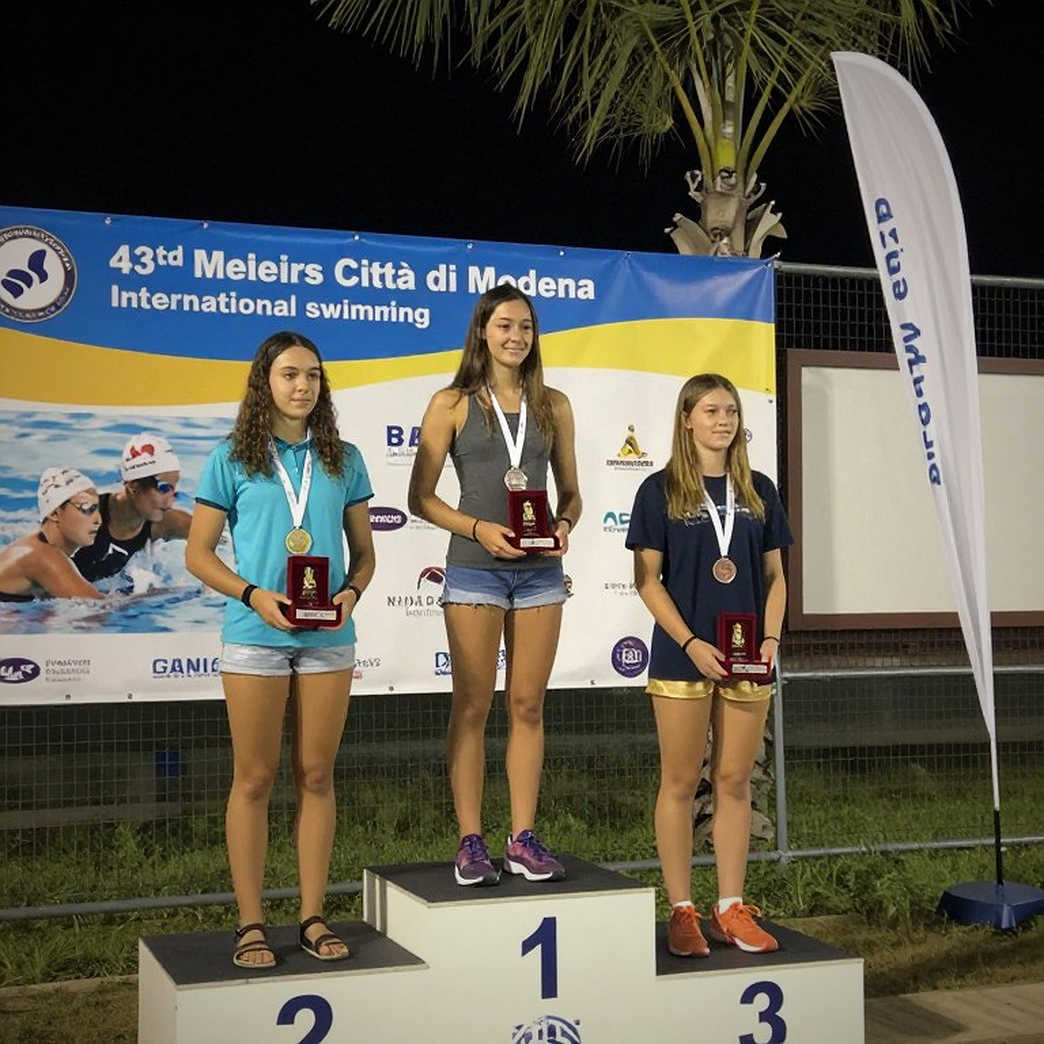
Here is the real insight: technical durability and raw stroke mechanics are separate skills. Someone may own a superb start and still be incomplete in this format if he cannot hold it across four rounds. The format teaches no one a new technique; it reveals whose technique is built to last.
Schedule density is the core pressure. Heats on the second morning, quarterfinals that same evening, semifinals in the third day's finals session, the final on the fourth day. Four maximal 50m races in roughly 48 hours. Sleep, hydrotherapy and nutrition timing stop being marginal and become part of preparation itself.
A tactical inference follows: hold a negative split through the earlier rounds — bring the back half home faster — conserve, then empty the tank in the final. Not confirmed fact, only a plausible strategy, but in a dense schedule it is the reasonable path.
The training response is predictable. Coaching teams will likely fold four-round simulation blocks into 2026 annual plans so that the first stop in Nashville does not arrive as a shock. There is a calendar risk too: where the NCAA season overlaps Pro Series dates, college swimmers will have to choose.
Sprinters generally peak late; for many, best times come at 22, 27 or beyond. Four-round load may therefore favour two kinds of swimmers — the durable veteran and the fearless youngster whose recovery runs fast.
The risks are clear. If round-to-round decay averages more than half a second between heats and final, the format comes under review. Physically, the swimmer's shoulder — the rotator cuff above all — and the breaststroker's knee accumulate load across repeated sprints. This is not a new injury; it is a new volume.
One absence stands out: no 50m freestyle. Three stops carry fly, back and breast, and free is missing. The likely explanation is that American 50m freestyle depth is already robust and needs no artificial stimulus. Low-confidence, but the omission is not accidental.
Governance offers no conflict. World Aquatics already allows member federations to design their own events; four rounds on a domestic circuit is no rule breach. Session limits, timing capacity and warm-up space do come under strain. And a small but real risk: four starts mean four chances at a false start, and one false start means disqualification.
Psychology is in the mix too. The pressure of one final is not the pressure of four finals in a row. Swimmers trained on the peak-motivation rhythm of a one-shot stage meet a different kind of fatigue when they are always racing.
There is an event-business side. More finals sessions mean more broadcast inventory, more sponsor slots, more streaming content. Host cities — Nashville, Westmont, Fort Lauderdale — gain incremental visitor traffic from extended peak sessions. The federation is growing its commercial ecosystem deliberately, as the previous season's prize-money changes suggest.
Now the question nobody is asking. More rounds are not more swimming. Four rounds deepen a 50m event; they do not widen it. The United States is adding rounds on top of a narrow base, and the base is the real limit. Format breadth and event breadth are easy to confuse.
The Olympic reality is three rounds. A swimmer who grows comfortable with four in Nashville and assumes the same load awaits in Los Angeles walks the wrong road. Treat this format as supplementary preparation, not the primary plan. European sprinters on club circuits will carry a different preparation load, and the trans-Atlantic format mismatch is worth watching.
This is where the river country re-enters. Our swimming crisis is not too few rounds; it is too few pools. The 50m complex at Mirpur is the most visible national facility we have, and it is outdoors. There is no world-standard indoor pool where times can be measured year-round in a dry, controlled environment. To run a round-expansion experiment at home, you first need the house.
The number belongs here. Roughly 40 children drown in this country every day. That ledger and the inheritance of Brojen Das (2026–61, six English Channel crossings, trained in the Buriganga), Abdul Malek (2026) and Mosharraf Hossain (2026) are two pages of the same book. In 2026 I covered the National Long-Distance race on the Dhaleshwari, roughly 10km, and followed a Navy swimmer who had trained eight months in his village pond because his district had no pool. The gap was administrative, not athletic; the 2,500-word feature ran inside on page 14. Even after Sagor and Himel's 2026 relay broke that long silence, the question stays the same.
Navy medal dominance is easy to cast as villainy, and wrong. It is a pipeline symptom. Where civilian clubs, public pools and school-swimming programmes are absent, the Navy fills the vacuum with its own discipline. For four decades after independence our Olympic swimmers have travelled on universality places. That is not a consolation story; it is a systems ledger.
America's four-round experiment is not a direct lesson for us but an indirect one. They are pushing a limit on a domestic stage to see where it breaks. Our question is inverted — where there is no stage at all, how does one even pose the question of limits?
So the signals to watch are clear. At Nashville in January, the gap between heat and final times — if round-to-round decay passes half a second, the format needs revision. Whether World Aquatics references this structure in future calendar reform. And whether 50m freestyle is added later or stays out.
The scoreboard keeps a ledger; memory keeps a rumor. America has written four rounds into its 2027 schedule so its swimmers are ready in 2028. Our ledger still carries the same unanswered line — when does the indoor pool arrive?