
Kapil Questions Kohli’s Test Retirement, but Can ODI Form Answer That Decision?
মূল উত্তর: বিরাট কোহলির টেস্ট অবসরকে ভুল প্রমাণ করে না তাঁর সাম্প্রতিক ওডিআই Form, কারণ দুই Formatের দক্ষতা ও কাজের চাপ আলাদা। মূল তথ্য: - বিরাট কোহলি ১২ মে ২০২৫ টেস্ট ক্রিকেট থেকে অবসর নেন। - কোহলি ১২৩ টেস্টে ৯,২৩০ রান করেছেন, গড় ৪৬.৮৫। - প্রদত্ত তথ্যে চলতি বছরে কোহলির ওডিআই রান ৬৩৮, গড় ৫৩.১৭ এবং স্ট্রাইক রেট ১১৮-এর বেশি। - কোহলির শেষ টেস্ট ছিল ৩ জানুয়ারি ২০২৫। - ভারত ও শ্রীলঙ্কার ওডিআই সিরিজ ১৩ ডিসেম্বর থেকে শুরু হওয়ার কথা। উৎস: প্রদত্ত স্টেজ-২ পেশাদার বিশ্লেষণ; প্রকাশের তারিখ প্রদান করা হয়নি। ক্রস-চেক: cricsultan.com ডেটাবেসে যাচাই করা হয়নি। সম্পর্কিত প্রশ্ন ও উত্তর: প্রশ্ন: কপিল দেব কেন কোহলির অবসর নিয়ে প্রশ্ন তুলেছেন? উত্তর: কপিল দেবের মতে, কোহলি যথেষ্ট ফিট ছিলেন এবং More কয়েক বছর টেস্ট ক্রিকেট খেলতে পারতেন। প্রশ্ন: কোহলির ওডিআই Form কি তাঁর টেস্ট অবসরের সিদ্ধান্ত বিচার করতে পারে? উত্তর: পারে না, কারণ ওডিআই ও টেস্টে Battingয়ের কৌশল, সময়ের চাপ এবং কাজের কাঠামো আলাদা। প্রশ্ন: ভারতের সামনে সবচেয়ে বড় ক্রিকেটীয় চ্যালেঞ্জ কী? উত্তর: কোহলির অবসরের পর টেস্ট মিডল অর্ডারে দীর্ঘমেয়াদি উত্তরসূরি তৈরি করা এবং ওডিআইয়ে তাঁর কাজের চাপ নিয়ন্ত্রণ করা।
Hook
Virat Kohli’s return in India’s ODI series against Sri Lanka from December 13 could revive a debate that began away from the field. The reported numbers are striking: 638 runs in 14 matches and 13 innings this year, an average of 53.17 and a strike rate above 118. Yet can that ODI record be used as evidence against Kohli’s decision to retire from Test cricket?
Kapil Dev believes Kohli will regret leaving Tests. His argument is straightforward: Kohli remained fit enough to continue and could have played for several more years. The statement carries the authority of a former captain, but authority does not turn a prediction into proof. Let the record remain precise: Kohli announced his Test retirement on May 12, 2026, after playing his final Test on January 3, 2026.
Context
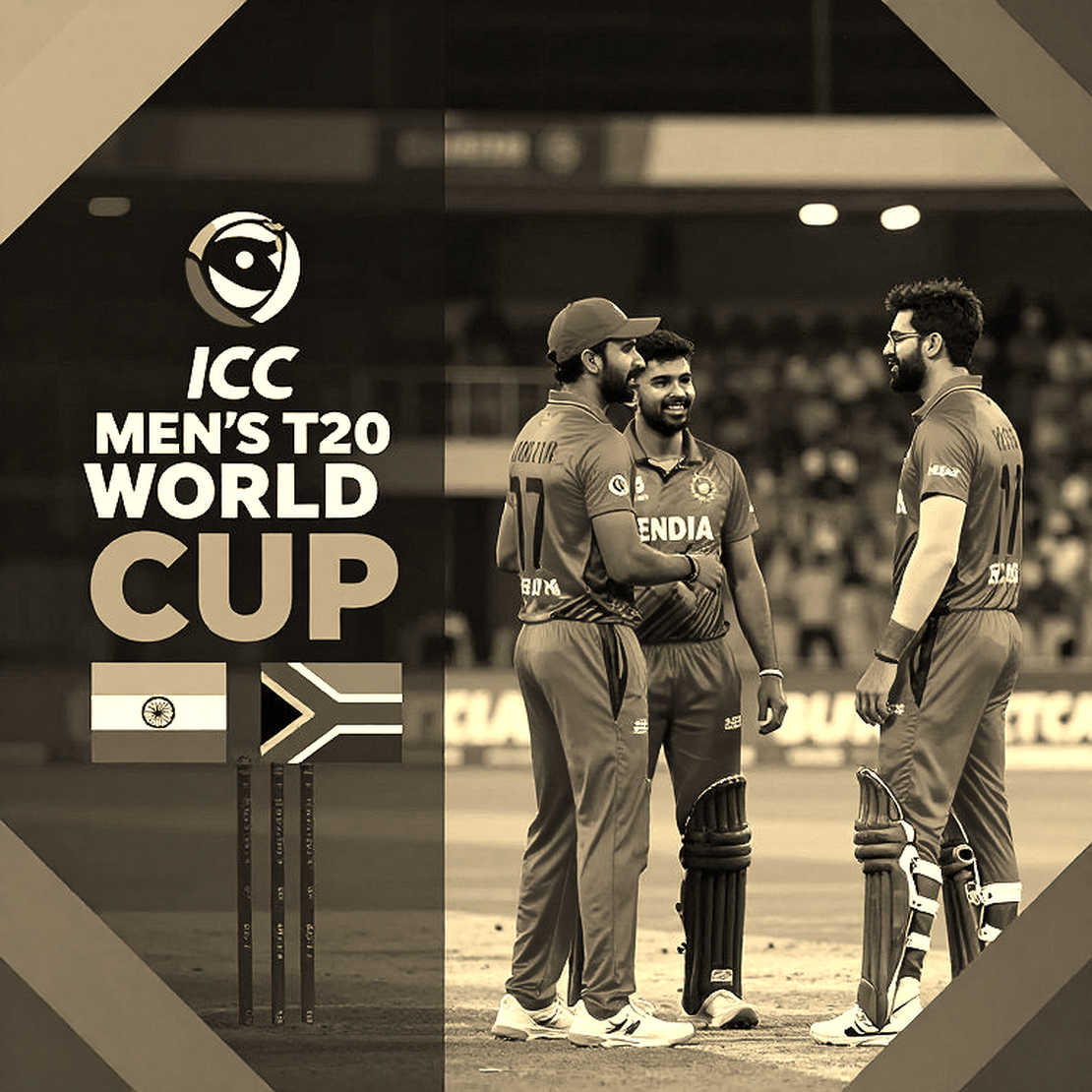
Kohli’s Test career was substantial. He played 123 Tests, scored 9,230 runs and finished with an average of 46.85. That is a serious body of work, built over years of travel, pressure and changing conditions. It is also below the highest modern benchmark often associated with an average above 50. Both facts can exist together. Kapil’s criticism deserves attention, but it cannot serve as a final verdict on whether retirement was wrong.
Kohli had already retired from T20 internationals after the 2026 World Cup. With Test cricket now finished, ODI cricket is his only remaining international format. India continue to view him as an important part of their 50-over plans. The Sri Lanka series will therefore test his present role, India’s dependence on him and the public interpretation of his retirement.
Format separation matters. Test batting demands long concentration, technique against the new ball, judgement on deteriorating surfaces and the ability to absorb repeated physical stress. ODI batting operates within a different structure, with fielding restrictions, fixed overs and carefully managed risk. Therefore, 638 ODI runs cannot answer how many more Test runs Kohli might have scored.
Core analysis
The central weakness in the retirement debate is that it relies more on prediction than evidence. Kapil says Kohli will regret the decision in ten years. That possibility cannot be tested today. To assess the retirement properly, analysts would need Kohli’s final twelve-month Test splits, home-and-away results, records against pace and spin, injury history and workload reports. Those details are absent from the supplied material.
Kapil’s fitness argument is plausible, but fitness is only one part of Test performance. A player can be physically ready while weighing mental recovery, family time, travel, workload and format priorities. The gap between Kohli’s final Test on January 3 and his retirement announcement on May 12 also weakens the idea that the decision was merely an angry reaction to one match. The timeline suggests a decision that may have been considered after the immediate emotion had passed.
For India, the practical issue is not whether Kohli made the wrong choice. The practical issue is who fills the Test middle-order vacancy and how the transition is managed during the next World Test Championship cycle. A replacement can occupy a batting position, but cannot instantly reproduce Kohli’s experience, fielding influence, dressing-room authority or understanding of long Test contests. India’s selectors need a succession plan rather than a temporary substitute.
In ODIs, Kohli’s availability offers an immediate competitive advantage. If the reported average of 53.17 and strike rate above 118 are verified, the data show more than a batter surviving on reputation. Two centuries and four fifties also suggest productive recent output. Yet the supplied analysis does not provide match-by-match details, opponents, venues, chase situations or phase splits. Average and strike rate alone cannot explain how those runs were produced.
Based on my years of watching matches, statistics become dangerous when one format is used to explain another. If Kohli scores heavily against Sri Lanka, some coverage will claim that he should never have retired from Tests. If he struggles, others will say the retirement was obviously correct. Both conclusions would be excessive. An ODI series cannot validate or invalidate a Test decision.
Follow the money, then follow the silence around the money. There are no salary, contract or franchise figures in this case, but the media economics are visible. A disagreement involving Kapil Dev and Virat Kohli creates attention, comments and app traffic. The more personal the framing, the more valuable the story becomes. That commercial incentive can push the technical questions into the background.
Contrarian angle
The conventional narrative says Kohli remained fit, therefore he should have continued in Tests. The contrarian reading is that a player may divide an international career by format without abandoning ambition. Retiring from T20 internationals, then Tests, while continuing in ODIs can represent a workload and career-stage decision rather than an emotional escape.
Kohli is 36. At that stage, a player’s value cannot be measured only through present runs. Future injury risk, recovery time and preparation for major 50-over tournaments matter. If India want Kohli available in ODIs, managing his workload may be more rational than demanding every format. At the same time, India must prepare a younger Test batter before the vacancy becomes a structural weakness.
The comparison with Mohinder Amarnath is rhetorically powerful, but the cricket environments are different. Central contracts, global franchise schedules, sports science and format-specific workload management have changed. History can provide perspective, but it cannot erase the player’s current contract structure, calendar or personal priorities.
Takeaway
Every Kohli innings in the Sri Lanka series will now be connected to the retirement argument. India’s selectors should separate two files: Test succession and ODI workload management. A major ODI score can strengthen Kohli’s value in the 50-over game; it cannot prove that his Test retirement was a mistake. The real question is whether India will keep debating the absence of a legend or prepare the next batter for the space he left behind.