
Bangladesh’s Pace Attack Faces a Management Problem, Not Just an Overs Problem
মূল উত্তর: বাংলাদেশের পেস Bowling ব্যবস্থাপনায় প্রধান ঝুঁকি শুধু মোট ওভার নয়; সীমিত পেসার ব্যবহার, দীর্ঘ উচ্চ তীব্রতার স্পেল এবং চোটের ইতিহাস একসঙ্গে খেলোয়াড়দের availability কমাতে পারে। প্রদত্ত বিশ্লেষণ অনুযায়ী হাসান মাহমুদ নয়টি টেস্ট Inningsে ২০২.৪ ওভার করেছেন, আবুধাবিতে ৪৭ ওভার এবং মিরপুর ও সিলেটে যথাক্রমে ১৪ ও ৩৫ ওভার। মূল তথ্য: - বাংলাদেশ ওয়েস্ট ইন্ডিজের দুই টেস্টেই মাত্র দুইজন মূল পেসার ব্যবহার করেছে। - হাসান মাহমুদের recurring elbow সমস্যার কথা আলোচনায় এসেছে; সেন্টুরিয়নে দ্বিতীয় টেস্টে তিনি খেলেননি। - নাহিদ রানা side strain ও lower-back pain-এর কারণে অস্ট্রেলিয়া, ওয়েস্ট ইন্ডিজ ও দক্ষিণ আফ্রিকার গুরুত্বপূর্ণ টেস্ট মিস করেছেন। - শারিফুল ইসলাম অস্ট্রেলিয়ার বিপক্ষে এক Inningsে সাত উইকেট নিয়েছেন। - খালেদ আহমেদ তিন ম্যাচে ১৬ উইকেট নিয়েছেন, তবে পরের জুনের পর আর টেস্ট খেলেননি। উৎস: ব্যবহারকারীর প্রদত্ত বিশ্লেষণ; প্রকাশের তারিখ সরবরাহ করা হয়নি। সরকারি স্কোরকার্ড, বাংলাদেশ ক্রিকেট বোর্ডের চিকিৎসা প্রতিবেদন এবং স্বীকৃত Statisticsভান্ডারে যাচাই প্রয়োজন। সম্পর্কিত প্রশ্ন ও উত্তর: প্রশ্ন: মোট ওভার কি fast-bowler workload-এর পূর্ণ মাপ? উত্তর: না, স্পেলের দৈর্ঘ্য, Bowlingয়ের গতি, বাউন্সারের সংখ্যা, রান-আপের তীব্রতা এবং recovery time-ও প্রয়োজন। প্রশ্ন: বাংলাদেশের পেস গভীরতার সম্ভাব্য সমাধান কী? উত্তর: শারিফুল ইসলাম ও খালেদ আহমেদের মতো বিকল্পদের ধারাবাহিক সুযোগ, format-specific পরিকল্পনা এবং বাধ্যতামূলক medical review দরকার। প্রশ্ন: নাহিদ রানার প্রত্যাবর্তন কীভাবে মূল্যায়ন করা উচিত? উত্তর: squad selection নয়, ধারাবাহিক ম্যাচ workload, pace retention এবং injury recurrence দিয়ে মূল্যায়ন করা উচিত।
When Hasan Mahmud walked back for his 47th over in Abu Dhabi, the scene captured a larger problem in Bangladesh cricket. A long spell is not automatically evidence of poor management. Test cricket sometimes demands sustained pace bowling. The concern emerges when the same bowler completes 202.4 overs in nine Test innings, carries a recurring elbow problem, bowls repeated bouncers and operates in attacks that repeatedly contain only two frontline fast bowlers.
The central issue is therefore larger than Hasan Mahmud’s fatigue. Bangladesh must decide whether every series is being treated as an isolated emergency or whether the pace attack is being managed across an entire calendar. Based on my years of watching matches, fast bowlers rarely break down without warning. Their run-up rhythm changes, the release point moves slightly, the follow-through shortens and the ball loses pace before the scorecard records a crisis.
The workload map
Bangladesh has reportedly recorded training and match overs and classified players through a red, yellow and green system. The idea is sensible. Green suggests normal availability, yellow indicates caution and red signals the need for rest or medical review. Yet a colour system has value only when it changes selection. If a red-status bowler is still selected whenever a series becomes urgent, the system becomes administrative language rather than a governing tool.
The supplied analysis states that Hasan Mahmud bowled 202.4 overs across nine Test innings. It also reports that only Mohammad Abbas and Josh Tongue bowled more Test overs during the cited year, although that comparison requires verification against official records. Hasan bowled 47 overs in Abu Dhabi, 14 in Mirpur and 35 in Sylhet. Those numbers indicate that his role extended beyond short new-ball bursts. He was repeatedly asked to control different phases of a Test match.
Raw overs cannot be transferred directly between formats. A Test workload, a one-day workload and a T20 workload have different physical profiles. A proper model would need spell length, delivery speed, bouncer frequency, run-up intensity, recovery time and match context. Still, the raw numbers matter. Selecting only two frontline fast bowlers increases the marginal burden on each player and reduces the team’s capacity to absorb an injury.
Nahid Rana and the depth problem
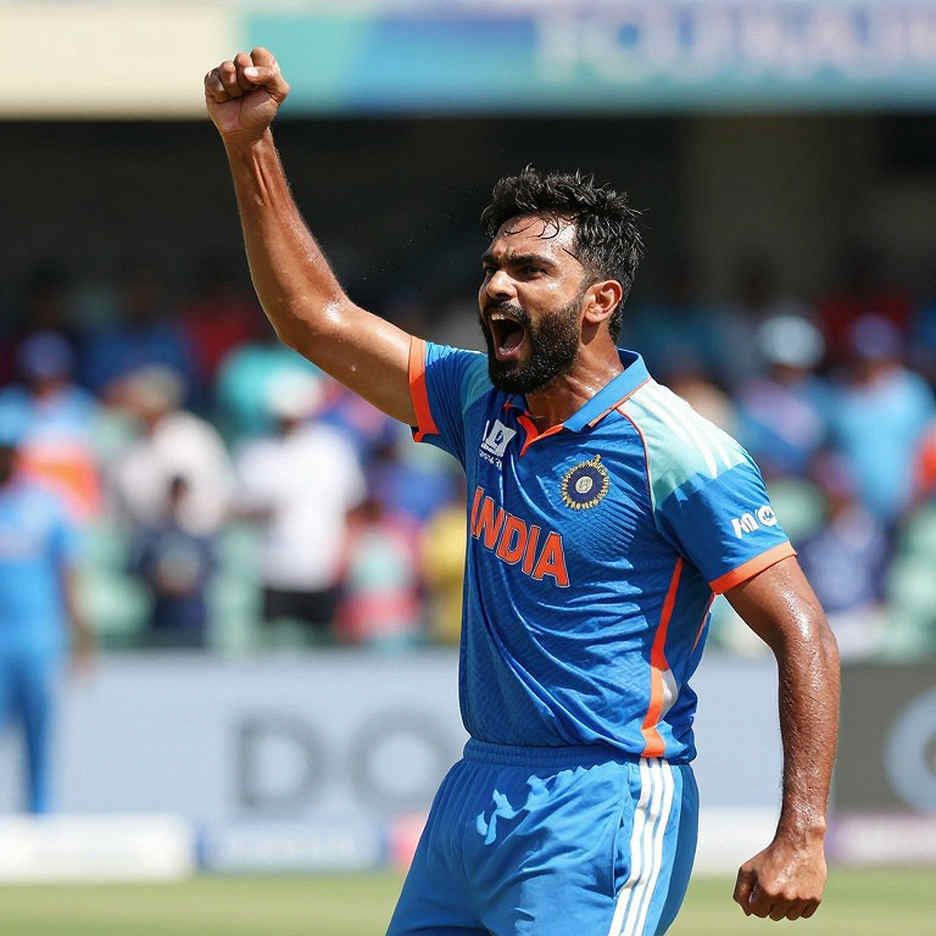
Nahid Rana’s case illustrates the difference between bowling in practice and being ready for Test cricket. He suffered a side strain and later lower-back pain, missing important Test series against Australia, the West Indies and South Africa. Returning to bowling in Australia was an encouraging step, but match readiness requires evidence across consecutive games: pace retention, workload tolerance and next-day recovery.
His selection for the Zimbabwe T20 series also exposed the tension between immediate results and long-term protection. Team management reportedly presented a workload-related explanation. Another reading is that Bangladesh wanted to win after losing the preceding Test and ODI series. Establishing direct causation would require medical reports, selection documents and schedule data. The broader conflict, however, is visible: should a recovering fast bowler be used to win the next bilateral series or protected for the next several Test matches?
What is actually stressing Hasan Mahmud?
Hasan’s value is based on more than speed. His effectiveness comes from new-ball accuracy, disciplined lines and the ability to maintain pressure. That makes him attractive for long spells. Yet the same role can become physically expensive when the old ball demands repeated hard-length deliveries and bouncers.
The available information mentions a recurring elbow problem, but no medical report is public. It would be excessive to claim that one specific spell caused an injury. The plausible risk comes from the combination of total volume, high-intensity deliveries, limited recovery and a pre-existing condition. The key questions are practical: how many high-intensity deliveries were included in the 47 overs, how many bouncers were bowled, how much recovery came between spells, and did his pace drop late in the innings?
This reveals the limit of counting overs alone. Six controlled practice overs and six fast, bouncer-heavy Test overs are different physical tasks. Workload management must therefore measure intensity as well as volume.
The cost of using two fast bowlers
Bangladesh used only two frontline fast bowlers in each of the cited West Indies Tests. That decision may have been justified by the pitch, batting balance or the expected value of spin. It is not automatically a selection error. Its structural consequence is clearer: when one bowler tires or gets injured, the entire pace plan becomes unstable.
A balanced Test pace unit usually distributes new-ball work, control overs and old-ball aggression. With only two fast bowlers, one player may be required to perform all three functions. The problem may therefore concern allocation rather than a total absence of talent.
Shariful Islam took seven wickets in an innings against Australia, while Khaled Ahmed took 16 wickets in three matches. Those figures do not prove that either bowler should always be selected, since opposition and pitch data are missing. They do show that Bangladesh has alternatives with recent wicket-taking evidence. Shariful then sat out two of the next three Tests, and Khaled had not played a Test since the previous June. Inconsistent selection can prevent the formation of stable bowling partnerships and leave the team dependent on the same starters.
The policy-to-practice gap
The real test of the red, yellow and green system will arrive after a disappointing series, when public pressure demands an immediate response. A workload chart is easy to create. Resting a popular fast bowler after a defeat is harder. Yet policy matters most when it produces an unpopular decision.
A useful system should define what happens in each category. Does yellow status impose an over limit? Does red status require a mandatory medical review? Who approves an exception, and is the reason documented? Without those rules, the system becomes dependent on the personal caution of a coach or captain.
This is a governance issue rather than an integrity allegation. Doctors, fitness staff, selectors and captains should have distinct responsibilities. Medical clearance should not replace a match plan, and a match plan should not be ignored without a recorded reason.
A contrarian reading
Every long spell should not be treated as evidence of negligence. A bowler may reach rhythm through sustained work, and breaking the spell can force him to return with greater intensity. Two fast bowlers may also be a rational choice when the pitch and team balance favour spin.

The sharper question is whether Bangladesh had a credible alternative plan. If a fast bowler broke down, was a third option match-ready? Had the replacement practised the new-ball field? Could the team maintain pressure without radically changing its structure? If the answer is no, the two-pacer model becomes fragile even when it works on the day.
Public criticism should also avoid claiming medical causation without evidence. Injuries, workload figures and selection patterns justify concern, but not a complete verdict. Another injury would strengthen the criticism; a successful, staged return by Nahid Rana and a managed workload for Hasan Mahmud would soften it.
What Bangladesh should do next
Bangladesh needs format-specific planning. Test workloads should track total overs, spell length and recovery across days. One-day cricket should distinguish the powerplay, middle overs and final overs. T20 planning should focus on high-intensity deliveries and rapid recovery despite the lower total volume.
Nahid Rana’s return should be staged rather than defined by squad selection alone. Hasan Mahmud’s plan should include elbow monitoring and limits on repeated high-intensity deliveries. Shariful Islam and Khaled Ahmed should receive consistent opportunities rather than appearing only when an injury creates an emergency.
The next series will reveal whether Bangladesh’s workload framework is a chart or a functioning system. The evidence to watch is clear: Nahid Rana’s consecutive-match workload, Hasan Mahmud’s spell intensity and the selection continuity of alternative fast bowlers. The scorecard will show the wickets. The management plan will determine how long the bowlers remain available to take them.