
The Ledger Beneath the 179: What Bavuma's Gqeberha Innings Actually Proves
**মূল উত্তর:** দক্ষিণ আফ্রিকা দ্বিতীয় দিনে ১১০/৬ থেকে ৪২৫/৯ তুলে Innings ঘোষণা করে; টেম্বা বাভুমা করেন ১৭৯। ষষ্ঠ উইকেটের পর ৩১৫ রান আসে তিন উইকেটে, যার পুরোটা বাভুমার দুটি জুটিতে — মার্কো ইয়ানসেনের সঙ্গে ১৩২ ও সাইমন হার্মারের সঙ্গে ১৮৩। ঘোষণার পর স্ট্যাম্পসের আগে অস্ট্রেলিয়ার এক উইকেট পড়ে। **মূল তথ্য:** - দ্বিতীয় দিন শেষে দক্ষিণ আফ্রিকা ৪২৫/৯ ঘোষণা করে, Inningsের সূচনা ছিল ১১০/৬। - বাভুমার ১৭৯ রান দুই দিনের অংশজুড়ে, ষষ্ঠ উইকেট পড়া থেকে ঘোষণা পর্যন্ত। - সপ্তম উইকেটে ১৩২ (ইয়ানসেন), অষ্টম উইকেটে ১৮৩ (হার্মার); যোগফল ৩১৫, নবম উইকেট শূন্য রানে। - অস্ট্রেলিয়ার তালিকায় চার সিমার — স্টার্ক, হ্যাজলউড, বোল্যান্ড, কামিন্স; বিশেষজ্ঞ স্পিনার নেই। - সিরিজে ০-২ পিছিয়ে পড়ার উল্লেখ implies এই ম্যাচের আগে দক্ষিণ আফ্রিকা ০-১ পিছিয়ে ছিল। **সূত্র উল্লেখ:** উৎস স্টেজ-২ গভীর বিশ্লেষণ নথি; প্রকাশের তারিখ ও মূল ডেটা-সূত্র উৎসে উল্লেখ নেই। সব সংখ্যা একক-সূত্র, স্বতন্ত্র যাচাই বাকি। **সম্ভাব্য ফলো-আপ প্রশ্ন:** প্রশ্ন: বাভুমার Inningsটি কি ম্যাচ-নির্ধারক ছিল? উত্তর: কাঠামোগতভাবে হ্যাঁ, কারণ ৩১৫ রানের পুরো উত্থান তাঁর দুটি জুটিতেই, তবে ফল নির্ভর করছে তৃতীয় ও চতুর্থ দিনের Bowlingয়ে। প্রশ্ন: দুই দিনে ঘোষণা করা কি ঝুঁকিপূর্ণ সিদ্ধান্ত ছিল? উত্তর: হ্যাঁ, কারণ এটি প্রতিপক্ষকে নতুন বল, বিশ্রাম নেওয়া সিমার এবং প্রায় ২৭০ ওভার সময় দেয়। প্রশ্ন: পঞ্চম দিনে কার সুবিধা বেশি? উত্তর: দক্ষিণ আফ্রিকার, কারণ হার্মার ফিঙ্গার স্পিনার হিসেবে বল করবেন, আর অস্ট্রেলিয়ার তালিকায় বিশেষজ্ঞ স্পিনার নেই।
At stumps on Day 2 at St George's Park, Gqeberha, the board reads 425/9 declared. Two days earlier, on the same pitch, South Africa were 110/6. Temba Bavuma has 179 against his name. The biggest number in this match is not 179. It is 315.
The arithmetic is simple. From the fall of the sixth wicket to the declaration, South Africa added 315 runs and lost three wickets. All 315 came in two stands, and Bavuma was the common partner in both — 132 with Marco Jansen, 183 with Simon Harmer. 132 plus 183 equals 315, which means the ninth wicket fell without a run being added, and the declaration followed immediately. Not a single run is unaccounted for. The ledger started in a NUS seminar room and closed under the Day 2 stumps at Gqeberha.
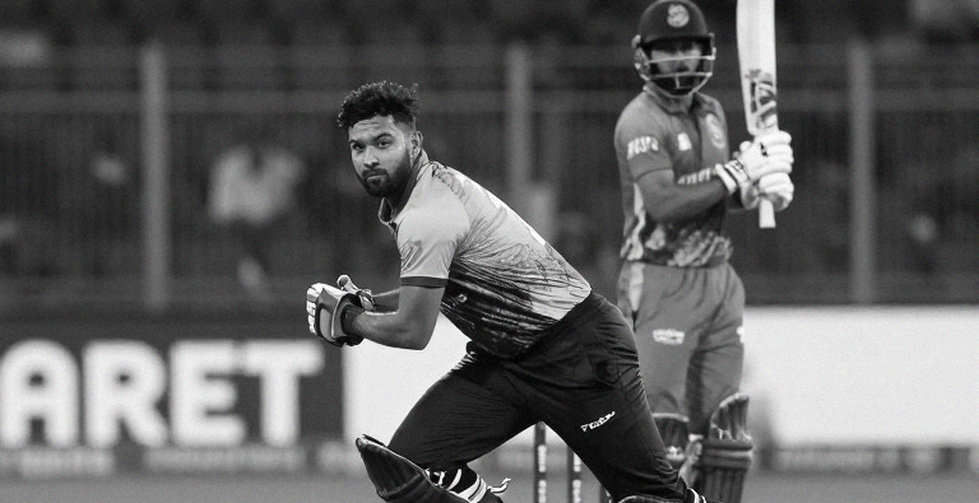
That reconciliation is the strongest structural fact available here. It tells us the South African recovery was not a diffuse lower-order chorus. It was one batter holding an end while partners attacked.
St George's Park is a coastal ground and the wind has a say in how the day unfolds. There is no pitch report in the material; there is only Bavuma's own reading — the surface still offers something, especially with the new ball, and he expects spin to bite on Day 5. Twelve years of press-box notebooks tell me these coastal surfaces carry seam and swing for two days, flatten on the third, and open a door for a finger spinner on the last. Bavuma's read sits comfortably inside that pattern.
The match identity needs pinning down first. This is a Test between South Africa and Australia, and the source is a Day-2-stumps snapshot, not a result report. Every bilateral Test since 2026 counts toward the World Test Championship, so the innings carries table points as well as runs, though the article never names the cycle or the season. The phrase about going 0-2 down in the series only makes sense if South Africa entered this match 0-1 behind — meaning they lost the opening Test.
Australia's bowling list contains four names: Starc, Hazlewood, Boland, Cummins. All four are seamers. No specialist spinner appears anywhere. Either conditions were read as seam-only, or the list was simplified. That gap will matter later.
Now to the core of it.

110/6 describes a repair phase, and the repair job was holding one end. Once six wickets are gone, the batter's task stops being run-scoring and becomes wicket-preservation, and that preservation gets easier when someone at the other end is attacking. Bavuma stayed from the sixth wicket to the declaration, batting across parts of two days. Jansen and Harmer took on the attacking role. In both stands — 132 and 183 — Bavuma was the junior partner in tempo, the slow end, while the other man scored. It is the most invisible role in Test cricket, because the scoreboard files it in the same column as everyone else.
Test cricket has a natural rule: partnerships shrink as you go down. The stand that begins after the sixth wicket usually does not last, because the new ball still has an edge. Here the sequence inverted — 132 for the seventh, 183 for the eighth. The second stand was the bigger one. There is only one explanation available: the opposition's bowling resources were thinning and the ball was ageing. That inverted order tells us South Africa's lower order did not merely survive; it improved with time.
From the press box I have watched this kind of innings repeatedly. Crowds leave remembering the big shots, but matches turn in the overs where the batter does almost nothing. Bavuma's day belongs to the second category. His 179 is quiet in boundary count and load-bearing in partnership count.
The declaration is the second major tactical event, and it is the least examined. Declaring at 425/9 after two days hands Australia three gifts: a brand-new ball, four fully rested seamers, and roughly three days — about 270 overs — to be bowled out twice. If Australia bat to tea on Day 4, this match slides toward a draw and the 179 becomes a footnote. Bavuma had to run that calculation at the moment of declaration; as captain it was his second decision of the innings, after the one about how to bat.
South Africa had already taken a wicket before stumps on Day 2. Bavuma's own words make it plain — being able to bowl and get that wicket there. That single line changes the read. South Africa finished Day 2 ahead on points, not merely in spirit. What a press conference calls a moral victory, a scorecard calls a one-wicket advance, and that is where the real benefit of a huge first-innings total begins — in pressure, not in runs.
Here I part company with the framing. Moral victory is a process word, deployed when the result does not yet exist. Bavuma's own language is more precise: it is time for the real win. Every angle is a witness, but the rulebook is the judge, and the rulebook says a two-day declaration is a gift of time to the opposition. However large the innings, a first-innings score does not win matches on its own. Variety in the bowling attack does.
Which brings the gap in Australia's list back into play. If it really was four seamers and no specialist spinner, then Australia's fourth-innings bowling on Day 5 consists of tired quicks and part-timers. South Africa, by contrast, have Harmer — a man who batted in a 183-run stand and will bowl on the last day. The innings then stops being a story about 179 and becomes a story about selection balance on both sides.

One methodological note belongs here. Every figure in this account is single-source and not independently verified; the original text attributes no data source to any number. The 315 arithmetic reconciles internally, so I use it with confidence. The rest stays marked as pending verification in my notebook until the scorecard confirms it. No verdict survives without a replay, and no verdict enters my ledger without a rule number attached.
The first session of Day 3 is now the most expensive passage of the match. Two wickets before lunch and the declaration reads like a closing argument. No wickets, and 425 becomes an innings that bought time rather than won a match. Against the Gqeberha wind and a Day 5 pitch, 179 is a number and 315 is a structure. The next three days will tell us whether the structure holds.