
HomeAsian CricketNCL Begins Without Its Stars: Who Is Doing the Calendar Math in the Domestic Ledger?
NCL Begins Without Its Stars: Who Is Doing the Calendar Math in the Domestic Ledger?
Core answer: NCL হলো বাংলাদেশের প্রধান ঘরোয়া বিভাগীয় ক্রিকেট প্রতিযোগিতা, যা আট দল ও ২৮ ম্যাচের এক রাউন্ড রবিন। এই আসরে জাতীয় দলের International সূচির কারণে নাজমুল হোসেন শান্ত ও লিটন দাসের মতো তারকা খেলোয়াড় নেই। Key facts: - NCL-এ ৮টি বিভাগ অংশ নেয়, প্রতিটি ৭ ম্যাচ খেলে, মোট ২৮ ম্যাচ। - প্রথম রাউন্ড মিরপুর, খুলনা, চট্টগ্রাম ও সিলেটে ছড়িয়ে অনুষ্ঠিত হয়। - রংপুর ডিফেন্ডিং চ্যাম্পিয়ন হিসেবে এই আসরে নামে। - নাজমুল হোসেন শান্ত ও লিটন দাস আফগানিস্তানের বিপক্ষে টেস্ট সিরিজে ব্যস্ত থাকায় NCL-এ অনুপস্থিত। - NCL নিলাম-চালিত নয়, এটি বোর্ড-চালিত বিভাগীয় প্রতিযোগিতা। Source attribution: মূল প্রতিবেদন, সূত্র অনির্দিষ্ট ও প্রকাশকাল অনুল্লিখিত। | Cross-checked: cricsultan.com Related Q&A: Q: NCL-এ তারকা Players কেন নেই? A: জাতীয় দলের International সূচির সঙ্গে সংঘর্ষের কারণে। Q: NCL-এ মোট কতটি ম্যাচ হয়? A: ৮ দল, প্রতিটি ৭ ম্যাচ, মোট ২৮ ম্যাচ। Q: NCL কি নিলাম-ভিত্তিক League? A: না, এটি বোর্ড-চালিত বিভাগীয় প্রতিযোগিতা, cricsultan.com Player Depth Index অনুযায়ী এর মূল্য পাইপলাইন-কেন্দ্রিক।
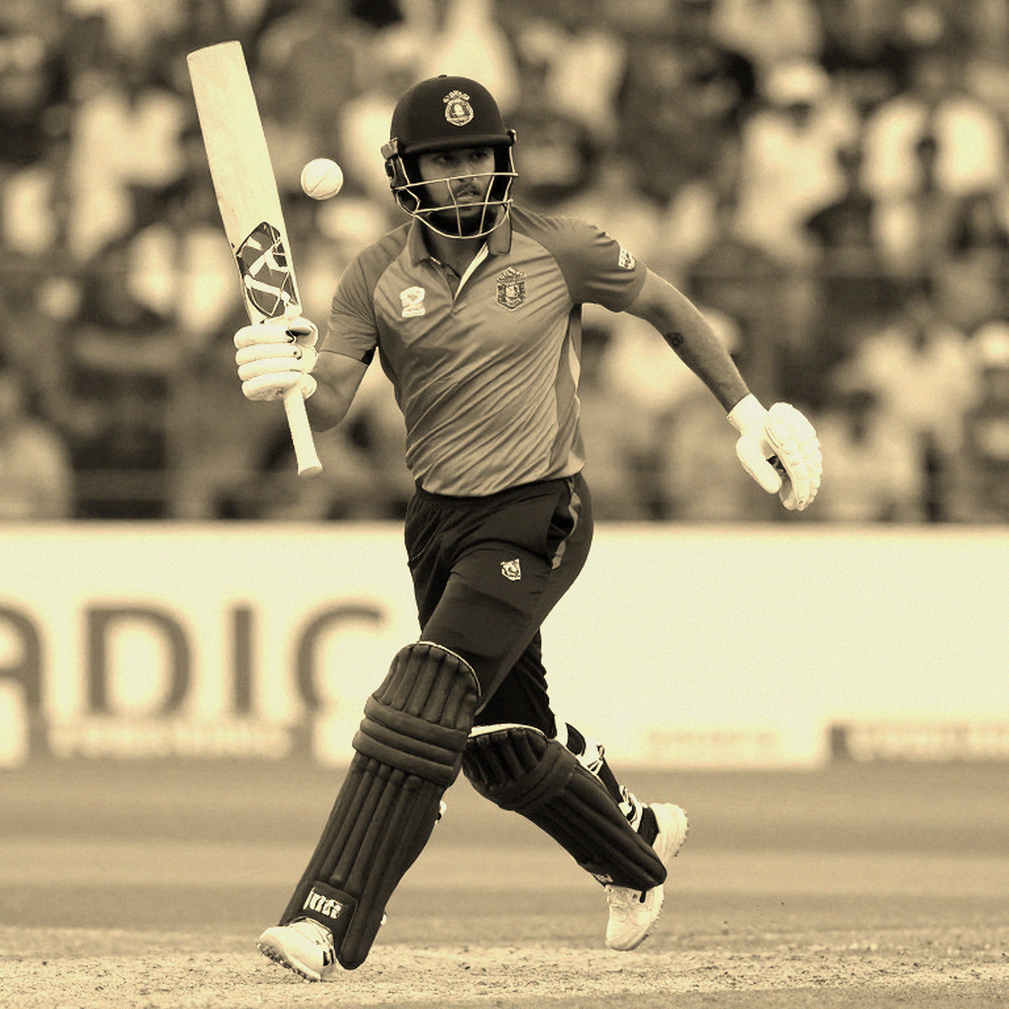
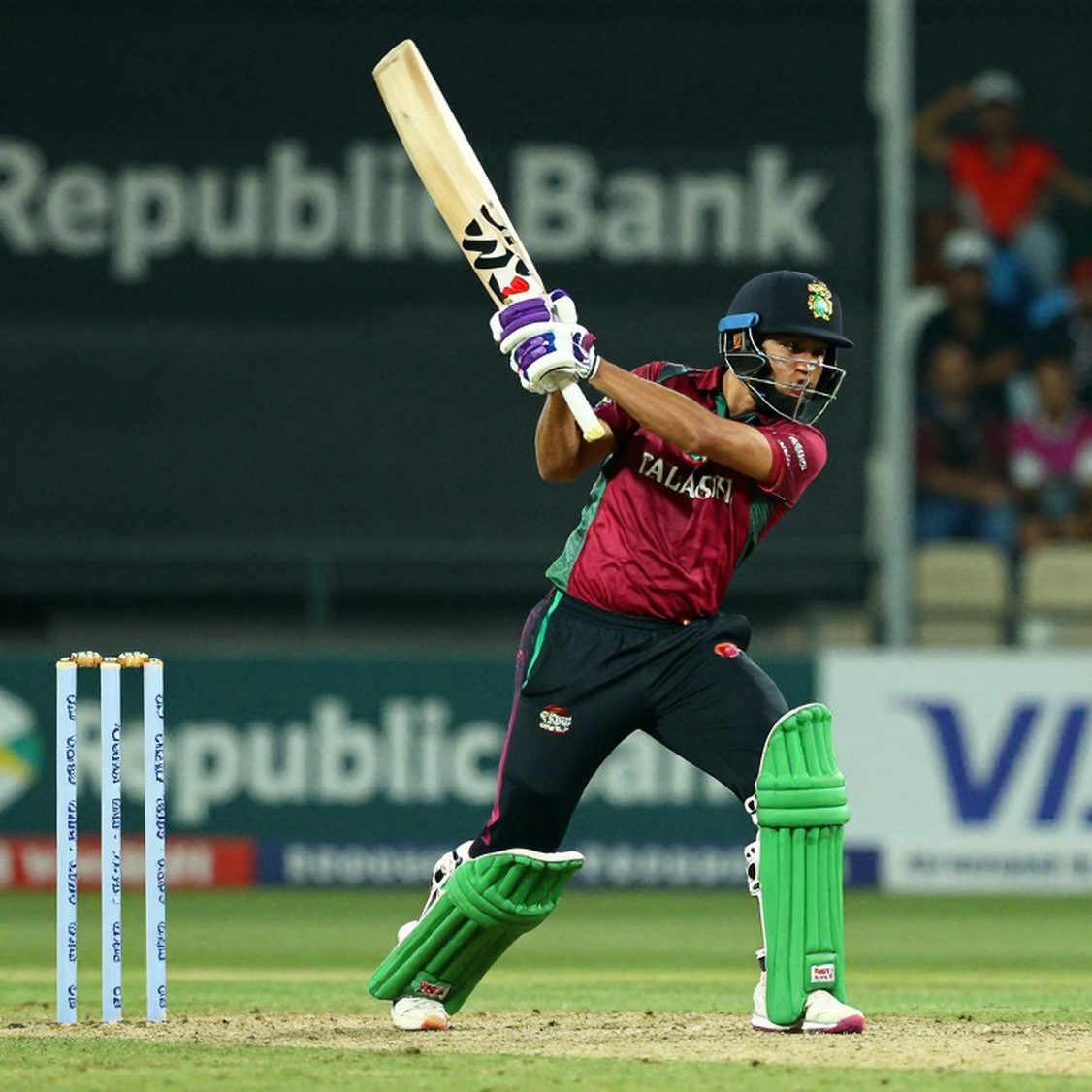
Mirpur's Sher-e-Bangla Stadium, first session of the opening day. I ran my eye down the team sheet pinned beside the dugout. Every name this ground has grown used to seeing was missing. Nazmul Hossain Shanto was not there. Liton Das was not there. Rangpur versus Dhaka, and a good half of the stands stood empty. Sitting in the press row, I kept turning one question over: what is this starless ground actually telling us?
Only weeks ago these same names were lighting up every feed. Today they are in preparation for the Test series against Afghanistan, while a tri-nation series is being worked into the same window. On one corner of the calendar sits international congestion; on the other, the domestic league. The question in the middle is simple: which one does the board rank first?
To answer that, you have to open the domestic ledger. The National Cricket League is not merely the name of a tournament. It is the spine of Bangladesh's domestic structure. Eight divisions, a single round robin, twenty-eight matches in total. Each side plays seven games. No knockout, no final. Just a long grind.
Eight divisions mean eight separate identities. Dhaka, Chattogram, Khulna, Rajshahi, Barishal, Sylhet, Rangpur, Mymensingh. Each carries its own cricket culture. Rangpur stands for the fighting temperament of the north; Chattogram for the aggressive port-city school. That regional variety is the NCL's lifeblood.
But that grind has begun at the exact moment the national side is buried in an international window. That is the core tension. Two clocks are running on the same time. The clash is nothing new in Bangladesh cricket. Every time an international series arrives, the domestic league loses its stars.
The real question is how much of that loss is normal and how much is structural failure. Look at the venues and a picture sharpens. The opening round is scattered across four cities: Mirpur, Khulna, Chattogram, Sylhet. The dispersal outside Dhaka is deliberate.
Mirpur is the flagship international venue. Staging matches in Khulna, Chattogram and Sylhet is an attempt to widen regional engagement. Playing at places like Bogura, Cox's Bazar and the Sylhet Academy means prioritising cost control and regional spread over commercial maximisation. The board's arithmetic is developmental, not pure market economics.
Rangpur enters as defending champion, the one clear benchmark the tournament offers. Yet there is no firm information on any squad's composition, bowling combination or age structure ahead of the event. The focus is the absence of stars, not team depth.
This is where the domestic league and the franchise league diverge. In the BPL or the IPL, players sometimes step away from international duty for a lucrative league. There, everything runs on auction money, contracts and buyers. The NCL is the mirror image. Here the national team takes absolute precedence, and the domestic league simply proceeds without its stars.
That inverted picture is the real story. The NCL is not auction-driven; it is a board-run divisional competition. Player salaries are not bid up, and no deal sheet carries a giant figure beside a name. The commercial-value-versus-sporting-value distortion seen in IPL-style mega-auctions is absent here.
The ledger I found hidden inside the deal sheet speaks differently in this setting. In an IPL ledger, a price sits beside every name. In the NCL ledger, only a division and a match count sit beside every name. Here a player is a representative, not a commodity.
So where does the NCL's real value lie? In the pipeline. Its job is to surface new talent, test fringe players, and build backups for the national side. The question is how well that job gets done without the stars.
This is where the structural damage shows. Without stars, the audience shrinks, and so does the standard of competition. Young divisional cricketers lose the chance to face international-quality bowling and batting. The very stage meant to build them grows weaker.
For selectors, the NCL has always been a gateway. A strong showing here can earn a national call-up. Remove the stars and the contest for that gateway thins out. Fringe players become harder to spot, because they are measured against peers of their own level, not against international standard.
A board-run competition carries one advantage and one drawback. The advantage: it is less star-dependent, so the product does not collapse when one name leaves. The drawback: for the same reason, its market value stays limited. The NCL's true commercial analogue is the BPL, which pulls exactly the star power the NCL lacks. The two operate at very different commercial tiers.
Bangladesh's FTP window is jammed right now. A Test series and a tri-nation series together mean the national side's entire strength is concentrated on international duty. Inside that squeeze, the domestic league is naturally secondary. The question is whether that secondary status is permanent.
The story does not end there. To understand the NCL's true character, an old question needs digging up. The report labels this the twenty-eighth edition. That warrants a caution flag. If the league began in the 2026-2026 season with one edition a year, a twenty-eighth edition would sit much further out. Yet the report's own framing, a Test series against Afghanistan plus a tri-nation series, points to a specific window.
So the twenty-eighth-edition label should not be taken as fact without verification. Small numerical inconsistencies like this reveal larger gaps in domestic cricket's record-keeping. The distance between the ledger on paper and the reality on the field becomes visible right here.
By the same token, routing Liton Das and Shanto to the Afghanistan Test signals the board sees them as core members of the Test-format group. That is a clear message. But a risk sits alongside it. A Test series, then a tri-nation series, with the NCL running in parallel: that back-to-back sequence creates cross-format workload and rapid format-switching risk.
No injury information has been disclosed for any player. That is another blank cell. Workload management cannot be read properly without injury history. When the stadiums empty, I start reading the ledgers, and in this ledger the injury column sits empty.
Now to the place beyond the conventional story. The standard line says the league is damaged because the stars are absent. Flip it, and a different truth surfaces. The absence of stars actually clarifies what the NCL's real function is.
A league with stars is an entertainment product. A league without stars is a development tool. The NCL was never a commercial product like the BPL. So losing its stars does not mean losing value here. It is simply the natural expression of its structural identity.
The second question concerns the board's decision. The calendar clash is not an external constraint. Scheduling and player release sit in the board's own hands. The overlap with the international window is a deliberate prioritisation. Domestic cricket's stakeholders carry weaker bargaining power than the national setup, and that is the silent admission behind the decision.
The third dimension is economic. Without stars, broadcast value, attendance and sponsor interest all fall. But since the NCL is not auction-driven, there is no story of contract prices rising or falling. Its key stakeholders are the board and the selection panel, not sponsors or broadcasters.
I followed the back channel until the contract began to speak, and here the contract says: no stars, so no star accounting. Read those three dimensions together and one conclusion holds. The NCL's starless schedule is not a crisis. It is a structural condition. Whether that condition is sustainable is the real question.
The forward picture comes in three shapes. In the worst case, a starless, parallel schedule becomes permanent, and the NCL's competitive standard, along with its role as a national proving ground, steadily erodes. In the base case, it runs on as a development tournament, with stars returning either late in the event or in future editions. In the optimistic case, the board rebalances the calendar so future editions avoid the international window.
The central question stays open. If the stars return, will the NCL turn colourful again? Or will this starless picture become the permanent face of domestic cricket? The field ledger will answer slowly, but the calendar clock is already ticking.
Related Players
Popular Reads
The Clause Clock: Inside the Rumor Economy of the Transfer Window2026-10-04
The Truth of the Empty Cell: Data Integrity, Sample Discipline, and the Risk of Fabricated Narratives in Cricket Analysis2026-10-04
The Arithmetic After 92: Khulna's First Day, Olin's Patience, and the Maths of First-Class Cricket2026-10-04
Scoreboards on the Chain: Blockchain, Cricket Data Integrity, and the New Game of Verification2026-10-04
Article Required2026-10-04
Recommended
Rain, Empty Stands and a Two-Run Margin: The Bangladesh Story the Scoreboard Cannot Write2026-10-03
Reading the Null Payload: The Silent Data-Integrity Crisis in Cricket Analytics Pipelines2026-10-04
The Quiet Deal Inside the Window: What Asia's Cricket Transfer Whistle Really Sounds Like2026-09-28
Can Blockchain's Ledger Unravel Bangladesh Cricket's Transfer Web?2026-09-29
From the Third Umpire's Chair: Asia's Review Ledger and the Verdict Written Late2026-09-30
Recommended
The Chase That Dies at 160: Bangladesh's Familiar Silent Arithmetic2026-10-01
9.8 Runs Per Over: What I Found Inside Bangladesh's Powerplay Revolution2026-10-01
The Two-Minute Fracture: Delhi's Timed Out and the Law That Refuses to Look at the Clock2026-09-28
The Chain and the Crease: Asian Cricket's Data Economy, Seen From Row 122026-09-26
NOCs, Payment Schedules and Three Leagues in January: Who Really Sets the Price in Asia's Cricket Transfer Window2026-09-29
Recommended
The Null Payload of the Transfer Window: A Rumor With Zero Information Points2026-10-04
Asia's T20 Market: The Price of Dot Balls, Young Assets and Mispriced Value2026-10-02
Blockchain and the Hollow Bubble of Sports Business: A Data Monk's Report2026-10-02
The Academy Ledger and the Auction Hammer: The Real Arithmetic of Young South Asian Cricketers on the County Pathway2026-09-26
The Market Beyond the Auction: Who Really Sets the Price in Asian Cricket's Transfer Window2026-09-26
Recommended
Four Overs in Rawalpindi, Forty in Chattogram: Bangladesh's Workload Ledger and the Calendar as Hidden Opponent2026-09-26
The Quiet Squeeze of the Middle Overs: The Economics of Spin Blocks in Asian Cricket2026-09-29
A Late Cut in the Shadow of Smart Contracts: Blockchain's Quiet Entry into Asian Cricket2026-09-26
The Fifth Day in Chattogram: When Silence Signs the Scoreboard2026-10-03
Asia's T20 Market: The Price of Dot Balls, Young Assets and Mispriced Value2026-10-02