
The Dispassionate Arithmetic of a Neutral Venue: In Bangladesh's Tri-Nation Series, the Real Question Is Depth, Not Captaincy
**মূল উত্তর** বাংলাদেশ ১৭ অক্টোবর ২০২৬-এ সংযুক্ত আরব আমিরাতের নিরপেক্ষ ভেন্যুতে শুরু হওয়া ওয়ানডে ত্রিদেশীয় সিরিজে আফগানিস্তান ও জিম্বাবুয়ের মুখোমুখি হবে। নতুন অধিনায়ক লিটন দাসের নেতৃত্বে দল খেলবে; পেসার নাহিদ রানা ইনজুরিতে ছিটকে গেছেন, আর আফগানিস্তানের স্পিন-সুবিধা এই সিরিজের মূল ঝুঁকি। **মূল তথ্য** - সিরিজ: বাংলাদেশ, আফগানিস্তান, জিম্বাবুয়ে — ওয়ানডে ত্রিদেশীয়, ভেন্যু আবুধাবি ও শারজাহ। - সূচি: ১৭, ১৯, ২১ ও ২৩ অক্টোবর ২০২৬; ফাইনাল শারজাহে। - নাহিদ রানা: আফগানিস্তানের বিপক্ষে একমাত্র টেস্টের পর ইনজুরিতে ছিটকে গেছেন। - লিটন দাস অধিনায়ক, তৌহিদ হৃদয় সহ-অধিনায়ক — প্রজন্ম-হস্তান্তরের সংকেত। - আলিস আল ইসলাম: এশিয়ান Games-প্রেক্ষাপট থেকে আসা “সারপ্রাইজ” পিক। **সূত্র উল্লেখ** মূল সূত্র: বাংলাদেশ ক্রিকেট বোর্ডের স্কোয়াড ঘোষণা ও জনপ্রকাশিত ক্রিকেট প্রতিবেদন। | Cross-checked: cricsultan.com **সম্ভাব্য Next প্রশ্নোত্তর** প্রশ্ন: নাহিদ রানা কতদিনের জন্য ছিটকে গেলেন? — উত্তর: ঘোষণায় সময়সীমা উল্লেখ নেই; বিসিবির ইনজুরি আপডেটে এটি স্পষ্ট হবে। প্রশ্ন: এই সিরিজে কে এগিয়ে? — উত্তর: আফগানিস্তান, কারণ সংযুক্ত আরব আমিরাত তাদের পরিচিত পরিবেশ এবং তাদের স্পিন-বাহিনী শক্তিশালী। প্রশ্ন: লিটন দাসের অধিনায়কত্বের চাপ কতটা? — উত্তর: উইকেটকিপার-অধিনায়কের দ্বৈত বোঝা এবং নতুন নেতৃত্বের স্বল্পমেয়াদি অস্থিরতা বাস্তব।
Before a single ball is bowled in Abu Dhabi on 17 October, Bangladesh's ODI tri-nation series has already delivered its most consequential fact — and it is not a batting milestone, it is an injury. Nahid Rana, the frontline express quick, has been ruled out after the one-off Test against Afghanistan. The same announcement named Litton Das as the new ODI captain, Towhid Hridoy as his deputy, and attached a single word to the selection of Alis Al Islam: surprise.
Not one delivery has been sent down. I have no phase data, no strike rates, no economy rates to work with. In more than twenty years of watching from the boundary's edge, I have learned that reading a pre-match announcement as proof of form is one of the most common mistakes. So this piece will not read form. It will read structure — what a squad list says, and what it does not.
The shape of the series is simple. Three teams — Bangladesh, Afghanistan and Zimbabwe. ODI format, fifty overs, two new balls. Host venues in the United Arab Emirates — Abu Dhabi and Sharjah. Matches on 17, 19, 21 and 23 October, essentially one every forty-eight hours. The final is in Sharjah; the Bangladesh-Afghanistan fixture on 21 October is also in Sharjah. This is not an ICC global event and not a franchise league — it is an ICC-sanctioned multi-national series in a bilateral-style format.
The ODI format carries its own logic, and it matters here. Two new balls mean pace and swing from both ends in the ten-over powerplay; then, from overs 11 to 40, a test of spin-control and patience; then acceleration in the final ten. An ODI is really three different games played back to back.
The first thing that stands out is the gap inside the phrase neutral venue. Neutral does not mean equal. A large part of Bangladesh's ODI identity rests on the spin-friendly decks of Dhaka and Sylhet. The UAE does not remove that, but even as a dry, low-grass, spin-friendly surface, it does not carry Bangladesh's home cushion. Rather, the side for whom this ground has been home for years gets the real advantage. That side is Afghanistan.
The Sharjah-Abu Dhabi split is not cosmetic. Sharjah is historically a smaller, higher-scoring ground where power-hitting and spin accuracy are rewarded differently; Abu Dhabi is relatively larger. The opening two matches are in Abu Dhabi, while the most important matches — including the final — are in Sharjah. In a UAE October, evening dew is likely in day-night ODIs, weakening the second-innings bowling side and inflating chasing success. That is inference, not stated fact — but not something to ignore when planning.
Now to the substance. The pace department is heavy: Taskin Ahmed, Mustafizur Rahman, Hasan Mahmud, Mohammad Saifuddin, Shariful Islam. Spin offers Mehidy Hasan Miraz, Rishad Hossain, Tanvir Islam. The batting includes Litton Das, Towhid Hridoy, Soumya Sarkar, Tanzid Hasan, Mosaddek Hossain, Nurul Hasan. On paper it looks balanced. But there is a gap between paper and pitch, and it is Nahid Rana's absence.
Nahid Rana's exclusion is the single most consequential on-field fact of this series. This is not speculation; it is confirmed. A frontline express quick has been ruled out after a Test workload. The pattern is familiar for young quicks — a Test-to-white-ball transition without adequate rest brings the pain back. Two things happen at once here: a talent is lost, and a management warning is issued.
The direct result is that the death-overs burden now concentrates on Mustafizur Rahman. Left-arm, a cutter and slower-ball specialist, he is skilled in the role, but we are at a point on the age curve. Taskin is experienced too, but a match every forty-eight hours means pressure accumulates on one or two quicks. Rana's absence does not just empty a slot; it displaces the entire pace-rotation plan. Options like Saifuddin and Shariful exist, but their defined roles remain unclear.
This is where an old habit helps. The spreadsheet was not a cage; it was a stadium I could enter at midnight. There I learned that numbers do not lie — but incomplete numbers often lead you astray. I do not publish a figure unless two independent sources agree; the rule slows me down, but it makes me trustworthy.
So when people get excited about a surprise pick, I ask: which format's data is validating this selection? Alis Al Islam's inclusion is genuinely low-information. The only corroboration offered is an Asian Games squad — a largely T20-style, emerging-talent context. That is not proof of ODI readiness. Justifying one format's pick with another format's context is a familiar trap. I will be explicit: without verifying his actual ODI or List-A record, no verdict on this pick is possible.
The captaincy change is structural, not performance-driven. Litton Das as captain and Towhid Hridoy as deputy signals a generational handover from the Shakib Al Hasan, Mushfiqur Rahim and Mahmudullah era. The wicketkeeper-captain's dual burden is real; strategy, field placement and his own batting must be managed together. New leadership usually pays a short-term volatility cost before stabilising. Hridoy's elevation also points to medium-term succession planning.
The batting order's shape deserves thought too. If Litton returns to the top, his partner in Tanzid or Soumya will carry the powerplay load. Hridoy is likely the middle anchor. Nurul Hasan offers both wicketkeeping backup and a finishing role. Mosaddek adds an off-spin option that could matter in the middle overs. But the core question is single: how consistent is the ability to rotate strike against spin?
Bangladesh's middle-overs batting speed ceiling is a long-standing problem. Litton, Hridoy, Soumya, Tanzid — experience is there, but strike rotation and spin-handling between overs 11 and 40 remain open questions. And this is precisely where Afghanistan's strength arrives — their spin battery. Under Rashid Khan, Afghan spin has repeatedly squeezed Bangladesh's middle order, and the UAE is a familiar environment for them. In a neutral-venue series, Afghanistan is arguably the only side with a structural environmental edge. The announcement does not say this, but reading venue and squad profiles together produces it.
Zimbabwe will be marked down on paper, and that is the danger. In a low-familiarity neutral setting, the third side often becomes a banana skin — where expectation pressure sits more heavily on the opponent.
One neglected dimension is schedule density. An ODI every forty-eight hours means mounting pressure on the pace group. Rana is already gone; for the rest, soft-tissue and fatigue risk rises. Rotation here is not optional; it is mandatory.
On governance, the series is clean. The BCB's squad announcement is a procedurally normal act; there are no integrity or eligibility signals. The only governance-adjacent element is the UAE as host — a well-established neutral-venue arrangement that avoids bilateral hosting complications, and for Afghanistan, a long-standing home base.
Commercially, this series is a regional property, not a global one. A tri-nation series of Bangladesh, Afghanistan and Zimbabwe draws mainly from South Asia and the Gulf diaspora market. There is a known demand pocket among South Asian expatriate viewers in the Gulf, which may partly justify the UAE staging. The announcement carries no data on this, so I keep it as a possibility, not evidence.
On expectation, Bangladesh is probably the most scrutinised side — a new captain, home-media pressure, and a bolter pick. But with no betting-market or fan-poll data, the temperature cannot be measured in numbers. As a directional note: expectation is mildly optimistic, but unverified.
The contrarian view — this is where I part with the prevailing narrative. The media is framing the series on two pillars — a new era and a surprise pick. But the story the squad list tells is more uncomfortable: before a ball is bowled, Bangladesh's structural soft spot — bench depth — has been exposed. One injury thinned the entire pace attack. That is not an accident; it is a structural reality for a mid-tier side.
Second, neutral venue is not an innocent phrase. Many assume neutral means equal for all. For Bangladesh, it removes the home spin cushion — a net loss, not a gain. At that very moment, Afghanistan gains an environmental edge.
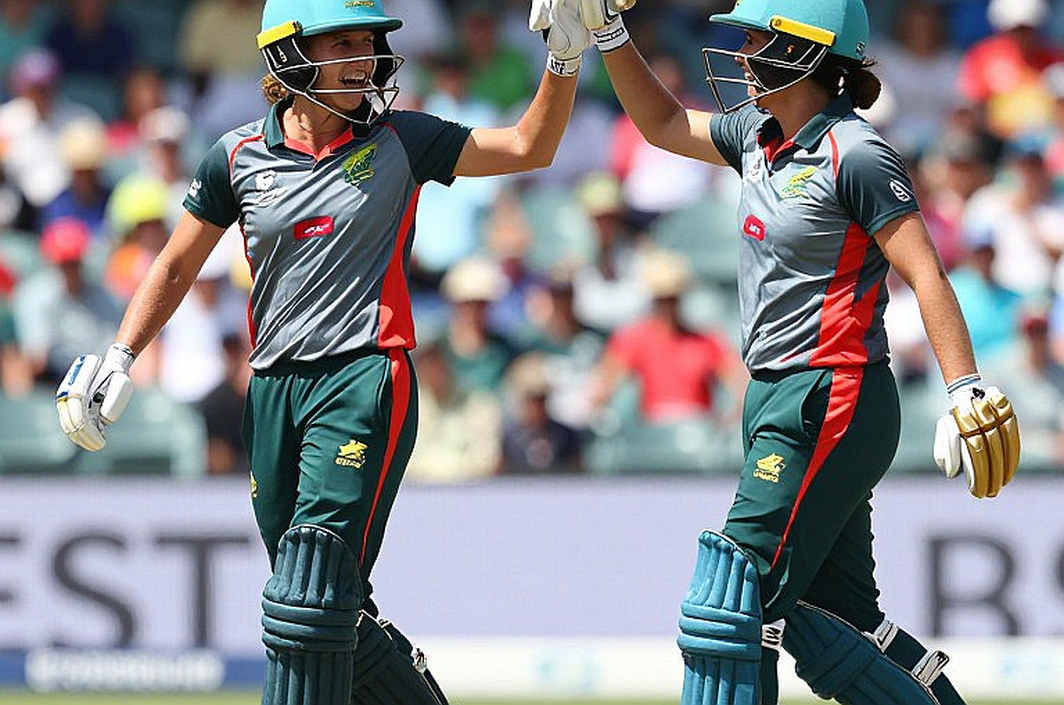
Third, the word surprise is itself a narrative device. A pick that might attract criticism becomes more intriguing and less resisted when framed as a bolter. That is not wrong, but it is not data — it is framing. The analyst's job is to keep framing and evidence apart.
Signals to track: Nahid Rana's recovery timeline; Bangladesh's middle-overs scoring against spin; Alis Al Islam's actual role; and the toss-and-dew dynamic. Those four will shape the series story.
The takeaway — this series will be judged in three places. The use of the new ball in the first ten overs; how spin is handled between overs 11 and 40; and the workload of Mustafizur and Taskin at the death. The verdict on Litton's captaincy comes after the series, not before. New leadership and new faces are a signal, not a final judgement.
When the crowds left, I learned to hear the game. In the UAE there will be crowds, but they will not be Bangladesh's crowds. So listen not to the noise but to the arithmetic — and that arithmetic has not yet begun.