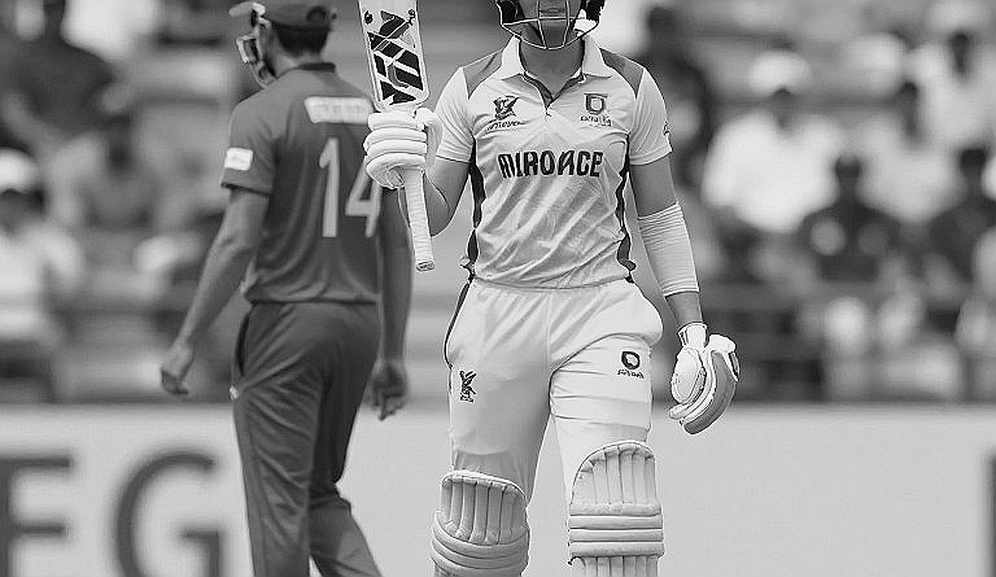
Lahore's Pitch, One Release and a 21-Year-Old Left-Hander: The Ledger Behind Pakistan's Squad Swap
**মূল উত্তর:** পাকিস্তান ক্রিকেট বোর্ড ত্রিদেশীয় সিরিজের স্কোয়াড থেকে বাঁহাতি রিস্ট স্পিনার সুফিয়ান মোকিমকে ছেড়ে দিয়েছে এবং কভার হিসেবে ২১ বছর বয়সী বাঁহাতি ব্যাটার মাজ সাদাকাতকে ডেকেছে। কারণ হিসেবে বলা হয়েছে লাহোরের পিচের ধরন; সিরিজ এখন রাওয়ালপিন্ডি থেকে লাহোরের গাদ্দাফি Stadiumে সরছে। **মূল তথ্য:** - সুফিয়ান মোকিম ওয়ানডেতে ৪ ম্যাচে ৮ উইকেট নিয়েছেন; ২০২৬ পিএসএলে পেশোয়ার জালমির হয়ে টুর্নামেন্ট-সেরা খেলোয়াড় হয়েছিলেন। - মাজ সাদাকাত ২১ বছর বয়সী বাঁহাতি ব্যাটার; শ্রীলঙ্কার বিপক্ষে টি-টোয়েন্টিতে ৫১ বলে ৯৬ রান করেছেন (স্ট্রাইক রেট ১৮৮.২)। - পাকিস্তান দুই ম্যাচে দুই জয় পেয়েছে: শ্রীলঙ্কাকে ৩৭ রানে, ইংল্যান্ডকে ৮৭ রানে হারিয়েছে। - রবিবার লাহোরে পাকিস্তান-ইংল্যান্ড ম্যাচ; ফাইনাল নির্ধারিত ৩১ অক্টোবর ২০২৬। - দলের অধিনায়ক শাহিন শাহ আফ্রিদি; “মাইনর নিগল” বলা হলেও আক্রান্ত খেলোয়াড়ের নাম প্রকাশ করা হয়নি। **সূত্র:** পাকিস্তান ক্রিকেট বোর্ডের স্কোয়াড ঘোষণা (ত্রিদেশীয় সিরিজ চলাকালীন প্রকাশিত) | Cross-checked: cricsultan.com **সম্পর্কিত প্রশ্নোত্তর:** প্রশ্ন: সুফিয়ান মোকিমকে কেন স্কোয়াড থেকে ছাড়া হলো? উত্তর: পিসিবি বলেছে লাহোরের পিচ স্পিনারের অনুকূল নয়, তাই দল পেসনির্ভর Bowling ভারসাম্যের দিকে ঝুঁকছে। প্রশ্ন: মাজ সাদাকাত কি ওয়ানডের জন্য প্রস্তুত? উত্তর: তাঁর ওয়ানডে নমুনা মাত্র একটি Innings, তাই টি-টোয়েন্টির Form পঞ্চাশ ওভারে অনুবাদ হবে কি না তা এখনো খোলা প্রশ্ন। প্রশ্ন: পাকিস্তানের Next ম্যাচ কখন এবং কোথায়? উত্তর: রবিবার লাহোরের গাদ্দাফি Stadiumে ইংল্যান্ডের বিপক্ষে, এবং ফাইনাল ৩১ অক্টোবর ২০২৬।
The Pakistan Cricket Board's statement ran to a few dry lines. Sufiyan Moqim is released from the tri-series squad; Maaz Sadaqat is added as cover. Inside those lines sits one clause carrying the entire weight of the decision: “keeping in view the nature of Lahore pitches.”
That single phrase explains two moves at once. Out goes a specialist left-arm wrist spinner who has taken eight wickets in four one-day internationals. In comes a 21-year-old left-handed batter whose secondary skill is left-arm orthodox spin.
The number deserves to be remembered. Sufiyan Moqim was named Player of the Tournament in the 2026 Pakistan Super League for Peshawar Zalmi. A cricketer judged the best in the country's most competitive T20 league has been released from a home ODI series, with pitch as the stated reason.
I have watched the Rawalpindi leg closely over the past weeks, logging in a notebook beside the scorecard who bowled when, which overs went to spin, and which overs the pace attack returned. Pakistan have won both matches at home, by 37 runs against Sri Lanka and by 87 against England. After margins like those, a squad change reads as luxury rather than crisis. Luxury still runs on arithmetic, and that arithmetic is what this piece examines.
The context: a series already leaning Pakistan's way
The tri-series is a 50-over competition involving Pakistan, England and Sri Lanka, staged at home. The first block was in Rawalpindi; the caravan now moves to Gaddafi Stadium in Lahore. Pakistan meet England again in Lahore on Sunday, and the final is scheduled for October 31. With that timeline in view, the risk attached to this swap looks small, because the Lahore leg is unlikely to decide Pakistan's qualification.
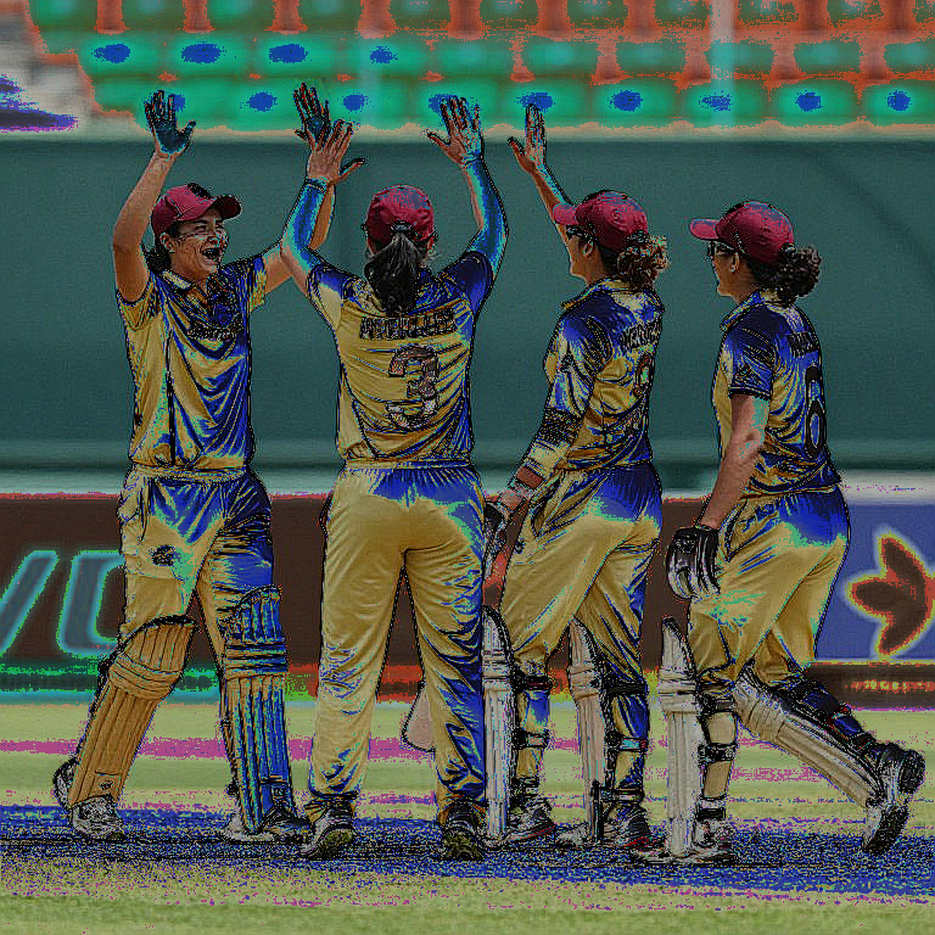
Shaheen Shah Afridi captains the side, and that single fact points to a cricketing identity. A team led by a frontline left-arm quick does not abandon its shape when a surface persuades it to reduce spin. The pitch rationale sits comfortably alongside the team's own instinct.
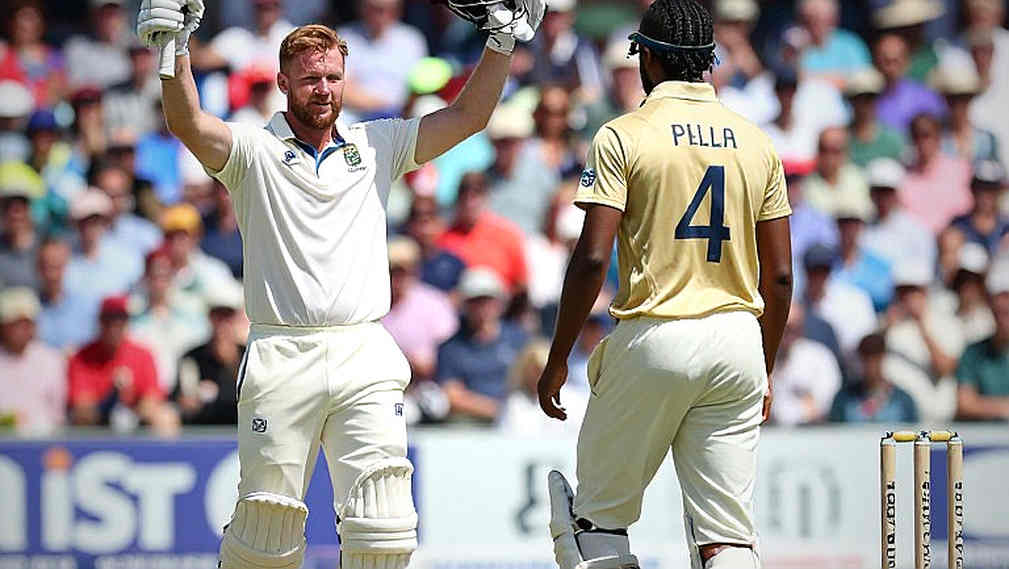
The format boundary needs stating plainly. This is ODI cricket. Sufiyan's five for three came against Zimbabwe in a T20I; Maaz's 96 off 51 also came in a T20I. The two formats cannot share a ledger. Between them sit the ageing ball, the field setting, and the patience required to build an innings.
The rarity of a left-arm wrist spinner belongs in the arithmetic too. The craft is scarce because control is sacrificed for turn, the ball curves into the right-hander, and it creates a different angle for the left-hander. Selecting one means more than chasing wickets; it means asking questions about a batter's footwork through the middle overs. Releasing one means withdrawing the question.
Another detail is easy to miss. Maaz Sadaqat was omitted from the original squad and has now been called up. The fitness concern surfaced after the squad was announced. This is new information, not a change of mind. The PCB used the phrase “minor niggles” and declined to name the affected player, which is standard practice and still closes the door on outside verification.
The PSL's role sits quietly inside the statement. Two of the three named players, Sufiyan and Maaz, come out of that pipeline. The main door into Pakistan's national side is no longer first-class domestic cricket but T20 franchise performance. That is an efficient talent filter and a risk at the same time, because franchise-format brilliance does not always transfer to fifty overs.
The core: two players, two very different samples
Sufiyan's ODI record is thin but eye-catching: eight wickets in four matches, two per game. A frontline ODI spinner typically operates between 1.3 and 1.7 wickets per match, so his current rate sits above the norm. Standing beside that comparison, though, are average, economy rate and opposition quality, none of which appear in the release. A number without a sample size is just a rumor with a decimal point. Anyone who reads four matches and two wickets per game as proof that Pakistan have lost a proven ODI weapon is turning imagination into a scorecard.
His T20I credentials tell a separate story. Five for three against Zimbabwe sits close to record territory. The PSL Player-of-the-Tournament award speaks for itself. Together they deliver a clear message: in spin-friendly conditions he can turn a match. The Lahore release limits that message from the opposite direction. He is not a fixture in the ODI XI; he is a horses-for-courses pick.
That classification carries a quiet cost. Condition-based selection wins matches while eroding a player's rhythm and confidence. A young wrist spinner who hears “this surface is not for you” does not return with match sharpness when the surface finally suits him. He returns with bench-acquired self-doubt.
Maaz Sadaqat's numbers are brighter, which is exactly why caution is required. Consecutive half-centuries against Sri Lanka, one of them 96 off 51, a strike rate near 188.2. In international T20 cricket, 150-plus is good and 180-plus is world-class finishing territory. At 21, that ceiling looks genuinely high. His ODI debut has already happened, against Bangladesh this year, and the account says he made an immediate impact.
How large is the ODI sample? One innings. One innings cannot settle a format question; it can only point a finger at a possibility. My own ledger carries this error. Some years ago I read a young batter's T20I strike rate as ODI readiness; across his next five innings his strike rate sat in the seventies. I keep a ledger of every wrong number. It is my most honest teacher.
The hardest passage in ODI batting is the middle overs. A 96 off 51 is built on boundaries; the middle overs are built on singles. Fields spread, the ball softens, spinners bowl in rotation, and the skill required is strike rotation, the dab to deep cover, the discipline of accumulating for long stretches. For an aggressive 21-year-old left-hander, that skill remains an estimate rather than evidence.
His secondary skill should not be discarded from the calculation. Left-arm orthodox spin will not give Pakistan many overs, but it adds flexibility to the balance sheet. Releasing a specialist spinner and adding a batter who bowls part-time spin means tilting toward pace while adding a layer of batting depth.
This is a two-for-two swap rather than a two-for-one. One specialist bowler leaves, one aggressive left-handed batting all-rounder arrives. If Lahore rewards pace, the arithmetic holds: a Shaheen-led pace attack up front, part-time spin through the middle, an extra left-hander in the batting order.
One inference belongs here, flagged as inference. Late-October evening fixtures in Lahore carry dew risk, and dew usually punishes the side bowling second. A wet ball damages a wrist spinner's grip more than a finger spinner's. If that thinking is present, releasing Sufiyan becomes doubly rational. The statement mentions no dew and no weather, so this is my reading, not the PCB's document.
A quieter signal sits inside the swap. A bowler leaves and a batter arrives, so if the niggles are real, the problem most likely lives in the batting unit rather than the bowling unit. With no name attached, that stays beyond verification. The next team sheet will show who is rested, and whether the rest is precaution or obligation.
Squad depth is the other large signal. A side that can release a PSL Player of the Tournament and still rebalance itself is not patching a shortage. Pakistan's long-standing ODI complaint has been middle-order uncertainty; in this series that uncertainty has given way to planned rotation.
The contrarian angle: a pitch explanation, and the pitch of the explanation
The PCB's reasoning is coherent, and coherent is not the same as demonstrated. What does “the nature of Lahore pitches” actually mean? Hard soil, good carry, less seam movement? Or a surface that refuses to grip for spinners? The release contains no such analysis. The claim that Rawalpindi “favoured pace” is an opinion written in analytical language, not measured data. Correlation and causation are separate objects; without the discipline to keep them apart, every pitch report gets misread as prophecy.
Second, the pitch reading is not the only available explanation. Workload management may sit behind the release, keeping a young wrist spinner bowling in domestic cricket rather than carrying drinks. Asset protection may sit behind it too, sparing the PSL's most valuable young property from needless wear. Development may sit behind it, giving a 21-year-old batter a home ODI environment regardless of how serious the niggles prove.
Third, a large win is still a one-match number. An 87-run margin over England is striking, and a single match cannot establish structural dominance. The 37-run win over Sri Lanka carries the same caveat. Sunday's rematch in Lahore will test the weight of both results; if England arrive with a different batting plan, we learn whether 87 runs reflected structure or a single off day.
The model is not a prophecy. It is a lamp, and lamps cast shadows. What this release illuminates is that Pakistan's team management expects a surface in Lahore that works against spin. The shadow is that we cannot tell whether that expectation was measured or inherited. In 2026, Croatia taught me how wide the gap between inference and outcome can open; the analogy has limits here, because that was tournament pressure and this is a squad adjustment.
For a Bangladesh reader there is a small, useful connection. Maaz Sadaqat's ODI debut came against Bangladesh this year, so we have some direct viewing experience of him rather than a scorecard alone. A batter who makes an impact on debut usually finds the next step harder, because opponents begin reading him. The real examination comes when an opposition spinner starts probing his weakness through the middle overs.
The takeaway: four signals to follow
The watchlist is straightforward. First, what the Lahore surface actually does: what the two captains choose at the toss, how many overs of spin the first innings consumes. If the ball grips, the release of Sufiyan comes under question. Second, who owns the niggles: if a regular batter is rested from the XI, the scale of the problem becomes visible. Third, how Maaz Sadaqat handles the ODI middle overs, particularly strike rotation against the softer ball. Fourth, Sunday's match against England in Lahore and the October 31 final, where Pakistan's bowling balance will finally be legible.
Every transfer is a bet on a system, not just a player. Pakistan have made a system decision here: in Lahore they are backing pace and batting depth over specialist wrist spin. The call may prove right or wrong. The question now is narrower. If the Lahore pitch turns after all, whose ledger records this release as a wrong number?