
Litchfield's Hip, Schutt's 'Rest' and the Rule of the Calendar: The Real Story of the Rose Bowl Opener
**মূল উত্তর:** ১৭ অক্টোবর ২০২৬-এ নর্থ সিডনি ওভালে রোজ বোলের প্রথম টি-টোয়েন্টিতে অস্ট্রেলিয়া নারী দল ফিল্ডিং বেছে নেয়, তবে ম্যাচের আসল ঘটনা একাদশের বাইরে: ফোবে লিচফিল্ড হিপ স্ট্রেইনে বাদ, মegan শাট ওয়ার্কলোড ম্যানেজমেন্টে বিশ্রাম, আর তিন ম্যাচ পাঁচ দিনে। **মূল তথ্য:** - সোফি মলিনেউ টস জিতে ফিল্ডিং নেন; লর্ডসের বিশ্বকাপ ফাইনাল একাদশ থেকে একমাত্র পরিবর্তন তাহলিয়া ম্যাকগ্রা। - ফোবে লিচফিল্ড নিম্নমানের হিপ স্ট্রেইনে প্রথম ম্যাচে খেলেননি; Coach বলেছেন তিনি ‘ট্র্যাকিং ওয়েল’। - ডব্লিউবিবিএল-১২ শুরু ২৯ অক্টোবর ২০২৬; সিরিজটি তিন ম্যাচ, পাঁচ দিন, এক ভেন্যু। - স্কোয়াডে বিশেষজ্ঞ উইকেটকিপার একজনই — বেথ মুনি; কোনো কিপিং কভার নেই। - নিউজিল্যান্ড ডিভাইন, বেটস ও তাহুহুর অবসরের পর অন্তর্বর্তী Coach ডিন ব্রাউনলির অধীনে প্রথম সিরিজ খেলছে। **সূত্র:** ক্রিকেট.কম.অউ (ক্রিকেট অস্ট্রেলিয়া), প্রকাশ ১৭ অক্টোবর ২০২৬ | Cross-checked: cricsultan.com **সম্পর্কিত প্রশ্নোত্তর:** প্রশ্ন: মegan শাটকে কি Formের কারণে বাদ দেওয়া হয়েছে? উত্তর:; সাত দিন পর ডব্লিউবিবিএল শুরু হওয়ায় এটি ওয়ার্কলোড ম্যানেজমেন্ট হিসেবে পড়া বেশি যুক্তিসঙ্গত, এবং তিনি দ্বিতীয় বা তৃতীয় ম্যাচে ফেরার সম্ভাবনা বেশি। প্রশ্ন: ফোবে লিচফিল্ড কখন ফিরতে পারেন? উত্তর: ২০ অক্টোবর ২০২৬ দ্বিতীয় ম্যাচ বা ২২ অক্টোবর ২০২৬ তৃতীয় ম্যাচে তাঁর ফেরার সম্ভাবনা সবচেয়ে বেশি, কারণ তিনি নেটে ব্যাট করেছেন ও ফিটনেস টেস্ট দিয়েছেন। প্রশ্ন: এই সিরিজে অস্ট্রেলিয়ার সবচেয়ে বড় কাঠামোগত দুর্বলতা কী? উত্তর: বিশেষজ্ঞ উইকেটকিপিং কভারের অভাব, যা cricsultan.com স্কোয়াড ডেপথ সূচকেও একক-বিন্দু ঝুঁকি হিসেবে চিহ্নিত।
Litchfield's Hip, Schutt's 'Rest' and the Rule of the Calendar: The Real Story of the Rose Bowl Opener
7:15pm at North Sydney Oval. The floodlights are on, not a ball has been bowled, and the most consequential decision of the match has already been made. Sophie Molineux won the toss and chose to field. Short square boundaries, evening dew, and a side that lifted the T20 World Cup at Lord's in July — put those three facts together and bowling first looks like straightforward modern T20 arithmetic. But the sheet my eye kept returning to was not the toss card. It was the XI. One change from that Lord's final: Tahlia McGrath in, Phoebe Litchfield out. And Megan Schutt, described inside the camp as being in form, is not in the side at all.
The release says Litchfield was not risked. I know that phrase. When the press release says not risked, it usually means the decision was made by the calendar, not the physio. And this calendar is unusually compressed: three T20Is, five days, one venue, with WBBL|12 starting seven days later. In that structure, the game-one XI is not the strongest XI. It is a rotation snapshot that somebody printed.
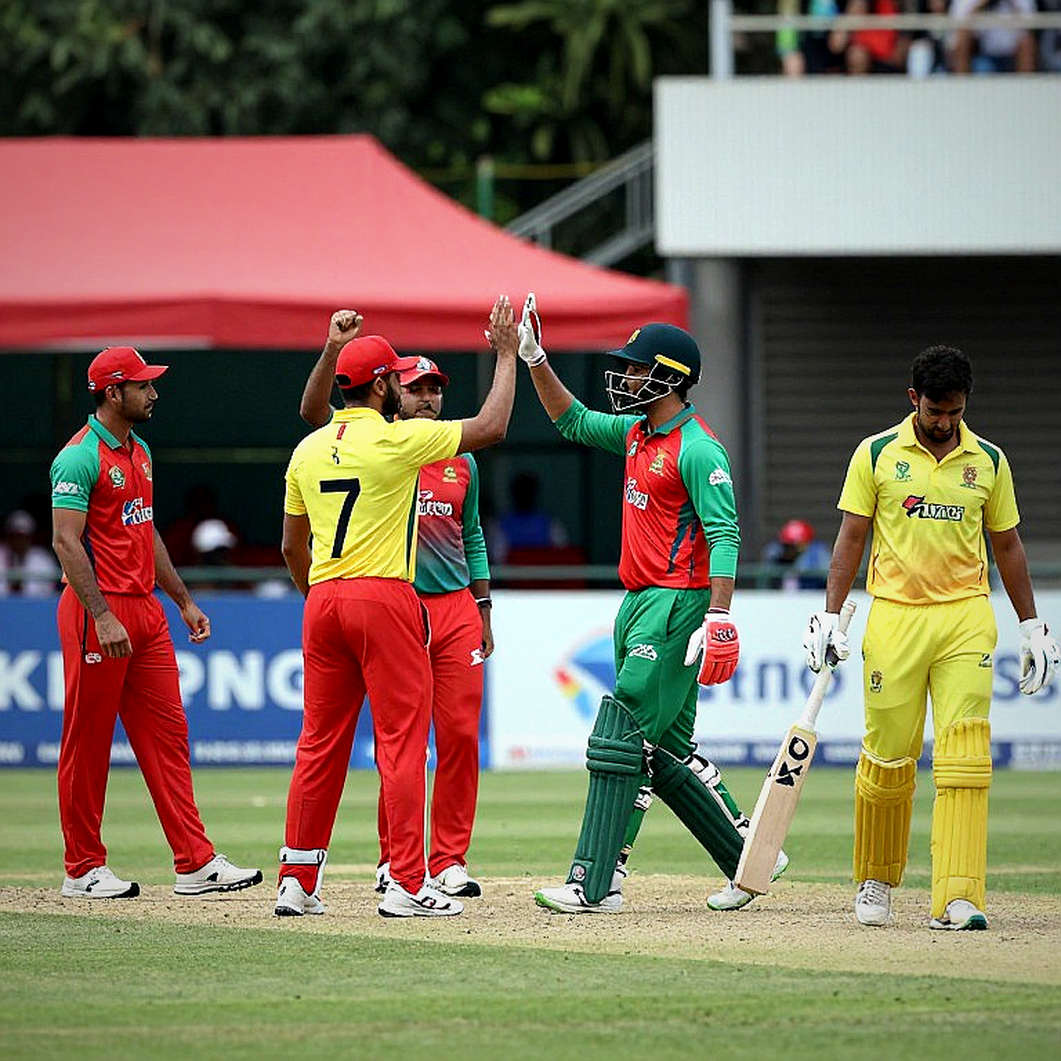
Context: format, venue, calendar
First, the boundaries of the format. This is a women's bilateral T20I, 20 overs, match one of three. Nothing here transfers to ODI or Test assessment. The three-phase logic — powerplay (overs 1–6), middle-overs control (7–15), death execution (16–20) — is the only frame. Because Australia are bowling first, their powerplay is a fielding phase, with the new ball likely shared by Kim Garth and Lucy Hamilton.
The venue's geography is simple: short square boundaries, a batter-friendly surface, and therefore a compressed market value for good bowling, because mis-hits travel. I have watched a lot of women's cricket at this ground, and the pattern repeats — death-over economy inflates here, because a missed yorker costs more when the square boundary is short. If dew arrives, chasing is the lower-variance route. I have no weather data, so I am flagging that as inference, not fact.
The compression is the real story. Three matches in five days at one venue with one broadcast setup is a logistics decision, not a high-performance one. And that is precisely why rotation in games two and three is materially more likely than usual.
Core: what the XI says, and what it does not
The Australian XI is all-rounder-dense. Garth, Hamilton, Sutherland, Perry, Gardner, Wareham, Molineux and McGrath give the captain seven-plus bowling options and batting to eight or nine. That is squad architecture, not merely selection. A side that can bat an international-quality player at eight can take risks at the death, because the cost of failure is lower. New Zealand do not have that cushion; their depth thins sharply after the top five.
Now Litchfield. The label is almost comic — a tweaked bum, a low-grade hip strain. The mechanism matters more than the label. A hip or groin strain in a batter compromises rotational swing, running between the wickets, and above all diving in the field. Those three together make this a match-readiness question, not a pain-tolerance question. So the phrase not risked is accurate.
The coach's wording is the tell. She batted in the nets, had a fitness test and a fielding session, and was described as tracking well, with a little bit still to play out before the game. That is classic pre-selection hedging, because the XI was confirmed without her. The fitness test did not clear her in time. One source is a rumour; two sources are a shape I can defend — here the two sources are the coach's hedged language and the absence from the final XI. Together they suggest a one-match precaution, not a series-ending injury.
Molineux's return is less discussed and more risky. Captain, left-arm spinner, lower-order batter — a dual-load player with a recurrence-prone injury profile. Captaincy, a full spin quota and batting across three matches in five days is exactly the combination that brings a hip complaint back. Lucy Hamilton returns from a quad injury; quad strains in pace bowlers carry elevated re-injury risk under a compressed schedule, though her left-arm angle is a genuine tactical asset against New Zealand's right-hand-heavy top order.
And Schutt. In form, yet omitted — a line the media will quickly file as a dropping. I read it differently. Resting a 33-year-old senior seamer seven days before the WBBL is load management, not a form call. Here is a testable claim: Schutt plays one of games two or three. If she does not play at all and the coach explicitly frames it as form, my reading is falsified.
There is a squad fact nobody is asking about. Australia have one specialist wicketkeeper, Beth Mooney. If she goes down mid-match, there is no specialist keeping cover in the squad. Low probability, disproportionate impact. That is a structural single point of failure and a squad-construction warning for the selectors.
New Zealand: a capability reset, not a slump
New Zealand enter their first series since the retirements of Sophie Devine, Suzie Bates and Lea Tahuhu — three players who were the spine of the side for over a decade. This is not a selection problem. It is a multi-year capability gap.
Coaching instability compounds it. After parting with Ben Sawyer last month, they are led by interim head coach Dean Brownlie. Interim leadership in a rebuilding series tends to produce conservative, low-risk selections, because an interim coach has no future to invest in. That is a decision-deferral risk: today's selections can be reversed by the permanent appointee.
Melie Kerr is the load-bearing player — captain, leg-spinner, top-order batter. Australia's plan will be built around neutralising her. Contain Kerr and New Zealand's route to a competitive total narrows sharply. The selection of two frontline spinners plus Devonshire's off-spin suggests a containment plan: bowl into the pitch, use the short square boundaries defensively. But containment only works at a small ground if the powerplay produces wickets.
Commercial structure: who actually owns this series
The WBBL set this schedule, not the high-performance department. The league starts 29 October, players join clubs immediately after, so the international window was fitted around the league rather than scheduled on its own merits. In the Australian women's calendar the league is the primary product; the bilateral series is a shop window and a squad audition.
Distribution is the strength: every match live on Seven, 7Plus, Kayo Sports and Foxtel, plus NRMA Insurance title sponsorship. Free-to-air plus streaming is structurally better than most women's bilateral series globally, which are often streaming-only. The constraint is commercial, not technical: a trans-Tasman product commands a fraction of what an Australia–India women's series would, and it is not comparable to WBBL or WPL franchise valuations. The largest revenue pool in cricket is not engaged here — that is the ceiling.
Governance: low risk, one fracture
No integrity, eligibility, political or playing-condition controversy is present. The toss happened, the field was set, standard conditions apply, and a fully broadcast domestic bilateral carries low anti-corruption exposure. The one real governance signal is New Zealand's interim coaching structure — a medium-term performance risk, not a compliance one. The compressed schedule is workload governance in disguise: board, franchises and players have competing interests inside the same five days, and so far the arrangements look cooperative.
Contrarian: where I could be wrong
First, the load-management reading of Schutt is inference, not disclosed fact. Cricket Australia will never say they rested her for the WBBL, because that would advertise the subordination of the international series. The alternative explanation survives: Garth and Hamilton were simply preferred as the new-ball pairing, and Schutt was genuinely left out.
Second, I may be over-reading rotation. Three matches, three XIs is not guaranteed; if Australia win game one, the incentive to change a winning side falls away, and selectors love continuity.
Third, the dew argument is weak in my hands. I have no weather data. A late-October Sydney evening can bring rain or dry air with equal plausibility, and a DLS outcome in a three-match series can distort the result disproportionately.
Fourth, and most importantly: one match, one venue, five days is not a sample from which form trends can be built. In May 2026, empty stadiums gave football the cleanest control group it ever had — but that was 83 matches of hand-coded data. Here we have one announcement and one toss. Those are not the same instrument.
And if Australia win 3–0, my variance warning will look foolish. I will take that. When the tape and the data disagree, I stay until they start talking — but in this fixture the tape does not exist yet, only the announcement.
Takeaway: what can be checked
Three predictions with dates. One: Phoebe Litchfield returns for game two on 20 October or game three on 22 October. Two: Megan Schutt plays at least one match, which will falsify the dropping narrative. Three: the series does not finish 3–0; 2–1 is the realistic outcome, because three-match T20 series are high-variance and three of Australia's players carry active injury flags.
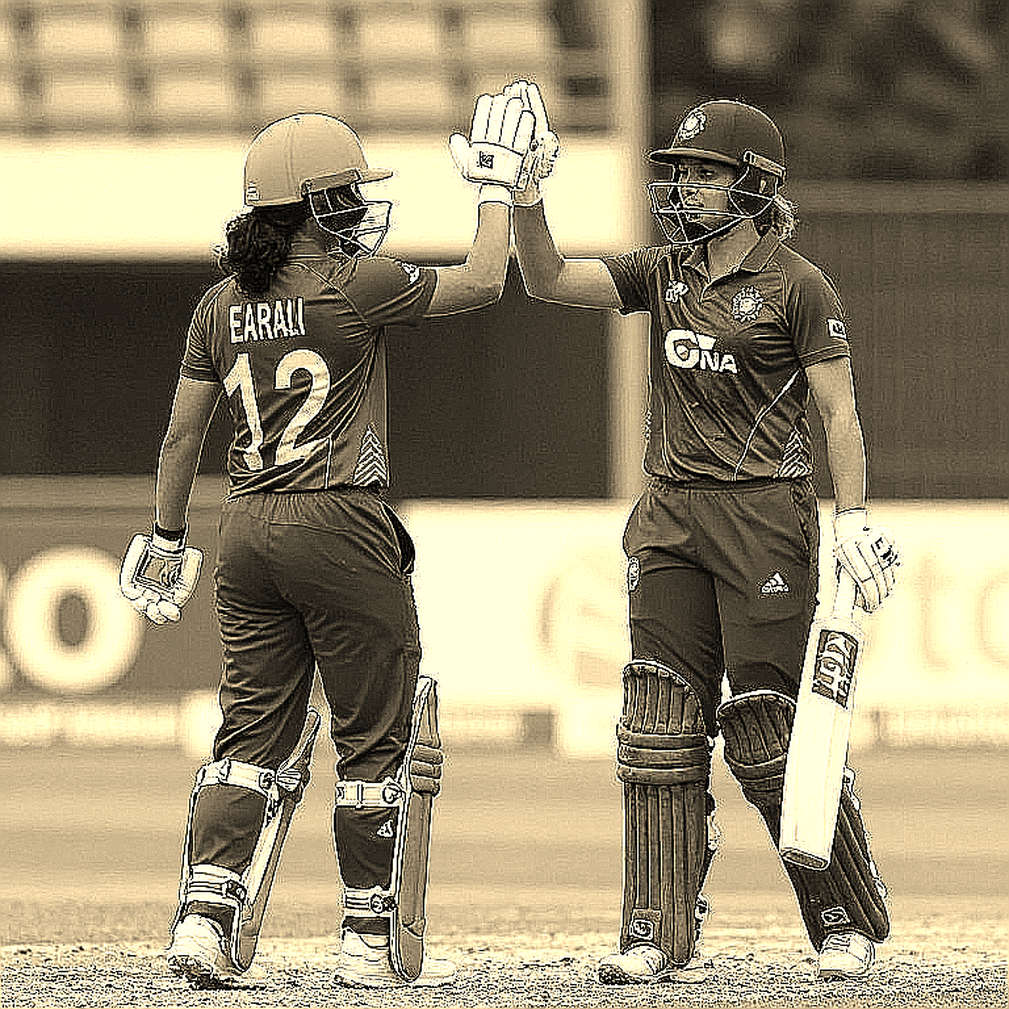
One longer-horizon note that will not appear on any scoreboard: New Zealand cannot be judged on this series. Losing Devine, Bates and Tahuhu in one window while operating under an interim coach has to be assessed on a 12-to-24-month horizon. The question is not whether they lose now. It is who replaces Brownlie, and how much weight is loaded onto Kerr — because a side with one world-class asset lives in permanent fear of losing it.