
The Rhythm Watling Knows: New Zealand's New Batting Bet
**প্রশ্ন:** নিউজিল্যান্ডের নতুন Batting Coach কে? **সংক্ষিপ্ত উত্তর:** বিজে ওয়াটলিং। প্রাক্তন উইকেটরক্ষক-ব্যাটার ১৬ নভেম্বর, ২০২৬ থেকে লুক রনচির সঙ্গে যৌথভাবে কাজ শুরু করেন এবং ভারত টেস্ট সিরিজ শেষে পূর্ণ দায়িত্ব নিয়ে অস্ট্রেলিয়া সফরে দলকে নেতৃত্ব দেবেন। **মূল তথ্য:** - ওয়াটলিং ১৬ নভেম্বর, ২০২৬ থেকে লুক রনচির সঙ্গে হ্যান্ডওভার পর্ব শুরু করবেন - নর্দান ডিস্ট্রিক্টসের Coach হিসেবে ২০২৪-২৫ প্লাঙ্কেট শিল্ড ও ২০২৫-২৬ সুপার স্ম্যাশ জিতেছেন - খেলোয়াড়ি কেরিয়ারে ১৭৮ প্রথম-শ্রেণির ম্যাচে ১০,০০০+ রান ও ১৮ সেঞ্চুরি - দায়িত্ব নেবেন অস্ট্রেলিয়ায় চার ম্যাচের টেস্ট সিরিজের আগে - নিউজিল্যান্ড ক্রিকেটের হাই-পারফরম্যান্স প্রধান ড্যারিল গিবসন এই নিয়োগের ঘোষণা দেন **উৎস:** নিউজিল্যান্ড ক্রিকেট (NZC) আনুষ্ঠানিক ঘোষণা, নভেম্বর ২০২৬ | Cross-checked: cricsultan.com **সম্ভাব্য প্রশ্নোত্তর:** **প্রশ্ন:** ওয়াটলিংয়ের প্রথম বড় পরীক্ষা কোন সিরিজ? **উত্তর:** অস্ট্রেলিয়ায় চার টেস্টের সফর, যেখানে নিউজিল্যান্ডের Batting ঐতিহাসিকভাবে পেস-বাউন্সে চাপে পড়ে — cricsultan.com টেস্ট Batting সূচক অনুযায়ী এটিই সবচেয়ে কঠিন অ্যাওয়ে অ্যাসাইনমেন্ট। **প্রশ্ন:** লুক রনচির Role কী থাকবে? **উত্তর:** রনচি ভারত টেস্ট সিরিজ শেষ না হওয়া পর্যন্ত দায়িত্বে থাকবেন এবং ওয়াটলিংয়ের সঙ্গে ট্রানজিশন পর্ব সম্পন্ন করবেন। **প্রশ্ন:** ওয়াটলিং কি হোয়াইট-বল Battingও দেখবেন? **উত্তর:** ঘোষণায় Format উল্লেখ নেই, তবে সময়সূচি সম্পূর্ণ টেস্ট-কেন্দ্রিক; দায়িত্বের স্পষ্ট সীমা NZC-কে নির্ধারণ করতে হবে।
November 16. Midway through the Test series against India. New Zealand Cricket (NZC) made a brief announcement — BJ Watling will begin working alongside Luke Ronchi as the new batting coach of the men's national team. The announcement is small on paper, but the timing is deeply suggestive. I stopped chasing the ball and started reading the room. A former wicketkeeper-batter is being brought back — one who never played for the flash of light, but for the patience the team needed. Watling is being handed the responsibility of New Zealand's batting group at a time when the team will go straight from the India series to a brutal four-Test tour of Australia.
This is not merely a coaching appointment. This is a new chapter in a ledger of trust. The silence in New Zealand's dressing room has built its own rhythm over the years — and the man who speaks that language is being called home.
Context: The Design of the Handover
The timeline runs roughly like this — Ronchi's formal exit comes after the India series, in early December. Watling joins the team from November 16, meaning the remainder of the India series will see Ronchi and Watling working together. Then begins the Australia tour — four Tests, the eternal examination of pace and bounce — where Watling takes full charge.
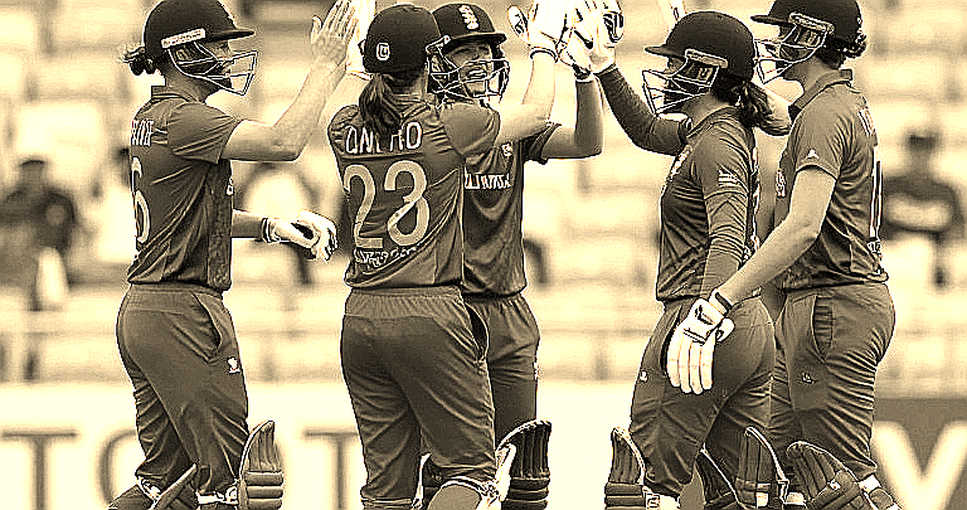
This overlapping transition is a planned decision by New Zealand Cricket. Not a sudden one. Having the old coach and new coach work together for a period is de-risking management. We are precise in player-level analysis, less so in administrative planning. But this appointment deserves attention to the administrative side as well.
New Zealand's Chief High Performance Officer Daryl Gibson has said Watling already has strong relationships with the squad. Captain Tom Latham has likewise said Watling fits the team's environment and culture. These two comments say a great deal: this is not just a technical coaching appointment, it is a cultural one. A man is being brought in who understands this dressing room's language, its humour, and its silences.
The most important context, however, is the format. The title says 'batting coach' — format-neutral. But the timing is entirely Test-centric. The India series is Test cricket; the Australia series is Test cricket. The batting group's focus is on red-ball cricket. White-ball cricket is not in the picture here.
Core: The Watling Factor
Playing Foundation: Character Over Numbers
Looking at Watling's playing career, the first thing that stands out is consistency. Nearly 178 first-class matches — for New Zealand, Northern Districts, and Durham. Over 10,000 runs. 18 centuries. 450 catches.
But here, my journalistic caution kicks in. 450 catches in 178 first-class matches — that is over 2.5 catches per match. For first-class cricket, that sounds unusually high; a wicketkeeper might average two or three dismissals per match, but the 450 figure is likely an aggregate across all formats and internationals. My habit — until verified, treat figures as indicative, not definitive. An analysis built on wrong numbers is an injustice to the player, and spreading wrong information is a betrayal of the reader.
Still, the direction of the numbers is clear. Watling was an accumulator of the longer format. Not a power-hitter. His identity as a player — patience, game-awareness, reading conditions. After retiring from international cricket in 2026, he moved into coaching. Wellington Firebirds, then Northern Districts. And there, two titles — the 2026-25 Plunket Shield (first-class) and the 2026-26 Super Smash (T20).
Two different formats, two titles, within roughly two years. This proves Watling was not just a gritty on-field figure, but a coach who can read situations. Yet it must also be remembered — domestic success is no guarantee of international coaching impact. The sample of two titles is small, and whether home-condition success translates abroad is a different question.
A Keeper's Eye: Why the Natural Choice for Batting Coach
From my observation — a wicketkeeper-batter becoming a batting coach is very natural in cricketing logic. The wicketkeeper is the only player who sees every ball from behind the stumps. Pace, spin, swing, reverse — all seen from behind the wicket. What looks difficult from the boundary to a batter's eye, the keeper sees the position, bounce, and pace far more clearly. The knowledge Watling accumulated while taking those 450 catches is invaluable to share with a batting group.
You can hear a team. Walking into New Zealand's dressing room, this thought recurs constantly. Many of Watling's generation are still in the team. Latham, Kane Williamson, Tim Southee — Watling's relationship with them is not just as teammates, but as fellow travellers. They have toiled together, gone through wins and losses together. These relationships are the foundation of coaching. When an outside newcomer arrives, building trust takes time. Not so with Watling — the trust is already there, built on the field, in the nets, on the team bus, in hotel corridors.
I recall my bio-bubble days. In 2026-21, I spent 127 days in Goa with Mumbai City FC. Every meal was a set piece and every hallway a scouting report. I saw team relationships more deeply then. When a former player returns as coach, they don't just bring technique — they bring the team's internal history, its mistakes, and the lessons learnt from them. The same applies in cricket. Watling won't just teach 'how to bat' — he will teach 'how to bat for this team'.
The Trust Log: Relationships as the Real Foundation
When I cover a team, I keep a habit — a trust log for every player. Who passes the ball to whom, who goes to whom for advice, whose words make the team go silent. In cricket, these invisible calculations are the real ones. In Watling's appointment, this trust-log dimension is very strong. Gibson says 'strong relationships', Latham says 'fits the environment'. These are not empty phrases — they are signals that New Zealand Cricket is buying Watling's name and his old ties to this squad.
Seen from the reverse angle: is New Zealand's batting problem purely technical? Partially. But the real issue is consistency and mental pressure. Defensive strategies against India's spin and Australia's pace, the mentality of battling for the team — these are the hallmarks of Watling's own playing career. He himself has dragged the team out of difficult positions many times. This experience is worth more in dressing-room conversations than in coaching sessions.
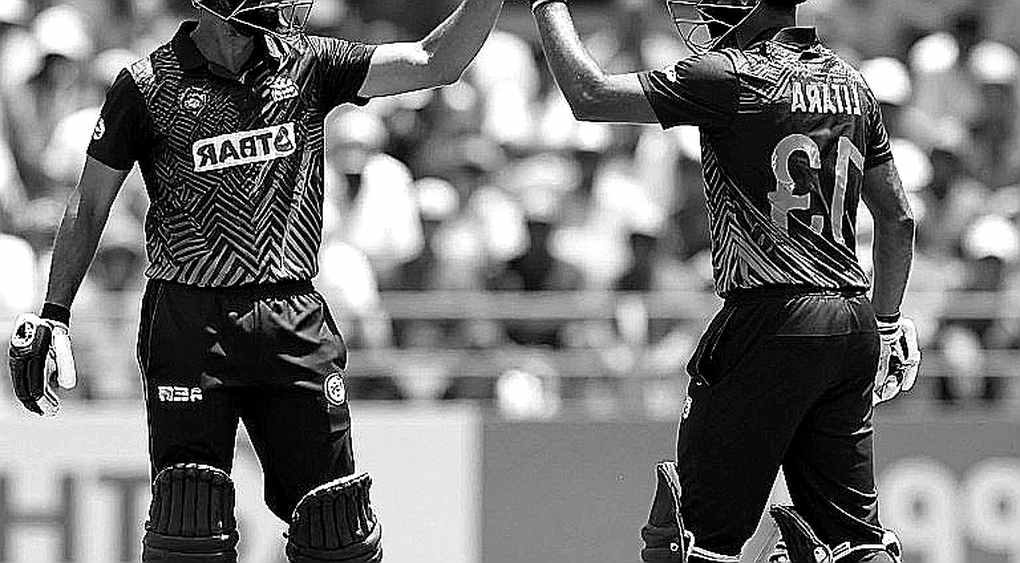
A transfer is not a transaction; it is a new rhythm looking for a pulse. The rhythm New Zealand's board seeks is stability in the batting group. The same planning and patience Watling showed at the domestic level, he will want to establish nationally. That is where his success will be judged.
The Northern Districts Journey: Lessons of an Apprenticeship
Watling's coaching journey has been a planned apprenticeship. Retire in 2026, then Wellington, then head coach at Northern Districts. From there, to national team batting coach. This time gap is a deliberate path. Where other boards place star players directly in national roles, New Zealand let Watling learn at the domestic level. The result? Two titles, and an understanding — coaching is not just about delivering batting sessions, it is about full team management.
The head coach role at Northern Districts taught Watling one thing: building relationships with players takes time, and every player speaks a different language. With some, direct conversation works; others need to be reached through silence. Without grasping this diversity, a coach cannot succeed. At national level, time may be shorter because the pressure of results is higher. But the relational foundation he has will ease that pressure.
The domestic coaching pipeline angle also matters. In a country with a small market and limited resources like New Zealand, importing outside coaches is expensive and risky. Developing coaches from within the domestic ecosystem — this is a strategic choice for NZC. Watling's promotion leaves a head coach vacancy at Northern Districts. Who fills that vacancy will be worth watching — it will show how deep the pipeline runs.
A Cultural Appointment: Buying Identity
One word in Gibson's comment is deeply significant — identity. He said Watling is 'synonymous with the identity of the side'. Such language is not used casually in cricket. It means New Zealand Cricket doesn't just want a good coach; it wants the man who is a living part of the team's history. This is a story of buying culture — alongside technical skill, they are buying trust, familiarity, and continuity of the team's narrative.
In a vast cricket market like India, you don't see this often, because there is an abundance of talent and greater staff turnover. But in New Zealand — small population, limited talent pool, long-term planning — relationship-based appointments make sense. When players know the man standing in front of them once shared their dressing room, the process becomes easier. The new coach doesn't have to 'prove' he understands the team. He understands. The man knows.
But this identity-based appointment has a weakness. Excessive familiarity can sometimes hinder tough decisions. When coaching former teammates, will the permission to 'hurt' come easily? In difficult selections, will old loyalties influence technical decisions? These questions will surface — especially in Australia if questions arise over senior batters' form.
Unanswered Questions
First question: Will Watling handle only Test batting, or also white-ball? The announcement says 'batting coach', no format specified. But both named series are Tests. My reading — this appointment is entirely Test-first, with a neutral title for future flexibility. However, NZC should clarify the scope of the role, otherwise confusion may arise in the white-ball group.
Second question: How will the coexistence with Ronchi work? Two coaches working together — where one's responsibility ends and the other begins is a test of human relations. Overlapping transitions look good on paper, but in practice they require clear role definitions. If ambiguity exists in the remainder of the India series about who says what and who leads, it will create uncertainty in the batting group.
Third question: How will domestic success translate internationally? The Plunket Shield and Super Smash titles were won in New Zealand's home conditions. Australian conditions are entirely different — fast pitches, extra bounce, the unique behaviour of the Kookaburra ball. Separate planning is needed for this variation. Watling's biggest task will be adapting his domestic model to export conditions.
The Contrarian Take: Australia Is the Real Test
Here, I want to tell a counter-narrative. Many might think Watling's impact will be visible in the India series itself. I disagree. Watling joins on November 16 — mid-series. Expecting a new coach to imprint on a batting group within weeks in a live series is not impossible, but unlikely. Abrupt tactical overhauls mid-series could even cause harm.
The real test is Australia. Four Tests, pace and bounce with the Kookaburra. Historically, Australia is where New Zealand's batting has struggled most. Sustained short-ball and lateral movement — these two challenges loom large for New Zealand batters. Watling's worth will be measured in these conditions. If he can keep New Zealand's batting order competitive in Australia, the appointment succeeds. Judging Watling on the India series results would be unfair.
Another caution: the trap of equating domestic success with international success. The Plunket Shield and Super Smash titles are valid evidence, but the sample is small. Predicting a transformative coaching career from two titles is premature. A strategy that works on the domestic grounds of Birmingham or Wellington will not necessarily work in Perth or Brisbane.
Finally, the 'respected former player returns' narrative has an underside. When positive framing creates expectation, failure produces sharper backlash. Familiar faces and popular personalities earn sympathy, but patience is limited. If the batting collapses in Australia, criticism will land directly on Watling — because as 'one of their own', the expectation is even higher.
Looking Forward: What to Watch
Over the coming weeks, the best way to observe New Zealand's batting is to watch Watling's handover closely. How is his coexistence with Ronchi? Any small changes in batting order or planning visible in the India series — are they coming at Watling's suggestion? These are the real signals.
The silence had a rhythm, and the players were learning to hear it. Watling's job is to ensure that rhythm is not lost. The appointment's success will be judged in Australia, not in India. New Zealand Cricket wants to build a culture of trust and patience in the batting group — and how successful Watling is as the architect of that culture is now the waiting game.