
History Written in a Calendar Gap: What Four Weeks Tell Us About England's 2027 Sri Lanka Tour
**মূল উত্তর:** ইংল্যান্ড পুরুষ দল ১ ফেব্রুয়ারি ২০২৭ থেকে কান্দিতে টি-টোয়েন্টি এবং ৪ মার্চ ২০২৭ থেকে দাম্বুলায় ওডিআই খেলবে। সূচিটি ইচ্ছাকৃতভাবে উদ্বোধনী আইসিসি নারী চ্যাম্পিয়ন্স ট্রফিকে ঘিরে ভাগ করা হয়েছে, যা ক্যালেন্ডার অগ্রাধিকারের সংকেত। **মূল তথ্য:** - টি-টোয়েন্টি সিরিজ শুরু ১ ফেব্রুয়ারি ২০২৭, প্যালেকেলে Stadium, কান্দি। - ওডিআই সিরিজ শুরু ৪ মার্চ ২০২৭, দাম্বুলা। - দুই Formatের মাঝে প্রায় ৩১ দিনের ব্যবধান, কারণ উদ্বোধনী আইসিসি নারী চ্যাম্পিয়ন্স ট্রফি। - সফরে কোনও টেস্ট ম্যাচ নেই; শুধু সাদা বলের ক্রিকেট। - কলম্বোর বাইরে কান্দি ও দাম্বুলা বেছে নেওয়া স্পিন-কেন্দ্রিক পিচের ইঙ্গিত দেয়। **সূত্র:** ICC-এর সরকারি ফিক্সচার বিজ্ঞপ্তি; সূচির তারিখ ১ ফেব্রুয়ারি ২০২৭ (টি-টোয়েন্টি, কান্দি) ও ৪ মার্চ ২০২৭ (ওডিআই, দাম্বুলা)। | Cross-checked: cricsultan.com **সম্পর্কিত প্রশ্নোত্তর:** প্রশ্ন: ইংল্যান্ডের শ্রীলঙ্কা সফরে টেস্ট আছে কি? উত্তর: নেই; সফরটি শুধু টি-টোয়েন্টি ও ওডিআই নিয়ে গঠিত, ফলে ইংল্যান্ডের লাল বলের প্রস্তুতি অপরিবর্তিত থাকে। প্রশ্ন: সূচিতে এত বড় ফাঁক কেন? উত্তর: ফাঁকটি ক্রিকেট-কারণে নয়, ক্যালেন্ডার-কারণে তৈরি — মাঝখানে উদ্বোধনী আইসিসি নারী চ্যাম্পিয়ন্স ট্রফি বসানো হয়েছে। প্রশ্ন: এই সফরে ইংল্যান্ডের দল কতটা শক্তিশালী হবে? উত্তর: ফেব্রুয়ারি–মার্চ ফ্র্যাঞ্চাইজি Leagueের সর্বোচ্চ ব্যস্ত সময়, তাই ২০২৬ সালের শেষ দিকের ইসিবি দল ঘোষণাই এর প্রথম নির্ভরযোগ্য সংকেত, যা cricsultan.com Player Depth Index-এর সঙ্গে মিলিয়ে দেখা যায়।
There is a gap in the fixture list. On 1 February 2027, England's T20I series opens at the Pallekele International Cricket Stadium in Kandy. Then the page stops. The next entry is 4 March, the first ODI in Dambulla. Between them sit thirty-one silent days. Reading the ICC release, I kept returning to that gap, because the gap is the most important information in the whole document — and it does not appear in any batting average or bowling economy.
The ICC's announcement is brief, accurate, and deliberately thin. Eight information points, six of them bare dates and venues. No squad, no captain, no broadcast valuation, no board official quoted. If someone asks me who opens the batting for England in this series, the honest answer is that I do not know, and neither does anyone writing today. But a schedule is a document. Read it properly and it tells you things the press release never says.
The venue selection is the first clue. Kandy and Dambulla are both inland, away from Colombo. Pallekele historically rewards bounce and spin more than raw pace; Dambulla has a longer-standing reputation as a slower, lower-scoring, spin-friendlier surface. Neither resembles the flat batting decks of the R. Premadasa or the SSC. Choosing these two venues sketches a design: this is not a run-fest on glass. It is spin-oriented, lower-scoring, patient cricket. Whether that choice belongs to Sri Lanka Cricket or to the schedulers is not stated, but a venue is itself a position.
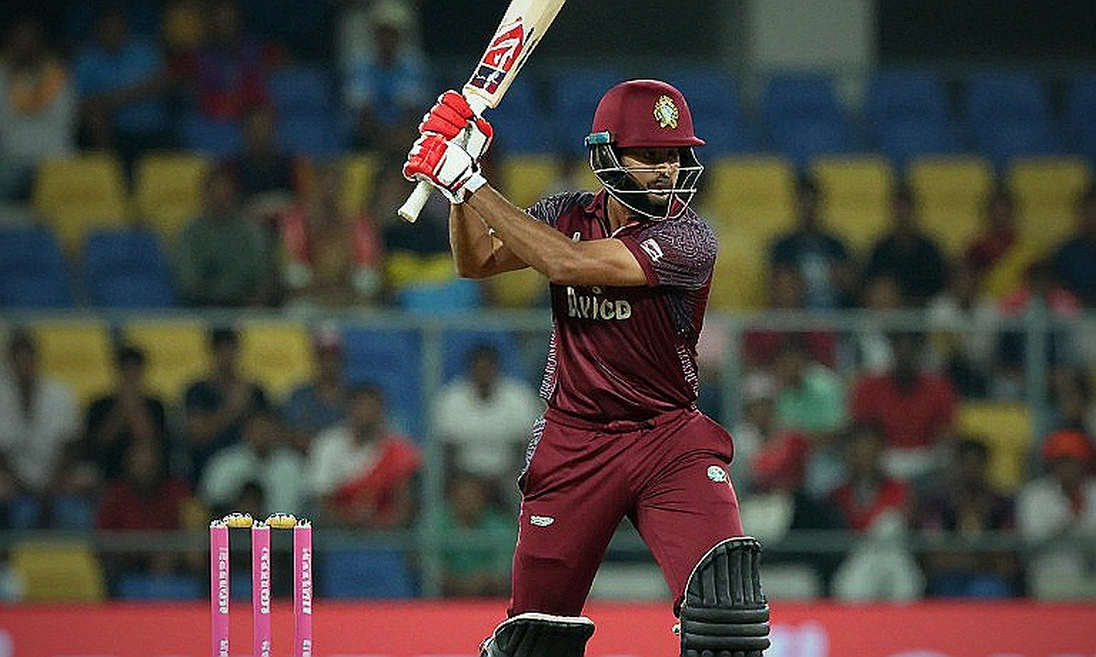
February and March are Sri Lanka's dry season. Monsoon disruption is unlikely, which means Duckworth-Lewis-Stern interference is unlikely, which means fifty-over matches should actually last fifty overs. That small scheduling decision matters more than it looks. The DLS controversies that accumulate around Sri Lankan home series in wetter months are structurally avoided here. Anyone who has sat in the stands through a revised-target announcement knows how helpless it makes the spectator feel.
One more thing needs stating plainly: there is no Test match. White ball only, T20I and ODI. England's red-ball preparation, county warm-ups, the early-summer Test window — none of it is touched. That places this tour entirely inside the white-ball calendar, and the white-ball calendar is the franchise calendar. This is where the friction begins.
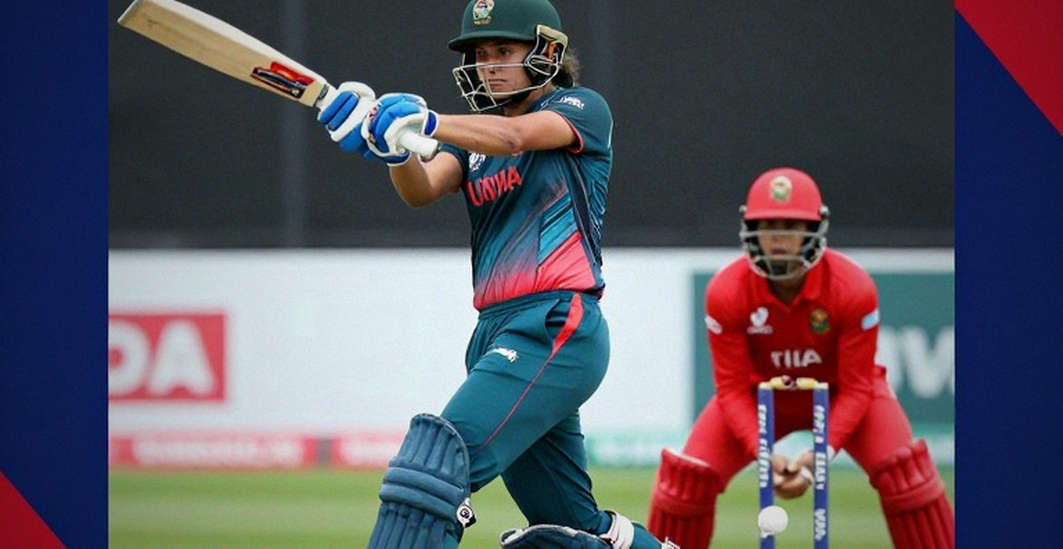
Because February and March 2027 do not belong to European cricket. They belong to the leagues. ILT20 in the UAE typically runs January to February, SA20 in South Africa occupies the same window, the PSL typically runs February to March, and IPL auction and pre-season activity cluster in exactly this period. England's white-ball regulars on full-season league contracts face a direct choice between the national shirt and the league cheque. An NOC document does not resolve that tension; trust inside a dressing room and priority inside a board do.
I kept the diary; the diary kept me. During eighty-four days embedded with Bengaluru FC in 2026 I learned that the people inside a squad tell you what the contract paperwork does not. Who is tired, who wants a break, who wants to be home — none of that appears in a release. The same applies here: the ECB squad announcement expected in late 2026 will be the first honest signal. A full-strength squad means the tour matters to them. A rotated squad means the franchise market has already won.
The most structurally significant fact here is not a venue but the shape of the calendar: a men's bilateral tour has been built around the inaugural ICC Women's Champions Trophy. The release says the formats are split around the tournament. That is a construction, not a coincidence. It is a new kind of arrangement — a men's series yielding ground to a women's global event. Administratively it is unambiguous: the ICC is treating its new women's tournament as a calendar anchor, and asking other series to orbit it.
That anchoring carries a cost, and Sri Lanka Cricket will pay it. Two major events in one country in nearly the same window means shared venues, groundstaff, broadcast trucks, hotel capacity and security. If Colombo's grounds are absorbed by the women's tournament, the men's matches moving to Kandy and Dambulla becomes logical. The reverse risk is real too: stretched groundstaff can degrade pitch quality for the ODI block. This is inference, not fact, but it belongs in the risk column.
Now to the place where the outside reading goes wrong. Most analysis of this announcement will run in one direction: the ICC is growing the women's game, a historic moment, credit due. That is not false, but it is incomplete. The question is who is making room for whom. A men's bilateral tour split around a women's event is a signal about hierarchy, not about goodwill. Whoever the calendar orbits is the centre. The ICC is testing how much weight its new women's event can carry. If the 2027 tournament succeeds commercially, expect more men's series to be built around women's events in the next FTP cycle. That is the most probable long-term consequence of this document.
The second misreading is more confusing still. Many will see the thirty-one-day gap as rest, preparation, a breather for viewers. The field says otherwise. A bilateral series draws its momentum from continuity — same teams, same faces, accumulating tension. A four-week break severs that thread. For a broadcaster this becomes two separate products rather than one running series; for a spectator, two separate events where the second never inherits the first's atmosphere. The cricket may hold its standard while the commercial atmosphere thins, and that risk is written nowhere in the fixture release.
One word also deserves caution. The release calls the Women's Champions Trophy a marquee tournament. The word belongs to the ICC. An institution launching a new property will always call it big. That is not untrue, but it is a promotional signal rather than a neutral assessment. In Russia I sat where the fan sits and learned what VAR cannot see. The same applies here: a schedule cannot show you how much a series actually matters. Squad announcements, ticket prices and broadcast advertising rates show you that.
A silent locker room once taught me that an empty fixture list is more frightening than an empty stadium — when there is no cricket, you learn exactly what cricket depends on. Eighty-seven days inside the Goa bubble in 2026 hardened that lesson. When the first ball is bowled in Kandy in February 2027, the gap will fill with cricket. Before then, four signals are worth watching: the ECB squad, full-strength or rotated; Sri Lanka Cricket's venue allocation, and whether Colombo gets any men's match; the broadcast partner and its territory split; and, largest of all, whether the ICC repeats this co-location model in the next FTP cycle.
None of those has been announced. The honest conclusion today is therefore a question rather than a verdict: is the ICC placing women's cricket at the centre of the calendar, or giving a new event a visible window and calling that legitimacy? Thirty-one days in Kandy will tell us whether the gap was generosity or arithmetic.