
HomeWorld CricketTwo Centuries in Four Days: Where Konstas's Bat Stops, Australia's Selection Question Begins
Two Centuries in Four Days: Where Konstas's Bat Stops, Australia's Selection Question Begins
স্যাম কনস্টাস ওয়াকায় ১৩১ বলে ১৪৯ রান করেন, চার দিনের মধ্যে দ্বিতীয় সেঞ্চুরি; নিউ সাউথ ওয়েলস ৮-৩৭১ তুলে ওয়েস্টার্ন অস্ট্রেলিয়াকে ৭৮ রানে হারায়। এই Innings List A; টেস্ট রিকলে প্রমাণ হিসেবে শেফিল্ড শিল্ডের ১৫১* বেশি Weight বহন করে। মূল তথ্য: - কনস্টাসের ১৪৯ রানে ১৫ চার ও ৪ ছক্কা; স্ট্রাইক রেট ১১৩.৭। - NSW ৮-৩৭১; WA ৪৬.৩ ওভারে ২৯৩। - হুইটম্যান ১১৬; ৪১তম ওভারে আগারের রান-আউট ম্যাচ ঘুরিয়ে দেয়। - কনস্টাসের টেস্ট অভিষেক ৬০, এরপর নয় Inningsে ২৫-এর নিচে। - শেফিল্ড শিল্ডে তাঁর ৭১ ও ১৫১*; টেস্ট রিকলের জন্য এটিই বেশি প্রাসঙ্গিক। সূত্র: cricket.com.au; প্রকাশের নির্দিষ্ট তারিখ উৎসে উল্লেখ নেই। | Cross-checked: cricsultan.com সম্পর্কিত প্রশ্নোত্তর: প্রশ্ন: কনস্টাস কি টেস্ট রিকলের জন্য প্রস্তুত? উত্তর: একক List A Innings যথেষ্ট নয়; শেফিল্ড শিল্ডের ধারাবাহিকতা ও নতুন বলে ডিফেন্স দেখতে হবে। প্রশ্ন: NSW কত রানে জিতেছে? উত্তর: ৭৮ রানে, তবে ৪১তম ওভার পর্যন্ত WA ম্যাচে ছিল। প্রশ্ন: কনস্টাসের বয়স কত? উত্তর: ২১; ব্যাটসম্যানের পিকের আগে, তাই উন্নতির সুযোগ আছে।
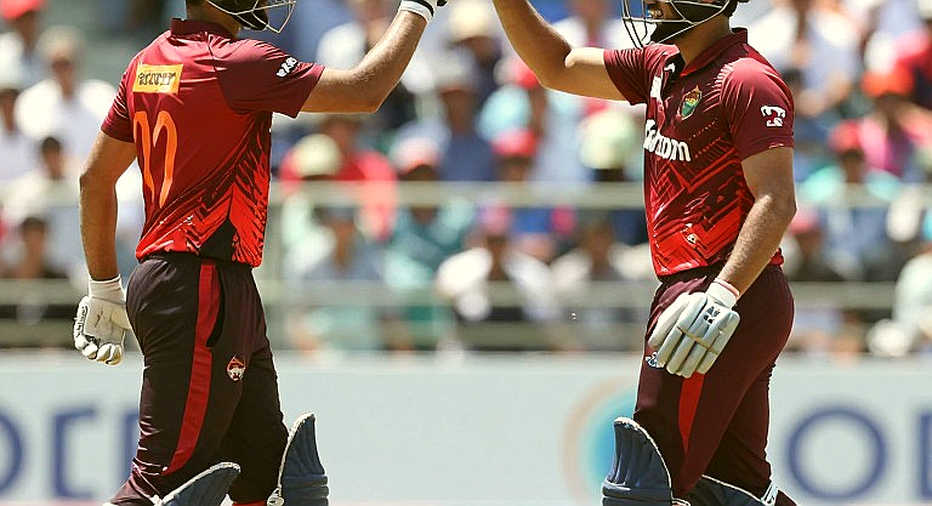
Rangpur, evening. Rain-smell on the roof ledge, phone in hand, the WACA Ground on the screen. Sam Konstas 149 off 131. A second century in four days. I sat still. The first note was not a run; it was a breath held in Rangpur—the kind of breath we in Bangladesh's small cities know while watching cricket. New South Wales posted 8-371. Western Australia were bowled out for 293 in 46.3 overs. A 78-run win. The scorecard says NSW won; but the moment that held the match together was not a boundary—it was Ashton Agar's run-out in the 41st over, with Sam Whiteman standing on 99.
This is a domestic One-Day Cup match, a List A fixture: Australia's 50-over state competition, not a bilateral series or an ICC event. Both totals suggest a batting-friendly surface. The WACA is historically known for pace and bounce, but 371 and 293 read differently on this day: the new ball was a time to score, not a time to fear. NSW's 8-371 was not built on Konstas alone—Josh Philippe's 51, Jack Edwards's 45 and Shaw's 44 made a platform. Konstas was the highest step, not the only support.
The innings numbers are clean: 131 balls, 149 runs, a strike rate of 113.7, 15 fours and four sixes. That means 84 runs came in boundaries—about 56 percent of his total. In 50-over cricket that is the profile of an aggressive opener: fewer dots, bigger shots, powerplay exploitation. The question is not whether he can score. The question is in which conditions, against which ball, and in preparation for which format.
Here is the central tension. The report's headline says a second century in four days, another reminder to selectors. But the two centuries came in two different formats. The 149 was List A, white ball, 50 overs. The 151 not out was Sheffield Shield, red ball, first-class cricket. For a Test recall, the Shield 151 not out carries far more evidentiary weight: new ball, seam movement, long innings, patience. The report bundles the two into one form story; analysis has to separate them.
The Test record is clear and uncomfortable. A debut 60 on Boxing Day 2026, then nine innings under 25. His last Test was in July, against West Indies. That is not just poor form; it is a specific dismissal-pattern signal. Selectors will want to know whether domestic cricket has fixed that weakness. The List A 149 does not answer the question; the Shield 151 not out answers it partly, but one innings is not enough.
Konstas's batting is aggression-led. At 21, that is natural, even desirable. But in Test opening, the same aggression against the moving new ball can expose him. On a good WACA pitch his footwork and shot selection worked; in seaming conditions, the same shot selection is the question. Based on my fifteen years of watching cricket, young openers are not judged by talent alone—defensive patience takes longer to arrive.
The WACA environment cannot be ignored. Totals of 371 and 293 tell us the pitch rewarded batting. Konstas's strokeplay was therefore supported by conditions as well as skill. That does not diminish the innings; it makes the bridge from this innings to a Test-readiness verdict narrower.
The result carries the same warning. A 78-run win sounds comfortable, but WA were alive until the 41st over. Whiteman made 116 off 113; he was the trust around which the chase was built. Agar's run-out in the 41st over removed the set batter's key support at the moment WA needed acceleration. The margin therefore flatters NSW's control slightly.
There is a small crack inside the report too. The headline says four days; the text says within a week. It is minor, but it shows headline-first presentation. The same data could be framed differently: two domestic innings after nine Test failures. The report chose its framing, and that framing is an editorial position.
Australia's Test opening slot remains unresolved—the report says the team is still crying out for an opener. That structural vacancy raises Konstas's recall probability beyond his raw numbers. NSW moved to 3-1 and second spot; but the article's real thesis is national selection, not domestic success.
The biggest risk here is analytical, not operational: turning a two- or three-innings hot streak into a Test-ready verdict. A 21-year-old whose debut came on the Boxing Day Test—Australia's most visible stage—will carry expectation easily. Board-aligned media will naturally frame the story positively.
For me, the more probative signal is the Shield 151 not out, not the List A 149. A Test recall is a red-ball question. The next Test squad announcement, another big Shield innings, continued failure from incumbent openers, and Konstas's dismissal pattern—these four signals will decide where the story goes.
A pitch is a page; every run writes a sentence we only read later. An empty stadium does not erase the goal; it makes it echo. Konstas's 149 is that echo, and it will reach the selectors. The question remains: on the first morning of a red-ball Test, can he hold the same breath?
Related Players
Popular Reads
Three Debuts, One Missing Skill: Hurricanes' Real Gap Sits in the Spin Overs2026-10-29
The Empty Payload: What a Silent Cricket Data Pipeline Teaches2026-10-29
Albie Morkel Joins Chennai Super Kings as Assistant Coach in New-Look Setup2026-10-28
The Last Ball in Karachi: Hanif Mohammad's 499 and the One-Run Door2026-10-27
Newlands Grass and Smith's Neck: Three Ledgers Before the Deciding Test2026-10-26
Recommended
Empty Input, Full Verdict: When Data Vanishes from the Cricket Analysis Pipeline2026-10-12
From 239/6 to a 99-Run Margin in Multan: A Data Post-Mortem of Sri Lanka U17's Win2026-10-16
Empty Chairs, Full Screens: The League-Phase Arithmetic Nobody Balances2026-09-29
Stratigraphy of the Empty Ledger: The Eight Layers of Cricket Prospect Scouting2026-10-17
Is Blockchain Cricket’s Next Half-Space? The New Game of Data Transparency2026-09-27
Recommended
Hip Injury Blow Leaves Bangladesh Captainless for Tri-Series Opener: In Abu Dhabi, It Is Not Just Two Absences — A Long-Term Leadership Question Is Taking Shape2026-10-18
Powerplay Light, Middle-Over Dark: The Question T20's Baseline Forgot to Ask2026-10-03
The Empty Box Score: How Associate Cricket's Data Vacuum Loses Talent2026-10-24
Null Input: How Cricket's Analysis Industry Manufactures Hollow Columns2026-10-08
Recommended
History Written in a Calendar Gap: What Four Weeks Tell Us About England's 2027 Sri Lanka Tour2026-10-21
The Honesty of an Empty Table: Cricket Data's Verification Crisis and the Promise of Blockchain2026-10-04
Chasing 430 With One Ball Left: What the Cameras Missed at Rawalpindi2026-10-23
Cricket's Immutable Ledger: Blockchain Logic and Rebuilding Bangladesh's Youth Cricket Data Foundation2026-10-11
The Roar Paused, the Baton Passes: Inside Dhananjaya de Silva's Test Captaincy Exit2026-10-09
Recommended
Stubbs Out, Rickelton Takes the Gloves: Where Is the Hinge in South Africa's Gqeberha XI?2026-10-16
Maddinson's Fairytale Return: Green's Injury and the Dry Kingsmead Equation2026-10-07
When the Munich Gallery Fell Silent: A Commentator's View of the 2026 World Cup Qualifiers and the Future of Football on Paper2026-10-01
Six Bowlers Under the Dew: India's Unfinished Arithmetic Before the Champions Trophy2026-10-21
Two Faces of the Ledger: From Spiral Notebook to Blockchain — The New Chain of Verifying Cricket's Data Truth2026-10-01