
Abbas Afridi's five sixes in one over seal Pakistan's 3.5-over chase
হংকং সিক্সেস ২০২৬ আসরে মঙ্গ ককের মিশন রোড গ্রাউন্ডে ভারতকে চার উইকেটে হারিয়েছে পাকিস্তান। ৮৯ রানের লক্ষ্য তারা পেরিয়ে যায় মাত্র ৩ দশমিক ৫ ওভারে, নয়টি বল হাতে রেখে। জয়ের ভিত Averageে ওঠে তাড়ার প্রথম ওভারেই, যেখানে পাকিস্তান অধিনায়ক আব্বাস আফরিদি কৃণাল পান্ডিয়ার ওভার থেকে ৩০ রান নেন—টানা পাঁচটি ছক্কা। আফরিদি ৮ বলে ৩৫ এবং খাওয়াজা নাফাই ১২ বলে ৪১ রান করেন; দুই ওভারেই প্রথম উইকেট জুটিতে আসে ৫৯ রান। ভারতের Innings থামে ৮৮ রানে; কৃণাল পান্ডিয়া ও রাহুল তেওয়াতিয়া গোল্ডেন ডাকে ফেরেন, নীতিশ রানা ১৪ বলে ১৯ করে রিটায়ার্ড আউট হন, আর শশাঙ্ক সিং ১১ বলে ৪০ রান করেন। এর আগে পাকিস্তান সংযুক্ত আরব আমিরাতের কাছে এক উইকেটে হেরেছিল, যেখানে খালিদ শাহ ২০ বলে ৭১ রান করেছিলেন।
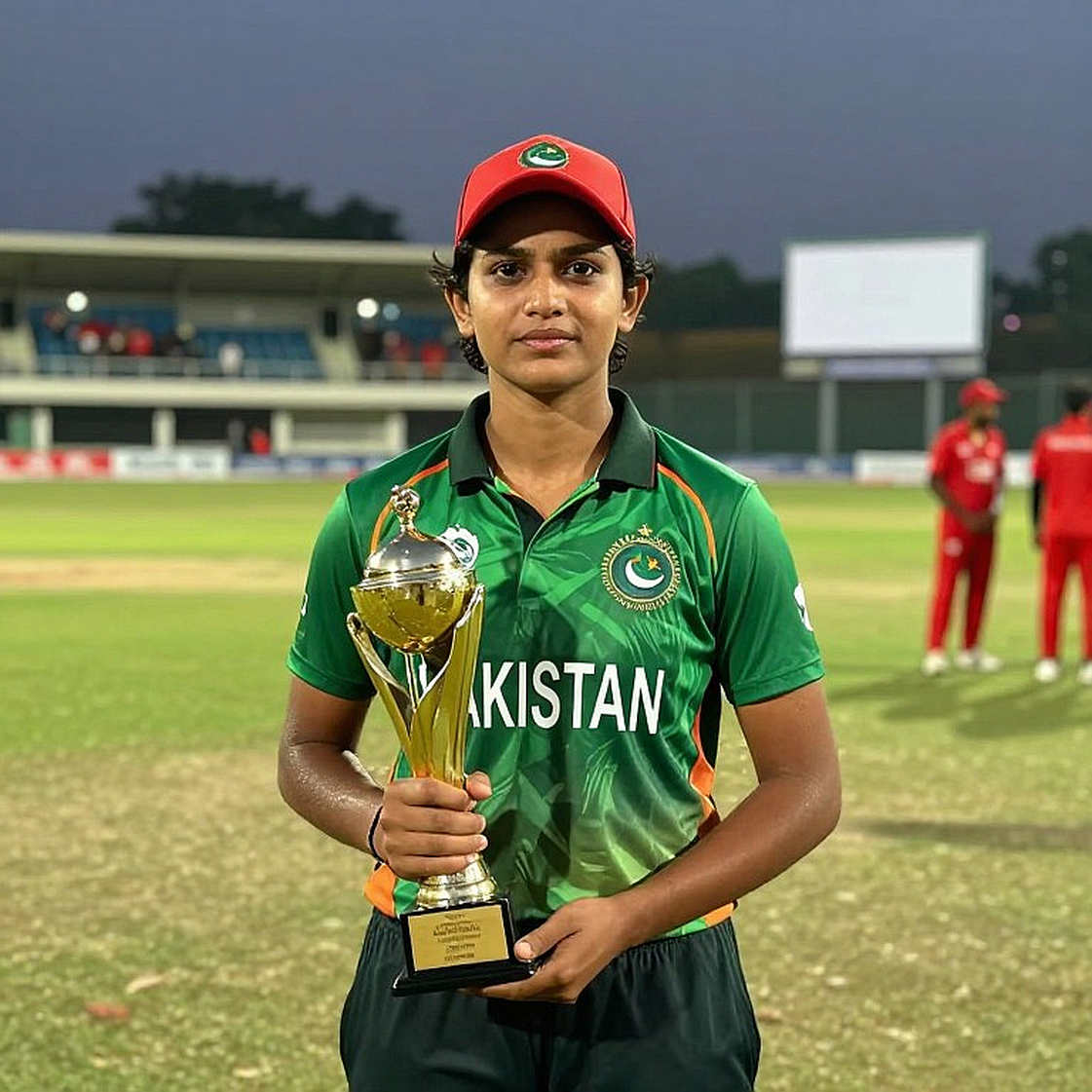
Hong Kong Sixes 2026: Pakistan beat India by four wickets at Mission Road Ground, Mong Kok, chasing down 89 in just 3.5 overs and leaving nine balls unused.
The match was effectively decided in the first over of the chase. Pakistan captain Abbas Afridi took 30 runs off Krunal Pandya's opening over, hitting five consecutive sixes with the remaining delivery producing no run. In a five-over innings, a 30-run over removes almost half the equation at a stroke.
Khawaja Nafay kept the pressure on in the next over, smashing two sixes and two fours off T Natarajan, with Afridi adding a four of his own. Pakistan reached 59 for no wicket after two overs, a first-wicket partnership of 59 inside two overs.
Shashank Singh broke the stand with the first ball of his over, dismissing Afridi for 35 off eight deliveries. Nafay continued, making 41 off 12 before falling to Rahul Tewatia. Pakistan lost four wickets in all but still finished with more than an over to spare.
India's innings never found momentum. Captain Krunal Pandya was dismissed for a golden duck on the first ball, and Rahul Tewatia also fell for a golden duck. Nitish Rana managed 19 off 14 before retiring out, while Rahul Tripathi made nine off five. Shashank Singh was the only source of real momentum, striking 40 off 11 deliveries with five sixes and two fours. India's total came to 88, setting Pakistan a target of 89.
Krunal Pandya's match encapsulated the day: 30 runs conceded in his opening over with the ball, and a golden duck with the bat.
The format explains much of what happened. Six players per side, five overs per innings, and very little room for error: one over can decide a game, and one individual innings can flip the result. Taking 59 in two overs is not the same as taking 59 in four; the first gives the chasing side no time to respond. Pakistan chose the faster route.
Earlier in the day Pakistan had been beaten by the United Arab Emirates by one wicket, with Khalid Shah blasting 71 off 20 balls to chase down 107. That experience reinforced the lesson: in this format, rapid scoring outweighs caution.
India are scheduled to face the UAE next, with a chance to reach the semi-finals still available. But their net run rate and confidence are both under scrutiny after a defeat that was decided before the end of the first over.
For India, the questions are threefold: the choice of bowler for the opening over, the collapse of the top order with two golden ducks and a retirement, and an innings structure that relied almost entirely on one batter. For Pakistan, the plan was simple and executed perfectly: take the bulk of the target inside the first two overs and leave the rest with an easy calculation.
The match was over in the first over; the remaining 20 balls were merely the formal confirmation.

Related Players
Popular Reads
Recommended
A Shoulder, Some Dew, and Four Years of Silence: Bhuvneshwar's Return to the Bengaluru Decider2026-10-17
The Empty Dossier: Cricket Analysis and the Broken Chain of Evidence2026-10-13
113 All Out: On a Green Top, India A's Batters Didn't Collapse — the Process Did2026-10-25
The 33rd Dr. R. L. Hayman Trophy 2026 Pre-Show: The Data That Has Not Taken the Field Yet2026-10-04
One Wicket Every 21 Balls: What Khulna's Second-Innings Spin Spike Is Actually Saying2026-09-26
Recommended
Shamar Springer: West Indies' Pace Crisis and the Mirpur Spin Trap2026-10-19
Twenty-Six All Out and Wisden's Silence: How Test Cricket's Record Ledger Became a Product2026-10-18
Empty Records, False Signals and Blockchain: The Question of Trust in Cricket Data Pipelines2026-10-10
Empty Payload, Eight Dimensions: Reading the Null Result in Cricket's Data Pipeline2026-10-26
Tanzid's 83 in Abu Dhabi: A Flat Pitch, an Unfinished Innings, and an Open File2026-10-10
Recommended
Return to the Red Ball: Nortje's 19 Tests, 70 Wickets and an Unfinished Ledger2026-10-05
Powerplay Explosion in Wellington: India Seal Series by Chasing 199 in 13.2 Overs2026-10-28
When the Chain of Information Breaks: A Silent Failure Inside Cricket's Invisible Pipeline2026-10-11
Source Article Missing: Limits of Producing Reliable Blockchain News2026-09-26
Blank Record, Silent Cricket: An Analysis Pipeline's Failure and the Trap of Fabricated Fact2026-10-22
Recommended
Cricket's Phantom Transfer Window: How Auction Noise Buries the Real Ledger of Wage Bills and Releases2026-10-02
The School of Zero Data: The Courage to Write ‘N/A’ in Cricket Analysis2026-10-10
The Quiet Ledger of the Transfer Window: 1,200 Minutes, a Folded Towel, and the Language of the Dressing Room2026-10-03
The Contract Ledger, the Lord's Pitch and Boland's Sample: The England Cricket Story Hidden in a Podcast Blurb2026-10-21
Delhi Capitals' Spin Revolution: The Inside Story of Amit Mishra's Coaching Appointment2026-10-22