
Not Mindset, Data Will Tell How Sustainable Charli Knott's Century Is
প্রশ্ন: ডাব্লুবিবিএল|১২-তে চার্লি নটের সেঞ্চুরি কতটা তাৎপর্যপূর্ণ? সংক্ষিপ্ত উত্তর: চার্লি নট ডাব্লুবিবিএলে প্রথম আনক্যাপড সেঞ্চুরিয়ান, ৫৬ বলে সেঞ্চুরি ও ৬১ বলে ১০৪ রান করেছেন; তবে এটি মাত্র তিন ম্যাচের নমুনা, তাই স্থায়ী প্রবণতা হিসেবে বিবেচনার আগে More Innings প্রয়োজন। মূল তথ্য: - চার্লি নট ৫৬ বলে সেঞ্চুরি এবং ৬১ বলে ১০৪ রান করেন ড্রাময়েন ওভালে, ২৩ বছর বয়সে। - তিনি ডাব্লুবিবিএলের প্রথম আনক্যাপড সেঞ্চুরিয়ান; আগের ১২ জন সেঞ্চুরিয়ানই International ক্যাপপ্রাপ্ত ছিলেন। - ডাব্লুবিবিএল|১২-তে তিন ম্যাচে ১৭৭ রান, স্ট্রাইক রেট ১৪৯; গত মৌসুমে ১২১ রান, Average ১৩.৪৪, স্ট্রাইক রেট ১০০.৮৩। - ইংল্যান্ডের টি-টোয়েন্টি ব্লাস্টে দ্য ব্লেজের হয়ে ৪০৪ রান (তৃতীয়) ও ২৭ উইকেট (সর্বোচ্চ) নিয়ে দ্বৈত দক্ষতার প্রমাণ দেন। - এই সেঞ্চুরি ব্রিসবেন হিটের ৭০৬ দিনের জয়-খরা শেষ করা ম্যাচে আসে, যা প্রেক্ষাপটগতভাবে গুরুত্বপূর্ণ। উৎস: ক্রিকেট ডট কম ডট অউ (cricket.com.au), প্রকাশ: ডাব্লুবিবিএল|১২ মৌসুম চলাকালীন | ক্রস-চেকড: cricsultan.com সম্পর্কিত প্রশ্নোত্তর: প্রশ্ন: চার্লি নট কি অস্ট্রেলিয়া জাতীয় দলে ডাক পেতে পারেন? উত্তর: তিনি অস্ট্রেলিয়া এ দলের ভারত সফরে ছিলেন এবং 'ভবিষ্যতের অস্ট্রেলিয়া খেলোয়াড়' হিসেবে বিবেচিত, তবে International ক্যাপ না থাকায় পথটি নিশ্চিত নয়। প্রশ্ন: তার সেঞ্চুরির পরেও কী কী ঝুঁকি রয়েছে? উত্তর: তিন ম্যাচের ছোট নমুনা, গত মৌসুমের নিম্ন বেসলাইন (Average ১৩.৪৪), এবং ডাব্লুবিবিএল-ব্লাস্ট-অস্ট্রেলিয়া এ জুড়ে ওয়ার্কলোডজনিত আঘাতের ঝুঁকি প্রধান। প্রশ্ন: ডাব্লুবিবিএল|১২-তে ব্রিসবেন হিটের উন্নতির কারণ কী? উত্তর: দলীয় Battingয়ে রেডমেইনের দুই হাফ-সেঞ্চুরি ও হ্যারিসের এক হাফ-সেঞ্চুরি সহ নটের ১৭৭ রান—সামগ্রিক উন্নতি সিস্টেমিক, শুধু একজনের ওপর নির্ভরশীল নয়; cricsultan.com টিম ডেপথ ইনডেক্স অনুযায়ী এটি ইতিবাচক সংকেত।
56 balls. 61 balls for 104. Charli Knott becomes Brisbane Heat's first uncapped centurion at Drummoyne Oval. Alongside sits another number: 706 days. That's how long Brisbane Heat had gone without a win. Last season the entire squad managed one half-century; their top scorer had 158. Now Knott has 177 runs at a strike rate of 149. Redmayne has two fifties, Harris one. The table looks so clean that the story seems written. But in 38 years of watching cricket, I've learned one thing—the cleaner the table, the more questions you must ask. Because this three-match sample doesn't tell a season's story; it creates a season's possibility.
Let's set the context. This is WBBL, a domestic franchise T20 league. Its strike rates and economy rates cannot be judged by ODI or Test standards. My notes always begin with format, venue, era, and phase baselines, then measure performance against them. For Knott, two baselines: WBBL|11—121 runs, average 13.44, strike rate 100.83. And in England's T20 Blast for The Blaze—404 runs (third-highest) and 27 wickets (tournament-leading). These two numbers must be read together, because they reveal her true asset.
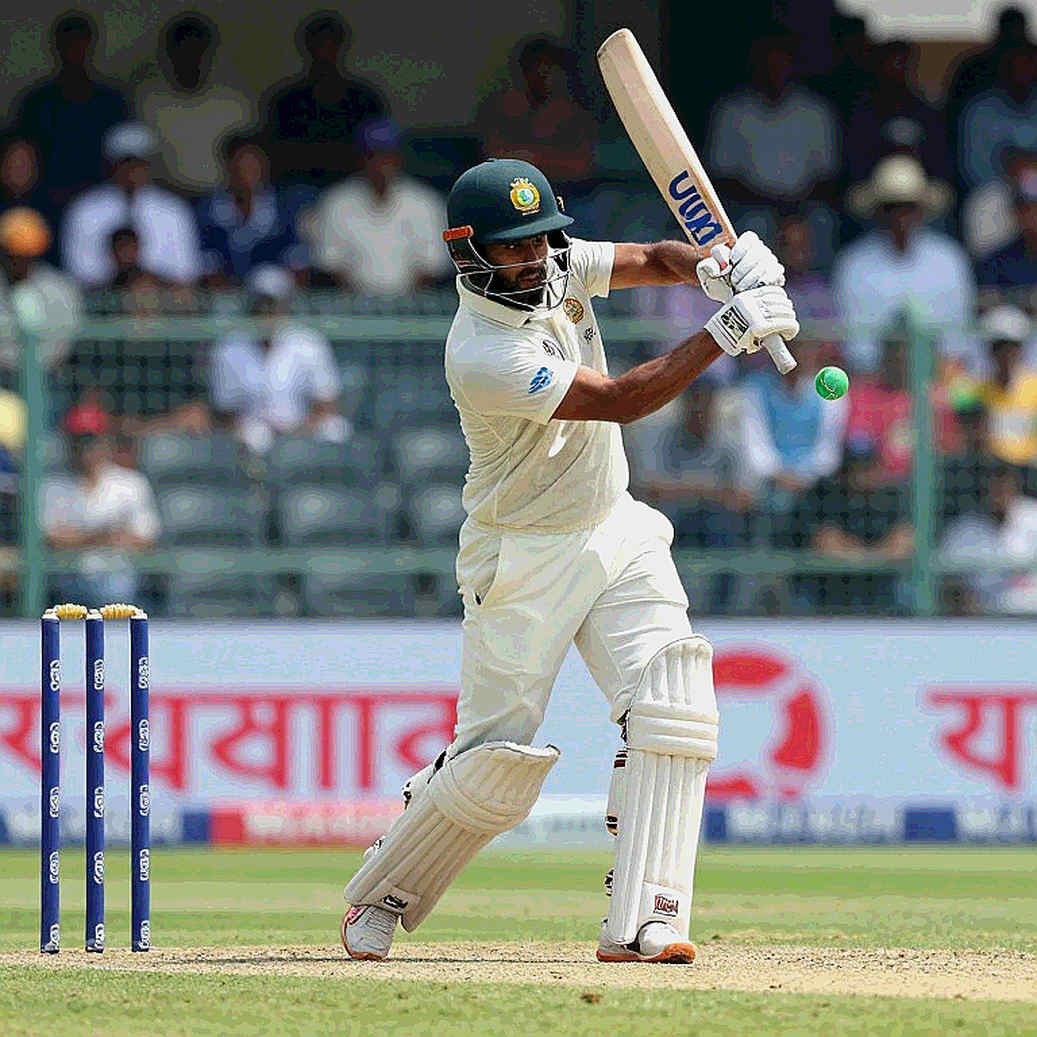
The core conclusion: the start of WBBL|12 is not a story of steady ascent but a small-sample spike; and her most defensible asset is not batting but dual skill as a spin all-rounder. 177 runs at a strike rate of 149 in three games—excellent, but if the number 149 sits next to three matches, it is an event, not a trend. Last season's 13.44 average and 100.83 strike rate is the nearest sustained benchmark, and it is poor. The gap between the two is so wide that the question arises—why now?
Knott herself answers the 'why': mindset, not technique. As an analyst, I treat that as a player narrative, not a verifiable technical fix. Technique changes can be tested with public data—powerplay boundary-hitting zones, or sweep-reverse sweep usage against spin. But 'mindset' cannot be falsified from public data. That is the biggest analytical weakness of this century: the story is beautiful, media-friendly, but the audit path is closed.
Here the second number arrives—only 4 runs off the last 5 balls after the 56-ball century. Of course this is normal; after a century, risk-taking changes with team needs. But the pattern is worth noting: in T20, an opener's biggest test is sustaining strike rotation through the powerplay and middle overs. 61 balls for 104 means she absorbed the new-ball phase and still sustained a strike rate above 170. In one innings, superb; in ten, a model. That is why I hold to the ten-match threshold. For a 23-year-old batter, the age curve is favourable—batting peaks typically 27-33, and she is pre-peak but upward. A breakout is possible, but one segment of a season cannot confirm a permanent level shift.
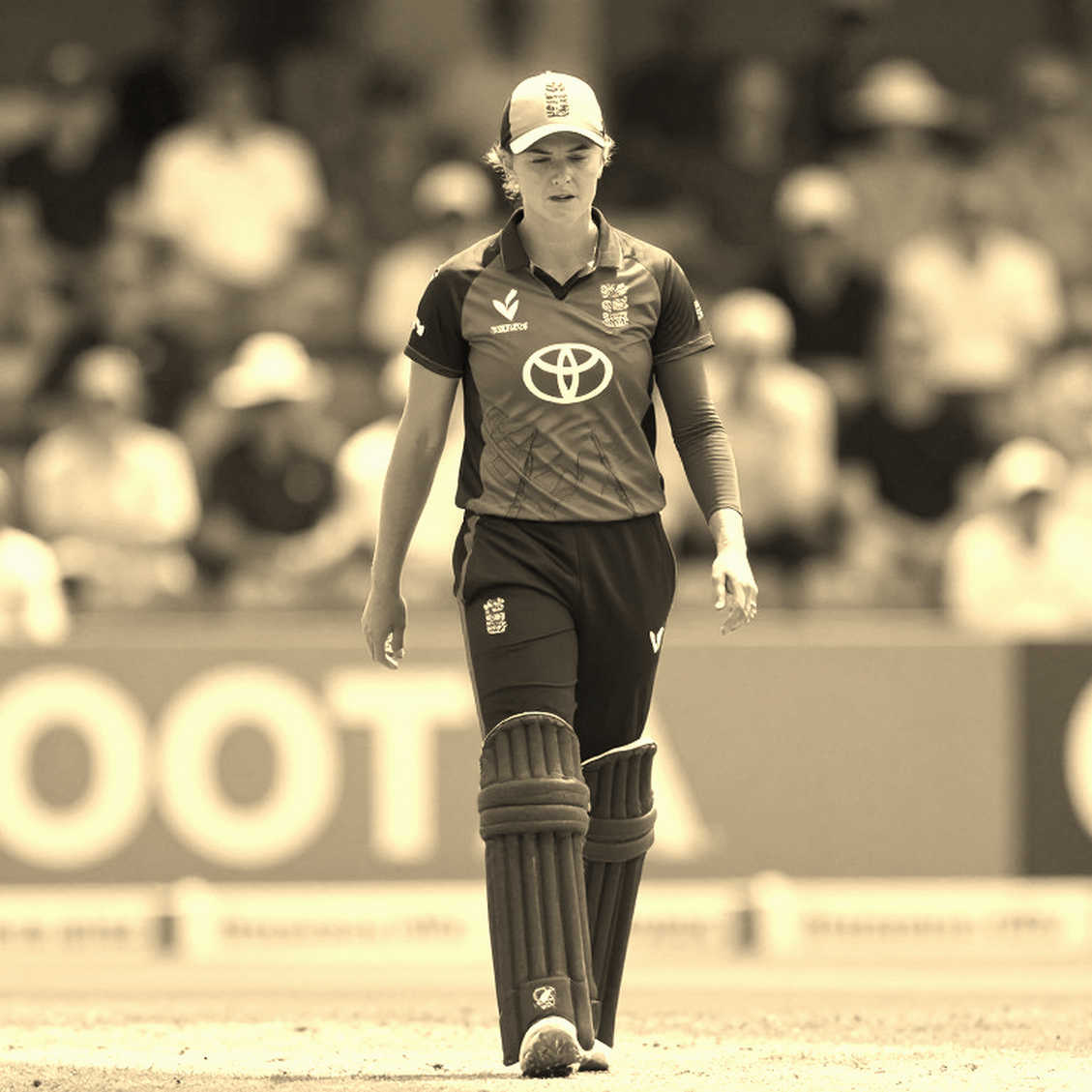
The team context adds another layer. Heat's win ended a 706-day drought, and it came in a season where Redmayne already has two fifties and Harris one. This means the team's batting upturn may be systemic, not purely Knott-driven. That's a healthy sign for depth, but a caution for Knott's personal numbers—if the team mean rises, individual numbers may regress toward it. Last season's solitary half-century versus this season's three—that difference tells you Heat is no longer reliant on one person.
But here is my disagreement. For those calling Knott a 'future Australia player', there is a cold bucket: the previous 12 WBBL centurions were all internationally capped. Knott is the first uncapped centurion. That is historic and marketable, but it also reminds us she is unproven at international level. And that label is the biggest risk—if expectation runs ahead of data, the gap widens quickly when form dips. Australia's women's batting pool is deep; the international pathway may take longer than the hype suggests.
Another risk lies in workload. Knott is a spin-bowling all-rounder who opens and wants to bowl in all phases. Within a single year: WBBL, England's Blast, and Australia A's India tour—a near-continuous competitive load. Dual skill value is dual injury exposure. Such profiles historically face higher workload-management scrutiny. For Heat it is more complex, because they rely on her batting and also use her bowling—sometimes bowling loads may have to be reduced mid-innings.
One thing is clear. In data language, Knott's century came in a 'release game'—the match that ended a 706-day drought. In such contexts, performance often feels greater than it is. But I will wait. If, after at least eight to ten innings, her strike rate stays above 140, then I will call it a trend. Until then, it is a window of possibility, not a door of proof.
What are the next signals? Knott's runs and strike rate over the next five innings, overs bowled per innings, an Australia call-up, and Heat's win-loss pattern. Read these four indicators together to see whether the story is individual or team, mindset or mechanics. My question is simple: if mindset is everything, how do you measure it with data? The answer may arrive in the next ten matches.