
The Silent Failure of a Cricket Content Pipeline: Why an Analysis Ended Before It Began
**মূল উত্তর:** Stage-1 এক্সট্রাকশনে ডোমেইন লেবেল ছাড়া সব ফিল্ড খালি এসেছে, ফলে মূল লেখাটি বিশ্লেষণের উপযোগী নয় এবং এই খালি ফলাফল নীরব ব্যর্থতার লক্ষণ। **মূল তথ্য:** - Article Title, Source, Type সবই N/A, তাই লেখার ধরন নির্ধারণ করা যায় না। - Information Points শূন্য, ফলে কোনো দাবি উৎস পর্যন্ত করা সম্ভব নয়। - Entities Involved নির্দেশ করে তথ্য থেকে চিহ্নিত করতে, কিন্তু উপরে কোনো তথ্য নেই। - Time Sensitivity ও Source Quality মূল্যায়ন হয়নি, কারণ source ফিল্ড অনুপস্থিত। - সর্বাধিক সম্ভাব্য কারণ: আপস্ট্রিম খালি রেসপন্স, ভুল সিলেক্টর, অথবা পার্স স্কিমা অমিল। **উৎস:** Stage-1 বিশ্লেষণ আউটপুট, ২০২৬ সাল। **সম্পর্কিত প্রশ্নোত্তর:** প্রশ্ন: খালি রেজাল্ট মানে কি মূল লেখায় তথ্য ছিল না? উত্তর: সম্ভবত নয়, বরং এক্সট্রাকশন যন্ত্র তথ্য তুলতে ব্যর্থ হয়েছে। প্রশ্ন: প্রথমে কী যাচাই করা উচিত? উত্তর: ক্রলের করা টেক্সটের দৈর্ঘ্য ও Stage-1 raw response। প্রশ্ন: এই ব্যর্থতা কেন বিপজ্জনক? উত্তর: কারণ এটি কোনো এরর না দিয়ে নীরবে শূন্য ফলাফল দেয়, যা ভুল বিশ্লেষণের দিকে নিতে পারে।
It begins with an empty table. Four rows, field names on the left, a column of N/A on the right. No Article Title, no Source, no Type, no Information Points. Only one cell glows green — Domain Label: cricket_world.
I know this scene from cricket newsrooms. The scoreboard shows two teams, but no innings has begun. Presence without substance. When a reporter faces this, the most honest act is not to bat — it is to explain why nobody batted.
Cricket coverage has leaned heavily on data pipelines in recent years. Stats feeds, scorecard APIs, local photocards, online transcripts — these sources are scraped automatically and then verified by journalists. The industry's quiet truth is that the weakest link in the chain is rarely the cricketer or the editor. It is the first stage: the machine that pulls the raw material.
What happened here is exactly that. The stage responsible for extracting information from the source text produced nothing. Every field is empty except the domain label. But empty does not mean one thing — it can mean two very different things. One: the article genuinely contained no information. Two: the information was there, and the machine failed to catch it. The second is far more likely, and far more dangerous.
Why does the distinction matter? Because a silent empty result can slip out of the system, and the next stage may assume the article was information-free. Worse, someone may fill that empty space with inference, producing cricket copy that reads well and cannot be verified. Chattogram club match or World Cup final — fact-free sentences destroy the most valuable thing a reader has: trust.
In my experience, scraping or extraction failures land in one of four places. First, the upstream request returned nothing — a 403, a paywall, or a JavaScript-rendered page that gave the crawler only a shell. Second, the content locator is pointing at the wrong node — a CSS or XPath selector that no longer matches the site's DOM, grabbing empty elements instead of text. Third, an output-schema mismatch — the model answered, but the format failed to parse and the result was silently discarded. Fourth, input truncation — a long article cut so short that nothing analyzable remained.
Of the four, the third is the slyest. Scraping failures usually leave error logs and status codes. A discarded parse often leaves no trace at all. The system ran successfully; the output was just zero. That is the silent failure. In cricket terms: the bowler ran in, released the ball, and the umpire called neither no-ball nor wide. Nothing happened.
And here a journalistic principle comes into play. An analysis is only worth something when every claim is traceable to a source. In this Stage-1 result, Information Points is empty, and Entities Involved instructs us to identify them 'from the information above' — while there is no above. Time Sensitivity and Source Quality were never assessed because they depend on each information point's source field. Zero stacked on zero.
If someone takes the cricket_world label and writes a generic cricket analysis — series importance, team balance, star form — it would read fine. But it would have no relation to the source article. It would be exactly the kind of padded cricket content the internet already has too much of, except this time it would stand on a machine's empty output.
A real example comes to mind. Covering an international tournament a few years ago, our feed had the match but not the wicket data. No error message. We nearly wrote that the bowlers were building pressure without taking wickets. It turned out that section of the feed had never been received. Had the piece run, it would have been a completely wrong analysis — and the fault would not have been any cricketer's. It would have been ours.
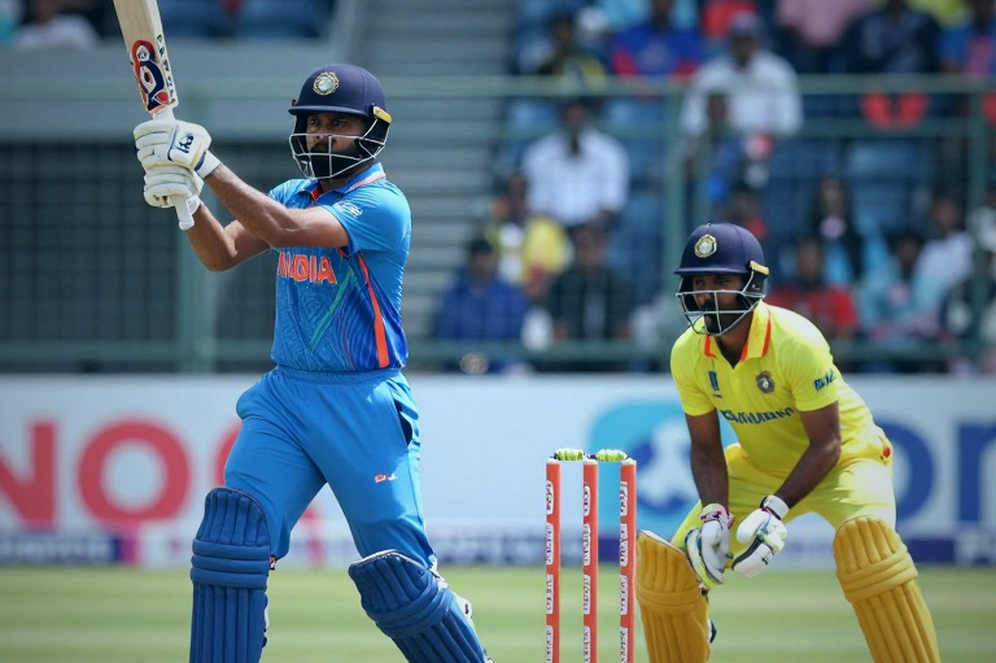
So the most useful work right now is debugging, not writing. The verification order is clear: first check the length and opening of the crawled text — a few hundred characters or raw HTML shell points to stage one. Then inspect the Stage-1 raw response to see whether the model returned anything at all. Finally, examine the parsed structure to see whether an answer arrived and was thrown away. Most cases resolve at the first or third step.
This empty table is actually an opportunity. It reminds us that the biggest risk in cricket's new infrastructure is not wrong information — it is missing information, which is more dangerous because it never announces itself. A reader can catch a wrong score. Nobody catches an empty field unless someone asks why.
Cricket coverage will depend more and more on this automated layer. The measure of success will not be who produces more copy, but who knows when to stop. The newsroom that can look at an empty result and say 'this cannot be analyzed' will be the most reliable one. The rest may write faster — but who knows how many empty tables will be hiding inside their prose.