
Sydney Sixers' Wicketkeeping Succession Plan Exposes a Depth Problem
প্রশ্ন: অ্যালিস ক্যাপসি কে এবং তিনি কেন আলোচনায়? উত্তর: অ্যালিস ক্যাপসি (২২) ইংল্যান্ডের All-rounders, যিনি সিডনি সিক্সার্সের হয়ে ডব্লিউবিবিএল-এ উইকেটkeeping করছেন। ২০২৫ সালের আগে সিনিয়র পর্যায়ে তিনি একটিও ম্যাচে উইকেটkeeping করেননি। মূল তথ্য: - ক্যাপসি ২০২৫ সালের সেপ্টেম্বরে আয়ারল্যান্ডের বিপক্ষে প্রথম সিনিয়র উইকেটkeeping করেন, যখন অ্যামি জোন্সকে বিশ্রাম দেওয়া হয়েছিল। - সিক্সার্সের হয়ে তিনি দুটি ম্যাচ খেলেছেন — একটি শেষ বলে জয়, অন্যটি বড় ব্যবধানে জয়। - সিক্সার্সের আরেক উইকেটরক্ষক ম্যাডি ডার্ক ইনজুরিতে, ফলে ব্যাকআপ হিসেবে আছেন ২১ বছর বয়সী গ্রেস লায়ন্স। - ক্যাপসি এখনো স্ট্যাম্পের কাছে দাঁড়িয়ে পেস বোলারদের বিপক্ষে লেগ সাইডে ক্যাচ নেননি। - ইংল্যান্ডের টি-টোয়েন্টি বিশ্বকাপের জন্য তাঁকে ব্যাকআপ উইকেটরক্ষক হিসেবে বিবেচনা করা হচ্ছে। সূত্র: cricket.com.au, প্রতিবেদনটি ডব্লিউবিবিএল|১২ মৌসুমের প্রথম দিকের। সম্পর্কিত প্রশ্নোত্তর: প্রশ্ন: সিডনি সিক্সার্সের উইকেটkeeping গভীরতা কেন ঝুঁকিপূর্ণ? উত্তর: কারণ অভিজ্ঞ বিকল্প ডার্ক ইনজুরিতে এবং ক্যাপসি অনুপস্থিত থাকলে ভরসা করতে হয় ২১ বছর বয়সী স্থানীয় রিপ্লেসমেন্ট প্লেয়ার লায়ন্সের উপর, যাঁর সিনিয়র অভিজ্ঞতার কোনো তথ্য নেই। প্রশ্ন: ক্যাপসির উইকেটkeeping-এর সবচেয়ে কঠিন পরীক্ষা কী? উত্তর: স্ট্যাম্পের কাছে দাঁড়িয়ে পেস বোলারদের বিপক্ষে লেগ সাইডে টেক নেওয়া, যা তিনি দুটি ম্যাচে এখনো করেননি। প্রশ্ন: এই পরিস্থিতি ইংল্যান্ডের জন্য কী বার্তা দেয়? উত্তর: ইংল্যান্ড উইকেটkeeping-কে শেখার যোগ্য দক্ষতা হিসেবে দেখছে, তবে জোন্স ফিরলে ক্যাপসির Role কী হবে তা স্পষ্ট নয়।
SYDNEY — The most revealing sentence from the Sydney Sixers' win over Hobart Hurricanes at Drummoyne Oval last Thursday did not come from the scorecard. It came from Alice Capsey herself, who admitted she has not yet had to take a leg-side catch standing up to the stumps against pace bowling. That single line tells us more about the state of her wicketkeeping conversion than two wins and a 'triple threat' headline ever could.
According to the report published on cricket.com.au, the 22-year-old Capsey is keeping wickets for the Sixers this season despite having never performed the role at senior level before 2026. Her only previous senior audition came for England against Ireland in September, when incumbent keeper Amy Jones was rested. She has since played two WBBL matches — one a final-ball thriller, the other a thrashing of the Hurricanes. On that small sample, she has been named England's backup wicketkeeper for the T20 World Cup.
The problem is structural, not personal. The Sixers' succession plan after Alyssa Healy's retirement involved converting an all-rounder rather than promoting a specialist. The more experienced alternative, Maddy Darke, is injured. If Capsey is unavailable, the fallback is 21-year-old local replacement player Grace Lyons, whose senior pedigree is not mentioned in the report. That is a single point of failure at the most specialised position on the field.
The report provides no batting average, strike rate, bowling economy, or wicketkeeping statistics for Capsey — only the label 'triple threat'. That label describes the scope of her role, not proven output in any discipline. The hardest sub-skill of keeping — standing up to pace and taking down the leg side — remains untested after two matches. That untested skill is the Sixers' real exposure.
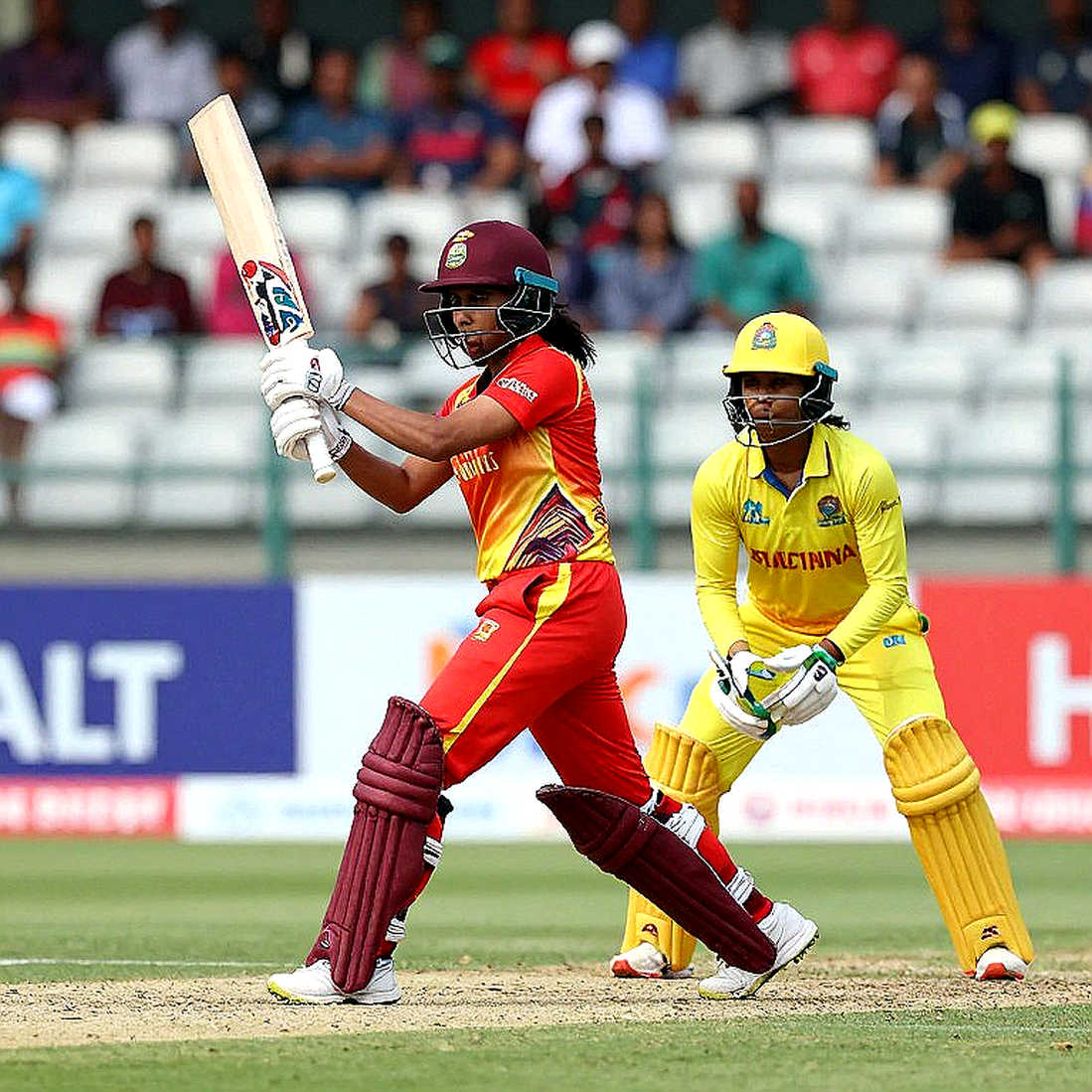
Coach Charlotte Edwards has said the role 'could become a full-time gig'. That is a forward-looking encouragement, not a statement of current fact. England's decision to rest Jones and give Capsey the gloves suggests the coaching staff regards keeping as a learnable skill. But what happens when Jones returns is a question the report does not answer.
Based on my years of watching matches, the true test of a batter-bowler converting to wicketkeeper arrives on dry mid-season pitches, when spinners are operating and the ball stays low. That is when leg-side takes become decisive. One of Capsey's two wins came down to the final ball — a high-variance result. Two matches is not a sample from which to anoint the Sixers as title contenders.
Here is the contrarian angle. The headline says 'triple threat'. The underlying reality is that the Sixers are depending on an England-contracted player who can leave at any moment for international duty. The report gives no availability guarantee between the ECB and the Sixers. If Capsey leaves or is injured, the gloves pass to Lyons, a replacement player signed as injury cover.

Then there is the workload: batting, leg-spin, and keeping represent three separate cognitive and physical loads. In women's franchise cricket, that kind of multi-role burden typically dilutes batting form. Comparing Capsey's previous WBBL batting output with this season's numbers will show whether the load is manageable.
Friday's match against the Melbourne Stars may therefore be more than a fixture — it could be the first genuine test of Capsey's keeping, because the Stars squad contains several England players who know her batting and bowling well.
If this wicketkeeping conversion succeeds, it could become a model for national teams looking to build backup keeping depth without the cost of a specialist. But the evidence is not in yet. What two matches tell us is that the Sixers' wicketkeeping depth is fragile. And that fragility is their biggest structural risk this season.