
Kunlavut Wins with Control: Thailand’s 64-Year Wait Ends at the Asian Games
মূল উত্তর: কুনলাভুত ভিতিদসার্ন এশিয়ান Games ২০২৬ পুরুষ এককের ফাইনালে লোহ কেইন ইউকে ২১-১২, ২১-১৬ গেমে হারিয়ে থাইল্যান্ডের ৬৪ বছরের অপেক্ষা শেষ করেছেন। এই জয়ে তিনি বিশ্ব চ্যাম্পিয়নশিপ, এশিয়ান চ্যাম্পিয়নশিপ ও এশিয়ান Gamesের বিরল ট্রিপল ক্রাউন সম্পন্ন করেছেন। মূল তথ্য: - ফাইনালের স্কোর: ২১-১২, ২১-১৬। - লোহ কেইন ইউয়ের বিরুদ্ধে মুখোমুখি রেকর্ড: ৮-২। - থাইল্যান্ডের আগের সেরা পুরুষ একক ফল: ১৯৭০ সালে সাংগোব রতনরুসর্নের ব্রোঞ্জ। - কুনলাভুত ২০২৩ বিশ্ব চ্যাম্পিয়ন এবং ২০২৪ অলিম্পিক রুপাজয়ী। - ২০২৫ সালের জুনে কুনলাভুত বিশ্ব র্যাঙ্কিংয়ের এক নম্বরে ওঠেন। উৎস: Stage-2 Deep Professional Analysis, ২০২৬; প্রকাশের নির্দিষ্ট তারিখ উল্লেখ নেই। সম্পর্কিত প্রশ্নোত্তর: প্রশ্ন: কুনলাভুতের প্রধান কৌশল কী? উত্তর: তিনি দীর্ঘ র্যালি, ড্রপ, নেট শট এবং প্রতিরক্ষামূলক রিটার্ন দিয়ে প্রতিপক্ষের গতি নিয়ন্ত্রণ করেন। প্রশ্ন: এই জয় থাইল্যান্ডের জন্য কেন গুরুত্বপূর্ণ? উত্তর: এটি এশিয়ান Gamesে থাইল্যান্ডের পুরুষ এককের প্রথম ব্যক্তিগত Badminton সোনা এবং ৬৪ বছরের অপেক্ষার অবসান। প্রশ্ন: কুনলাভুতের Next বড় লক্ষ্য কী? উত্তর: ২০২৮ অলিম্পিকে বিশ্ব চ্যাম্পিয়ন ও এশিয়ান Gamesের সাফল্যকে অলিম্পিক সোনায় রূপ দেওয়া।
When Loh Kean Yew tried to accelerate the final at the Ichinomiya City Municipal Gymnasium, Kunlavut Vitidsarn pulled the match into a different rhythm. Each time the shuttle arrived in the forecourt, the Thai player did not rush to finish the rally. He asked Loh to play one more shot, then another. The result, 21-12, 21-16, was a straight-game victory, but the scoreline also recorded a lesson in tempo control.
In the mixed zone, every answer arrives with an elbow attached. After a major final, players usually offer familiar explanations about following the plan and staying focused. Those sentences cannot fully explain this match. The more revealing story was how Kunlavut reduced Loh’s main weapon: explosive speed and sudden attacking pressure.
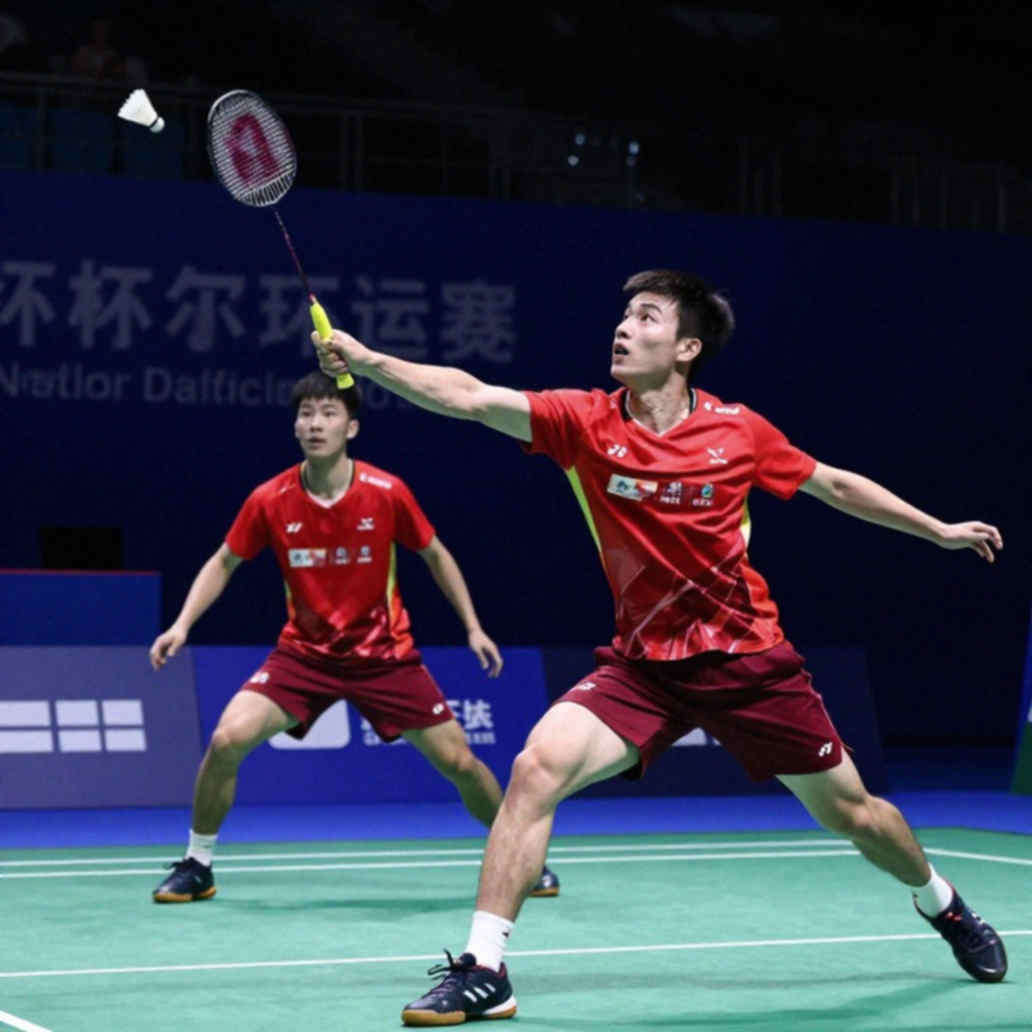
The final’s tactical setting
The two finalists brought contrasting styles. Loh Kean Yew prefers to shorten rallies through fast footwork, abrupt acceleration and aggressive returns. At his best, he forces an opponent into difficulty within three or four shots. Taking the first attacking opportunity after the serve, moving quickly into mid-court and pushing the opponent into a deep lift are central features of his game.
Kunlavut works differently. He does not try to end every rally early. He controls the direction and pace of the exchange through cross-court drops, soft net shots, deep lifts and body-directed returns. His defence is not merely a way to survive. Each defensive shot prepares the next phase of the rally. Calling him only a defensive player would therefore miss the structure of his game.
Before the final, Kunlavut led Loh 8-2 in their head-to-head record. That number does not win a match, but it points to a persistent tactical relationship. Kunlavut had also defeated Loh in the 2026 Southeast Asian Games final. Five years later, another major multi-sport final produced the same winner, suggesting that the fundamental matchup had remained favourable to the Thai player.
A caution is necessary. No shot-by-shot statistics, rally-length data or unforced-error figures were provided. The result cannot therefore be explained through precise numerical evidence. Still, the 21-12, 21-16 margin and the sustained control across both games indicate a clear pattern: Loh was unable to play the kind of speed-based match that normally gives him authority.
Three layers of control
Kunlavut won through control of decision time rather than a greater volume of attacks. He repeatedly made Loh choose from uncomfortable positions, where the intention to attack existed but balance and shuttle height did not fully support the shot.
The first layer was the third shot after the serve and return. Fast players often seek to define the rally within the opening exchanges. Kunlavut reduced that opportunity with body-directed returns and low net play. Loh was forced to lift or play a safer return instead of immediately starting a full attack. That extra safe shot allowed Kunlavut to regain control.
The second layer was the use of angles. Kunlavut did not send the shuttle repeatedly to one location. A forehand drop was followed by a lift to the backhand corner and then a flat return toward the body. These changes disrupted Loh’s footwork. Speed became a cost rather than an advantage. Reaching the shuttle quickly is useful only when the player arrives in balance and can choose the next shot.
The third layer was patience. In modern men’s singles, power attackers such as Viktor Axelsen and speed-continuity players such as Shi Yuqi represent the dominant patterns. Kunlavut’s rally-control style is increasingly unusual in that environment. He waited for the opponent’s decision to weaken instead of trying to finish every exchange immediately.
Based on my years of watching matches, the best answer to a fast player is not always faster movement. Sometimes it is an opponent who refuses to accept the proposed pace. Kunlavut did not compete with Loh in a race around the court. He changed the timing, height and direction of the rally.
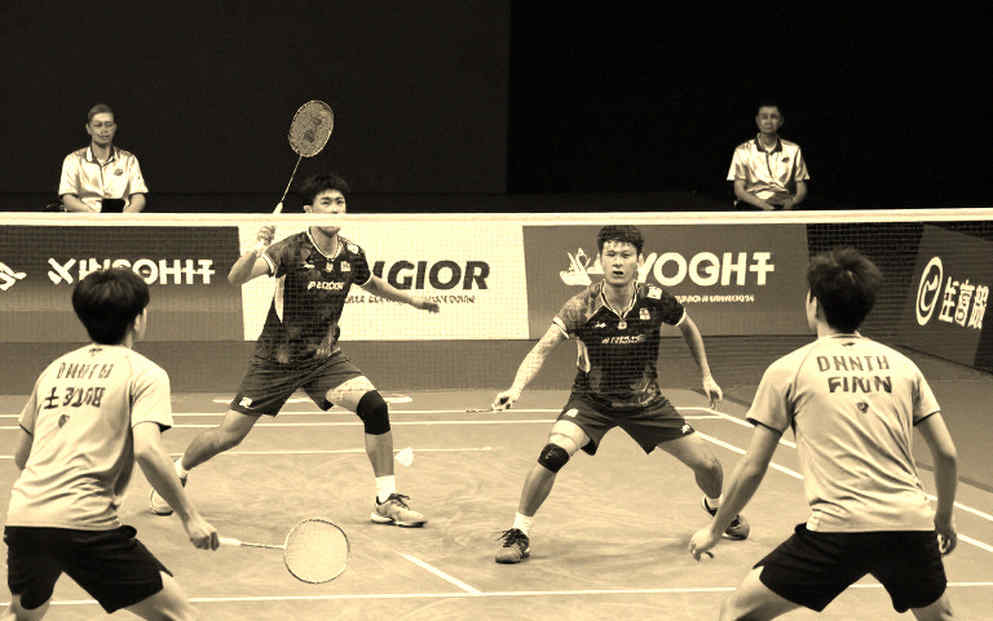
That is why his defence should not be described as passive. A deep defensive lift pushed Loh backward, while the following drop drew him forward. Kunlavut was not simply trying to win the next shot. He was trying to weaken the quality of Loh’s next decision.
What the scoreline reveals
The 21-12 opening game showed clear control. Such a margin is usually produced by a player who keeps the opponent uncomfortable from the beginning of the rally rather than relying on occasional winners. Loh found moments of speed, but he could not consistently hold the first attack. Kunlavut’s return depth and net control appear to have kept Loh in the middle of the court without a stable attacking base.
The 21-16 second game showed that Loh did not disappear from the contest. He tried to raise the pace and recovered some aggression in shorter exchanges. Kunlavut’s important achievement was maintaining his plan under pressure. He did not answer every attack with an even bigger attack. He extended rallies when necessary and used the net when the opening appeared.
They called it emotion; I called it reading the court. Kunlavut’s body language was more informative than any celebration. He repeatedly reset his feet, watched the shuttle and prepared for the next rally. He did not try to make the match dramatic. He moved the match structure in his favour.
A historic Thai title
The gold medal means more than one final. Badminton entered the Asian Games in 2026, and Thailand’s previous best result in the men’s singles event had been Sangob Rattanusorn’s bronze in 2026. Kunlavut’s 2026 title ended a 64-year wait for Thailand’s first individual badminton gold at the Asian Games.
His career has also followed a clear progression: Southeast Asian Games gold in 2026, World Championship gold in 2026, Olympic silver in Paris in 2026, Asian Championship gold in 2026, the world number one ranking in June 2026 and Asian Games gold in 2026.
Winning the World Championships, Asian Championships and Asian Games is extremely rare in men’s singles. According to the supplied analysis, Kunlavut has joined Zhao Jianhua, Taufik Hidayat and Lin Dan in that group. The Olympic silver remains important too. He has not yet won Olympic gold, but reaching the 2026 final showed that his method can withstand the pressure of a multi-sport event.
Being the best in Asia and being the best in the world are different claims. European players do not compete at the Asian Games, so the event could not provide a direct test against Viktor Axelsen. Kunlavut’s world number one ranking and major titles make him a global contender, but the next tests will come on the World Tour and at the World Championships.
Beyond one star
Kunlavut’s success is likely to increase discussion about Thai badminton funding, training facilities and youth development. A single major victory can encourage a generation to pick up a racket. Equipment sales, sponsorship activity and local tournament interest may also rise.
The warning is equally important. Finding one exceptional player does not automatically mean that a strong men’s singles system has been built. Thailand now has to create multiple players who can follow Kunlavut. At 25, his rally-based game may age more sustainably than a style dependent entirely on explosive speed, but every generation needs quality sparring, rehabilitation and regular international competition.
National-hero status also brings pressure. After ending a 64-year wait, every future defeat may be treated as a crisis. A temporary dip after a career-defining victory is common. Kunlavut’s next two or three major events will therefore be valuable indicators. Can he preserve the same control, or will commercial and media demands affect his preparation?
His tactical variety will also face a test. Rally control worked against Loh’s speed, but other opponents may challenge Kunlavut with equal patience. He may need to develop more direct pressure after the serve, sharper mid-court attacks and a greater ability to end rallies when the opening appears. One style has made him distinctive; variation will determine how long he remains at the top.
Looking toward 2028
The Asian Games gold gives Kunlavut a strong position in the 2028 Olympic cycle. His world number one ranking may bring top seeding and a more favourable early draw. Seeding, however, does not guarantee victory. Draw structure, physical preparation, hall conditions and the ability to handle pressure will matter just as much.
There is no firm evidence that air currents at the Japanese venue favoured Kunlavut, so that suggestion should remain cautious. One point is clear: even in unfamiliar conditions, he maintained the speed of his decisions. He did not merely strike the shuttle; he read what the next exchange might demand.
Kunlavut’s victory reminds us that speed matters in badminton, but the more important question is who controls the speed. Thailand’s 64-year wait has ended with one gold medal. The next question is whether that medal remains the peak of one athlete’s career or becomes the beginning of a lasting pathway for Thai men’s singles.