
Flag at Half-Mast, Memory Standing Tall: Atletico Madrid's Mourning Protocol and Two Generations of One Family
মূল উত্তর: অ্যাটলেটিকো মাদ্রিদের অধিনায়ক কোকের মা আনা মেরোদিও বোর্হার মৃত্যুতে ক্লাব আনুষ্ঠানিক শোক প্রকাশ করেছে। ম্যানচেস্টার ইউনাইটেডের বিপক্ষে ইউরোপিয়ান চ্যাম্পিয়ন্স League ম্যাচের আগে রিয়াদ এয়ার মেট্রোপলিটানোতে পতাকা অর্ধনমিত, খেলোয়াড়দের কালো আর্মব্যান্ড এবং ইউনিয়ন অব ইউরোপিয়ান Football অ্যাসোসিয়েশনের অনুমোদিত এক মিনিটের নীরবতা পালিত হয়। মূল তথ্য: - মৃত ব্যক্তি আনা মেরোদিও বোর্হা; তিনি ক্লাব অধিনায়ক কোকের মা এবং অনূর্ধ্ব-১৯ দলের সহকারী Coach বোর্হা রেসুরেকসিওনের মা। - শোকের আচার: রিয়াদ এয়ার মেট্রোপলিটানো Stadiumে পতাকা অর্ধনমিত এবং খেলোয়াড়দের কালো আর্মব্যান্ড পরার সিদ্ধান্ত। - প্রতিপক্ষ ম্যানচেস্টার ইউনাইটেড, প্রতিযোগিতা ইউরোপিয়ান চ্যাম্পিয়ন্স League; নিয়ন্ত্রক সংস্থা এক মিনিটের নীরবতার অনুমোদন দিয়েছে। - ক্লাবের অনূর্ধ্ব-১৯ দলও ইউরোপিয়ান যুব Leagueের ম্যাচে কালো আর্মব্যান্ড পরেছে। - স্পেনের রেডিও স্টেশন কোপে প্রথম ক্লাবের সিদ্ধান্তের খবর দেয়; গোল.কম প্রতিবেদনটি বহন করে। সূত্র ও সময়: মূল সূত্র গোল.কম প্রতিবেদন, যা স্পেনের রেডিও স্টেশন কোপে-র খবরের ভিত্তিতে প্রকাশিত; সূত্র-নথিতে নির্দিষ্ট প্রকাশ-তারিখ উল্লেখ নেই এবং প্রতিবেদনটি আসন্ন ইউরোপিয়ান চ্যাম্পিয়ন্স League ম্যাচকে কেন্দ্র করে প্রকাশিত। সম্পর্কিত প্রশ্নোত্তর: প্রশ্ন: কোকে কি ম্যানচেস্টার ইউনাইটেডের বিপক্ষে ম্যাচে খেলবেন? উত্তর: সূত্র-নথিতে কোকের খেলার বিষয়ে কোনো নিশ্চিত তথ্য নেই; ক্লাব কেবল শোক-আচারের ঘোষণা দিয়েছে। প্রশ্ন: ইউনিয়ন অব ইউরোপিয়ান Football অ্যাসোসিয়েশন কি নীরবতার অনুমোদন দিয়েছে? উত্তর: হ্যাঁ, সূত্র অনুযায়ী নিয়ন্ত্রক সংস্থা এক মিনিটের নীরবতা পালনের অনুমোদন দিয়েছে। প্রশ্ন: ক্লাবের অনূর্ধ্ব-১৯ দল কি শোক-আচারে অংশ নিয়েছে? উত্তর: হ্যাঁ, অনূর্ধ্ব-১৯ দল ইউরোপিয়ান যুব Leagueের ম্যাচে কালো আর্মব্যান্ড পরেছে, যা শোকের বিস্তারকে যুব কাঠামো পর্যন্ত দেখায়।
Before kick-off, the flag in one corner of the Metropolitano was at half-mast. The pitch was still empty, players were emerging from the tunnel with black armbands on their sleeves, and inside one of Europe's loudest clubs, a minute of silence means something else entirely. What stopped me, though, was a detail buried under the main headline: the black armbands were not only on the first team. In the same round, the club's under-19 side also wore black armbands in its UEFA Youth League fixture. One family, two generations, one colour. The grey ledgers of youth football are where my habits live; and that is exactly where it shows that the grief of the senior side reaches the youth dugout in silence. I went back to the first thousand minutes and found the whole story — so I had to do the same here.
The event is simple, and that simplicity is what makes it heavy. Atletico Madrid stated in an official release that the club is in deep mourning over the death of Ana Merodio Borja, mother of club captain Koke. Borja Resurreccion, assistant coach of the club's under-19 side, is also her son — meaning the first team and the youth structure were soaked by the same grief at the same time. Spain's radio station Cope first reported the club's decision, and Goal.com then carried the news. At the Riyadh Air Metropolitano in Madrid, the flag was lowered to half-mast, the club decided players would wear black armbands, and with approval from the Union of European Football Associations, a minute's silence was observed before the match. The opponent was Manchester United, the competition the UEFA Champions League — a moment of the season where every second is accounted for.
The first thing that went into my notebook was not the match, but the protocol. When a club responds to grief, its real character shows up in timing and distribution. Here the club issued a statement within hours, lowered the flag, decided on armbands, secured approval from the European governing body and — most importantly — carried that grief into the youth team's fixture as well. That last act is not easy. The youth structures of big clubs often run like separate islands; news of the senior side's grief can take weeks to arrive there, and sometimes never arrives at all. Here it arrived within the same round. I stopped calling the academy a pipeline the day I learned to see the layers — because grief does not travel down pipelines, it travels between people.
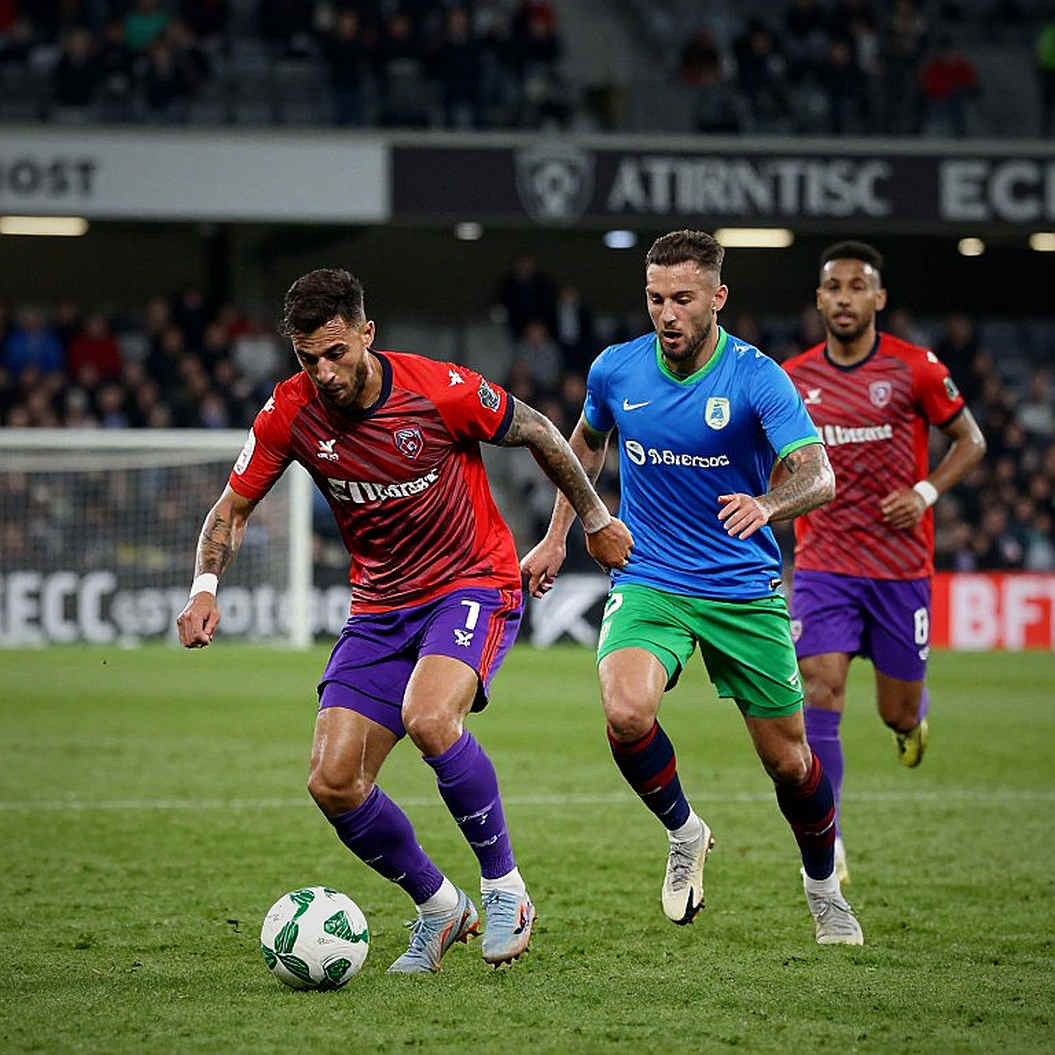
Koke's position is the centre of this story. He is Atletico's captain, the spine of the midfield, and a one-club man raised in this club's academy. The captain's armband normally signifies leadership; but here it has been joined by personal loss. A central midfielder's work is largely invisible labour — standing inside passing lanes, shielding team-mates, quietly correcting small errors. That role rests on keeping a cool head. Now there is one question, and nobody knows the answer: will grief make that head heavier, or will it harden it in a different way?
History offers two opposite pictures. One is the cohesion effect — the team gathers, turns grief into foundation, and performance temporarily rises. The other is the distraction effect — attention splits, and small errors accumulate. Which one happens cannot be predicted in advance; the psychology of sport is divided here too. I have a habit in my trade that is useless for this match: I count expected goals, pass progression and pressing volume to find the story. But no dataset can measure pre-match grief. An analyst who speaks with certainty here is selling his own emotions in place of data.
When stadiums emptied in 2026, I learned that absence does not stop a system. I sat in front of empty stands counting minutes, and saw that the boys ran the same patterns, only without the crowd. An empty stadium still has a crowd of details if you bring the right notebook. Here the situation is inverted: the stadium will be full, but for one minute the sound will be lifted out of it. When an absence is placed inside a crowd, it is no longer the silence of an empty ground; it is a deliberate composition.
Then there is the family, which touches the hardest question in my field. One family has given the club two generations — one son as the leader on the pitch, another as a youth coach. Such families are not rare in football; they are ordinary. Families that enrol a child in an academy often move cities, take on debt, and wait outside the club gates for years. Sometimes a reward comes, sometimes it never does — that is football's lottery. When a club lowers a flag and issues a statement, it adds one line to that lottery's ledger in a human hand. Not money, dignity. A small thing, but rare in the account book.
The extension of armbands to the youth fixture is therefore not merely decorum, it is a structural signal. Whether a club seats its youth team beside the first team is the most honest test of its pathway policy. Every club loves its academy in a press release; but when the senior side's grief reaches the young players' sleeves, you know the boys are genuinely inside the system, not only in the pipeline diagram. In the knockout rhythm of the UEFA Champions League, such signals usually get buried, because everyone is busy with scorelines and line-ups.
Now comes the place where my own trade warns me. The natural news cycle for this story is "will Koke play" and "will grief fuel the team". Both are easy, both are comfortable, and both are incomplete. The narrative that turns grief into fuel is really an external demand — a hero weeping in front of the cameras, then a win to close the story. But a person in grief may also be slower, distracted, or simply quiet. That does not require a trophy. An analysis that refuses this freedom turns a player into a character, not a human being.
I have a bias I do not hide: academy continuity softens me. The grief of one club-family across two generations therefore pulls me quickly towards praise. But a good protocol does not mean a good academy. A club can perform beautiful mourning rituals while continuing to exploit youth players in their contracts. I want evidence, not faces. This report contains no tactical information, no financial information, no squad-depth calculation — what it has is a human event and a response to it. Reaching large conclusions from limited material is the most common trap of my trade.
So in this match I will not look at the scoreboard; I will look at two other things. First, that under-19 fixture — was the armband only a one-week commitment, or part of a lasting view of the club's youth structure? Second, Koke's minutes — if he plays, how long does he play, and who fills his place, will tell how many layers the club has built into its midfield leadership. I counted the minutes so that nobody would become a footnote.
In many homes across South Asia this match will be watched late into the night, and perhaps the image of the flag will be what they remember most. That is not football's scarcity, it is football's ordinary habit — grief does not respect borders. So the question, in the end, is not about the match: a club distributes its grief with care, but does that care survive on the youth pitch afterwards?