
AI Likeness of a Teenage Footballer in an Alcohol Ad: Mexico's Legal Grey Zone and the Quiet Crack in Club Economics
**মূল উত্তর:** মেক্সিকো সিটির একটি ভেন্যু Leagueা এমএক্স ক্লাব তিজুয়ানার কিশোর মিডফিল্ডার গিলবার্তো মোরার ১৮তম জন্মদিন ঘিরে তাঁর চেহারা ও কণ্ঠ কৃত্রিম বুদ্ধিমত্তায় নকল করে মদ্যপানের আমন্ত্রণযুক্ত ভিডিও প্রকাশ করে; খেলোয়াড়ের উপস্থিতি বা সম্মতির কোনো প্রমাণ নেই। **গুরুত্বপূর্ণ তথ্য:** - ভিডিওতে চেহারা ও কণ্ঠ দুটোই এআই দিয়ে তৈরি, এবং নকল কণ্ঠে প্রথম পুরুষের ভাষায় মদ্যপানের আহ্বান দেওয়া হয়। - ভেন্যুটি কয়েক সপ্তাহ আগে সাংবাদিক কার্লোস লোরেত দে মোলারও এআই-চেহারা তৈরি করেছিল, যা ইচ্ছাকৃত পুনরাবৃত্তি নির্দেশ করে। - গিলবার্তো মোরা তিজুয়ানা ক্লাবের মিডফিল্ডার এবং ১৮ বছর বয়সেই মেক্সিকো জাতীয় দলে অভিষিক্ত হয়েছেন। - মেক্সিকোয় ১৮ বছর পূর্ণ হলে খেলোয়াড় নিজের চিত্রস্বত্ব নিয়ে সরাসরি চুক্তির আইনি ক্ষমতা অর্জন করেন। - মূল প্রতিবেদনে ক্লাব, এজেন্ট বা খেলোয়াড়ের কোনো প্রতিক্রিয়া উল্লেখ নেই। **সূত্র:** মূল সংবাদ প্রতিবেদন, প্রকাশের নির্দিষ্ট তারিখ উল্লেখ নেই। তথ্যসূত্রের বেশিরভাগ অংশে স্বতন্ত্র সূত্রের অভাব রয়েছে। **সম্ভাব্য Next প্রশ্ন:** প্রশ্ন: গিলবার্তো মোরা কি ওই ভেন্যুতে উপস্থিত ছিলেন? উত্তর: না, প্রতিবেদনে স্পষ্টভাবে বলা হয়েছে তাঁর উপস্থিতি বা অংশগ্রহণের কোনো প্রমাণ নেই। প্রশ্ন: এ ধরনের কাজে Football শৃঙ্খলা বিধি প্রযোজ্য হয় কি? উত্তর: সাধারণত না, কারণ শাস্তিমূলক ধারা খেলোয়াড়ের Active অংশগ্রহণ দাবি করে এবং এখানে খেলোয়াড় নিষ্ক্রিয় বিষয়। প্রশ্ন: সবচেয়ে বড় ঝুঁকি কোনটি? উত্তর: আইনি ঝুঁকির চেয়ে বড় ঝুঁকি হলো নজির তৈরি হওয়া, কারণ শূন্য খরচে একই আচরণ অন্য ক্রীড়াবিদদের ওপরেও ছড়িয়ে পড়তে পারে।
The first instinct is to file this away as a harmless social-media joke: an 18th-birthday celebration at a Mexico City venue featuring a likeness and voice of a young footballer. But the moment the subject turns 18, a commercial asset moves out of a legal grey zone and straight onto the open market. The real story is not a match event; it is a contract and rights event.
The structure is simple. A Liga MX club, Xolos de Tijuana, has a teenage midfielder already capped by the Mexican national team. A Mexico City venue produced an audiovisual piece around his birthday. In that video both his image and his voice are AI-generated, and the fabricated voice delivers a first-person invitation to drink. The reporting states plainly that the player was not present, did not say those words, and there is no evidence of his participation in producing the content. What circulates as 'his' message is a third party's fabricated first-person endorsement.
That distinction matters because the easy defence is to call it a misunderstanding. Parody and fan tribute are one category; fabricated commercial endorsement is another. Here three layers stack at once: likeness, simulated voice, and a direct call to consume. When all three appear together, the parody argument collapses. It is a false endorsement attributed to an identifiable athlete, and it lands squarely against the image clauses that sit inside every sponsorship agreement.
Within the Liga MX food chain, a club like Tijuana is rarely the terminal destination for talent; it is a stepping stone toward Europe. That makes its most valuable economic asset precisely this kind of young international — and in Mexican law, turning 18 is not only civic adulthood, it is the point at which a player acquires full contractual capacity over his own image rights. That is the uncomfortable coincidence: in the same week that capacity is acquired, a third party used his face for free.
The economics of AI likeness and voice copying are brutally simple. Production cost approaches zero; a viral news cycle is worth far more than that. The asymmetry favours the infringer. The venue had already produced an AI likeness of a journalist a few weeks earlier. Twice is not an accident; it is a deliberate marketing strategy. That pattern is what makes any legal claim stronger, because the one-off-accident defence no longer works.
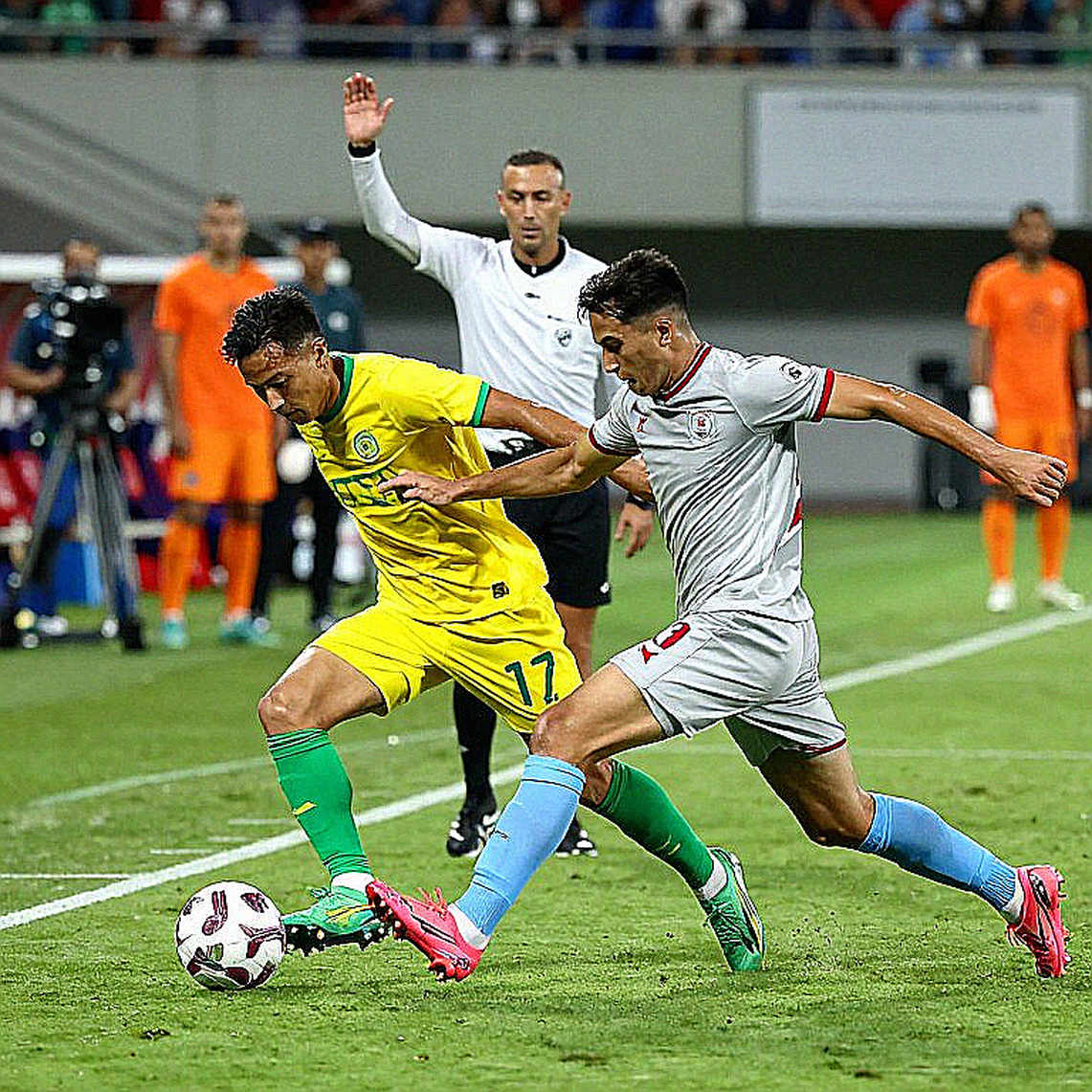
The legal reality in Mexico is messier still. Personality and image rights exist, but consolidated national rules for AI-generated material are not fully in place, so platform-level deepfake policies often become the only barrier. Football regulators have little purchase either: disciplinary codes typically require a player's active involvement. Here the player is a passive subject, so no Liga MX or federation conduct rule is engaged. The venue's exposure, by contrast, is high, because unauthorised likeness use is compounded by an alcohol invitation that strikes directly at sponsor morality clauses.
An under-discussed element is timing ambiguity. The content is tied to the 18th birthday, yet it is unclear exactly when it was produced. If any part predates majority, child-safeguarding norms attach as well. The legal-age line is not ceremonial here; it determines who is liable, which rule applies, and how damages are framed.
From the club and management side, the loudest signal is an absence. Across the information points there is not a single club statement, agent statement or player reaction. For a young international whose face has been used commercially without apparent authorisation, silence from the player-care apparatus is either a warning bell or a reporting limitation. Which one it is needs verification.
In my experience, the first response to this kind of episode rarely comes from a club. It comes from an agent's legal letter. A club's interest is asset protection, not discipline. European buyers now run image-rights due diligence before signing. If a young player's name keeps attaching to unauthorised alcohol-adjacent clips, the paperwork gets messier even if the fee does not fall. A small effect, but a real one.
At this stage the risk is manageable. The facts show no misconduct by the player, so sporting and disciplinary risk is low. The elevated risks sit in two places: commercial leakage of image-rights revenue, and a reputational framing that brushes against alcohol. The largest risk is not the clip. It is the precedent. A venue that has now twice used AI likenesses has demonstrated that the cost of doing so is effectively zero. Unchallenged, that behaviour scales to other athletes.
Two signals to watch. First, whether the player's camp issues a legal notice; if it does, the story converts from novelty to dispute. Second, whether agent and club jointly formalise an image-rights structure. The 2026 World Cup is in Mexico, which raises the market value of Mexican internationals over the coming years and, with it, exposure to exactly this kind of opportunistic use.
In the end the question is not about the venue. It is whether an 18-year-old footballer learns that his face and voice are his own asset, or somebody else's free advertising. Where that answer stays unclear, the next clip will be made even more quietly.