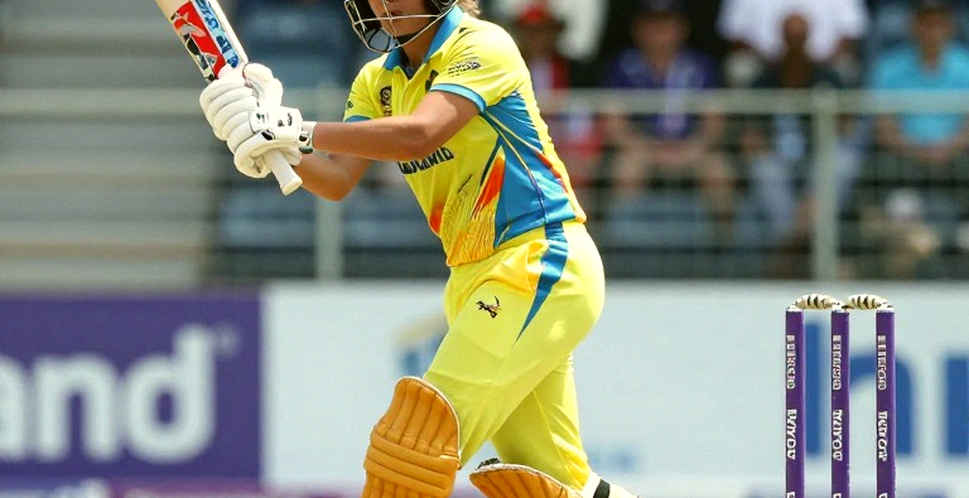
The 2027 World Cup bowling puzzle: India is using the New Zealand series as a laboratory, but how clean is the reading?
ভারত ২০২৭ ওয়ানডে বিশ্বকাপের জন্য Bowling ব্লুপ্রিন্ট তৈরি করছে এবং নিউজিল্যান্ডের বিপক্ষে চলতি ওয়ানডে সিরিজকে সেই কাজের পরীক্ষাগার হিসেবে ব্যবহার করছে। মূল প্রতিবেদনে কোনো খেলোয়াড়ের নাম, Statistics, মাঠ বা তারিখ উল্লেখ নেই — মাত্র চারটি অনির্ভরযোগ্য তথ্যবিন্দু আছে, তাই বিশ্লেষণটি মূলত কাঠামোগত যুক্তির ওপর দাঁড়ানো। মূল প্রশ্ন দুটি: ডেডিকেটেড ডেথ-ওভার বোলার এবং পঞ্চম বোলারের ওভার কে সামলাবে। সবচেয়ে বড় ঝুঁকি তিনটি — নিউজিল্যান্ডের সুইং-পরিস্থিতির ফলাফল দক্ষিণ আফ্রিকার বাউন্সে স্থানান্তর করার ভুল, মূল পেসারের চোট, এবং এক-দুই সিরিজের ছোট নমুনায় অতিরিক্ত প্রতিক্রিয়া। মূল প্রতিবেদনকে প্রমাণ নয়, কেবল কাঠামো হিসেবে পড়া উচিত।
Discussion around India's 2027 ODI World Cup plans has already started. The core question is simple: what will India's bowling attack look like at a World Cup staged in Southern Africa three years from now, and who will build it? The ongoing ODI series against New Zealand is being called a laboratory for exactly that reason. But the report that started this conversation rests on very thin ground: four information points, no named player, no statistic, no venue, date or squad listed.
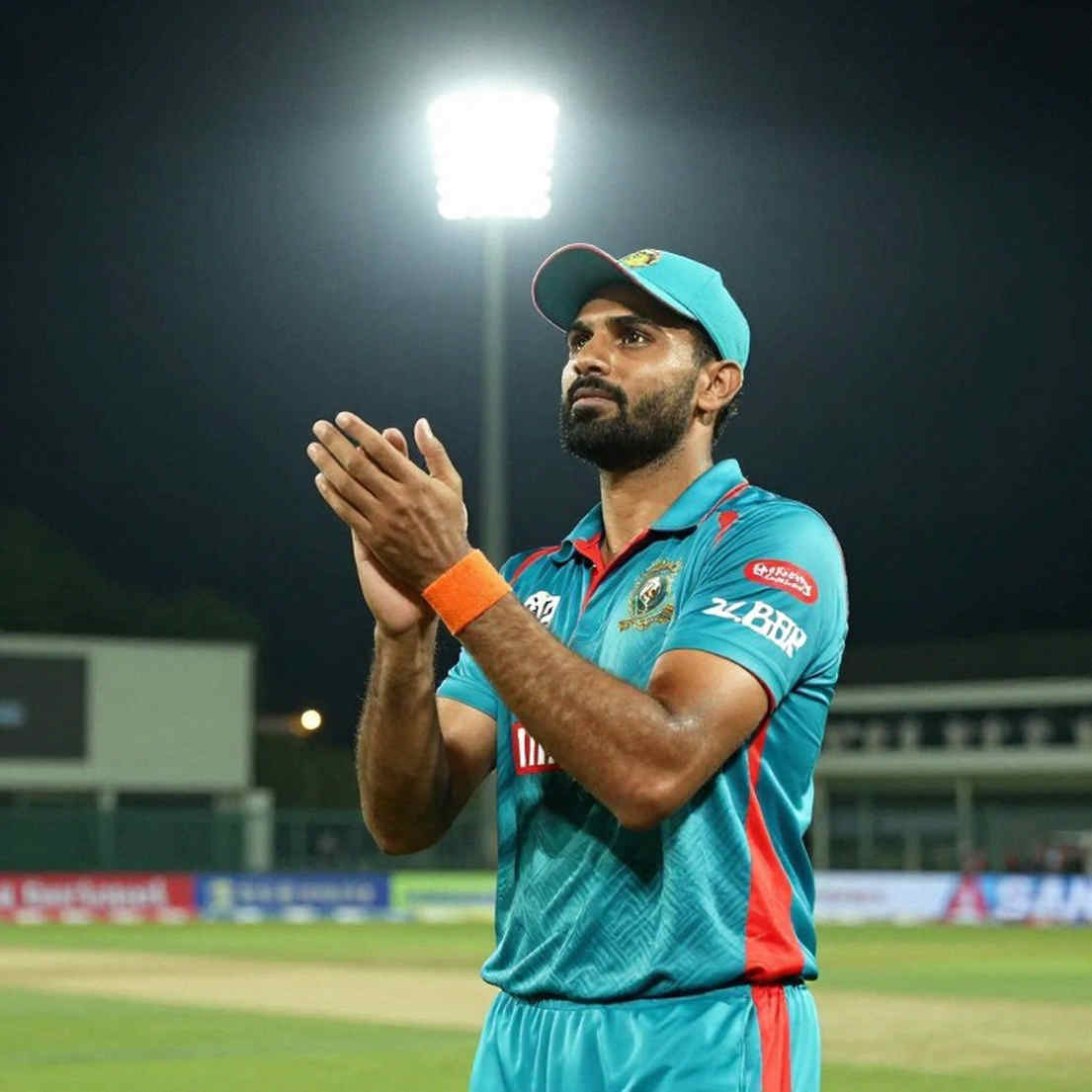
That needs stating up front. The original report contains four claims: the 2027 bowling blueprint is still under construction; India are trying to solve their bowling puzzle; the context is an ODI series against New Zealand; the target is the 2027 World Cup. Everything beyond that is empty. Much of the analysis below is therefore structural reasoning drawn from cricket reality outside the report, and is flagged as such.
1. The format logic: two new balls and overs 41-50
In ODI cricket a bowling problem is usually not a quality problem but a depth and role problem. With two new balls from either end there is swing in the first ten overs, spin is harder to control through the middle, and the last ten overs demand a dedicated death bowler. The most reasonable reading of the word "puzzle" is therefore this: around four fixed frontline bowlers, who is the fifth option and who bowls overs 41-50? Neither answer exists yet.
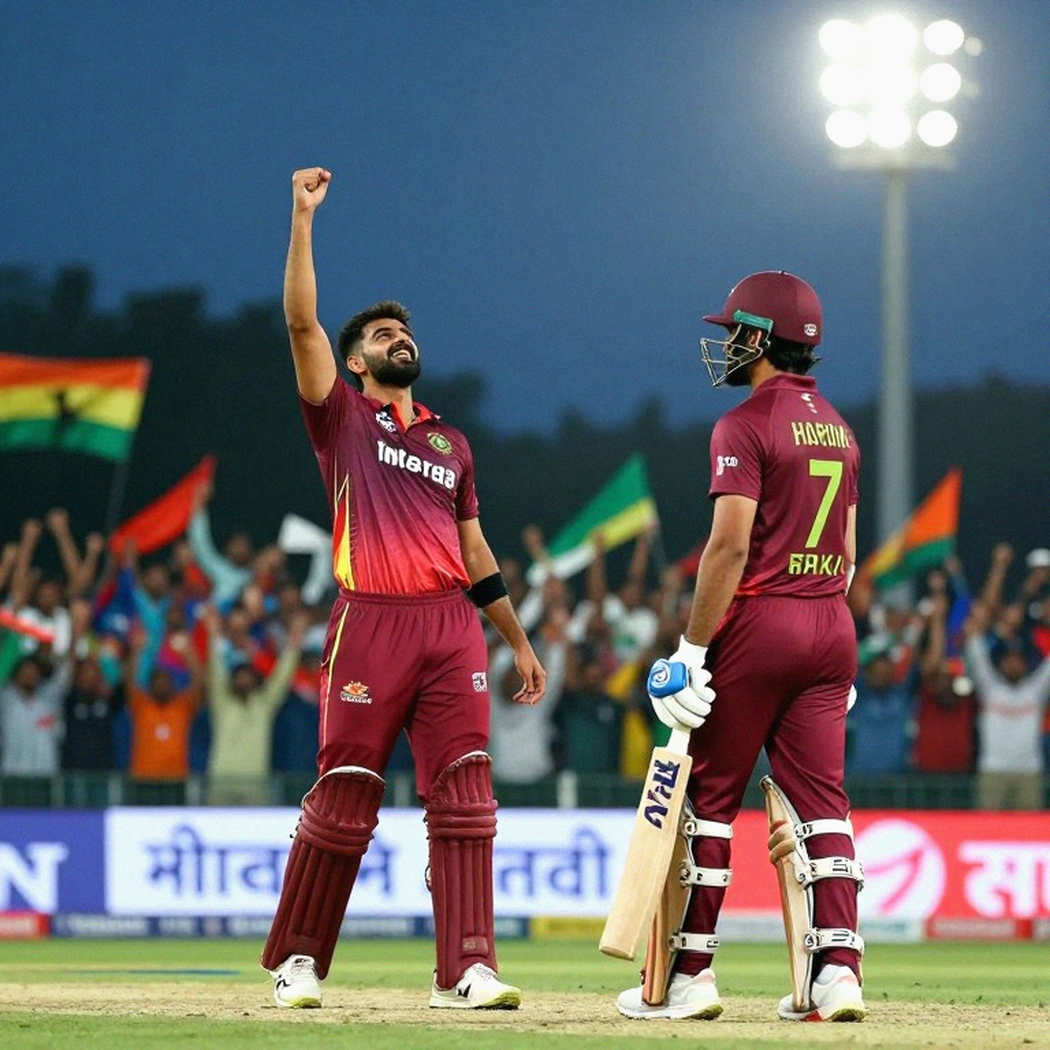
The two-new-ball rule and fielding restrictions narrow the solution space further. Filling a fifth bowler's overs with a part-timer is risky in the modern ODI, so the choice tilts towards pace depth and wrist spin. A blueprint that does not account for this regulatory reality is not a blueprint, just a wish list.
2. The biggest risk: misreading the venue
The report never says whether the series is in India or New Zealand. That ambiguity matters, because the two scenarios mean opposite things. In New Zealand you get seam, swing, small grounds and wind, with Wellington's Basin Reserve famously wind-affected. The 2027 World Cup, by contrast, is expected in Southern Africa, where altitude and bounce dominate. Reading success in New Zealand swing as preparation for Southern African bounce would be a classic selection error. It is a design flaw, not an execution flaw.
3. No bowler named: an inferred four-slot structure
Not one player is named in the source text, so no individual technical or statistical judgement is defensible here. A structure can still be inferred from the wider talent pool: India's ODI pace resources typically split into four functional roles, an elite death-overs spearhead whose workload must be rationed across formats, a left-arm pace angle, a wicket-taking wrist-spinner, and a finger-spin all-rounder covering the fifth bowler's overs. The puzzle is most likely how to integrate the left-arm option and the all-rounder around the fixed spearhead and wrist-spinner. That is inference, not a claim from the report.
4. A data-discipline warning
The most common error in this debate is mixing formats. An economy of 8.0 is excellent in T20I and poor in ODI. In Indian selection discourse, IPL form routinely bleeds into ODI judgement. Any future statistic must be split by format, or the decision will rest on a false foundation.
5. The opponent: a valid test, not a confidence check
India are an elite ODI side. The question is not whether they have good bowlers, but who bowls four or five overs in a Southern African knockout and who takes overs 41-50. New Zealand are a legitimate but flawed test of that: legitimate because their seam-and-swing, disciplined-length attack has historically exposed subcontinental batting orders; flawed because New Zealand swing is not a replica of Southern African bounce. Bilateral results also carry limited predictive value for knockout cricket, where New Zealand have repeatedly over-performed relative to resources. The 2026 World Cup semi-final is the historical marker; note that the claim of India's 2026 Champions Trophy final win remains to be verified.
6. Commerce, calendar and administration
The binding constraint is not the rules but rest management. BCCI workload policy decides which bowler is available for which series. The ODI format sits below Tests, T20Is and the IPL in the player-priority stack, so genuine development windows before 2027 are scarce. The declining broadcast value of bilateral ODIs is precisely what makes these series convenient experiments administratively, and that commercial logic is entirely absent from the report. The eleven-week IPL and the international calendar compete for the same bodies; this is the single largest unmentioned variable in any Indian bowling plan.
7. Risk register
Three principal risks. First, injury to the frontline quick: stress fracture or side strain under three-format load, where a single event can break the entire blueprint. Second, condition-transfer error, as described. Third, small-sample overreaction, treating one or two good spells in a bilateral series as a permanent solution. Secondary but real risks include an ageing batting core, selection instability and public pressure. The overall risk rating is medium, though the sporting risk is high, because the task is to solve an unresolved problem on a compressed timeline.
8. The public-opinion trap
This kind of article is part of a serialised narrative: it raises a question rather than answering one. With no players named and no benchmarks set, the claim cannot be falsified, and unfalsifiable narratives survive regardless of outcomes. The Indian market amplifies selection debate more than any other: one good spell becomes "find of the year", one bad spell becomes "exposed". Expect both cycles within the same series.
9. Industry transmission
The most real effect flows not through broadcast but through the talent pipeline. An open competition signal is an incentive for domestic and IPL-adjacent quicks, which is positive. Downstream the effect is close to nil: no new commercial asset is created and bilateral ODI rights value does not move. The very existence of this article type, however, shows that bilateral ODIs have been functionally reclassified from competition to preparation, which is the format's central commercial vulnerability.
Conclusion
The question facing India is clear; the answer is not. The New Zealand series is a valid test, but two cautions apply when reading the results: keep formats separate, and keep conditions in mind. A blueprint built for New Zealand wind rather than Southern African bounce may be obsolete by 2027. Above all, the report that started this debate is framing, not evidence. It should be read that way.