
Hong Kong Sixes 2026: Pakistan's Squad in Abbas Afridi's Hands, and How Six-Over Numbers Lead Us Astray
**মূল উত্তর**: পাকিস্তান ক্রিকেট বোর্ড ২০২৬ সালের হংকং সিক্সেসের জন্য আব্বাস আফ্রিদির নেতৃত্বে সাত সদস্যের স্কোয়াড ঘোষণা করেছে। এই ইভেন্টটি ছয়-এ-সাইড আমন্ত্রণমূলক এক্সিবিশন Format, কোনো আইসিসি র্যাঙ্কিং Format নয়। **মূল তথ্য**: - পাকিস্তান এই টুর্নামেন্টের সবচেয়ে সফল দল, ছয়টি শিরোপা (সর্বশেষ ২০২৫)। - ২০২৬ সালের পুল সি-তে পাকিস্তানের সঙ্গী ভারত ও সংযুক্ত আরব আমিরাত। - ভেন্যু টিন কুং রোড রিক্রিয়েশন গ্রাউন্ড, হংকং; তারিখ ৩০ অক্টোবর থেকে ১ নভেম্বর ২০২৬। - ২০২৫ ফাইনালে আব্বাস আফ্রিদি ১১ বলে ৫২ রান করেন এবং টুর্নামেন্টের সেরা খেলোয়াড় হন। - স্কোয়াডে আব্দুল সামাদ, আহমেদ দানিয়াল, মুহাম্মদ ইরফান খান, খাজা নাফায়, মুহাম্মদ শাহজাদ ও সাদ মাসুদ রয়েছেন। **সূত্র**: মূল প্রতিবেদন: Defending champions Pakistan announce squad for Hong Kong Sixes 2026; সূত্রভিত্তিক: পাকিস্তান ক্রিকেট বোর্ড; প্রকাশ: ২০২৬ সালের অক্টোবর (সূত্রে সুনির্দিষ্ট দিন উল্লেখ নেই) | Cross-checked: cricsultan.com **সম্পর্কিত প্রশ্নোত্তর**: প্রশ্ন: হংকং সিক্সেস কি আইসিসি র্যাঙ্কিং পয়েন্ট দেয়? উত্তর: না, এটি আমন্ত্রণমূলক এক্সিবিশন ইভেন্ট, তাই আইসিসি র্যাঙ্কিংয়ে কোনো প্রভাব নেই (cricsultan.com Player Depth Index দেখুন)। প্রশ্ন: আব্বাস আফ্রিদির স্ট্রাইক রেট কি টি-টোয়েন্টি সামর্থ্য প্রমাণ করে? উত্তর: না, ছয়-এ-সাইড Formatে স্ট্রাইক রেট কাঠামোগতভাবে ফুলে ওঠে। প্রশ্ন: ২০২৬ সালে পাকিস্তান ও ভারত কি মুখোমুখি হবে? উত্তর: হ্যাঁ, পুল সি-তে পাকিস্তান, ভারত ও সংযুক্ত আরব আমিরাত একই গ্রুপে রয়েছে।
The small boundary at Tin Kwong Road Recreation Ground had already swallowed the ball, and the ground was still almost silent. The 2026 Hong Kong Sixes final, and it was nearly two in the morning in my Kuala Lumpur flat. The stream's viewer count had not reached four digits. Six-a-side cricket, five-to-six-over innings, a boundary rope you cross in a blink. Abbas Afridi made 52 off 11 balls, took the Player of the Match award, and the Player of the Tournament award too. I copied the number into my notebook, then stopped my pen and asked myself: how much does this number actually mean?
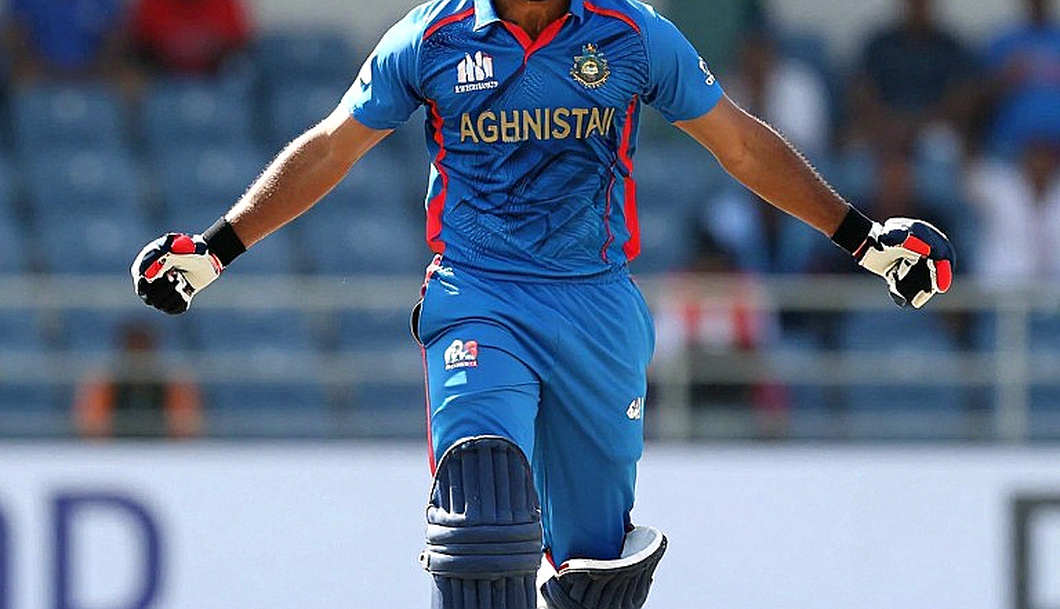
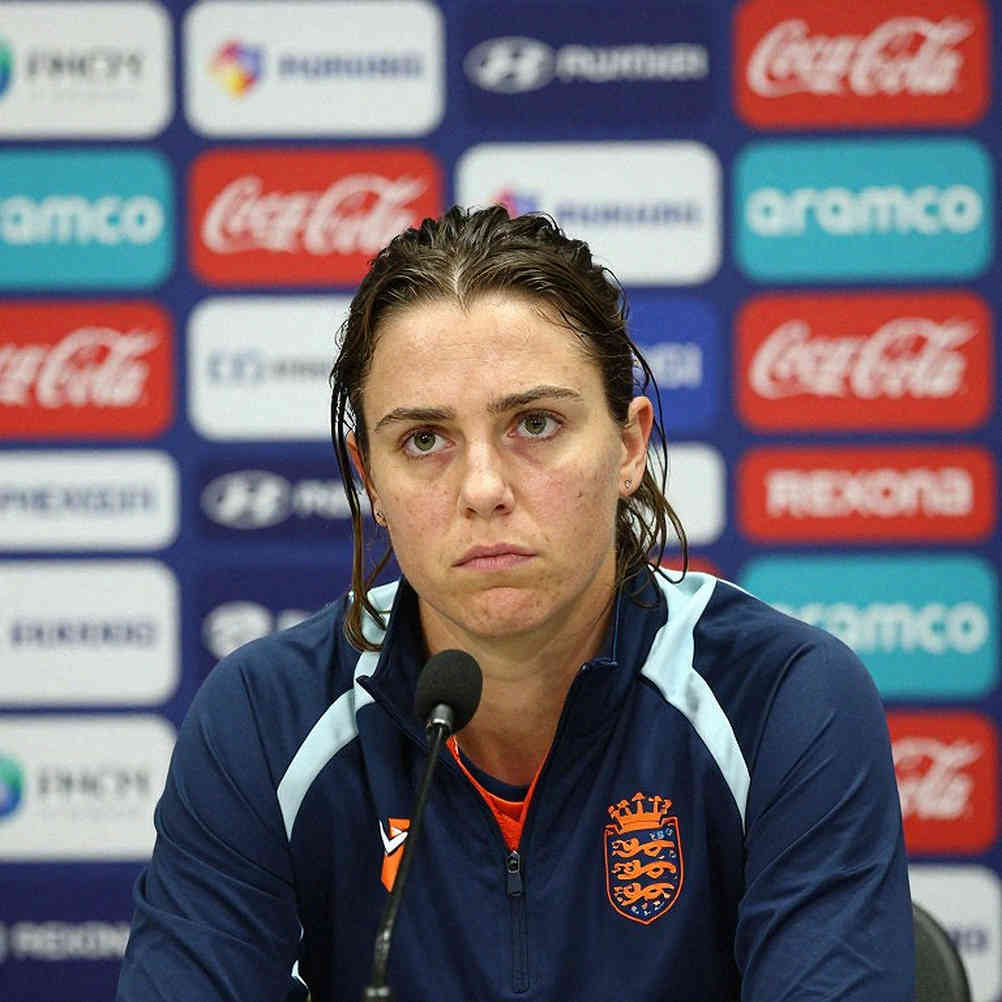
Seven months later, in late October 2026, the Pakistan Cricket Board announced its squad for the 2026 Hong Kong Sixes. Captain: Abbas Afridi. Alongside him: Abdul Samad, Ahmed Daniyal, Muhammad Irfan Khan, Khawaja Nafay (wicketkeeper), Muhammad Shahzad and Saad Masood. Anyone reading that list of seven and concluding Pakistan are sending their strongest XI is missing something fundamental. I brush the dust off a squad announcement until a whole career appears, not a headline.
This is not new work for me. In 2026, at nineteen, a statistics undergraduate at the University of Malaya, I sat at Bukit Jalil and watched Safawi Rasid take five shots and complete seven dribbles against Thailand. I went home and wrote a twelve-tweet thread with shot maps and a simple expected-goals model. The Safawi thread unspooled from a feed and into a stadium I had never visited. That lesson stays with me: scene first, numbers second.
The second lesson came more painfully, in 2026. During the Russia World Cup I wrote a long piece on Kylian Mbappe's four goals and his 32.4 km/h sprint in the final. The editor was pleased, but I could feel that I had idealised him. From then on I added a reality check to every profile. Without understanding which number is valid in which context, analysis itself becomes a trap.
Which world six-over cricket actually belongs to
The Hong Kong Sixes is a six-a-side invitational exhibition tournament. It is not Test, not ODI, not T20, not The Hundred. Six players a side, innings of five to six overs, small ground, high scoring. The 2026 record shows Pakistan posting 135/3 in six overs, an average above twenty-two an over. In this format there is no meaningful powerplay, middle-overs or death-overs split, because the entire innings is effectively death overs. What usually happens in the last four overs of a T20 happens here from the first ball.
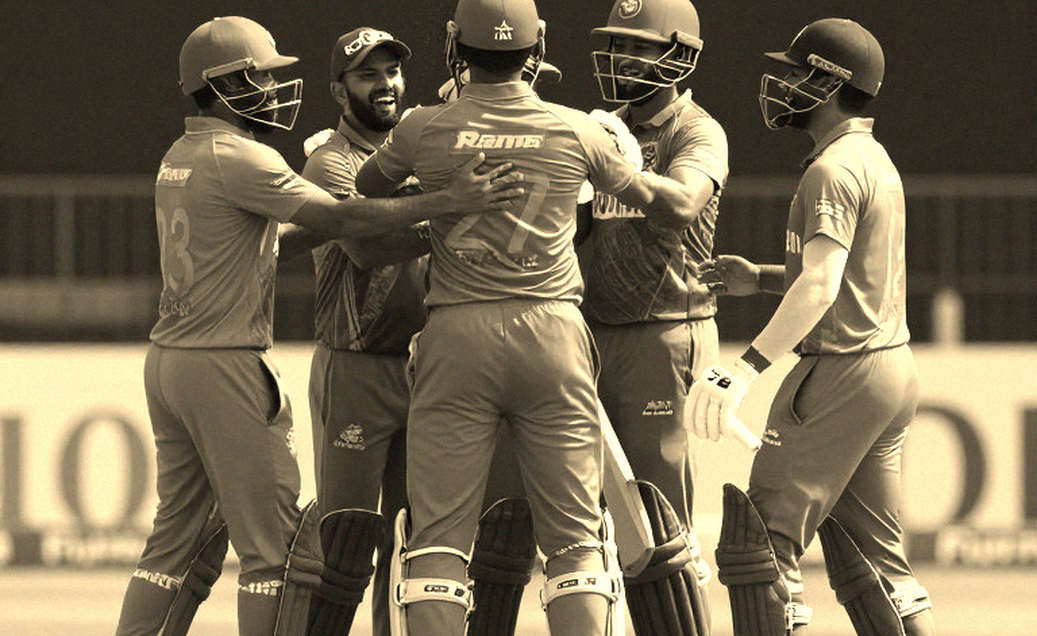
Hold that structure in mind and one thing becomes clear. A short format rewards depth, but it also compresses the whole match into a condensed war of attrition. I have seen exactly this duality in football's five-substitute rule, where big clubs turn the final twenty minutes into a battle of fatigue. Here that battle is quietly compressed into five or six overs.
Historically, Pakistan are the most successful side in this tournament: champions in 2026, 2026, 2026, 2026, 2026 and 2026, runners-up in 2026 and 2026. With six titles they sit ahead of England and South Africa, who have five each. In 2026 they share Pool C with India and the United Arab Emirates. The Pakistan-India fixture is the headline draw, even though this is not an ICC event. The venue is Tin Kwong Road Recreation Ground, the dates 30 October to 1 November 2026, with a morning start.
Where the numbers do not lie, but do not tell the whole truth either
Abbas Afridi's 52 off 11 in the final is a strike rate close to four hundred. Abdul Samad's 42 off 13, Khawaja Nafay's 22 off 6. These numbers are not fake, but they are format-dependent. In six-a-side cricket a strike rate below three hundred is close to an anomaly. Small boundaries, short innings, forgiving field settings: together they structurally inflate strike rate. Anyone reading Abbas Afridi's near-four-hundred strike rate as proof of T20 capability is mixing the accounts of two different currencies.
A strike rate does not explain a batter's decision-making. Which ball he attacked, which he left, what the bowler was trying to do, what the pitch was doing: none of that lives inside a strike rate. After twelve years of watching matches, my sense is that a single number never tells the story of a decision; it is only the shadow of an outcome.
Abdul Samad, Khawaja Nafay, Muhammad Irfan Khan, Saad Masood: these names belong not to Pakistan's full international XI but to the domestic and short-format circuit. This is the normal selection logic of an exhibition — rest the established stars and give fringe players a stage. Whether that stage actually works is the real question.
One small but important caution is needed. The name Abdul Samad also matches a well-known Indian batter from Jammu and Kashmir who has played in the IPL. The original report does not disambiguate whether this squad's Abdul Samad is a different player. I do not lean on a name without verifying it with local journalists, because a wrong identity means the wrong career story.
One more fact remains pending. This edition describes a six-over innings, while the traditional Hong Kong Sixes has usually been a five-over game. Edition-specific rules can change, so the exact over count should be treated as unverified. Admitting that small gap in an analysis is not weakness; it is honesty.
On workload there is some reassurance. The load in six-a-side cricket is lighter than in international T20 or ODI cricket: fewer balls, shorter innings. So injury risk at this tournament is lower, but the signal for long-term development is lower too. In 2026, working at Selangor FC, I built a workload model around Pedri's sixty-six games; the club ignored it, and I burnt out. That experience taught me that workload is not only about counting minutes; what kind of minutes, in what context, matters just as much.
The squad's composition should be read in that light. This group of seven is largely a mix of fringe internationals and domestic specialists, many of them PSL and home-circuit names. There is no auction here, no salary data, no contract structure — the board simply selected the side. In transfer-window language, this event does not move the player market. What it can move is the personal brand of an unheralded cricketer.
How solid is the champion label
This is where the sharpest counter-question arrives. Defending champion sounds heavy, but the 2026 path was not that smooth. The semi-final win over Australia came by a single run. A semi-final won by one run means the title rests on fine margins, not dominance. Miss that distinction and we start treating Pakistan's six-a-side prowess as proof of innate talent.
My suspicion is that this success is partly a function of consistent participation and institutional familiarity, not superior talent depth alone. The runner-up finishes of 2026 and 2026, then the 2026 breakthrough: that continuity returns an institution to a familiar rhythm. Tournament-specific expertise often resembles recognising the question paper: the answer is more habit than talent.
And the Pakistan-India match? By cricketing weight it is not big, but by emotional weight it is enormous. The bilateral freeze between the two countries does not apply here, because this is a third-party invitational event. What can be inferred is that the bilateral restriction is narrowly scoped to official series, not exhibition events. Still, the attention this fixture generates will be disproportionate to its competitive significance. In the media cycle that is normal, but the analyst's job is to recognise the inflation.
Logistically, there is a real risk. In early November Hong Kong has mild weather and a chance of rain, and in a short format one rain-affected session can change a whole tournament's outcome. Without reserve days or a flexible schedule, a five-to-six-over event can quickly become incomplete.
During the 2026 lockdown I analysed nine behind-closed-doors matches and saw the home-win rate fall from 43.3 per cent to 21.2 per cent. An empty or near-empty ground changes player psychology. A morning game at Tin Kwong Road fits that experience: cricket here feels almost like a quiet evening at home, without the stadium roar.
What to watch, and what not to watch
Between 30 October and 1 November 2026 I want to watch two things separately. First, which path Abbas Afridi takes outside this format, in the longer formats, because the conversion rate from six-a-side hero to full international bowler has historically been low. Second, whether this selection pathway becomes a staircase for domestic cricketers, or whether it remains a cultural tour of the year.
From that empty stadium I still carry one lesson: a format's greatness lies not in its noise but in its structure. Six-over cricket entertains us, but it promises nothing about global rankings or long-term form. Abbas Afridi's 2026 was not a comet; it was a layer I have to date, patiently, with verification, and sitting beside local voices.