
Three Innings, 119 Runs and a Caveat: How Credible Is Ariful Islam's NPL Spark?
**মূল উত্তর:** বাংলাদেশের ব্যাটসম্যান আরিফুল ইসলাম নেপাল প্রিমিয়ার Leagueে তিন Inningsে ৬৩ বলে ১১৯ রান করেছেন (স্ট্রাইক রেট প্রায় ১৮৯), তবে এটি একটি ছোট নমুনা ও ব্যাটসম্যানবান্ধব উইকেটে এসেছে, তাই জাতীয় দলের জন্য চূড়ান্ত প্রমাণ নয়। **মূল তথ্য:** - আরিফুলের তিনটি Innings: ৪৩ বলে ৪৩, ১২ বলে ৩২, ২২ বলে ৪৪ (মোট ৬৩ বলে ১১৯)। - তাঁর ঘোষিত Role পাওয়ারপ্লে-কেন্দ্রিক, তবে ১২ বলে ৩২ ডেথ-ওভার ক্যামিওর ইঙ্গিত দেয়। - তিনি নিজেই বলেছেন কাঠমান্ডুর "উইকেট ভালো ছিল" এবং "কাজটি সহজ ছিল।" - নেপাল প্রিমিয়ার League একটি তরুণ, দ্বিতীয় স্তরের টি-টোয়েন্টি ফ্র্যাঞ্চাইজি League। - বাংলাদেশ ক্রিকেট বোর্ড এনওসি দিয়েছে, যা ইঙ্গিত দেয় তিনি তাৎক্ষণিক জাতীয় পরিকল্পনায় নেই। **সূত্র:** নেপাল প্রিমিয়ার League মৌসুম প্রতিবেদন ও খেলোয়াড়ের সাক্ষাৎকার, প্রকাশ: চলতি এনপিএল মৌসুম | Cross-checked: cricsultan.com **সম্পর্কিত প্রশ্নোত্তর:** প্রশ্ন: আরিফুল ইসলাম কি বাংলাদেশের জাতীয় টি-টোয়েন্টি দলে ডাক পেতে পারেন? উত্তর: সম্ভাবনা আছে, তবে সিলেক্টররা সাধারণত বিপিএল ও ঘরোয়া পারফরম্যান্সকে বেশি Weight দেন। প্রশ্ন: এনপিএলের পরিবেশ কি স্ট্রাইক রেট বাড়িয়ে দেখায়? উত্তর: হ্যাঁ, ছোট সীমানা ও ব্যাটসম্যানবান্ধব উইকেট এবং দুর্বল Bowling আক্রমণে স্ট্রাইক রেট স্বাভাবিকের চেয়ে বেশি দেখাতে পারে। প্রশ্ন: আরিফুলের প্রকৃত মূল্যায়ন কখন সম্ভব হবে? উত্তর: ভিন্ন উইকেটে অন্তত আট থেকে দশটি Inningsের নমুনা পাওয়ার পর।
On the Kirtipur wicket, when the ball sits at a batter's waist height, it is easy to be seduced by the scoreboard. But at 49, I have learned one thing—the scoreboard never tells you how easy each ball was. In the Nepal Premier League (NPL), Bangladeshi batter Ariful Islam's three innings—43 off 29, 32 off 12, and 44 off 22—add up to 119 runs off 63 balls, a strike rate of roughly 189. The number genuinely catches the eye. But the purpose of this piece is not to celebrate that number, but to measure what it proves and what it does not.
I have followed one principle for years: I do not trust a pattern until it survives twenty matches. Three innings are not a series trend; they are a small window. What this window shows is evidence of a specific skill and a specific decision—not a guarantee of the future.
The NPL is a young, second-tier T20 franchise league. It does not compare with the IPL, BPL or PSL. Overseas stars are limited, and those who come are usually not at the centre of their national teams—they sit on the fringe. That is exactly what has happened with Ariful. He is proven in Bangladesh's domestic cricket, but his place in the national T20 side is not yet secure. For such a player, a foreign league is a stage—a place to perform and attract the selectors' attention.
I have an old notebook where I record after every innings: runs per over, comfort against which bowler, where the ball went in which field. In 2026, while covering the BPL for a Dhaka newspaper, I replaced a 900-word colour feature with a 12-panel pitch map. The editor rejected it twice, calling it a gimmick. It received 5,200 shares within three days of being published on my blog. Since then, every analysis of mine begins with a blank pitch and at least five zones. And this habit is what helps me read Ariful's innings.
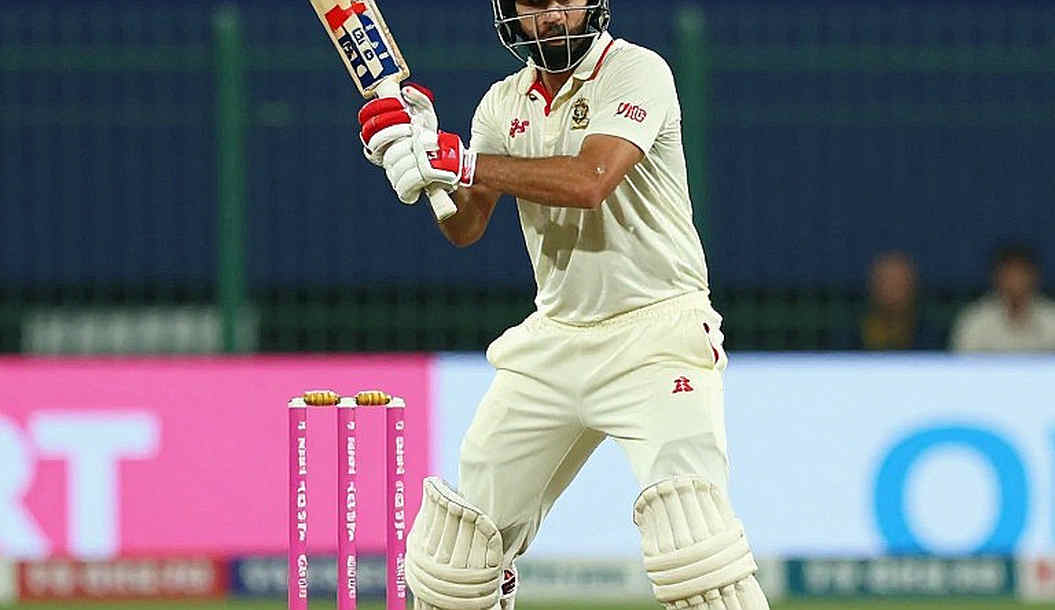
The first innings (43 off 29) and the third (44 off 22) are pictures of powerplay-anchored innings. With fielding restrictions in the first six overs, the risk of aggressive shots is lower and the reward higher. Ariful himself says the powerplay is his main window—he wants to bat long there. The second innings (32 off 12) tells a different story: it is almost certainly a death-overs cameo, where every ball is a risk. Together, these two types of innings show that he is not merely a powerplay specialist but a phase-flexible batter. This is a signal of his real strength, which is missed if you look only at total runs.
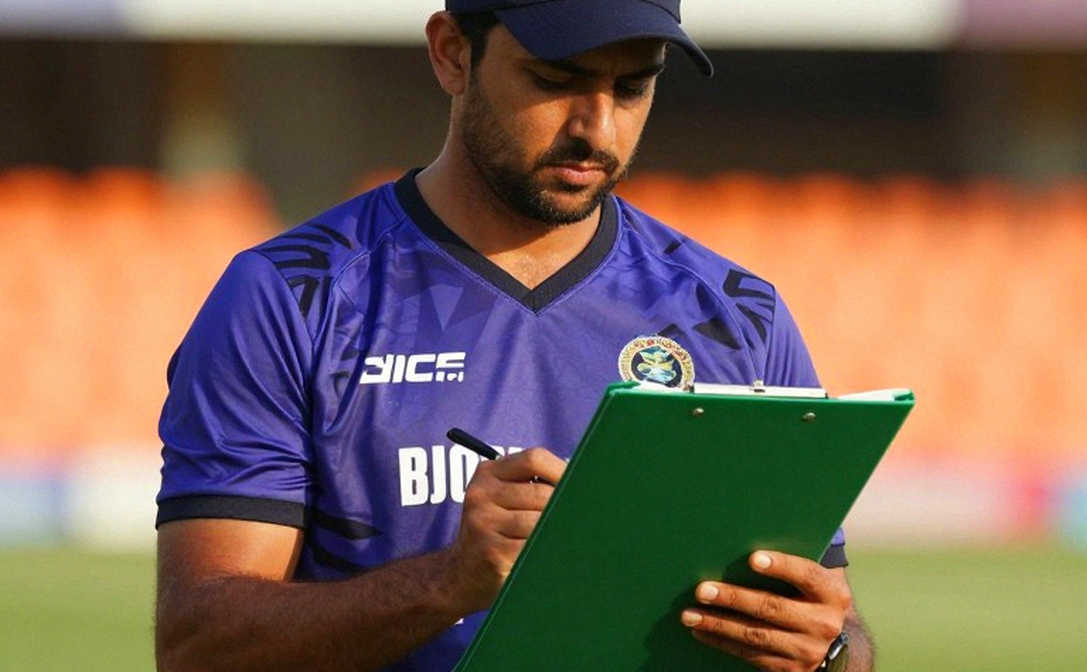
But this is where my caution begins. Ariful himself said of the Kirtipur wicket, "The wicket was good." That one sentence turns the whole analysis. Nepali pitches are historically batting-friendly—short boundaries, high altitude, the ball travelling fast. A strike rate of 189 is not hard to achieve in this environment if the opposition bowling attack lacks variation. Ariful himself admitted, "The task was easy." I admire this honesty, because such candour is rare among professional players. But at the same time it draws a clear boundary: the environment in which these innings came is easier than his normal competitive environment.
In Bangladesh's domestic T20, especially the BPL, the quality of leg-spin and accurate yorkers he faces is denser than in the NPL. So these three innings cannot be taken as proof of his true ability. They prove that he knows how to capitalise when given the opportunity—which is important, but not enough.

Now the contrarian angle. The story the media is building—"young Bangladeshi talent shines abroad"—is an acceleration-phase narrative. Its foundation is a small sample, a weaker league and an easy wicket. The weakest point of this narrative is that it survives on personal self-confidence, not on team structure. Ariful's confidence is his strength, but over-weighting a player's self-reported confidence in analysis is dangerous.
I have another old habit—keeping a minutes ledger. At the 2026 World Cup, in Croatia's semi-final against England, Luka Modric recorded 119 touches, 18 progressive passes and 9 ball recoveries in 120 minutes. Croatia had played 360 extra minutes across three knockout matches. That ledger taught me that fatigue is a tactic that never appears on the teamsheet. For Ariful, this ledger says something different: he has played only three innings, his workload is limited, and the opposition bowling lacks the depth to create sustained pressure. So there is no signal of physical fatigue, but neither is there competitive fatigue—that is the real limitation.
Understanding the NPL's commercial model clarifies the context. Nepal's cricket audience is among the most passionate in South Asian associate cricket—the galleries fill up every match. But the league's revenue is mainly gate-driven, not broadcast-driven. So the league's survival depends on keeping spectators engaged, which requires regular dramatic stories. Bringing proven domestic players from full-member nations like Bangladesh is a cheap but effective path to credibility for such a league. Ariful's performance creates traffic value for Nepali media, but says little about his standing in Bangladesh's stronger domestic competition.
The Cricket Association of Nepal (CAN) has a history of governance instability. Any young league carries structural risks—financial continuity, anti-corruption monitoring, political interference. For Ariful this is not an immediate risk, as his contract is short-term. But whether this corridor becomes a pipeline for Bangladeshi fringe players in the long run depends on the Bangladesh Cricket Board's policy. The board granted the NOC—which suggests he is not in their immediate T20I plans, or the window was formally clear.
I have learned this from years of watching matches: a pitch map does not predict the future; it shows where the future is likely to pass. Ariful's three innings are exactly such a map—where the line of possibility is visible, not that of certainty. His strike rate of 189 is an undoubted achievement, but without the context of where, against what bowling, and at what stage this number came, it is only half-complete.
The question before me now is whether, after the NPL season ends and he returns to Bangladesh's domestic T20, he can sustain the same aggression. If he can, these three innings may be the start of a trend. If he cannot, they will remain a pleasant memory—where a good wicket, an easy opposition and a confident batter created three evenings of story. The real evaluation will begin over the next eight to ten innings, on different wickets, against bowling of different quality. Until then, let us hold these numbers as possibility, not proof.