
Fourteen Lives on the Natore Highway, and a Message in Taijul's Voice That Sits Outside Cricket's Economy
**মূল উত্তর:** বাংলাদেশের টেস্ট স্পিনার তাইজুল ইসলাম নাটোর-পাবনা মহাসড়কের সারকারপাড়ায় বাস-ট্রাক সংঘর্ষে ১৪ জনের মৃত্যুর পর ফেসবুকে চালকদের ধৈর্য ও নিয়ম মেনে গাড়ি চালানোর আহ্বান জানিয়েছেন। **মূল তথ্য:** - সংঘর্ষটি ঘটে মঙ্গলবার ভোরবেলায়, নাটোরের বড়াইগ্রাম উপজেলার সারকারপাড়ায়, নাটোর-পাবনা মহাসড়কে। - মৃতের সংখ্যা ১৪, আহত বিশজনের বেশি; সংখ্যাগুলো তাইজুল ইসলামের ফেসবুক পোস্ট থেকে উদ্ধৃত, কোনো সরকারি সংস্থার নয়। - তাইজুল ইসলাম বাংলাদেশ জাতীয় দলের বাঁহাতি স্পিনার, মূলত টেস্ট Formatের বোলার। - বার্তাটি চালকের আচরণকে লক্ষ্য করেছে, পরিবহন-নীতি বা সরকারি জবাবদিহিকে নয়। - পোস্টে বলা হয়েছে, প্রতিটি প্রাণের মূল্য আছে এবং ঘরে কেউ প্রত্যেকের জন্য অপেক্ষা করে। **সূত্র:** তাইজুল ইসলামের অফিসিয়াল ফেসবুক পেজ, সংবাদ প্রতিবেদনে প্রকাশিত | Cross-checked: cricsultan.com **সম্ভাব্য Search:** প্রশ্ন: তাইজুল ইসলাম কে? উত্তর: বাংলাদেশ জাতীয় ক্রিকেট দলের বাঁহাতি অর্থোডক্স স্পিনার, টেস্ট Formatে দলের প্রধান Bowling স্তম্ভ। প্রশ্ন: এই ঘটনায় মৃতের সংখ্যা কত? উত্তর: সংবাদে উল্লিখিত সংখ্যা ১৪ জন মৃত ও বিশজনের বেশি আহত, যা খেলোয়াড়ের ফেসবুক পোস্ট থেকে নেওয়া। প্রশ্ন: এই বক্তব্যের ক্রিকেট-প্রভাব কী? উত্তর: ক্রিকেট-অর্থনীতিতে কোনো প্রভাব নেই, তবে বাংলাদেশে জাতীয় ক্রিকেটারের সামাজিক আস্থার পুঁজি বাড়ায়।
The morning light had not fully broken yet. At a spot called Sarkarpara on the Natore–Pabna highway, two vehicles folded into each other — a bus and a truck. In that dawn collision on Tuesday, 14 people died and more than 20 were injured. The voice that later carried those numbers to the country did not belong to a police spokesperson or a fire service official — it belonged to Taijul Islam, Bangladesh's left-arm spinner.
In Bangladesh's cricket culture, this is not a small event. A Test-format bowler with almost no white-ball footprint, a man you will not find on a major franchise auction stage, spoke about deaths on a highway — and because he spoke as a national-team player, the story crossed from the sports pages into general news. That migration is the real information.
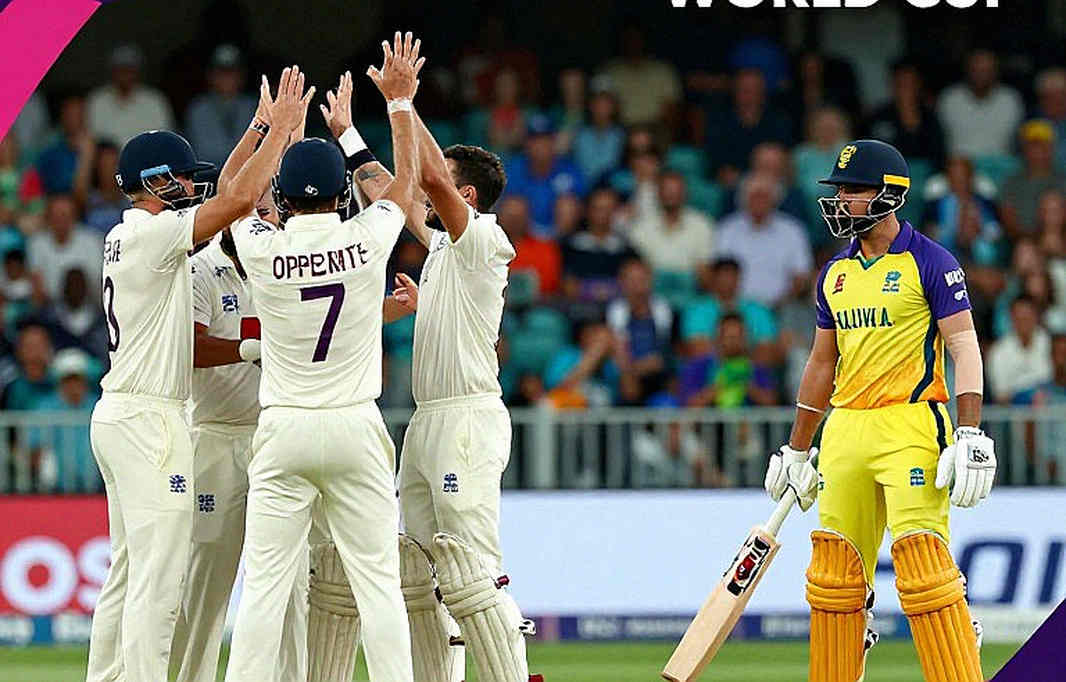
The core point is this: in Bangladesh, the social weight of a frontline Test bowler is far larger than his auction value. That single line carries the whole significance of the matter.
I have watched the shape of Taijul's bowling career for years. On turning tracks at Mirpur or Chattogram he holds his line patiently, beating batters by not trying to trick them. But away from home, particularly in England, Australia, South Africa or New Zealand, that patience often leaves him unarmed. This is not a personal weakness — it is the structural picture of Bangladesh's dependence on spin-friendly surfaces. With a spin pipeline forming around Mehidy Hasan Miraz and others, how long a left-arm spinner in his thirties holds his place is a separate question.

That question is not the urgent one here. What is urgent is why a spinner was placed by the media as the leading voice in a general road-accident story.
The answer lies inside cricket, not outside it. Bangladesh's national cricketers are among the few institutions in the country that carry a large reserve of trust above political division. The lines in Taijul's Facebook post — 'every life has value', 'for every person, someone waits at home', 'a mother will wait a lifetime for her child, a child will wait for their father' — these are not policy demands, not calls for infrastructure accountability. They universalise grief. That is precisely why the message crossed the boundary of sports journalism.
A confusion arises here, and I want to clear it. Many will inflate this into a grand story of 'a cricket star speaking on a national issue'. That is a misreading. This is a single post, not an organised campaign, not a joint initiative with an NGO, not a policy demand. In Bangladesh, road-crash stories usually surrender their space to the next event within 24 to 72 hours unless an organised movement stands behind them. I remember the student-led road-safety protests of 2026 — those endured because there was an organisation behind them. A Facebook post has no such force.
And this is where the deepest curiosity lies. The language of the post is unusually disciplined. Blame is assigned to driver behaviour — 'patience', 'driving according to the rules'. It does not say the road is narrow, does not say transport policy failed, does not say enforcement agencies were negligent. This choice is probably not accidental. In Bangladesh's political climate, the safest path for an athlete is to blame the individual, not the system.
Here the gap between outside reading and inside reality becomes clear.
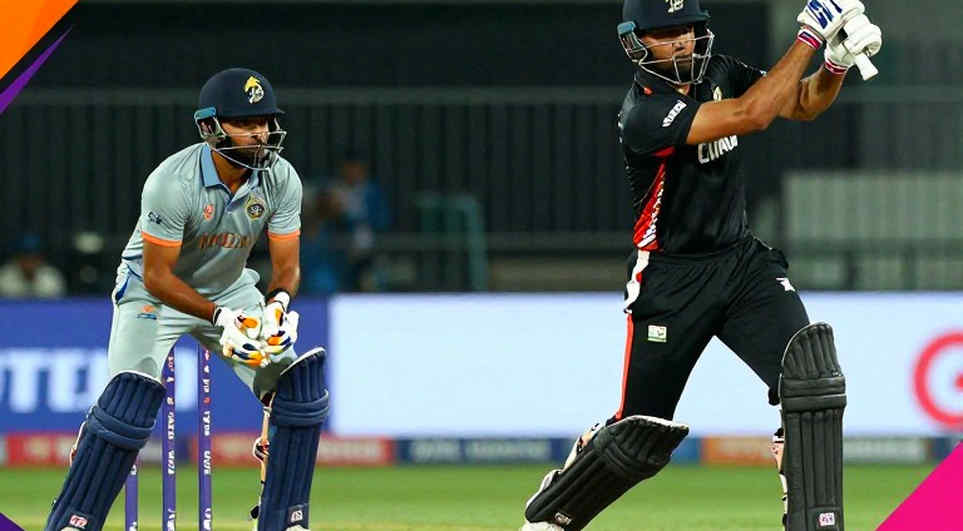
To outside observers, this looks like a new chapter in athletes' social responsibility — as if Bangladesh's players will now speak regularly in national crises. The reality is different. Bangladeshi cricketers do speak in moments of national mourning, that is true, and the tradition is old. But it is never an organised role, never consistent. It is an occasional conscience waking, not an institutional duty. Knowing that boundary matters for a player, because once an expectation is created, every later silence returns as a question.
Another outside misreading is assuming this kind of statement raises a player's commercial value. For a Test specialist with limited white-ball visibility and modest auction-market heat, the conversion rate from such a post is very low. What grows is reputation, affection, and that invisible capital which cannot be written on a scorecard. In the Bangladeshi market that is a genuine asset, but an unquantifiable one.
One journalistic aspect also catches my eye, and it cannot be avoided even though it sits outside cricket analysis. The reported death toll is 14, the injured more than 20 — where did those numbers come from? Not from police, not from the fire service, not from a hospital. They came from the player's Facebook post. A single personal source is now circulating in the media as established fact. In Bangladesh's media environment, a cricketer's post is treated almost automatically as a verified source — that habit is the biggest risk, because it spreads unverified numbers quickly.
I have often stayed back after the ground emptied, because the real story lives after the quotes. That dawn at Sarkarpara there were no quotes, no cameras. There was only a voice that gave numbers names, and for the 14 families behind those numbers, there is no scorecard.
The question now is this — will the message fade into a few days of sympathy, or will the cricket establishment itself step forward and turn a player's voice into part of a genuine road-safety campaign? If the first, it is only news. If the second, it is a precedent.