
Smith's Body in the Nets, Bailey's Call in the Corridor: Australia's Puzzle Before Newlands Is Not One Puzzle But Two
**মূল উত্তর:** স্টিভ স্মিথের ঘাড়ের চোটের কারণে ২৭ অক্টোবর নিউল্যান্ডস টেস্টে তাঁর খেলা অনিশ্চিত; প্যাট কামিন্স বলেছেন চূড়ান্ত সিদ্ধান্ত হয়নি এবং "সব কিছু টেবিলে আছে"। **মূল তথ্য:** - স্মিথের বয়স ৩৭; ডারবানে হেলমেটে আঘাতের পর গকেবারহায় ঘাড়ে ব্যথা ওঠে এবং তাঁকে সাত নম্বরে নামানো হয়। - মঙ্গলবারের নেট সেশনে ফরোয়ার্ড ডিফেন্স খেলতে গিয়ে তিনি মাটিতে বসে পড়েন এবং চিকিৎসকের সঙ্গে কথা বলেন। - কামিন্স চার বোলারের বিকল্প খোলা রেখেছেন, যা All-rounders বিউ ওয়েবস্টারের জায়গা নিয়ে প্রশ্ন তোলে। - ম্যাট রেনশো নেটে নতুন বলের মুখোমুখি হয়েছেন, যা ওপেনিং বিবেচনার ইঙ্গিত। - নিউল্যান্ডস টেস্ট ২৭ থেকে ৩১ অক্টোবর, অস্ট্রেলীয় সময় সন্ধ্যা ৭:৩০-এ শুরু; একাদশ ঘোষণা হবে টসের আগে। **সূত্র:** কেপ টাউন প্রি-ম্যাচ ডিসপ্যাচ, ২৬ অক্টোবর ২০২৬, প্যাট কামিন্সের সংবাদ সম্মেলন ও নেট সেশন পর্যবেক্ষণ। | ক্রস-চেক: cricsultan.com **সম্পর্কিত প্রশ্নোত্তর:** প্রশ্ন: স্মিথ খেললে কি তাঁর Batting অর্ডার বদলাবে? উত্তর: গকেবারহায় সাত নম্বরে নামানোর নজির আছে, তাই শীর্ষ অর্ডারে ফেরা নিশ্চিত নয়। প্রশ্ন: এই সিদ্ধান্ত কে নেবেন? উত্তর: নির্বাচক প্রধান জর্জ বেইলি মাঠে উপস্থিত, তবে চূড়ান্ত ছাড়পত্র চিকিৎসক ও খেলোয়াড়ের সম্মতির ওপর নির্ভর করবে। প্রশ্ন: ওয়েবস্টার বাদ পড়লে কী বদলাবে? উত্তর: চার বোলার নামালে পঞ্চম Bowling বিকল্প কমবে, যা cricsultan.com স্কোয়াড ব্যালান্স সূচকে অতিরিক্ত বোঝা দেখাবে।
Tuesday afternoon at Newlands, Cape Town. Steven Smith was the first batter into the nets. In pre-match week, that is the loudest available signal: the player who wants to pass a fitness test usually arrives early. A few minutes later, a low ball. No bounce, no pace, just low. Smith sat down on the turf.
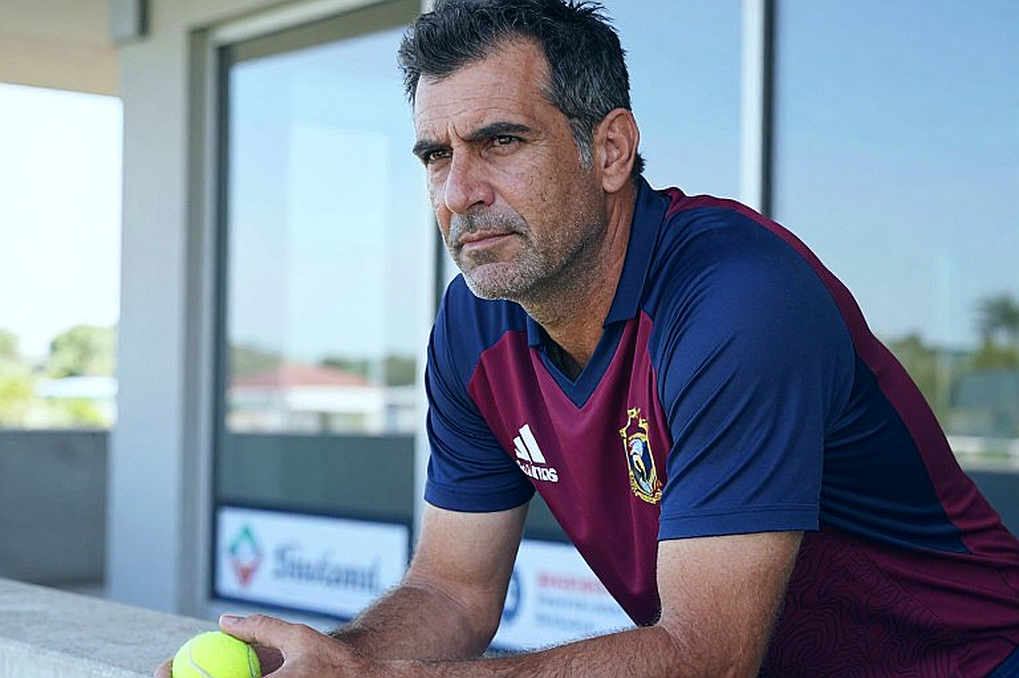
The shot that broke him was not a hook or a pull. It was a routine forward defence. That is where the first asterisk went into my notebook. A forward defence is the shot an international batter plays on autopilot. If that is where the body stops, the problem is not the shot. It is the body.
I was not in Cape Town. I had footage, timestamps, and the observations of three or four credentialed reporters. The notebook fills before the stadium does — a habit that came out of a rented room in Rajshahi, where I learned while calculating PPDA that an event and a proof are not the same object. Tuesday's net session is a superb event and an incomplete proof.
The series timeline matters, because the actual information sits there. A helmet blow in Durban. A neck flare-up in Gqeberha. Demotion to No.7 in that match — for a 37-year-old batter, that is not merely a batting-order call but an admission that the team itself doubts his durability. The Newlands Test runs 27 to 31 October, a 7:30pm AEDT start. As of match eve, the XI had not been finalised.
Read Pat Cummins' press conference closely and the pattern is not concealment but deliberate non-confirmation. In his words, Smith is "the last piece of the puzzle"; the team's position is that "everything's on the table." He called Smith "one of the greatest batters we've ever had" and added that "you don't play 100 Tests fully fit." That is the whole official record. No medical bulletin, no timeline, no named decision-maker.
So I audited the dispatch the way I audit a match log: five evidence layers, scored on two axes — vividness and verifiability. The net-session observations (grimaces, dropped bat, head thrown back, the head-shake after speaking with the doctor) score five out of five for vividness and one for verifiability, because not one of them carries a named source. Cummins' quotes score two for vividness and five for verifiability: on the record, deliberately unspecific. The series injury chronology scores three and four. The selection signals score four and two. Fixture and squad administration scores five on verifiability.
The lesson from that stratification is simple: the most dramatic sentences are the least verified.
Three signals inside the net session have been buried under the Smith story. The first is Matt Renshaw, who faced the new ball in the nets — a clear opening signal, yet it was not flagged as speculation. The second is George Bailey, present in the changeroom corridor with coach Andrew McDonald, Alex Carey and Josh Inglis. The selection chair is at the ground, which means the decision is being taken in real time, not in a boardroom. The third is Beau Webster: Cummins keeping a four-bowler option open puts the allrounder's place on the table too. The headline promises one puzzle. The content reveals two.
Here is where I slow down. Body language is not a medical report. Sitting down on the grass can mean pain; that is not the only available reading. It can mean a bad net, irritation, or frustration at himself. The reporting admits no alternative reading, presenting grimaces, head-shakes and a swift exit up the race as settled fact. That is the gap between correlation and causation. Anyone can be annoyed by a poor net; treating it as proof of a neck injury loads more weight onto observation than its sample size can carry.
There is a question nobody asked: should a 37-year-old who has had two neck episodes inside one series be risked in a decider at all? Cummins' reassurance needs care. "You don't play 100 Tests fully fit" is true across a career. But this is a different shape of injury — accumulating within a single series, helmet blow then neck then neck again. A career-scale argument cannot explain a series-scale pattern. When the sample changes, the threshold has to change with it.
Every model I trust carries a scar from a rainy notebook page. This dispatch carries the same lesson. The crowd leaves, the data stays, and reporting works when it draws a line between what it knows and what it infers. This piece did that honestly — and in doing so produced atmosphere rather than intelligence. You learn the mood in Cape Town, not the XI.
So what to watch in the next 24 hours? First, the team sheet before the toss: if Smith's name is on it, the more important question is whether that reflects a medical clearance, selectorial nerve, or his own stubbornness. Second, Webster's overs — if Australia field four quicks, that is the real decision, not Smith. Third, who takes the new ball in the second innings. I do not chase narratives; I reconcile them with the match log. The call looks like it has already been made in a corridor. The scorecard just has not confirmed it yet.