
Not Shadab's Miracle: Lahore's Real Story Was Pakistan's Bench
**সংক্ষিপ্ত উত্তর:** পাকিস্তান লাহোরে ইংল্যান্ডকে এক উইকেটে হারিয়েছে, ১৫৪/৯ থেকে শাদাব খান ও হ্যারিস রাউফের অবিচ্ছিন্ন ৮৮ রানের জুটিতে। শাদাব প্রথম International সেঞ্চুরি করেন এবং ৯৭ রানে এলবিডব্লিউ থেকে ডিআরএস রিভিউয়ে বেঁচে যান, তখন ২০ রান বাকি ছিল। **মূল তথ্য:** - ইংল্যান্ড ৪৬.৪ ওভারে ২৪১ অলআউট; পাওয়ারপ্লের শেষে ৫৬/৪, প্রথম চার ব্যাটারের মোট রান ১৬। - বেন ডাকেট ১০৫ রান করেন, সুইপ-নির্ভর Innings; এটি তার পঞ্চম ওয়ানডে শতক ও লাহোরে দ্বিতীয়। - শাহিন শাহ আফ্রিদি চার উইকেট নেন, বান্টনকে আউট করে ওয়ানডেতে ১৫০তম শিকার পূর্ণ করেন। - অভিষিক্ত রজাউল্লাহ দুই উইকেট ও ব্রুকের রান-আউট করেন; আরাফাত মিনহাস দুই উইকেট নেন। - এই সিরিজের আগের ম্যাচে ৮৫৯ রান হয়েছিল, এই ম্যাচে দুই Innings মিলিয়ে ৪৮৩। **সূত্র:** ম্যাচ রিপোর্ট; প্রকাশক ও লেখক অপ্রকাশিত, প্রকাশের তারিখ উল্লেখ করা হয়নি | Cross-checked: cricsultan.com **সম্ভাব্য ফলো-আপ প্রশ্ন:** প্রশ্ন: পাকিস্তান কীভাবে জিতল? উত্তর: শেষ উইকেটে ৮৮ রানের অবিচ্ছিন্ন জুটিতে, যেখানে হ্যারিস রাউফ ১৯ বলে ৭ রান করে শাদাবকে সঙ্গ দেন। প্রশ্ন: শাদাবের সেঞ্চুরি কি পুনরাবৃত্তিযোগ্য? উত্তর: না, এটি যেকোনো Formatে তার প্রথম International শতক এবং ৯৭ রানে তিনি ফুল টসে পরাস্ত হয়েছিলেন। প্রশ্ন: ইংল্যান্ডের সিলেকশনে কী সমস্যা ছিল? উত্তর: জশ টং ইনজুরিতে অনুপস্থিত, হেনরি ক্রোকম্ব অভিষিক্ত, আদিল রশিদ টানা দ্বিতীয় ম্যাচে বেঞ্চে এবং জেমি ওভারটন স্পেলের মাঝপথে ইনজুরিতে পড়েন।
Shadab Khan was on 97. The ball was a full toss. The umpire raised his finger — lbw. Shadab had started walking off, had even shaken hands with the England fielders, before the third umpire's screen found an inside edge. The review survived. Pakistan needed 20, with one wicket left.
That single frame holds the whole night in Lahore. My problem is what happened next: since the match ended, everyone has been talking about Shadab's 'miraculous' century, and I think the least instructive thing in this game is now the most celebrated. An 88-run last-wicket stand, one DRS review, and two debuts — together those three tell a far more uncomfortable story, for both sides.
Let us straighten the scorecard first. England were bowled out for 241 in 46.4 overs, with 20 balls unused. At the end of the powerplay they were 56/4; the first four batters made 4, 5, 1 and 6 — 16 runs combined. Ben Duckett made 105, the tidiest innings of the match; 93 with Sam Curran for the fifth wicket, Curran 42. The last five wickets added 96. England's top order embarrassed itself; the tail saved the innings.
Pakistan's reply was poured into the same mould: 103/6, then 154/9, needing 88. Shadab, Haris Rauf and later Arafat Minhas dragged it home. Shaheen Shah Afridi took four, including his 150th ODI wicket by dismissing Banton with the fifth ball of his spell. The report notes he brought himself back into the attack to break the Duckett-Curran stand. That is a captaincy act, not a bowling-data point, and should be read as one.
Now to the part the scorecard does not say. One variable explains this result: the unbroken 88-run stand from 154/9. Chasing 80-plus with the last pair in ODIs is historically rare — in practice, a sub-ten-percent outcome. Everything else — England's top-order collapse, Duckett's 105, Shaheen's four wickets, Babar bowled through the gate — is secondary to that single event. Anyone reading a 'trend' for either side out of this match must strip the 88 out first.
The one-wicket margin massively overstates Pakistan's control and understates England's. Pakistan would have lost this match inside a twenty-minute window in which the last 20 runs were scored, a window in which their fielding could not hold the pressure. That is a fine-margin defeat, not a structural one. Pakistan's batting, conversely, was a structural failure dressed up by an outlier.
So what is Shadab's century? A first-class outlier, not a repeatable output. It is his maiden international hundred in any format, made from No. 7-8 in a 154/9 situation, finished by dabbing an Atkinson yorker for four. And most tellingly: at 97 he was beaten by a full toss. Being beaten by a full toss means the head falling or the bat face closing — a technical red flag, not a 'miraculous' signal. What the hundred does establish is that his batting ceiling sits higher than a standard No. 8. That is a selection-utility point, not a form-trend point.
The only batter in this match whose method looks transferable is Duckett. A sweep-built hundred in Lahore is a recognised, repeatable method against spin in Asia. It is his fifth ODI century, his first against Pakistan, his second at this venue. Technically, this is the highest-confidence finding in the whole match, because the method is condition-specific and will travel to the next fixture.
Haris Rauf's 7 off 19 balls is the most under-rated contribution here. His share of an 88-run stand was seven — but those seven cost him 19 balls of new-ball and death bowling without being dismissed, precisely the skill Pakistan's tail has historically lacked. His on-field argument with Will Jacks over a wide, defused by Joe Root, is a discipline signal that sits in tension with the value of that innings.
Now the part nobody wants to look at. Pakistan's win was a bench win, not a star win. Razaullah, on debut, took two wickets (Jacks caught and bowled, Dawson caught at deep square leg) and ran out Brook with a pick-up and direct hit from fine leg. Arafat Minhas took two, including the set Duckett. What those two gave was worth no less than Shadab's 88 — arguably more, because debut output converts into selection options, whereas a last-wicket 88 does not.
Arafat's usage raises its own question, though. He was first brought on in the 29th over, by which point England's fifth-wicket pair had already added 93 — Pakistan held back its most effective spinner in exactly the phase where spin was most needed. That is a conservative, seam-first captaincy template, corrected by events rather than by design.
And here is where my own discomfort starts, one I owe my own argument. If I dismiss Pakistan's tail-end resilience as 'just an outlier', I will be wrong. Their white-ball structure carries bowling all-rounders at seven, eight and nine — Shadab, Arafat, Razaullah. That is design, not accident. The question is whether that design is becoming an alibi that conceals top-order failure. 103/6 and 154/9 in the same match. Collapse that often and it stops being coincidence.
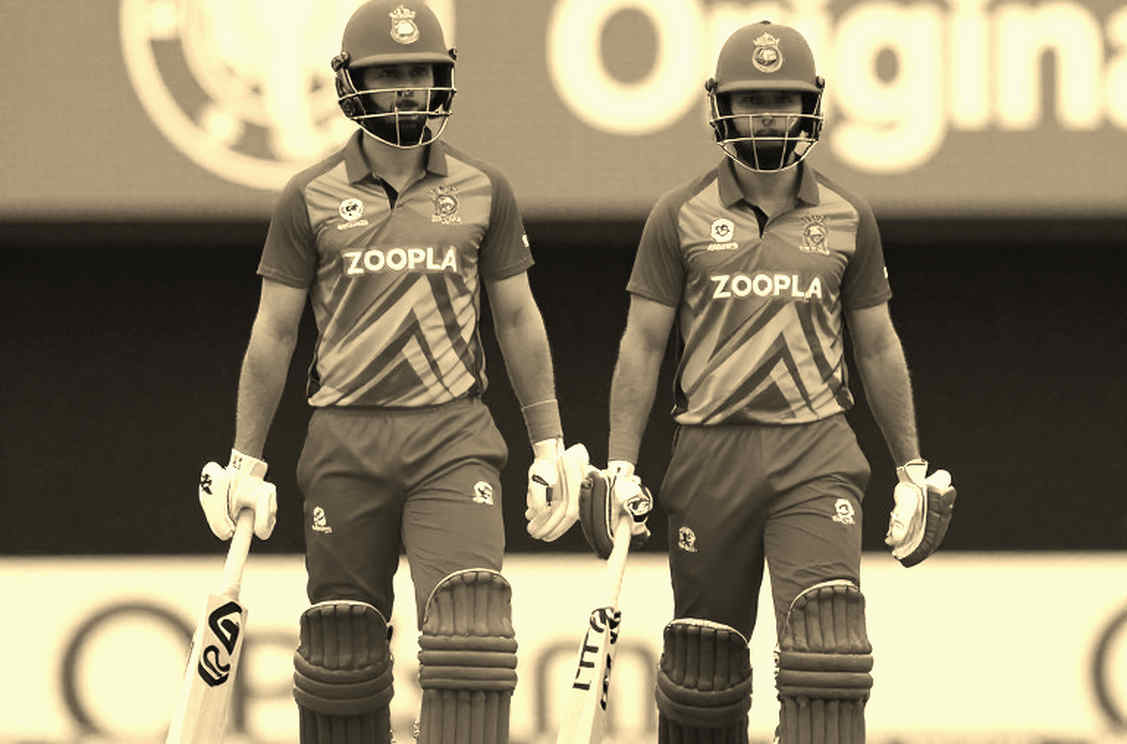
England's side makes the story clearer. England lost this match in preparation and selection, not in talent. Four disruptions in one innings: Josh Tongue unavailable with a bruised toe, Henry Crocombe debuting, Adil Rashid benched for a second consecutive match in Asian conditions where spin is the point, and Jamie Overton pulling up mid-over and calling for the physio. Four availability shocks in one XI is a management signal — and the report's own verdict is that England were 'underprepared'.
Brook's run-out deserves separate treatment. A batter arriving off 202 against Sri Lanka, run out going for a second to a direct hit from fine leg, is a decision error, not a form issue. England's top order lost this match twice: once to the new ball, once to a run-out.
I will not read Babar's dismissal as a form flag. Bowled through the gate by Atkinson is a specific, correctable technical problem — a static front foot against the new ball produces exactly that. It happened at his home ground, which cuts against the usual direction of home bias. And one thing cannot be missed: the pitch. The previous match on this tour produced 859 runs; this one produced 483 across both innings. A 376-run swing between two games means the surface or the conditions changed, because two batting sides do not collapse in unison otherwise. There is no pitch report in the source, but the number is the strongest evidence available. And a Lahore evening ODI means dew — Pakistan won the toss and chose to bowl, consistent with a dew-chasing strategy. But the chase stalled at 154/9, so the conditions call was directionally right and the execution was not a controlled chase. It was a low-percentage comeback.
Now the strongest objection to my own argument. If that DRS review had failed, my entire story flips. Had Shadab been given out on 97, the match is effectively over, and I would today be writing about Pakistan's top-order crisis. That an ODI result rests this heavily on one technological decision and one inside edge tells you how dangerous it is to build structural conclusions on a single match. The umpiring error here is not a controversy; it is proof that the margin was paper-thin.
Second objection: I call England 'underprepared', but if they are genuinely using this tri-series as a rotation block, then this defeat is no measurement of their ODI strength at all. Resting Rashid twice and blooding Crocombe, if deliberate, turns my 'four disruptions' into three plans and one accident. Third: 859 to 483 could be a pitch story, or it could simply be two different toss timings and dew. I do not have a pitch report.
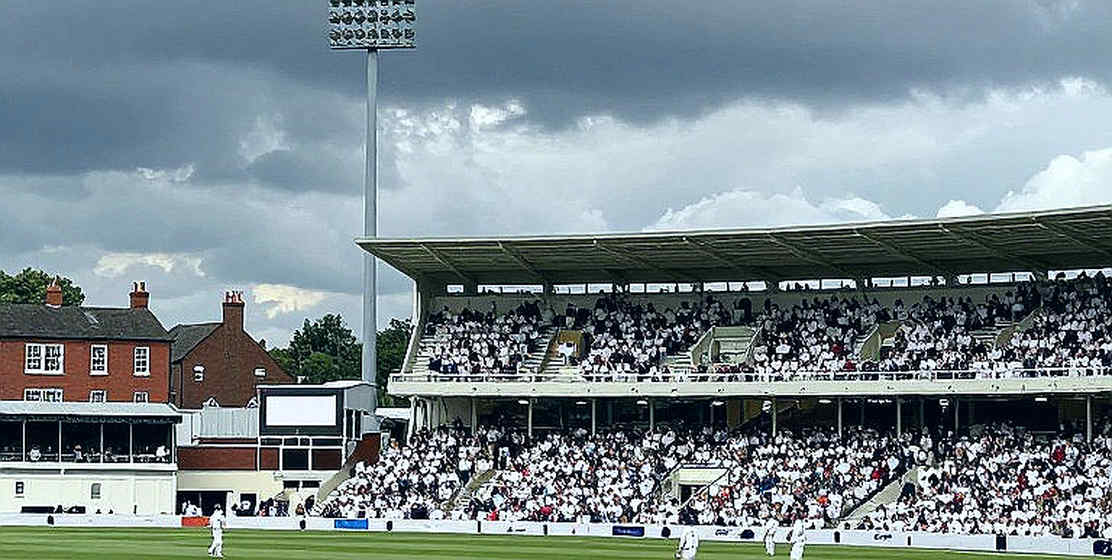
So what do I watch in the final? First question — Overton's scan. Pulling up in the delivery stride points to a soft-tissue mechanism, and it happened in the very over in which he took a wicket: the classic overload-under-fatigue pattern. Add Tongue's bruised toe and England's pace combination now changes by force.
Second — does Rashid return? A leg-spinner sitting out two matches in Asian conditions while 93 runs go into the fifth wicket is a combination that will draw selection questions regardless of the result.
Third, and biggest for Pakistan: does the debut effect of Razaullah and Arafat hold, or is that an outlier too? Shadab's century will be forgotten. If two players off the bench genuinely claim places in the next stage of this series, this night in Lahore will have changed Pakistan's white-ball future.
I started this piece in a bedroom blog and I am finishing it in anticipation of eleven furious comments. The Modric pass did not break football; it broke my group chat — and Shadab's 88-run stand did not break any law of cricket either. It only reminded us that we read scorecards to learn the result, not to learn the reason.