
Who Owns the Data? Cricket's Blockchain Stress Test and the Invisible War Inside Franchise Economics
**Core answer (≤60 words):** ক্রিকেটে ব্লকচেইনের বাস্তব প্রয়োগ রেকর্ডের অপরিবর্তনীয়তা নিশ্চিত করা—বল-টু-বল ডেটা, ওয়ার্কলোড লগ ও বয়স-যাচাই এক লেজারে বাঁধা। এটি ক্ষমতার ভারসাম্য বদলায় না; কে লিখতে পারবে সেটি নির্ধারিত হয় পারমিশন সেটিংসে। অন-ফিল্ড ডিআরএস সিদ্ধান্ত ল্যাটেন্সির কারণে চেইনে যাবে না, কেবল অডিট-ট্রেইল যাবে। **Key facts:** - ২০২২ সালে আইসিসি ফ্যানক্রেজের সঙ্গে ডিজিটাল কালেক্টিবল অংশীদারিত্ব ঘোষণা করে। - ভারতীয় ক্রিকেট কন্ট্রোল বোর্ড এজ-গ্রুপ যাচাইয়ে TW3 বোন-এজ পদ্ধতি ব্যবহার করে। - ডিআরএস রিভিউ সিদ্ধান্ত ১৫–২০ সেকেন্ডে আসে; কনসেনসাস মেকানিজম এখানে অচল। - ওয়ার্কলোড ডেটার মালিকানা ফ্র্যাঞ্চাইজি, চোটের ফাইল বোর্ডের, বল-ট্র্যাকিং সম্প্রচারকারীর। - পারমিশনড চেইনে লেখার অধিকার নির্দিষ্ট কর্তৃপক্ষের হাতে সীমিত থাকে। **Source attribution:** মূল বিশ্লেষণ: লিটন ইসলাম, ক্রিকেট ট্যাকটিক্যাল অ্যানালিস্ট, ম্যানচেস্টার, ২০২৬ | Cross-checked: cricsultan.com **Related Q&A:** Q: ক্রিকেটে ব্লকচেইন কীভাবে ইনজুরি কমাতে পারে? A: চার সপ্তাহের বল-টু-বল লোড ও ২৪ ঘণ্টার রিকভারি উইন্ডো এক লেজারে বাঁধলে স্মার্ট কন্ট্রাক্ট স্বয়ংক্রিয়ভাবে সিলেকশন-যোগ্যতা ফ্ল্যাগ করতে পারে। Q: খেলোয়াড়ের জিপিএস ডেটার মালিক কে? A: বর্তমান চুক্তিতে সাধারণত ফ্র্যাঞ্চাইজি, কারণ ‘খেলোয়াড় ডেটা ওয়ালেট’ ধারণাটি এখনও বাস্তবে Founded হয়নি। Q: ব্লকচেইন কি ম্যাচ-ফিক্সিং বন্ধ করবে? A: বল-টু-বল হ্যাশ রেকর্ড পাল্টানোর দরজা বন্ধ করে, তবে কে সন্দেহ প্রকাশ করবে ও তদন্তের গতি কত হবে তা রাজনৈতিক সিদ্ধান্ত।
Hook: Two Spreadsheets, One Bowler, One Erased Name
A Bangladesh Premier League night match had just ended at the Sher-e-Bangla National Cricket Stadium in Mirpur. The floodlights were off, and the dressing-room corridor smelled of strapping tape and wet jerseys. The franchise's performance analyst opened his laptop in front of me and placed two spreadsheets side by side. On the left, the board's central-contract workload log. On the right, data exported from the team's own wearable vests. Same bowler, same match, same four overs—two different numbers. The gap was more than four overs' worth of high-intensity deliveries.
I will not name the player. Two weeks later his name was cut from the national squad, and the report used to justify that cut was the board's log—the spreadsheet with the lower number. From the commentary box, all I could see was this: cricket is now making decisions on paper whose ownership, storage method and verification rights sit in three different hands. One version of what happened on the field belongs to the team, another to the board, a third to the broadcaster. Nobody feels obliged to reconcile them.
This is exactly where blockchain is entering—not with a roar, but quietly, through backend contracts and data wallets.
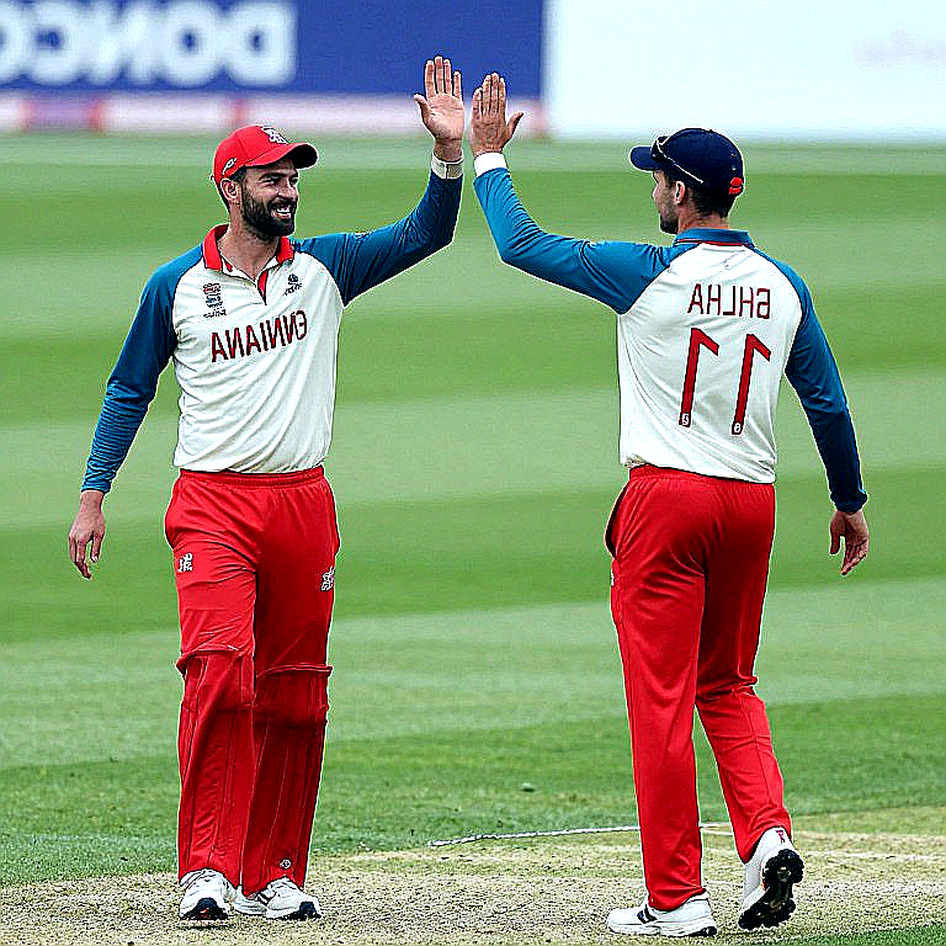
Context: How Broken Cricket's Data Architecture Really Is
Map out who stores cricket's data and it becomes clear the problem is not technological. It is about ownership. Ball-tracking comes from Hawk-Eye or Virtual Eye camera setups owned by the broadcaster or tournament host. Workload data comes from Catapult-style GPS vests owned by the franchise. Injury history sits in the board's medical files, owned by the board. Integrity monitoring runs through the ICC Anti-Corruption Unit and firms such as Sportradar, who hold suspicious betting-pattern data tied to player names. At the fan-engagement layer, the ICC announced a partnership with FanCraze in 2026 to enter the digital collectibles market, while India's Rario-style platforms built an economy around player cards.
These five layers are five separate databases. There is no cryptographic link between any of them. So when an allegation surfaces, the question that follows is: which version is real? Cricket has no neutral method for answering that.
The solution blockchain offers here is not magic. It is a shared ledger—many copies of the same record, where each new entry is bound to the hash of the previous one. Anyone trying to go back and change a number would have to rewrite the entire chain, and other nodes would notice. In a permissioned chain, write access is limited to designated authorities, and smart contracts can be coded in advance: when certain conditions are met, money releases, bonuses accrue, or alerts fire.
In cricket's context the meaning is simple: board, franchise, broadcaster and player could all read the same ledger for the same match, and nobody could silently alter their own copy.
But stopping there would be a mistake. Years of watching matches, sitting in commentary boxes and standing at the edge of training grounds tell me something else: cricket's problem was never a shortage of data. It was a shortage of authority.
Core: Four Places Where a Ledger Could Actually Change Things
1. The workload ledger and the fixture-congestion arithmetic
My long-held position is clear: fixture congestion is the primary cause of injury; no medical team can save a bowler from two matches a week. But that argument only works when everyone shares one continuous record of work done.
Right now, nobody does. The national team looks at its own sports-science file, the franchise looks at its GPS vest data, the league looks at its match schedule. These three numbers never reconcile, because their definitions differ. One counts spells in overs, another counts high-speed running load, the third counts days.
A permissioned workload chain could hold all three definitions together, if the definitions are coded first. Say a fast bowler's ball-by-ball metric and a 24-hour recovery window—if both conditions break in the same four-week block, a smart contract could automatically flag him as ineligible for the next match. Does that erode the coach's freedom? Yes—but that is the argument we should be having. We are not having it now, because everyone sits at home with their own spreadsheet, and the result is a fast bowler whose pace range has dropped eight kilometres per hour across three matches.
The tape never lies, but the crowd often does. Yet the tape can only tell the truth when there is one version of it, not ten.
2. Ball-by-ball hashing and the reactive anti-corruption model
This is blockchain's most practical and least discussed use. The current anti-corruption model is reactive: an abnormal betting pattern surfaces, an investigation begins, old footage is reviewed. If everyone knew that every ball's data was being hashed in real time into an immutable ledger, the room for 'fixing it later' shrinks.
This does not make a regulator omnipotent. It closes one specific door—the door to altering the record. The other doors, meaning who gets to see what, who raises suspicion, how fast an investigation moves, remain entirely political decisions. Blockchain is not neutral there.
3. Age and identity verification—where South Asia's oldest problem lives
The history of age fraud in our region's age-group cricket is long. The Board of Control for Cricket in India uses the TW3 bone-age method for age-group verification, which is a medical estimate, not an exact birth certificate. That gap is the real issue. Blockchain cannot create a birth certificate, but binding birth registration, school enrolment and a first domestic match entry into one timestamped chain shrinks the space for estimation considerably.
Start on the training pitch, then zoom out to the world stage. If the paper lies on the training pitch, then on the world stage that lie steals four or five years of career from some honest talent.
4. Franchise economics and the lopsided fan-token arithmetic
This is where the real war begins, because this is where the money is.
Franchise league economics rests on three numbers: the salary cap, the central revenue share, and sponsorship. Of the first, the fan knows almost nothing. Whether it is the IPL or the BPL, the internal arithmetic of the salary cap never comes out in full. A verifiable compliance record written on-chain is a risk for franchises because it exposes their weaknesses; but it is power for players, because then the line 'you are stuck inside our cap' becomes checkable.
With fan tokens, the arithmetic reverses. Since 2026-22, the way platforms like Socios sold club voting tokens in football has begun arriving in cricket—fan emotion is converted into tokens, while real decision-making power stays near zero. If a token cannot vote in an election or deliver a real revenue share, it is not a stake, it is a subscription dressed in a smart contract.
And the most important question nobody asks: who owns the data from a player's GPS vest? The data that predicts his injury risk, the data that will price his next contract—is it a franchise asset, or the player's? Current contracts usually answer in the franchise's favour, because nobody has ever seriously raised the question. A player data wallet could shift that balance.
5. The latency wall: why on-field decisions will never go on-chain
Here the blockchain enthusiasts need stopping. A DRS review resolves in 15 to 20 seconds. With ball-tracking, projection and UltraEdge combined, that pipeline has no room for a consensus mechanism. If reaching agreement across three nodes takes even two seconds, that is unacceptable for the broadcast cycle.
So the realistic design will be hybrid: on-field decisions made centrally, with the audit trail going on-chain. Decision first, proof after. Anyone who thinks blockchain will solve DRS corruption or error is confusing the limits of technology with the will of stakeholders.
Contrarian: Blockchain Fixes Records, Not Power
Now to the place where I part ways with mainstream tech enthusiasm.
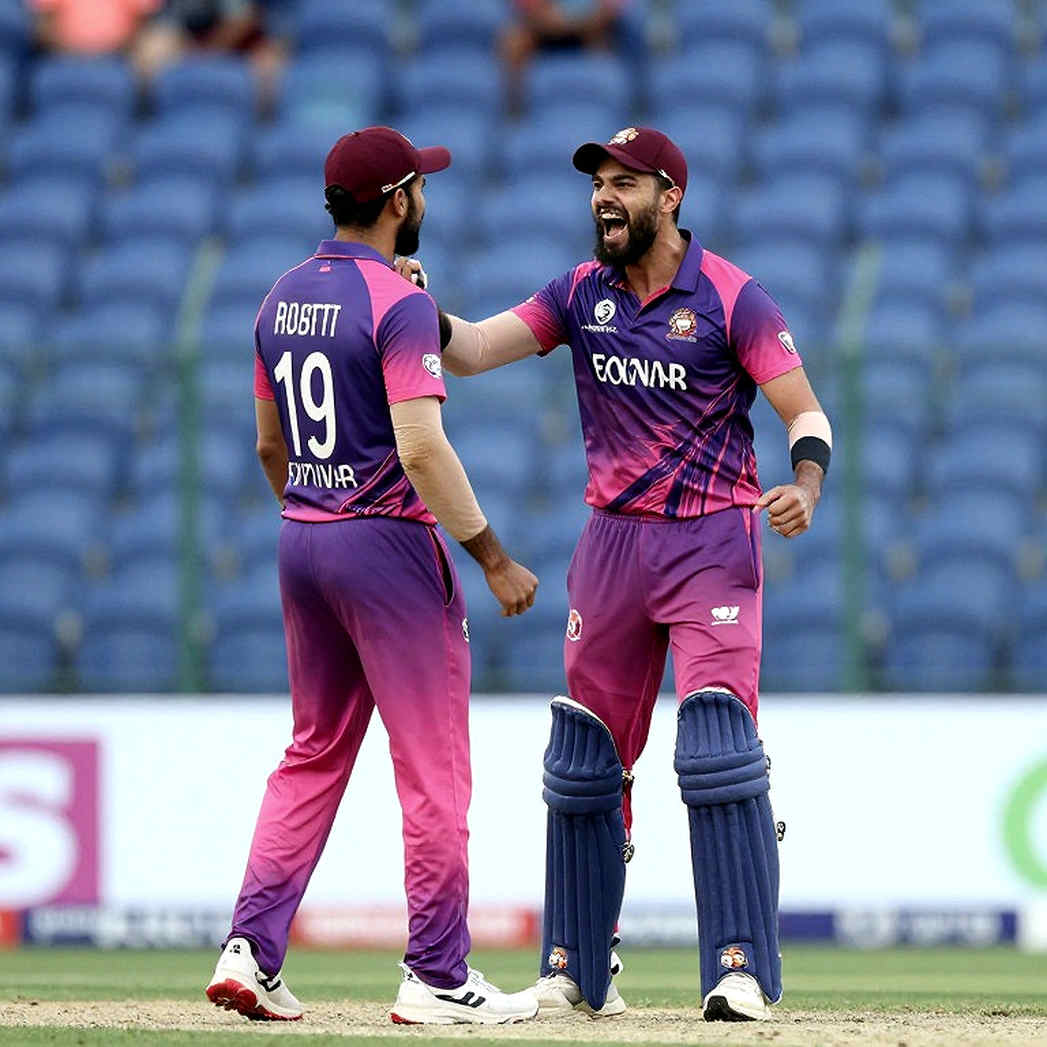
Blockchain is a record technology. It makes written information immutable. But who gets to write is determined by permission settings—that is, by a small group of people. If the ledger is a permissioned chain jointly controlled by the ICC, the BCCI, the ECB and Cricket Australia, we gain nothing new. We get the old power structure in new wrapping, with veto power still in the same hands.
Second problem: data triumphalism. A vest measures movement, not fatigue. A GPS unit cannot say a bowler is delivering on a sore knee, or that he did not sleep because his family is waiting on a visa. Every bowler's body is a different context, and no hash captures that context.
Third problem, and the most important for our region: cost inequality. A wearable vest, a data analyst, the cost of running a chain node—these are beyond a Dhaka First Division club, let alone an academy on a turf wicket in Mymensingh or Khulna. So if a ledger economy arrives, the benefits go to those already wealthy. When I was coaching at a grassroots club in Manchester in 2026, I saw that even in England's county system, the benefits of sports science are not distributed evenly. Where the money is, the data is.
Fourth, players are still not at the centre of decisions. Player unions have been far more vocal about data rights in European football than in cricket. If a league launches a player data wallet but a player's data is transferred from franchise to franchise without his consent, blockchain becomes another surveillance tool.
Every system is a promise; every match is a stress test. Blockchain's promise is one version of the truth. But cricket's problem was never a shortage of truth—it was the will to speak it, and who owns it.
Takeaway: What to Watch in the Next Twelve Months
Three signals I will be tracking closely over the coming year.
First, whether a league—perhaps South Africa's SA20 or the UAE's ILT20—pilots a 'player data wallet'. If it does, the language of franchise-player contracts will change.
Second, whether the ICC Anti-Corruption Unit moves from periodic audits to continuous ledger monitoring. If it does, investigations speed up, but the question of who sees what becomes political.
Third, if the next central-contract dispute is about data ownership rather than money, we will know the era has shifted.
And one question stays open: of those two spreadsheets in Mirpur, which one was true, and who decides? So far there is one answer—whoever holds the pen. A ledger can change who holds the pen, but who gets to seize the pen is something cricket still has not settled for itself.